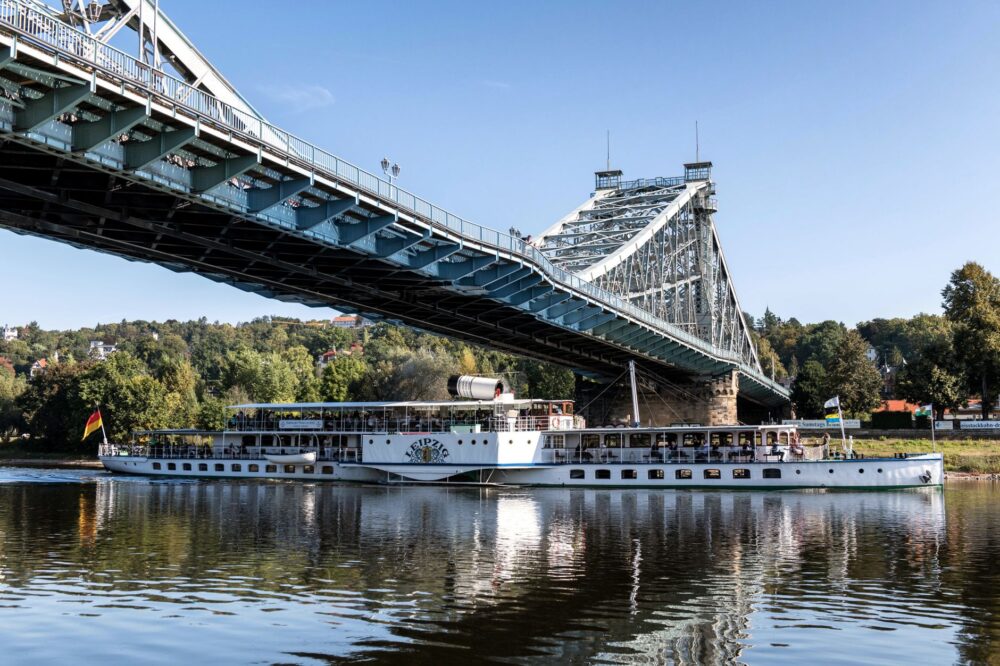

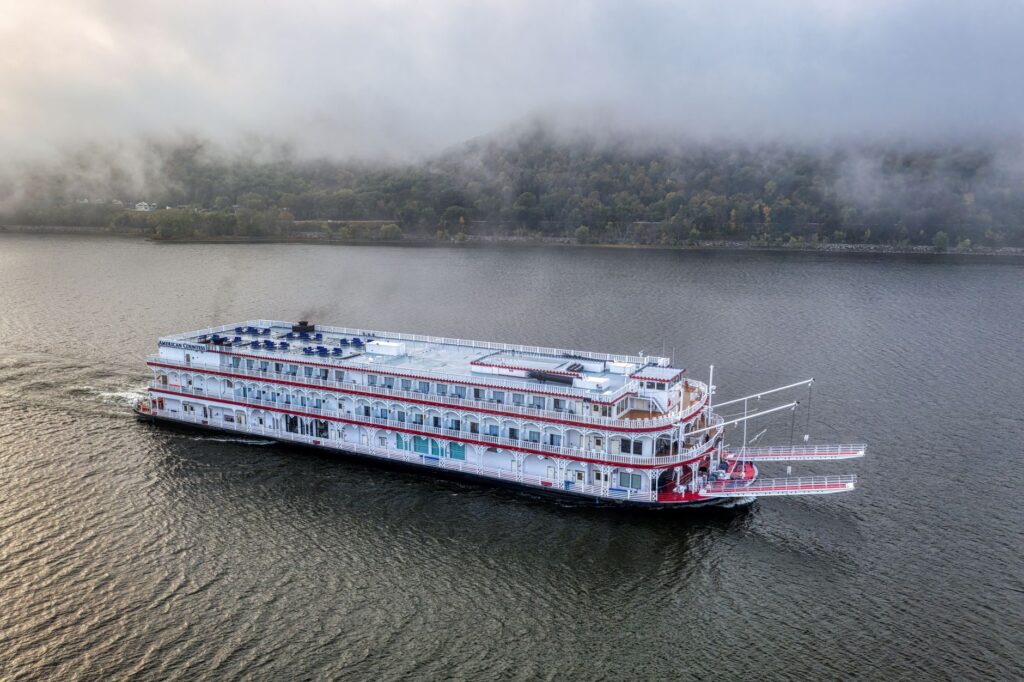
The lower course of the Mississippi River is far more than a natural drainage basin fundling the North American continent toward the Gulf of Mexico; it is a historic corridor where nineteenth-century naval engineering left an indelible mark. With its sediment-laden waters and a powerful current that has sculpted the geography of entire states, this channel was dominated for decades by majestic sternwheel and sidewheel steamboats. Characterized by parallel twin chimneys and resonant steam whistles, these colossal vessels represented the pinnacle of transport technology in an era when land routes were little more than impassable mud tracks.
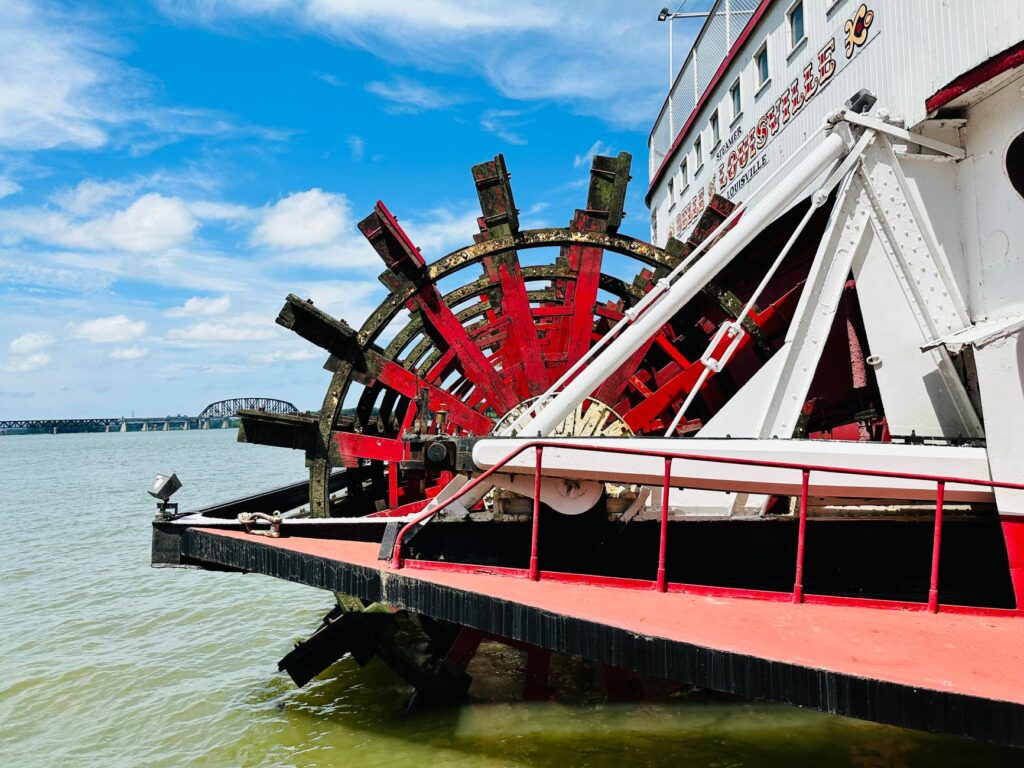
Today, the presence of these iron and timber leviathans endures thanks to a strenuous heritage preservation effort. They are not merely floating museum pieces, but operational vessels that defy the turbid currents while carrying travelers eager to understand the roots of Southern culture. The mechanics driving these craft combine wood- and coal-fired Scottish boilers with enormous paddle wheels positioned at the stern or sides—a layout specifically engineered to operate in shallow waters riddled with treacherous shifting sandbars.
The Architecture of River Colossi and Their Boilers
Understanding the anatomy of a traditional Mississippi steamboat requires looking beyond its ornate white filigree and Victorian-era saloons. Below the main deck lies the thermal heart of the vessel: low-pressure Scottish boilers that generated the energy required to drive massive pistons. Unlike oceanic liners built to withstand the fury of the open sea, these riverboats demanded a minimal draft, often less than two meters, to navigate across the immense floodplains of the river. This structural constraint forced nineteenth-century engineers to develop flat-bottomed wooden hulls reinforced with iron rods and a truss system known as hog chains.
The famous twin chimneys served far more than an aesthetic purpose; they were built to a considerable height to ensure natural draft in the boilers and, crucially, featured hinged bases allowing them to be lowered when the vessel needed to clear low bridges during spring floods. This mechanical ingenuity enabled vessels to maintain schedules regardless of dramatic fluctuations in water level. The engineers, legendary figures in river lore, operated under intense thermal and acoustic pressure, regulating power via manual valves responding to the rhythmic syncopation of visible pistons framed in glazed galleries for passenger enjoyment.
Pilotage in Blind Waters: The Science of a Shifting River
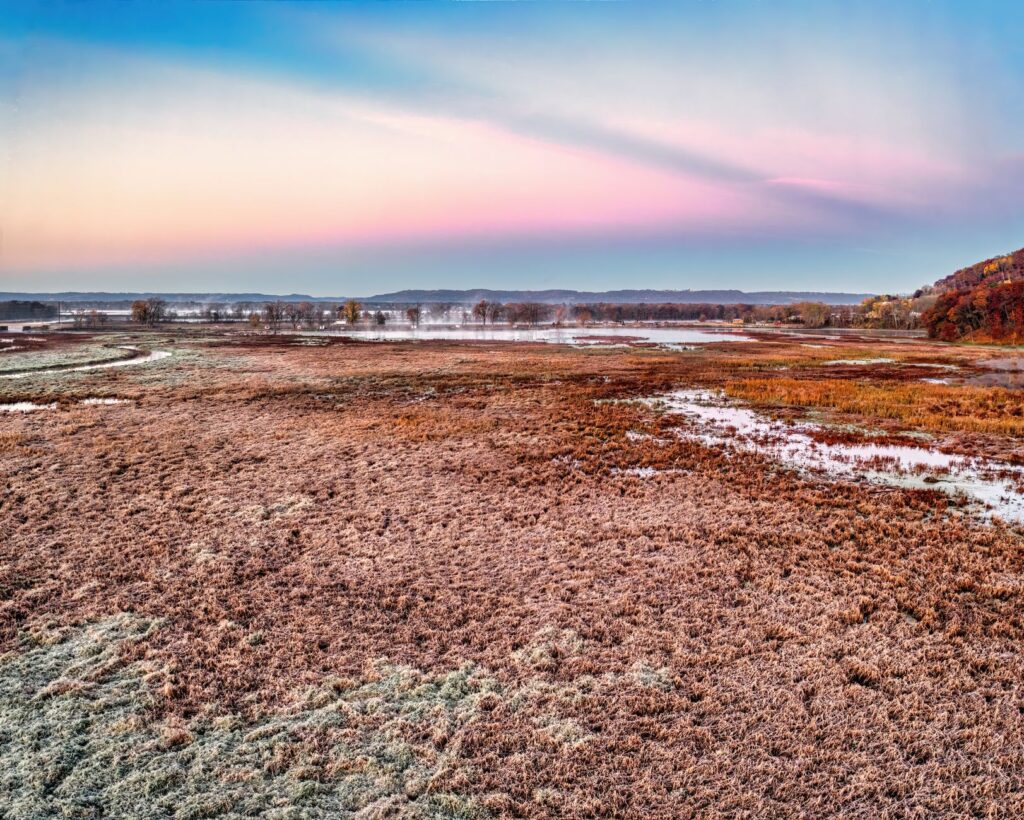
Navigating the Mississippi has never been an exact science relying on static nautical charts, because the riverbed is in a state of constant transformation. A sandbar that safely permits the passage of a three-deck vessel today can transform into an impassable trap by the following week. Consequently, the river pilot attained legendary status, immortalized in the chronicles of Samuel Clemens—Mark Twain—who spent years working these very channels. Pilots had to memorize every bend, every submerged obstacle, and the subtle surface color variations indicating deep currents or dangerous eddies.
Today, while global positioning systems and digital depth finders form part of modern wheelhouses, visual expertise remains irreplaceable. Current captains continue to rely on direct environmental reading: the behavior of riverside timber, the drift direction of floating logs, and decades of accumulated journey experience. This generational transmission of nautical knowledge constitutes an intangible heritage as valuable as the physical structure of the steamboats themselves. The synchrony between helmsman and solid oak steering wheel preserves a unique continental maritime discipline.
The river is not a still highway of water; it is a living organism that changes its mind every spring, demanding absolute respect for its shifting memory from all who navigate it.
The pace of river navigation imposes a deliberate pause against the breakneck speed of contemporary transport. While commercial freight barges pushed by powerful diesel towboats cross the river hauling grain and coal in a frantic logistical race, passenger paddlewheelers operate under an entirely different temporal philosophy. Here, the journey between historic river towns such as Natchez, Vicksburg, and New Orleans transforms into an anthropological immersion. Passengers watch from mahogany railings as cypress swamps and historic cotton landings slowly dissolve under the morning mist.
Riparian Economy and the Rhythm of Port Stops
The economic impact of these historic navigation routes extends far beyond tourism alone. Small rural communities situated along the banks of Louisiana, Mississippi, and Arkansas depend heavily on regular port calls by these vessels to vitalize local commerce, community museums, and artisanal workshops. Each time a historic vessel docks at a river landing, it triggers a microeconomy of local guides, regional historians, and culinary preservationists who maintain traditional Creole and Southern recipes, from seafood gumbo to cast-iron cornbread.
Maintaining these floating infrastructures, however, presents considerable logistical challenges. Shipyards capable of repairing hand-riveted boilers, working with premium hardwoods like white oak, and restoring intricate paddlewheel mechanisms are scarce and require significant financial investment. Modern United States Coast Guard safety regulations demand continuous adaptation of electrical and fire-suppression systems—a delicate balance between rigorous aesthetic preservation and compliance with contemporary technological standards to ensure commercial viability.
Music and the Acoustic Memory of the River Valley
It is impossible to recount Mississippi navigation without noting its acoustic dimension. The soundscape of these vessels is dominated by the rhythmic splash of wooden paddles striking water, a dull, steady cadence acting as a natural metronome for the entire valley. This is paired with the deep bellow of steam whistles tuned in complex chords audible miles away, announcing the imminent arrival of mail, cargo, or travelers to isolated delta landings.
On board, musical tradition has always occupied a central role, reflecting the cultural synthesis characterizing the river basin. From early rural blues performances on lower decks to the classic New Orleans jazz soundtracking dining room dinners, music functions as the unifying thread among riverside communities. Local artists boarding at various ports offer travelers direct insight into artistic expressions born under the pressures of seasonal floods and historic plantation labor.
The oak paddlewheels striking water do not merely drive the hull forward; they beat the time for a collective chronicle where music and fluvial geography remain forever intertwined.
Practical guide
Planning a journey along the Mississippi River corridor aboard its historic fleet requires understanding seasonal weather patterns and operational route characteristics.
- Best time to visit: Spring months (March through May) and autumn (September through November) offer moderate temperatures and lower probabilities of severe Gulf storms.
- Recommended duration: Classic journeys between Memphis and New Orleans typically last seven to ten days, allowing onshore excursions at key historical enclaves.
- Logistical access: Primary embarkation ports feature international air connections via Louis Armstrong New Orleans International Airport (MSY) and Memphis International Airport (MEM).
- Advance booking: Due to limited passenger capacity and high demand for historic balcony staterooms, reservations must be planned up to a year in advance.
- Recommended attire: Lightweight cotton clothing is advised for daytime hours, paired with smart-casual evening wear for formal dinners in main dining rooms.
- Health and safety: It is essential to monitor local weather advisories regarding extreme humidity levels and sudden fluctuations in river stages.
The Mississippi horizon, bathed in golden evening light over the Louisiana bayous, offers a perspective transcending mere geographical displacement. Aboard the stern of these century-old vessels, where trails of white foam merge with the brown river waters, America’s history unfolds with the solemn slowness of time refusing to vanish. Passengers resting their hands on wooden railings observe not only an imposing natural landscape, but participate in a ritual of continuity where past naval engineering continues to conquer the current of oblivion.