
The Eternal Flow of Imperial Waters
The Danube is not merely a river; it is the liquid backbone that has shaped the history, commerce, and diplomacy of Central Europe for millennia. From the Black Forest to the Black Sea, its waters carry the legacy of fallen empires and shifted borders. Yet, the true domestication of this river artery was achieved not through massive armies or peace treaties, but through the ingenuity of nineteenth-century steam navigation. The introduction of the first mechanical vessels radically transformed a journey that, until then, relied exclusively on human or animal muscle power to ascend the current.
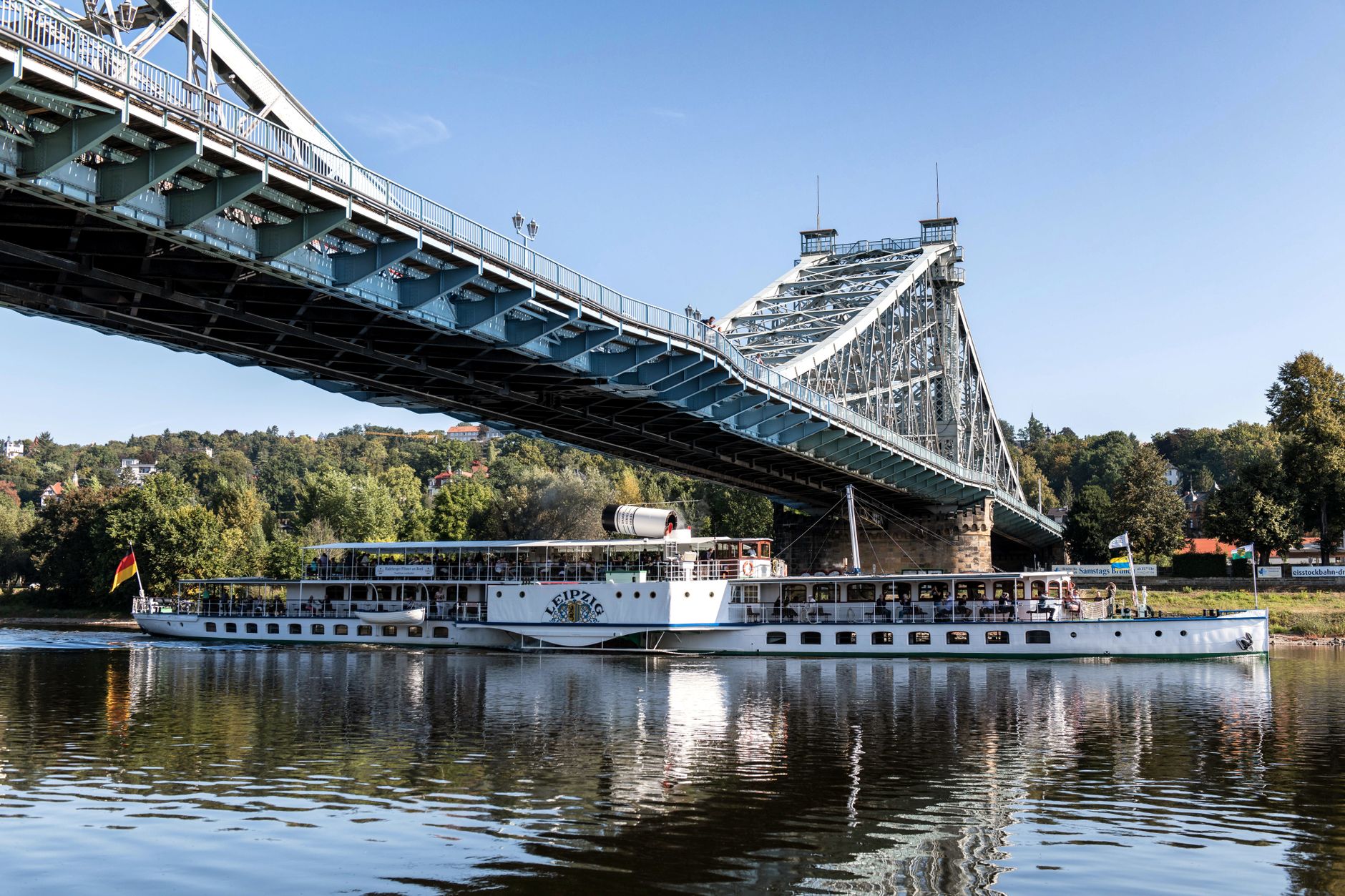
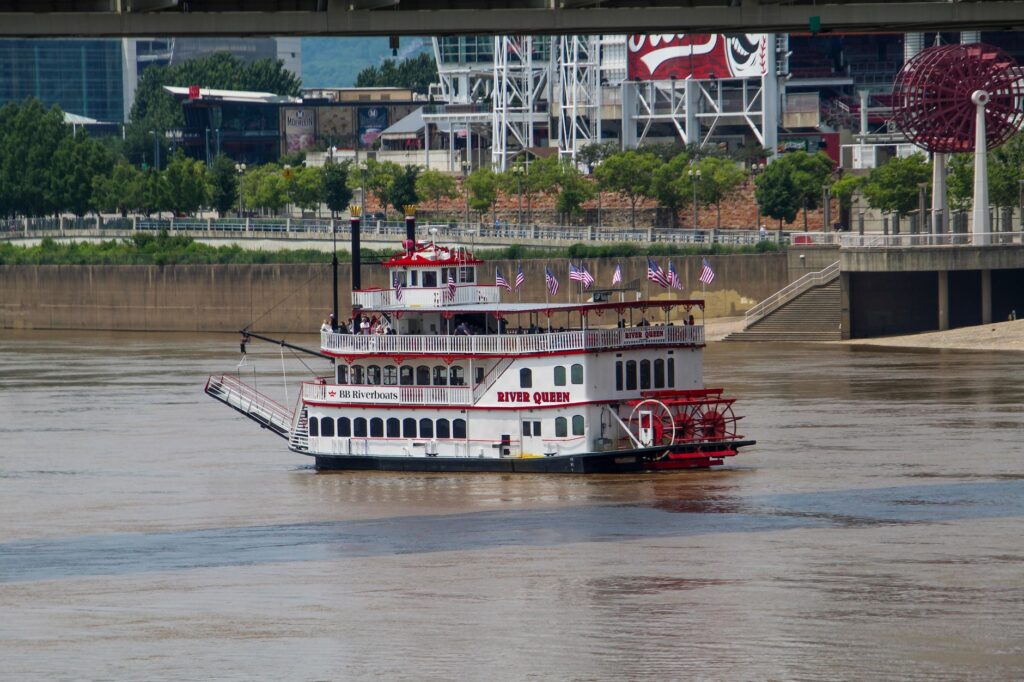
Across this vast aquatic stage, the First Danube Steam Navigation Company (DDSG), founded in Vienna in the 1820s, established a technical and commercial monopoly that challenged the relentless river current. The feat was not merely to float, but to prove that the machine could conquer nature on its own terms. Lateral paddle-wheel steamers became floating cathedrals of iron and oak, capable of towing barges laden with grain, coal, and passengers through stretches as perilous as the Iron Gates gorges. Today, preserving and operating these century-old vessels requires a seamless alchemy between industrial archaeology and contemporary naval engineering.
The Anatomy of an Iron and Steam Colossus
Understanding the inner workings of a historic river steamer requires delving into its mechanical bowels. Unlike oceanic liners designed to withstand the pounding of ocean waves, a Danubian river vessel prioritizes longitudinal stability, an extremely shallow draught, and a transmission ratio adapted to currents that can exceed ten knots during spring melts. The lateral paddle wheels, positioned symmetrically amidships, act as hydraulic limbs biting into the water with millimetric precision. Each white oak paddle blade is engineered to enter and exit the fluid while minimizing parasitic drag, maximizing forward thrust.
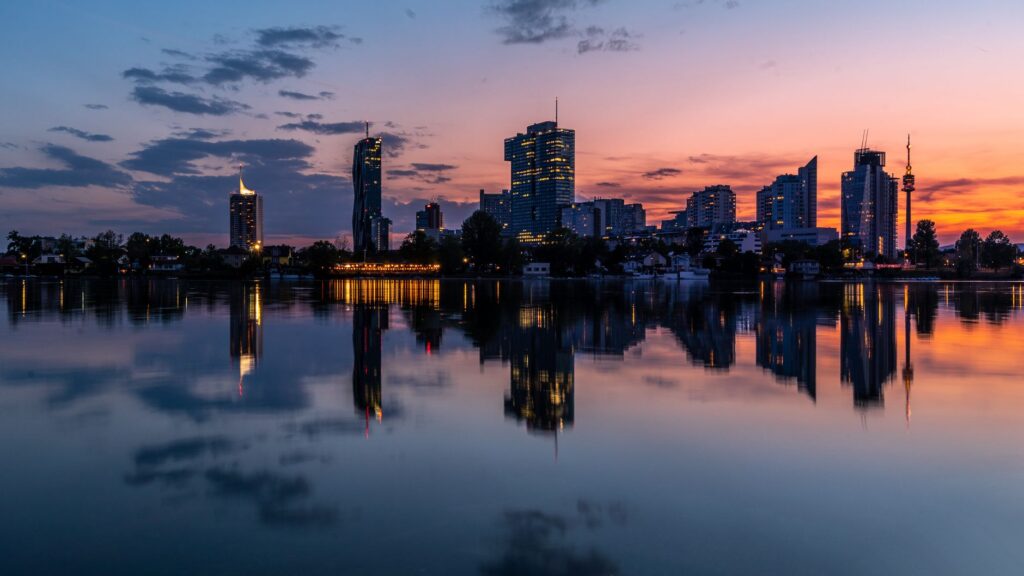
The engine rooms of these colossi preserve tubular steam boilers that originally ran on coal and have since been adapted under strict environmental regulations without losing their aesthetic identity. The system of connecting rods, rocking beams, and oscillating pistons operates with a hypnotic cadence—a metallic heartbeat transmitted throughout the entire hull. The noble wood of the salons contrasts with the wrought iron of the upper decks, creating a space where technical functionality merges with Belle Époque refinement. The crew, heirs to an oral tradition passed down through generations, maintains the routines of manual lubrication and pressure control that guarantee the survival of these masterworks of nineteenth-century engineering.
The Danubian steam era is not an exercise in aesthetic nostalgia, but proof that robust engineering, conceived to last centuries, continues to outlast the planned obsolescence of liquid modernity.
The Challenge of Impossible Passages: From the Iron Gates to the Delta
Commercial and tourist navigation on the Danube has never been a gentle voyage. Over its more than two thousand eight hundred kilometres, the river features stretches where hydrography becomes a labyrinth of rocky gorges, treacherous shallows, and unpredictable rapids. Historically, the most feared obstacle was the Iron Gates, on the current border between Serbia and Romania, where the channel narrowed sharply between vertical limestone walls, generating whirlpools capable of throwing any large vessel off course. It was precisely this obstacle that forced DDSG engineers to develop specialized towing systems and artificial channels excavated in living rock.
With the construction of massive hydroelectric dams in the second half of the twentieth century, the river’s geography changed drastically, submerging legendary rapids while creating new challenges for lockage and sediment control. The historic vessels still plying these waters must coordinate their itineraries with modern commercial cargo traffic and contemporary river cruise fleets. Massive locks, such as Gabčíkovo or those at the Iron Gates, impose a monumental scale where paddle steamers shrink, forcing captains to demonstrate millimetric skill when docking against damp concrete walls under the watchful eye of lock engineers.
River Architecture and Stone Docks
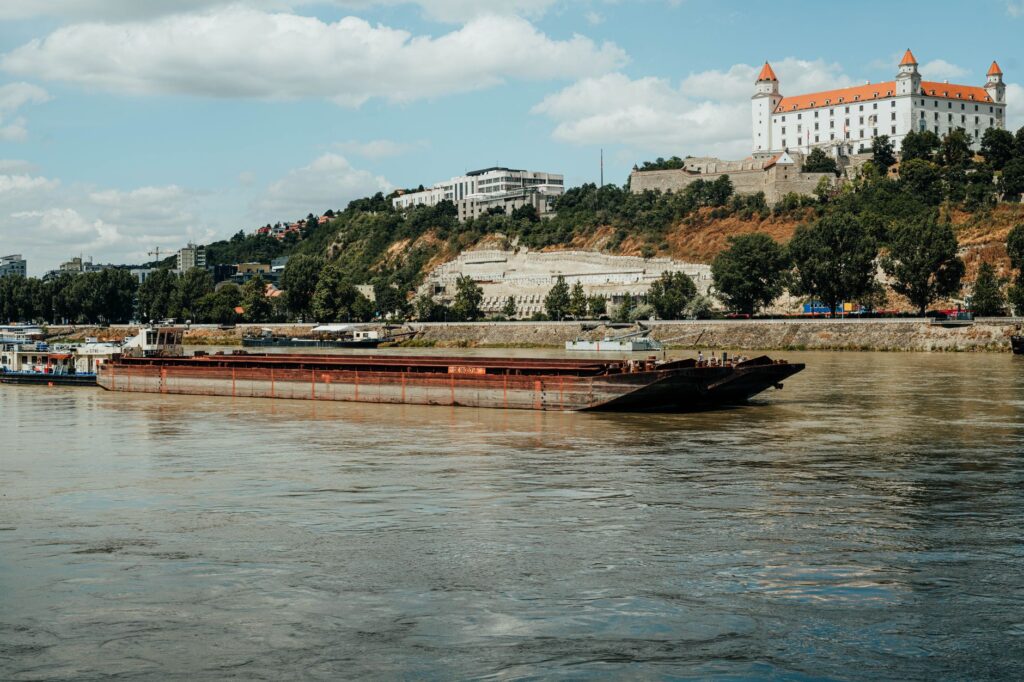
The terrestrial infrastructure accompanying the steamer route forms an architectural heritage as valuable as the vessels themselves. Along the banks, in cities such as Budapest, Bratislava, Vienna, and Linz, traditional docks were designed not only for mooring, but to withstand violent seasonal floods caused by Alpine storms. Built with massive granite ashlar blocks and equipped with stepped ramps, these docks allowed livestock, cargo, and passengers to embark regardless of fluctuating water levels, which can vary by up to ten meters between seasons in certain points.
River stations, many erected in the late nineteenth century with iron and glass structures echoing major European railway terminals, functioned as logistical nodes where international mail, aristocratic luggage, and industrial raw materials converged. Today, these buildings have undergone diverse transformations; some have become floating museums or cultural centers, while others continue their original function as passenger terminals. The integration between riparian civil architecture and the silhouette of steamships defines a unique urban urban aesthetic, where the city opens to the water rather than turning its back on it.
Worker Memory and the Invisible Crews
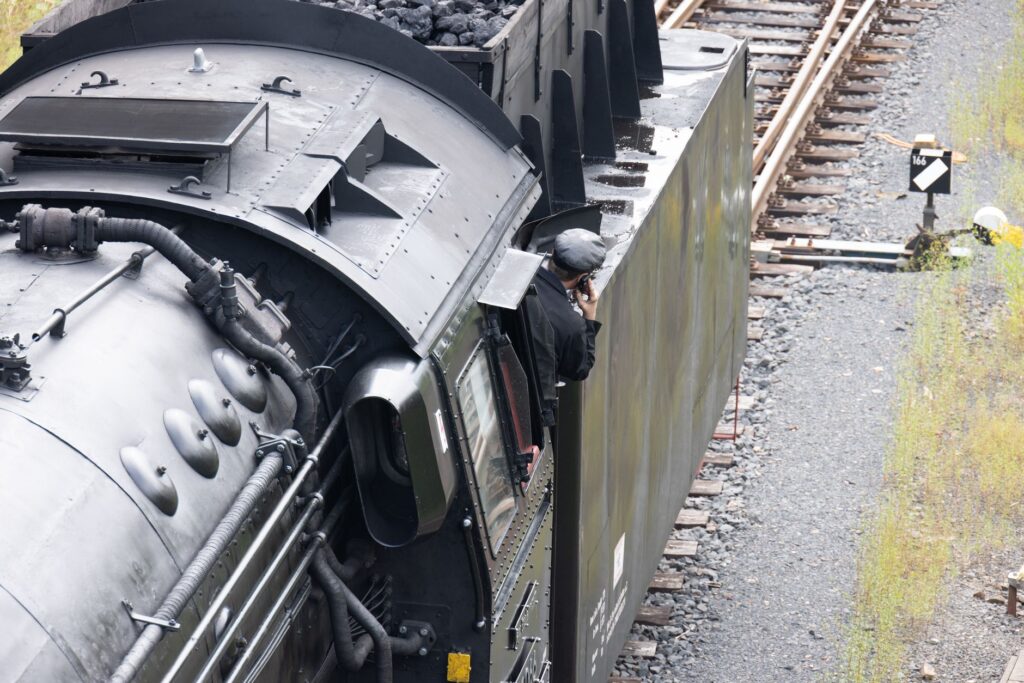
Behind the aristocratic glamour characterizing Danubian river cruises lies the less visible yet foundational history of the crews: firemen, engineers, shipwrights, and linesmen who dedicated their lives to the river’s relentless rhythm. Deep within the boiler rooms, the work of the stokers was an extreme endurance test, enduring sweltering temperatures and the constant effort of shoveling coal to maintain stable steam pressure during multi-day voyages. These men formed a tight-knit community with their own codes, a technical dialect blending German, Hungarian, and Slovak, and fierce loyalty to the vessel.
Aboard the ships, the hierarchy was strict, headed by the captain, whose authority in international waters equaled that of a deep-sea master mariner. Repair workshops located in the Óbuda shipyards of Budapest served as the sanctuary where local craftsmen manufactured custom replacement parts, as industrial standardization took decades to reach the Danube basin. This human capital, now retired or transformed into specialized maintenance technicians, forms the true intangible motor allowing the memory of steam navigation to remain mechanically active in every hull and boiler restoration.
Heritage Revival and the Sustainability of River Tourism
In the twenty-first century, maintaining the historic Danube steam fleet faces a dual challenge: a shortage of artisans capable of working with traditional boiler-making and naval carpentry techniques, and increasingly stringent environmental regulations within protected natural areas. Non-profit organizations, enthusiast associations, and cultural foundations have taken over from former commercial shipping lines, transforming voyages into educational and sustainable tourism experiences promoting the conservation of European river heritage.
This revitalization process is not without economic tensions. Converting coal-fired boilers to less polluting heating and propulsion systems requires million-euro investments often dependent on public subsidies and private donations. Yet, the cultural return is undeniable. For local communities along the banks, the arrival of a restored paddle steamer is not merely a tourist attraction, but a tangible reminder of their historical identity. Contemporary river tourism finds in these vessels a low-impact alternative to mass tourism, proving that calculated slowness and landscape respect are compatible with economic viability.
Practical guide
Planning a journey to explore the history and present of Danube steam navigation requires understanding the access points and operational limits of this heritage fleet.
- Main departure points: The primary hubs for observing and boarding historic vessels are concentrated in Vienna (Austria), Bratislava (Slovakia), and Budapest (Hungary), where major preservation associations operate.
- Operating schedule: The navigation season for historic steamers typically runs from May through late September, coinciding with stable weather and predictable river levels.
- Access to shipyards and museums: The Budapest Transport Museum and the historical archives of the DDSG in Vienna offer permanent exhibitions on the evolution of Danubian naval engineering. Visitors should check opening hours in advance, as many sites undergo periodic renovations.
- Reservations and ticketing: Space aboard operational steamships is strictly limited due to historic salon capacities and navigation safety regulations. Advance booking months ahead is essential.
- Onboard regulations: Drones are strictly prohibited without explicit authorization from the captaincy, and soft-soled shoes are required to protect original teak and oak wooden decks.
River Epilogue Under the Vienna Twilight
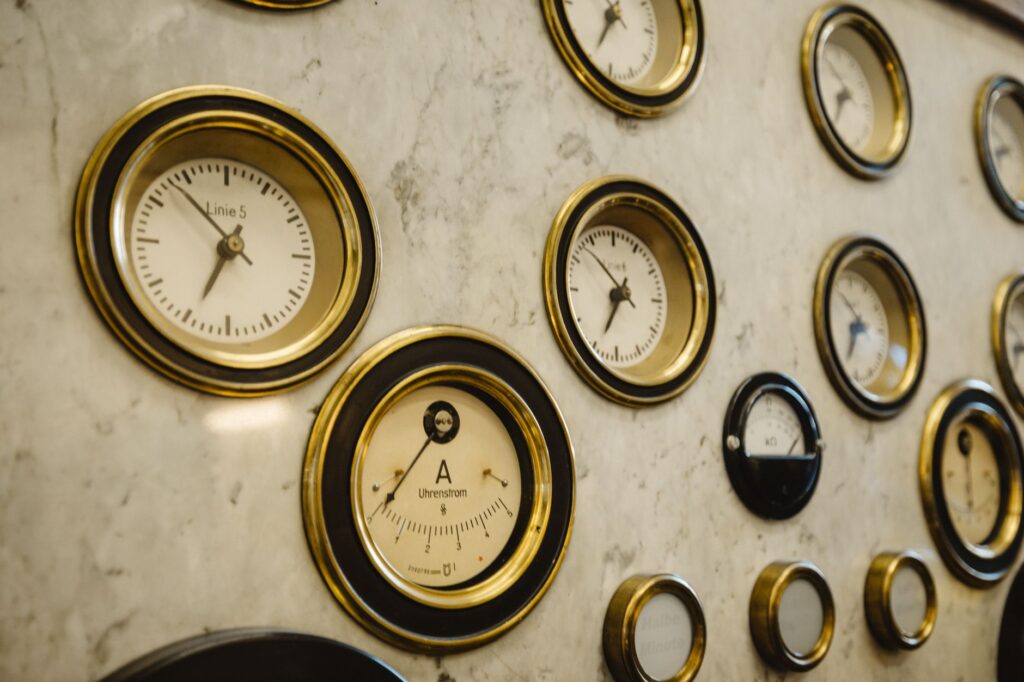
As the sun begins to dip over the Danube banks in Vienna, the silhouettes of paddle steamers trace their complex geometry against a sky stained with ochre and violet hues. On the aft deck, the gentle vibration of the century-old machinery continues its uninterrupted march, a physical reminder that technical progress should not always imply the destruction of the past. The river’s waters continue carrying Alpine sediments toward the Black Sea, indifferent to the passage of centuries, yet sustained by the tenacious effort of those who refuse to let silence claim the engine rooms. In that delicate balance between the indomitable force of the current and the artisanal precision of wrought iron, river navigation finds its purest and most enduring raison d’être.