
Origins and Vision of the Coffee Route
Colombia’s abrupt geography has historically represented both an inexhaustible source of natural wealth and a monumental challenge for territorial integration. At the dawn of the twentieth century, the accelerated expansion of coffee plantations demanded transportation solutions capable of overcoming abysses and gradients impossible for traditional animal traction. The Coffee Railway was born as a bold response to this pressing need, conceived not merely as a civil engineering work, but as the backbone connecting fertile inter-Andean valleys to collection centers and export routes toward the oceans.
The British and domestic engineers who designed the original layout faced a capricious terrain characterized by geological faults, rushing rivers, and extreme thermal variations within short distances. Every kilometer of track laid across the central cordillera demanded titanic manual excavations, the construction of stone retaining walls, and the erection of prefabricated metal bridges that had to be transported on mule back from the Caribbean coast to the Andean summits. This titanic undertaking laid the foundations for a railroad work culture that still endures in the collective memory of local communities.
Extreme Topography and Engineering Solutions
Overcoming the Andes range through the use of steam locomotives required the implementation of unique technical designs, among which rack-and-pinion systems on the steepest sections stood out. These mechanisms allowed convoys to traction gradients exceeding six percent, a formidable technical limit for the era. Tunnels bored by pickaxe and dynamite through living rock became architectural milestones that challenged the force of nature, allowing coffee production to flow with previously unimaginable regularity.
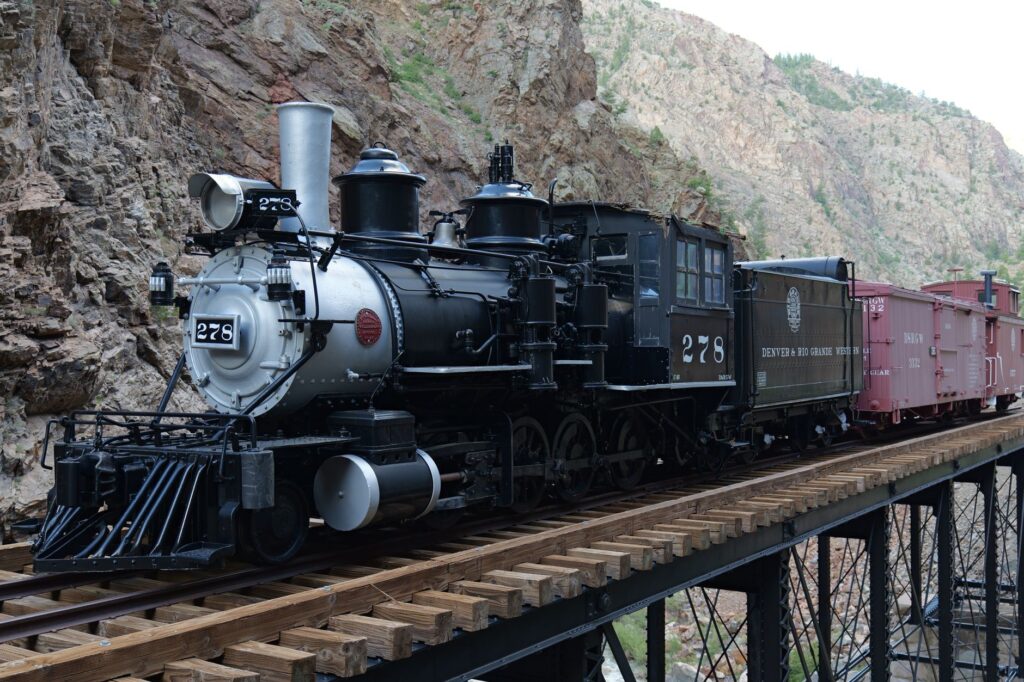
The maintenance of this infrastructure was a titanic and constant task. Landslides triggered by intense seasonal rains required permanent crews stationed at strategic points along the route. The wood used for ties and provisional bridges required specialized treatments to resist the persistent humidity of the cloud forests. Through this sustained effort, the rail line proved that human persistence could weave a steel thread across one of the most complex reliefs on the planet.
Grain Logistics and Agro-industrial Boom
The arrival of the railway to coffee estates radically transformed the country’s export economy. Prior to its operation, transporting sacks of coffee to the fluvial ports of the Magdalena River required weeks of travel along muddy bridle paths, where a significant portion of the harvest deteriorated or became unsustainably costly. With the regular operation of trains, transit times were reduced to a matter of hours, ensuring that the bean reached international markets with its organoleptic properties intact and at competitively stable costs.
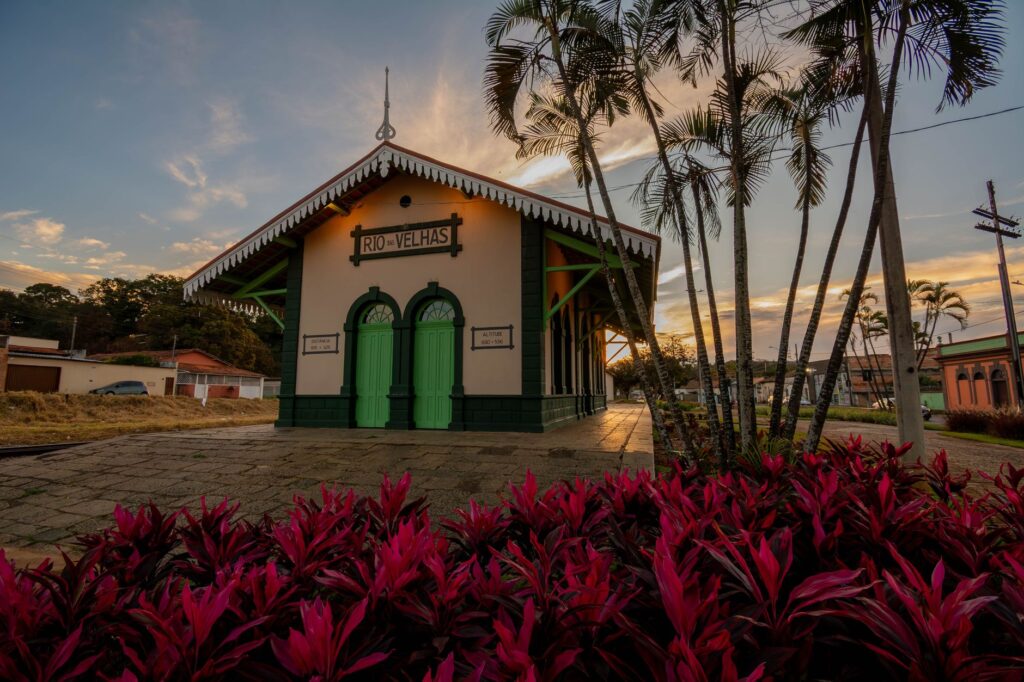
This steady flow of goods stimulated the emergence of stations that rapidly evolved into prosperous urban centers. Around cargo depots and telegraph offices flourished mechanical workshops, hotels for merchants, and supply warehouses. Railway logistics structured a regional development model where each coffee municipality found its raison d’être in its direct connection to the large national transport network, consolidating a unique commercial identity on the continent.
Decline, Abandonment, and Recovered Heritage
As occurred in much of Latin America, the massive arrival of automotive transport and the construction of paved highways during the second half of the twentieth century marked the beginning of the end for the golden age of the coffee railroad. The lack of state investment, coupled with the initial flexibility of heavy cargo trucks, condemned the railway tracks to a process of obsolescence and gradual dismantling. Once-bustling stations were swallowed by tropical vegetation, and the whistle of the locomotive gave way to the nostalgic echo of an era of industrial splendor.
However, the railway heritage did not completely disappear. In recent decades, a movement of historical and tourist rescue has transformed surviving sections into authentic living museums. Community and governmental initiatives have rehabilitated vintage steam locomotives to offer panoramic tours that allow new generations to understand the magnitude of that engineering epic. Today, traveling along these restored rails is an exercise in memory and a tribute to the workers who built Andean progress.
The Cultural Coffee Landscape from the Windows
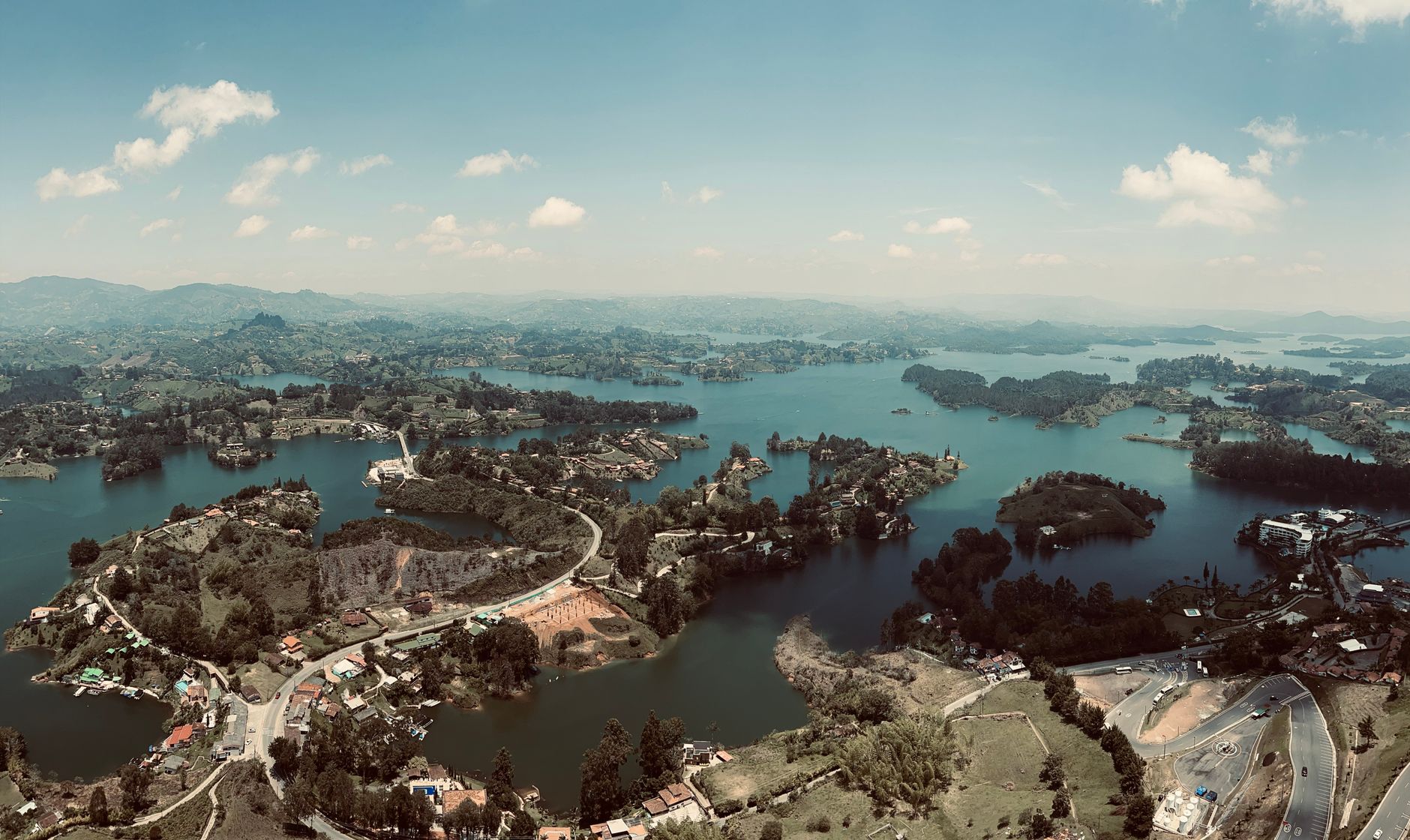
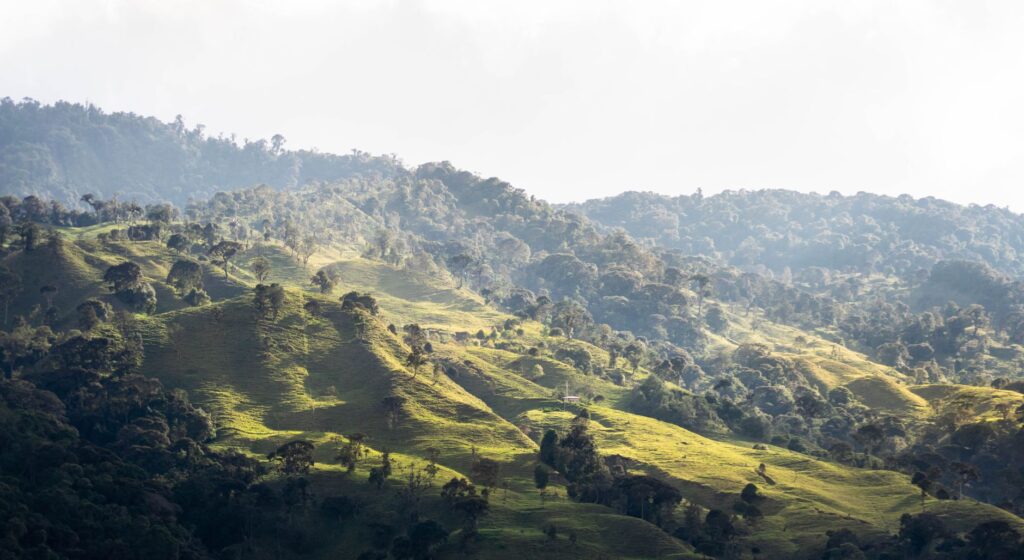
Traveling along the restored railway corridors of the coffee region offers an unparalleled visual perspective of the cultural landscape declared a World Heritage Site by UNESCO. From the heights of the railcars, the topography unfolds as a geometric mosaic of green tones where shade-grown coffee plantations, plantain fields, and towering guadua bamboo trees coexist. Traditional colonial and republican architecture houses, with their colorful balconies and clay tile roofs, peer shyly at the passing train, creating a tableau of deep rural authenticity.
This slow-travel experience fosters an intimate connection with the natural and human environment. Passengers are not mere spectators, but participants in a measured rhythm that invites contemplation and dialogue with local inhabitants. Stops at intermediate stations allow travelers to taste single-origin coffees cultivated on neighboring slopes, turning the journey into a complete sensory tour that transcends mere physical movement to delve into the soul of Colombian coffee culture.
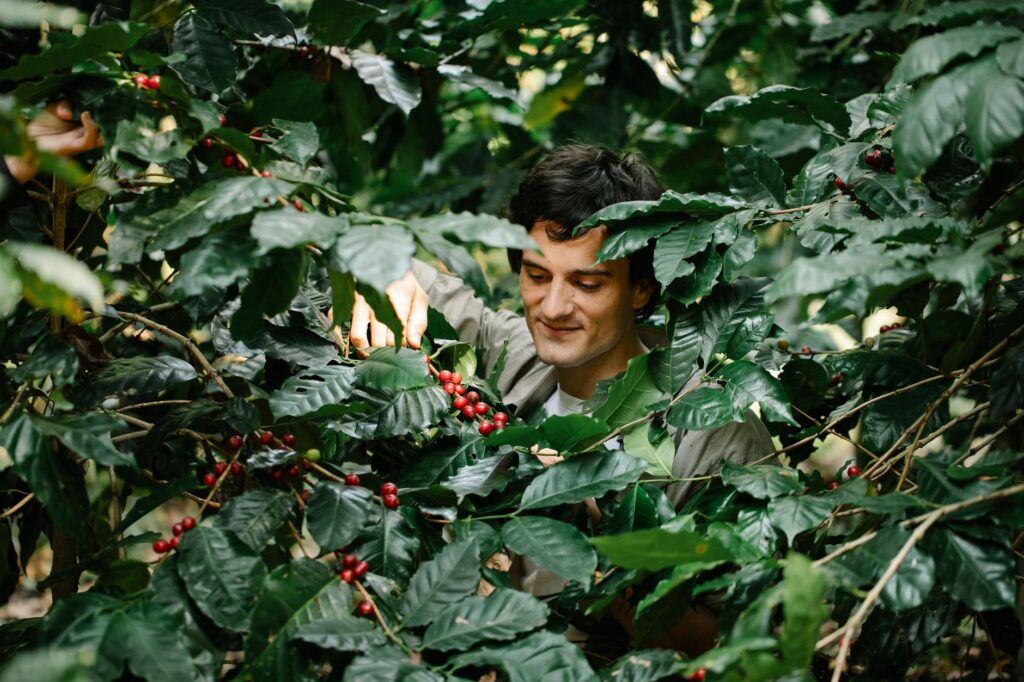
The train did not merely transport sacks of coffee to world ports; it unified the Andean territory and sowed the foundations of a modernity forged among unyielding mountains.
Contemporary Connectivity and Sustainable Tourism
In the current tourism scenario, the revaluation of old railway routes represents a fundamental pillar for diversifying the offering of interior destinations. Contemporary travelers seek authentic experiences that combine industrial history with environmental preservation and respect for host communities. In this sense, tourism mobility projects based on the reuse of historical infrastructure demonstrate that it is possible to stimulate the local economy without compromising the fragile ecology of high-Andean ecosystems.
Alliances between tour operators, regional authorities, and agricultural cooperatives have made it possible to structure integrated routes that include heritage rail transport, guided tours of organic coffee farms, and stays in community-based rural lodgings. This regenerative approach ensures that tourism acts as a cultural and economic preservative, guaranteeing that the railway’s legacy continues to generate value and pride for the populations inhabiting the mountain slopes.
Practical guide
How to get there: The main access to the coffee region is via El Edén International Airport in Armenia or Matecaña International Airport in Pereira, both offering frequent domestic connections and direct international flights from Miami and Panama City.
When to travel: The months from December to February and July to August offer the driest periods, ideal for outdoor activities and panoramic rail tours without rain interruptions.
Local logistics: To travel along the restored railway sections and coffee production areas, hiring specialized transport services or joining certified local operators who manage access to historic stations is recommended.

Requirements and health: No special vaccinations are required to enter the Andean coffee zone, though adequate sun protection, mountain footwear for hikes, and light clothing with a waterproof garment for sudden weather changes are advised.
Cultural etiquette: When visiting estates and local communities, respect for agricultural labor schedules and purchasing coffee directly from local producers to support fair-trade economics is highly valued.
Epilogue Among Mist and Rails
When evening begins to descend over the Andean slopes and the mist envelops the century-old metal bridges, the landscape recovers a reverential silence that seems to suspend time. The steel rails, polished by the nostalgic friction of wheels and mountain moisture, continue to trace an indelible line between Colombia’s industrial past and sustainable future. In every cross tie rests the memory of a nation that dared to defy the verticality of its own land to show the world the unmistakable aroma of its endeavor.