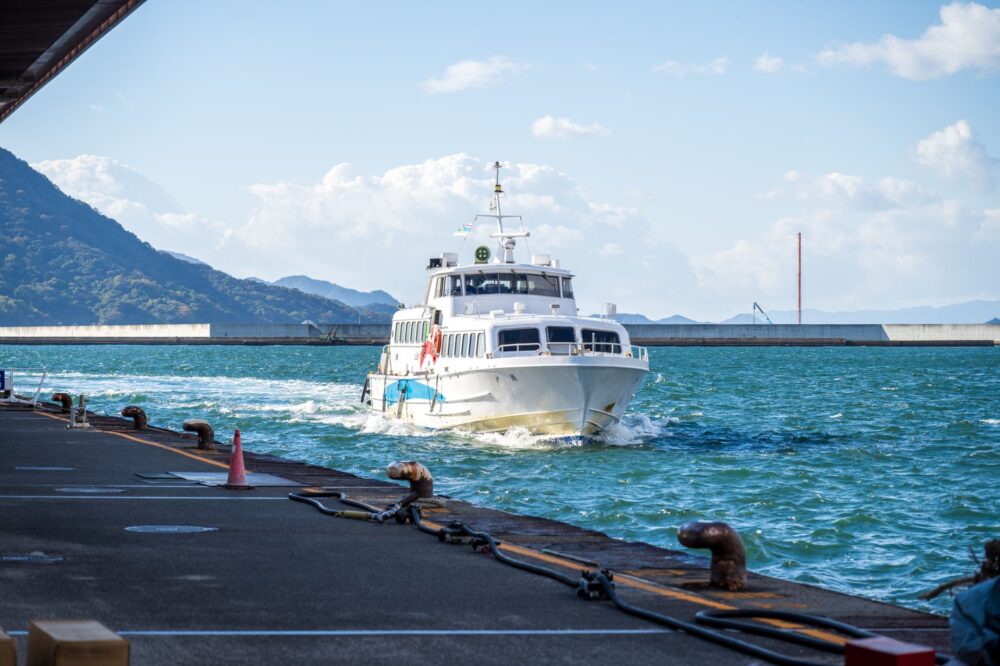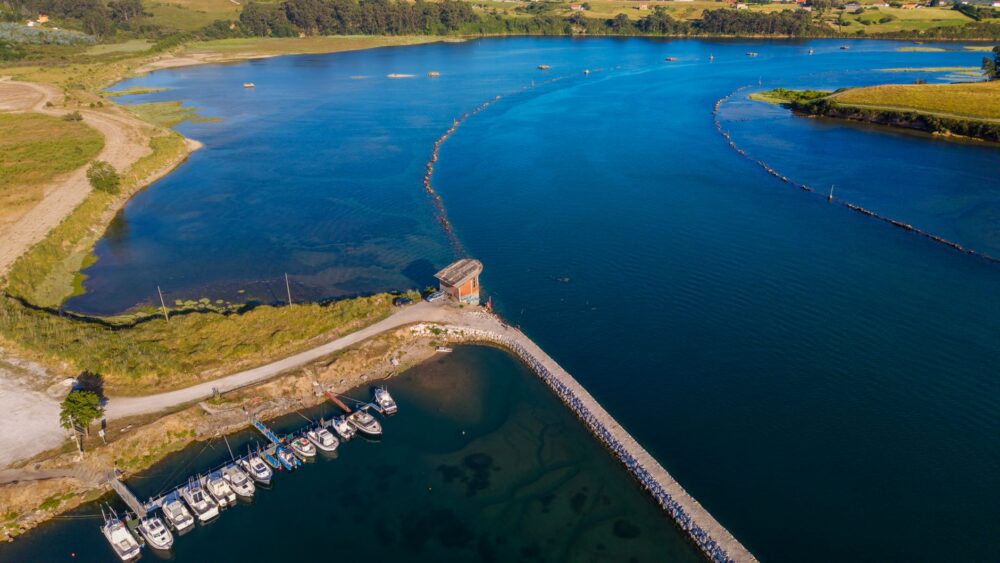

Eight hundred kilometers east of the South Island coast of New Zealand, amidst the cold and storm-tossed waters of the South Pacific, lies the Chatham archipelago. Comprising primarily two inhabited islands, Chatham and Pitt, this geographical outpost represents one of the most fascinating and complex logistical challenges in the southern hemisphere. Here, mobility is never simply a matter of tourist convenience or commercial optimization; it is a fragile umbilical cord that keeps a population of just over six hundred residents connected to the rest of the planet, constantly weathering western gales and the vastness of the open ocean.
The isolation of the Chathams defines every facet of daily life and demands a transport system deeply adapted to extreme conditions. Infrastructures do not adhere to metropolitan standards, but rather to an engineering of endurance where every gram of incoming cargo and every passenger crossing sea or air depends on a meticulous synchronization of meteorology, seamanship, and bush aviation. This report examines the intermodal network sustaining this remote territory, breaking down maritime routes, turf airstrips, and the socio-economic impact of relying on such a fine thread in the middle of the ocean.
The Geography of Isolation and Oceanic Dependence
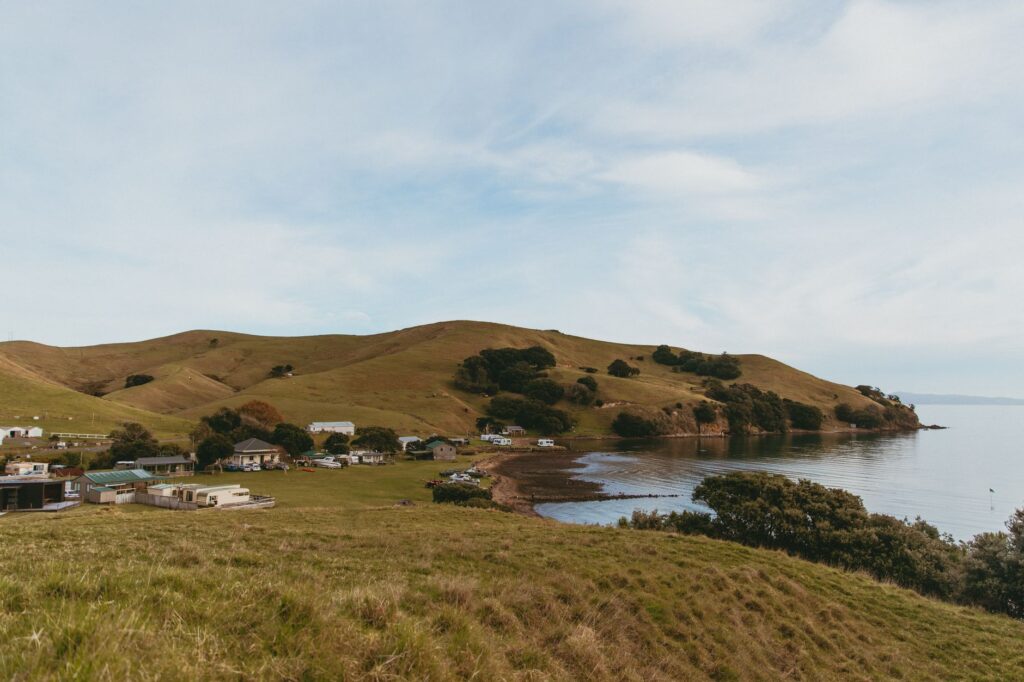
To understand the Chatham transport system, one must first examine its cartography. The archipelago consists of the main Chatham Island—also known as Wharekauri—and the smaller Pitt Island, separated by a narrow marine channel known as Pitt Strait. Internal and external communications are conditioned by rolling hills, vast inland lagoons such as Te Whanga, and peat bogs covering a large portion of the surface. Historically, this morphology prevented the development of extensive paved road networks, relegating terrestrial mobility to a network of gravel tracks requiring four-wheel-drive vehicles and experienced driving.
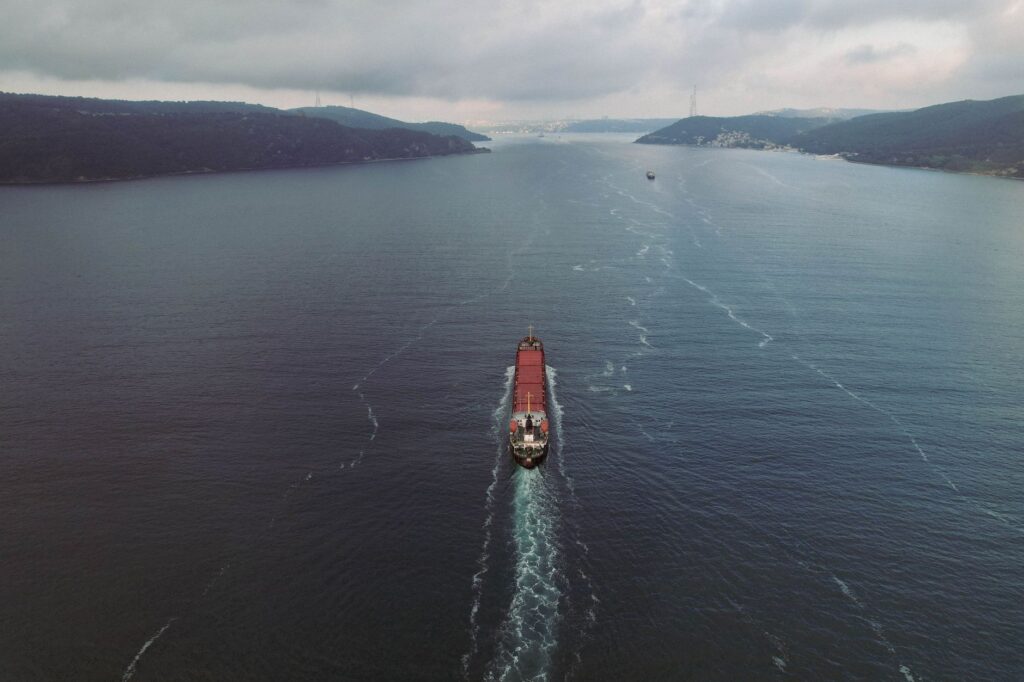
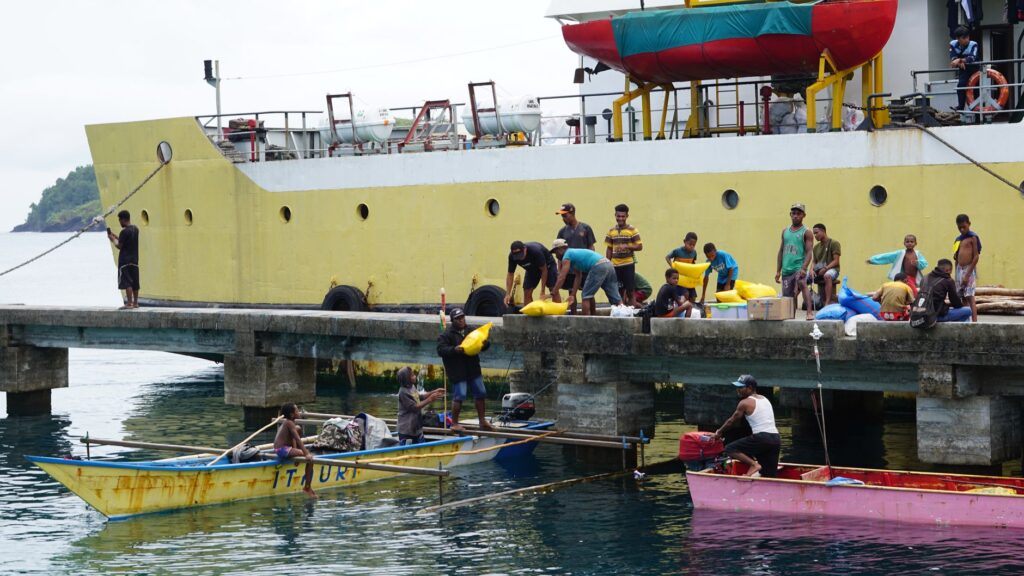
In this scenario, sea and air are not alternative choices, but interdependent vital elements. External connection relies primarily on two pillars: heavy cargo shipping and passenger and perishable transport by air. However, the lack of deep-water natural ports in the Chathams has historically posed a major obstacle. Cargo vessels cannot dock at conventional protected piers, forcing complex transfer maneuvers in open bays or via auxiliary crane and lighter systems whenever wave conditions allow.
The Routes of Supply Schooners and Lighters
The regular supply of fuel, construction materials, machinery, and non-perishable food depends on the periodic arrival of cargo vessels chartered from the New Zealand ports of Timaru or Lyttelton. These ships, specifically designed to withstand sub-Antarctic seas, operate under absolute meteorological tyranny. An unforeseen storm in the Pacific Ocean can delay the crossing for days, disrupting local inventories and testing community resilience.
Port operations in Waitangi, the main settlement on Chatham Island, are an exercise in maritime precision. Tides, crosscurrents, and gale-force winds turn container offloading into a high-risk task. The crews of these vessels and local port workers collaborate closely, seizing weather windows that sometimes last barely a few hours. This supply model, although costly and prone to frequent interruptions, remains the only viable path to sustain an island economy based on commercial fishing, high-quality sheep and cattle farming, and specialized tourism.
Tuainuku Aerodrome and the Challenges of Southern Aviation
If the sea secures volume, the sky guarantees speed and medical urgency. Air transport in the Chatham Islands has evolved from risky landings on hard-sand beaches to the consolidation of specialized airport infrastructure. Tuainuku Airport, located on Chatham Island, features a paved runway accommodating commercial turboprop aircraft, connecting the archipelago with mainland hubs such as Christchurch, Wellington, or Napier.
Yet flying to the Chathams is far from a predictable routine. The archipelago’s climate is notoriously volatile: dense fog banks, high-intensity crosswinds, and persistent precipitation frequently force flight cancellations or diversions at the last minute. Airlines operating these routes must deploy aircraft equipped with advanced avionics and captains with extensive experience in oceanic runways and low-visibility conditions. For residents, an airline ticket is not merely a transport title, but a reservation subject to the ultimate authorization of natural elements.
Internal Connectivity and the Leap to Pitt Island
Mobility within the archipelago presents equally unique challenges. Traveling between Chatham Island and Pitt Island requires navigating Pitt Strait, a body of water known for treacherous currents and heavy swells. Although authorized launch services exist for light cargo and intrepid passengers, the most common method of crossing between the islands is light aviation via short takeoff and landing bush planes.
These small aircraft operate on grass and peat strips on Pitt Island, where terrain maintenance demands constant effort from local inhabitants. Accumulated moisture and seasonal shifts transform these strips into delicate surfaces requiring thorough inspections before every flight. This internal air transport micro-system is indispensable not only for Pitt Island’s sparse population, but also for livestock transport and the management of natural reserves protecting endemic seabird species.
Distance in the Chathams is not measured in kilometers, but in the patience required to wait for the wind to drop and the ocean to clear a path.
Terrestrial Infrastructure and the Four-Wheel-Drive Culture
Once on solid ground, the Chatham road network reflects the territory’s human and economic scale. Of the hundreds of kilometers traversing the main island, only a minor fraction is paved, concentrated around Waitangi and the airport. The remainder consists of volcanic gravel tracks and packed earth paths winding through hills and wetlands.
This road reality has forged a distinct automotive culture, where four-wheel drive is an irreplaceable working tool. Daily commutes require caution regarding loose livestock, unbridled water crossings, and stretches where mud can immobilize any conventional passenger car. Local authorities continuously invest in maintaining these routes, though the scarcity of suitable local materials and high mainland transport costs limit options for widespread asphalt paving.
Sustainability and the Future of Island Transport
Looking toward coming decades, the Chatham archipelago faces a critical dilemma: how to modernize transport infrastructure without compromising the fragile ecology and isolated lifestyle defining its identity. Discussions over upgrading port facilities and improving the energy efficiency of transport fleets inevitably clash with high economic costs and environmental impact assessments.

The transition toward cleaner fuels and the digitalization of logistics management are beginning to gain traction on the local agenda. Reducing the carbon footprint of a system so reliant on imported diesel is a priority to mitigate climate change effects in a territory highly exposed to sea-level rise and intensifying oceanic storms. Sustainability is thus no longer merely an ecological choice, but an essential condition for the long-term survival of island connectivity.
Practical guide
Planning a trip or research journey to the Chatham Islands requires unusual logistical rigor that differs entirely from conventional tourism.
How to get there: Regular commercial flights are primarily operated by Air Chathams from New Zealand airports such as Christchurch, Wellington, and Auckland. Booking months in advance is mandatory, and travelers must always allow a multi-day buffer in their itinerary for potential weather cancellations.
Internal transport: The best option for touring Chatham Island is renting a 4×4 vehicle through accredited local operators. Driving conventional passenger cars on secondary tracks is strictly discouraged.

Pitt Island connection: Charter flights in light aircraft depend entirely on grass runway conditions and wind speeds. Bookings must be managed directly with authorized local agencies in Waitangi.
Luggage and supplies: Weight restrictions on internal and external flights are strict due to aircraft capacity. Travelers should pack waterproof technical clothing and footwear suitable for muddy terrain.
Dusk over Waitangi Bay stains the ocean a deep coppery hue, reflecting off the metal hull of the supply schooner waiting for high tide to empty its holds. In that moment of stillness, when the wind subsides and the horizon merges into a single grey line, the Chatham Islands reveal their true condition: an untamed refuge where humans survive not by dominating nature, but by learning to synchronize with its relentless, solitary rhythm.