
Introduction to the Atlantic Outpost of Cornwall
Forty-five kilometers off the rugged coast of Land’s End in southwest Britain, the Isles of Scilly represent one of the most fascinating logistical challenges in Atlantic Europe. This insular cluster, comprising five inhabited islands and dozens of granite islets battered by marine currents, depends entirely on an intermodal transport network as delicate as it is vital. For residents and the few travelers seeking its tranquility, moving between islands and connecting with the mainland is not a simple commute, but an exercise in patience, tidal synchronization, and absolute respect for the unpredictable weather of the English Channel and the open ocean.
Scilly’s connectivity does not rest on impersonal mega-infrastructure, but on an amalgamation of traditional services and cutting-edge technology ranging from historic passenger ferries to modern helicopter links and fixed-wing aircraft. This report examines the mechanical and human arteries keeping this island outpost alive, revealing how geography conditions every departure, every cargo haul, and every operational decision in a territory where the climate sets the rules of the game.
The Maritime Artery: The Scillonian III and the Challenge of Tidal Piers
During the spring and summer months, the vessel Scillonian III becomes the most recognizable symbol of the connection between the Cornish port of Penzance and the harbor of St. Mary’s in Scilly. Operated by the Isles of Scilly Steamship Group, this passenger ship makes a three-hour crossing across the notorious waters of Wolf Rock. However, operating at these latitudes requires marine engineering adapted to extreme tides. The harbors of St. Mary’s and Penzance experience water level variations exceeding six meters, making conventional docking impossible during low tide.
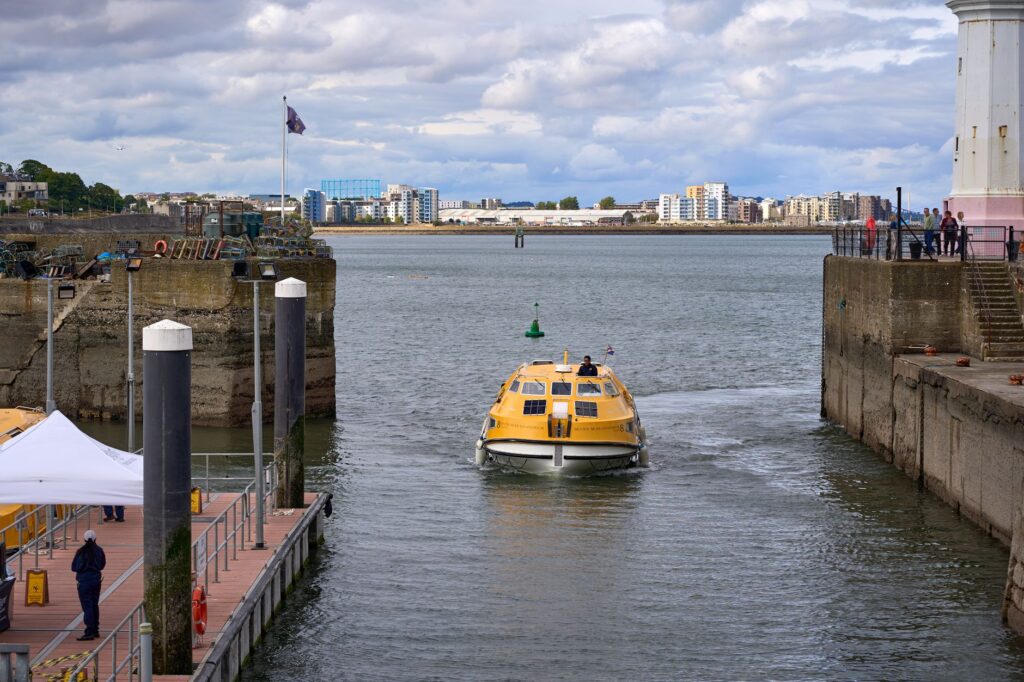
Loading and unloading basic supplies—from fresh food to fuel and mail—relies on specialized port cranes and millimeter precision in departure schedules. On days when the Atlantic swell pushes massive waves toward the harbor entrance, the crew must rigorously evaluate docking viability, turning each sea crossing into a demonstration of seafaring expertise against the relentless force of the ocean.
Skies of Mist: Helicopters and Short-Haul Aircraft
When the sea becomes impassable or medical urgency demands immediacy, the sky becomes the sole avenue of salvation and communication. Air transport to the Isles of Scilly traditionally splits between helicopter service departing from Penzance and fixed-wing aircraft operating from Land’s End and Newquay airports to the paved runway at St. Mary’s. This runway, situated on a plateau exposed to crosswinds, is famous for its vulnerability to the sea fog banks characterizing the region.

Pilots operating this route must hold special certifications to fly under visual and instrument flight rules in reduced visibility. Last-minute cancellations due to fog are frequent, forcing passengers to maintain absolute flexibility in their itineraries. Technological reliance on satellite approach systems has substantially improved reliability over the past decade, but nature continues to assert authority over the cockpit.
Fog in Scilly is not merely a weather phenomenon; it is an invisible barrier instantly redesigning island economics and isolating the archipelago from the rest of the world within minutes.
Insular Micromobility: Tidal Boats and Agricultural Tractors
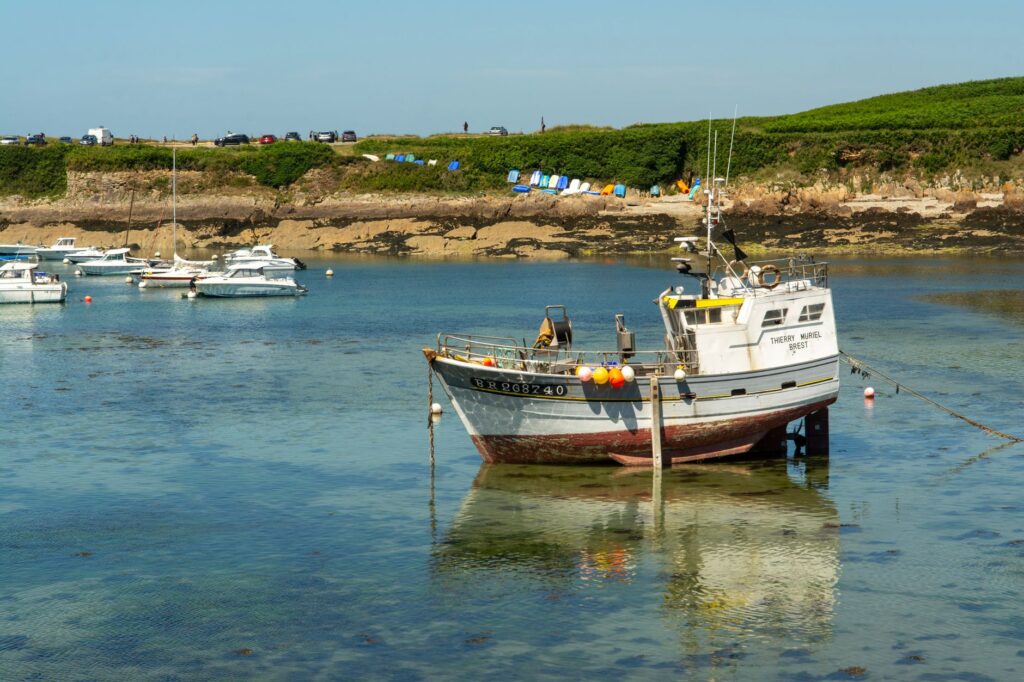
Once reaching the main island of St. Mary’s, the challenge for traveler and resident continues if final destinations lie on the smaller islands: Tresco, St. Martin’s, Bryher, or Agnes. At this level of the intermodal network, large motor vehicles disappear to make way for a fleet of tidal boats, locally known as inter-island launches. These vessels operate on schedules changing daily according to tide tables, as many island piers dry out completely into mud and sand during low tide.
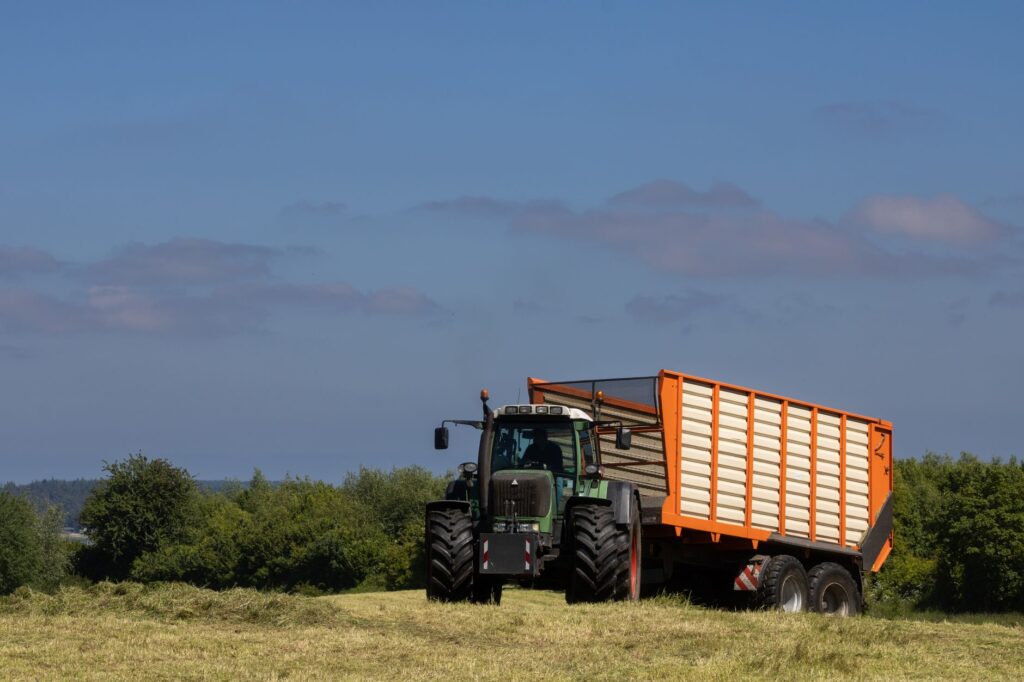
On islands like Tresco and Bryher, heavy luggage and bulky cargo transport is entrusted to agricultural tractors equipped with special trailers. These vehicles navigate narrow unpaved tracks and white sand beaches, offering a charming yet strictly functional sight. The near-total absence of private cars on smaller islands underscores a sustainable mobility model out of necessity, where pedestrian priority and respect for the fragile dune ecosystem remain undisputed norms.
Invisible Logistics: Supply Chains and External Dependency
Behind the idyllic landscape of turquoise beaches and subtropical gardens lies a complex supply chain supporting a permanent population of just over two thousand, tripling during peak tourist season. Everything consumed on the islands—from construction materials to pharmaceuticals and propane gas—must transit through this intermodal bottleneck. The cargo vessel Gry Maritha, operating year-round without interruption, serves as the true economic lung of the archipelago.
Any mechanical breakdown on this ship or prolonged storms keeping the fleet docked for days trigger immediate alerts on local store shelves. This logistical vulnerability has sparked recurrent debates on the need to diversify supply routes and update port infrastructure, balancing respect for historic maritime heritage with 21st-century efficiency demands.
Ensuring the survival of an isolated island community requires a millimeter balance between maritime tradition and adaptability amid global logistical crises.
Medical Emergencies and Evacuations: The Healthcare Umbilical Cord
One of the most critical aspects of the transport system in the Isles of Scilly is medical emergency management. Lacking a high-complexity hospital on the archipelago, major surgery, complicated childbirth, or severe accidents require urgent evacuation to mainland Cornwall hospitals, primarily in Truro.

This healthcare umbilical cord coordinates maritime rescue services, the coastguard, and medicalized helicopters or liaison planes around the clock. Crew and medical staff operate under constant pressure, knowing weather-related delays can compromise patient survival. This rapid response system proves Scilly connectivity is not merely touristic or commercial, but a matter of fundamental human security.
The Future of Connectivity: Energy Transition and Sustainability
Over the coming decade, the Isles of Scilly transport system faces its biggest structural transformation since the advent of commercial aviation: fleet decarbonization. Local authorities and operators are studying hybrid or fully electric vessels for inter-island routes, alongside airfield modernization to accommodate lower-noise, low-impact aircraft.
The challenge lies in protecting the delicate ecological balance of the marine biosphere surrounding the archipelago without losing robustness against North Atlantic strikes. Residents actively participate in these debates, demanding technological innovation respect the identity and unhurried rhythm defining Scilly’s character against continental haste.
Practical guide
Planning a trip to the Isles of Scilly requires rigor and flexibility due to absolute reliance on climatic and maritime factors.
- How to get there: The Scillonian III ferry operates from Penzance between March and November (crossing takes 2 hours 45 minutes). Helicopter flights from Penzance and fixed-wing flights from Land’s End operate year-round, subject to weather conditions.
- When to go: May to September offers the most stable weather and highest frequency of sea and air services.
- Internal transit: Inter-island launches connect St. Mary’s with Tresco, St. Martin’s, Bryher, and Agnes. Schedules change daily based on tides; consult local harbor noticeboards.
- Accommodation and supplies: Advance booking months ahead is essential, especially in peak season. Carry sufficient cash, although most establishments accept cards.
- Safety tip: Always purchase travel insurance covering weather-related cancellations and transport connection delays.
Atlantic Epilogue
As the sun begins to sink over the horizon of the Isles of Scilly, turning granite into golden hues and reflecting off the crystal waters of the channel, harbor bustle subsides. In that quiet moment, the visitor grasps the true dimension of this Atlantic outpost. Far from a mere vacation destination, the archipelago reveals itself as a human ecosystem where resilience, respect for the elements, and community solidarity rest upon a fragile yet tenacious transport network. The boats moored after the final tide and the airfield lights blinking in the dusk are nothing less than the steady pulse of an insular world refusing, come wind and high water, to lose its connection to the horizon.