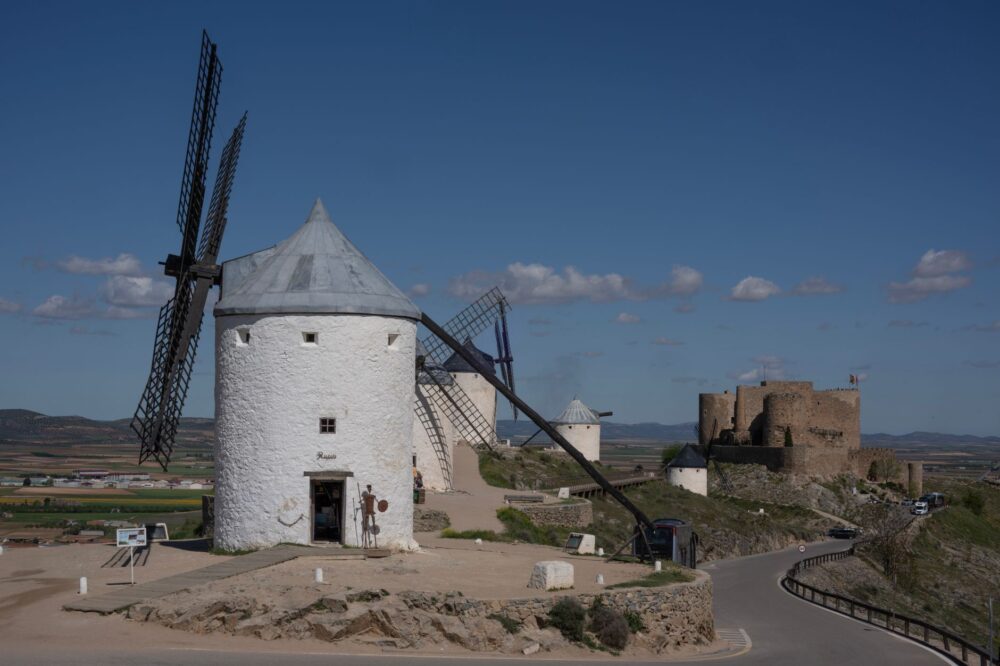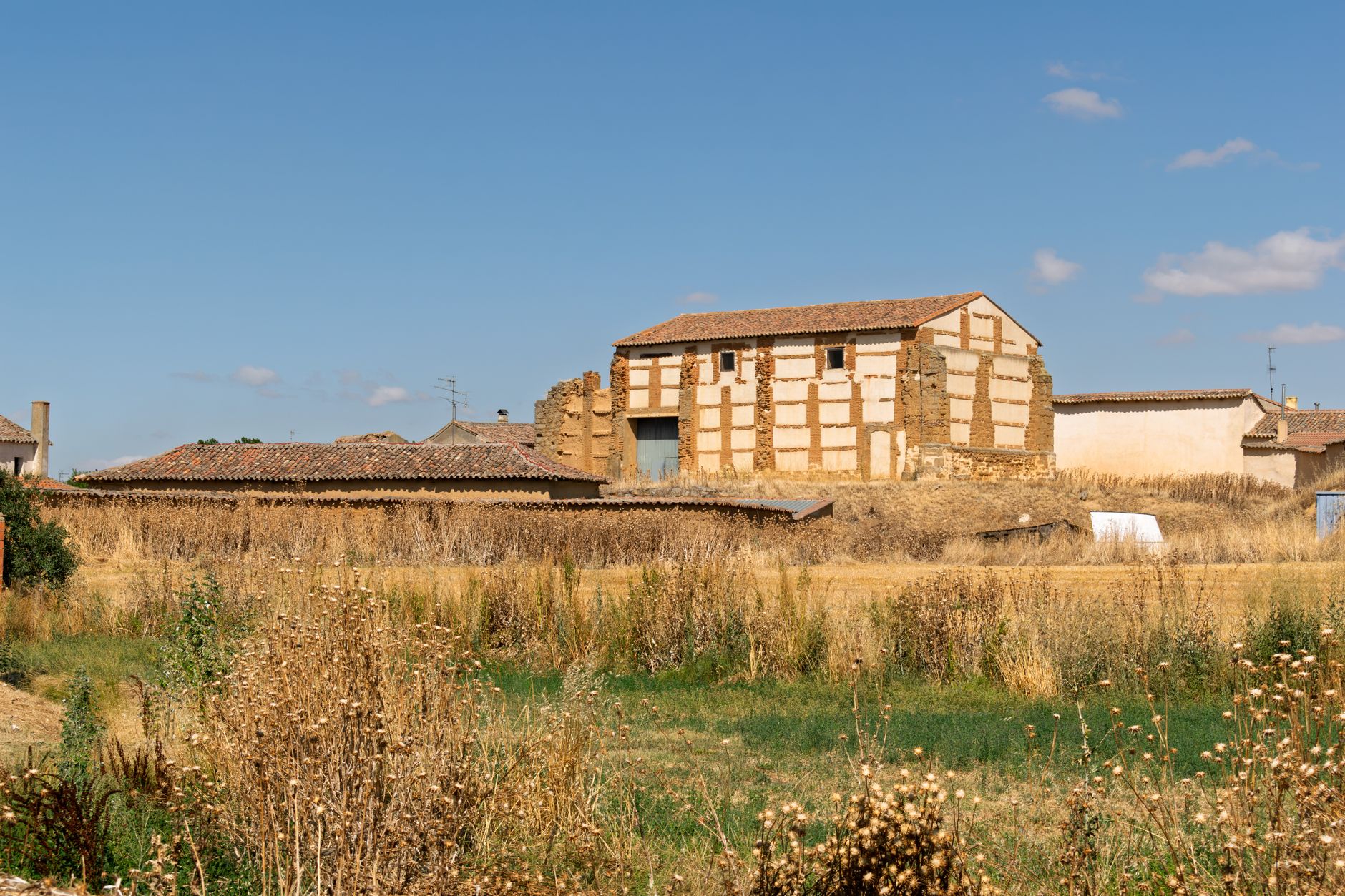

The Roots of a Millennial Larder Sculpted in Stone
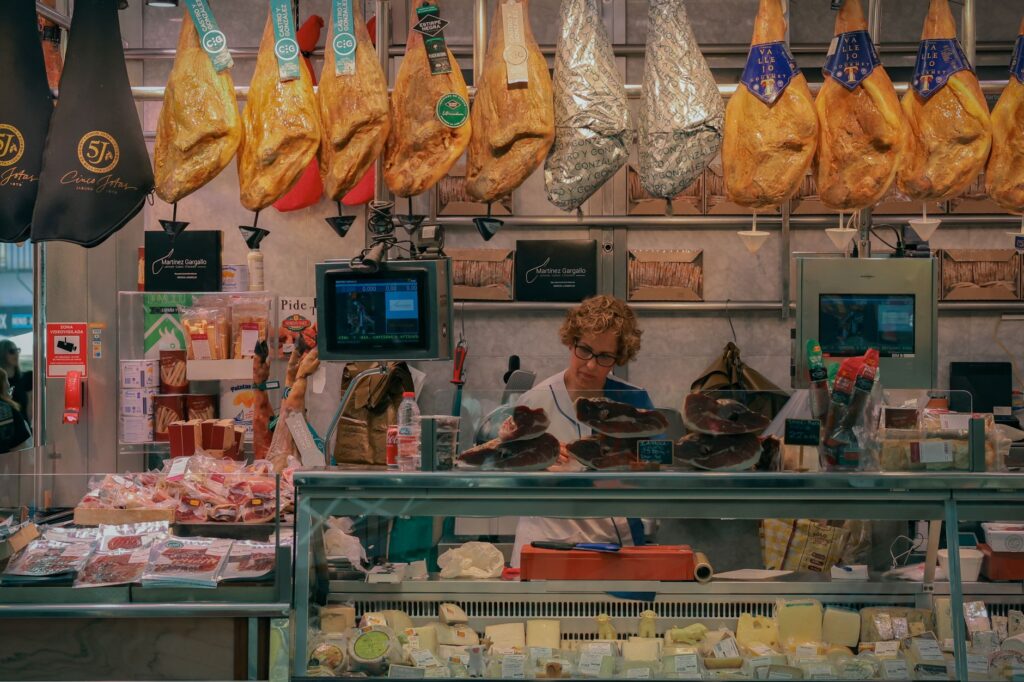
Toledo is far more than a layered postcard of ancient walls, bell towers, and synagogues carved directly into the granite cliffs of the Tajo River; above all, it is a table where time is chewed slowly. Beneath the tufo stone and the cheerful bustle of tourist-filled alleys beats a daily pulse that finds its most honest shelter under the iron-and-glass roof of the Central Market. Here, the imperial city sheds the solemnity of its monuments to surrender to the trade of cured meats, Manchego sheep’s milk cheese, and legumes that endure the harsh thermal swings of the plateau. This is no mere supply hub, but a living archive preserving the gestures of a cuisine shaped by Romans, Visigoths, Arabs, and Sephardic Jews—all forced to negotiate with an unforgiving soil that was generous only to those who respected its limits.
Stepping into the market’s perimeter in the early morning means witnessing a choreography invisible to the hurried traveler. Delivery vans unload crates of red partridge hunted in the nearby hills, bunches of wild herbs destined to flavor game stews, and cuts of milk-fed lamb whose rich fat perfumes the air even before the stalls roll up their metal shutters. This dense, almost liturgical atmosphere is an indispensable prologue to understanding the cooking of a province where produce has never needed artifice. Secular scarcity compelled Toledans to master the art of resourcefulness, turning breadcrumbs, garlic soups, and game ragouts into monuments of peninsular gastronomy.
The Architecture of Provision and the Geometry of Encounter
Inaugurated in the early 20th century, the Central Market building responds to the hygienic, functional fever that transformed European urban centers during that era. Its cast-iron framework and broad windows provided ventilation for a space designed to tame the chaos of the old street stalls that once clogged Zocodover Square and its surroundings. Today, walking its aisles is like tracing a human map where fourth-generation market vendors rub shoulders with a new wave of shoppers seeking absolute traceability. The white marble counters, polished smooth by decades of knives and expert hands, display a shifting bounty that moves in rhythm with the Castilian thermometer.
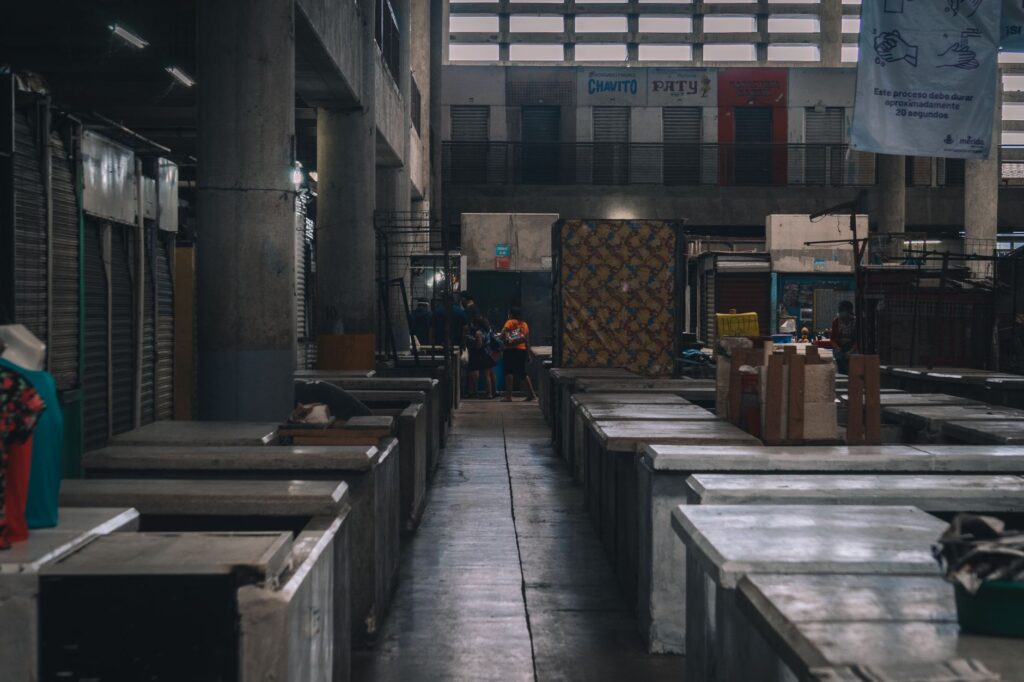
In the butchery wing, the cuts reveal an animal culture that wastes no single fiber. Pig trotters, lamb livers, and tripe coexist with noble cuts destined for slow roasting. Nearby, fine offal stalls converse with traditional pickle shops, where Almagro eggplants—crunchy, vinegared, and pierced with a toothpick to lock in the cumin—share space with pickled garlic and Cornicabra olives, a native variety that endows the surrounding landscape with its twisting, gray-green canopies.
The market is not a showcase for nostalgic tourists, but the final stronghold where food retains its proper name and native geography.
La Sagra and the Dry-Farmed Fields: The Origin of Sustenance
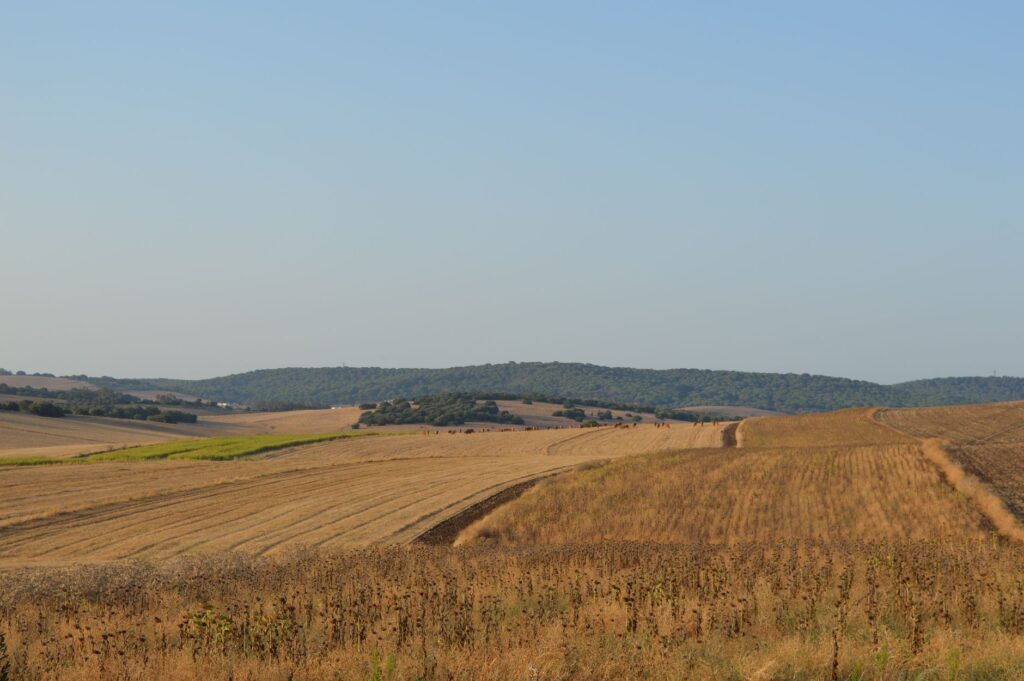
If the market is the heart pumping these flavors, the region of La Sagra and its surrounding countryside represent the arteries that nourish them. Situated north of the province, this rolling clay-and-cereal plain has historically served as Toledo’s granary. Here, hard wheat and barley sketch a landscape of sweeping horizons that turn a toasted golden hue in summer and slip beneath a low winter fog that freezes the olive trees. It is in this territory that the Toledo chickpea is cultivated—a medium-sized variety with a thin skin and buttery texture that requires no lengthy soaking to achieve perfection in the earthen pot.
Just a few kilometers away, the vineyards climbing toward the Montes de Toledo and the La Jara district provide a fundamental liquid dimension. The Airén and Tempranillo varieties, adapted over centuries to water scarcity, yield robust wines with generous alcohol content and firm tannins, originally conceived to accompany the grueling workdays in the fields. Today, a new generation of winemakers is rescuing old bush vines, committing to minimal intervention in the cellar to bottle the mineral identity of a soil rich in limestone and rounded river stones.
The Art of the Stew: The Alchemy of Game and Saffron
To speak of Toledan gastronomy without mentioning game is to ignore the soul of its recipe book. The market ledges and the kitchens of local taverns surrender each autumn to red deer, roe deer, hare, and above all, red partridge. This bird, raised in the small-game preserves of the province, possesses a muscular firmness that demands long cooking times to yield its tenderness. The quintessential flagship dish, braised or escabeche-style partridge, encapsulates local culinary philosophy: wine vinegar, extra virgin olive oil, onion, whole cloves of garlic, black peppercorns, and bay leaves. Nothing more, and nothing less.
The balance of this escabeche relies on patience and the quality of the oil, which must emulsify naturally with the meat juices and vinegar to create a dense, unctuous sauce capable of keeping for weeks in traditional glazed clay jars. Adding to this game-driven display is the discreet yet irreplaceable presence of La Mancha saffron, the red gold sold in sparse threads within tiny wooden boxes that endows field rice dishes and poultry broths with that amber hue and unmistakable aroma evoking the markets of al-Andalus.
Convent Pastries and Quiet Sweetness
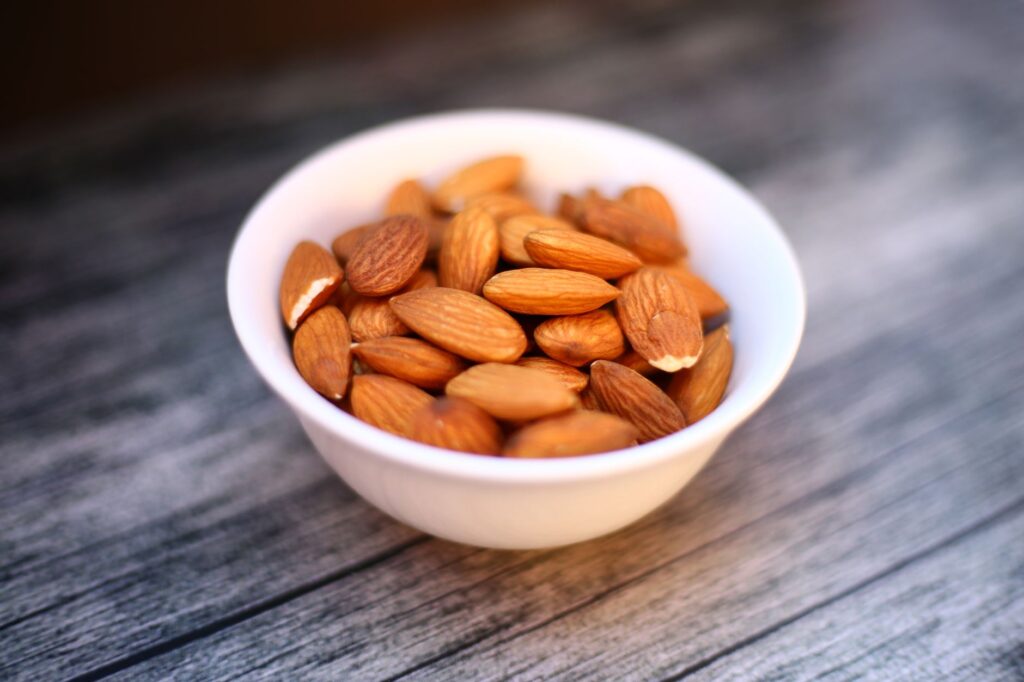
Toledo’s cloistered convents have spent centuries acting as guardians of a pastry-making heritage that survives entirely apart from commercial fashion trends. Behind the wooden turning boxes of convents such as San Clemente or Santa Isabel, nuns continue to craft sweets whose recipes trace their lineage back to Golden Age cookbooks. Toledo marzipan, composed exclusively of raw Marcona almonds and ground sugar in equal parts, is far more than a Christmas gift; it is a genuine piece of edible engineering requiring meticulous manual molding.
At the Central Market, select stalls offer fragments of this monastic confectionery alongside *mantecadas*, anise rings, and *mostachones*. The texture of authentic Toledo marzipan must be compact yet melt instantly upon the palate, free of any artificial additives. This respect for elemental raw material—the almonds of the dryland fields and pure sugar—symbolizes the resilience of a monastic kitchen that turned fasting and austerity into a form of high spiritual cuisine.
Eating in Toledo is accepting a truce with time, a silent pact where every bite pays tribute to the stone and the struggle to survive upon the plateau.
Practical guide
How to get there
Toledo is located just 33 minutes from Madrid thanks to high-speed Avant trains departing daily from Atocha station. For those traveling by private vehicle, the A-42 highway connects both cities in roughly one hour. Toledo’s bus station is a fifteen-minute walk from the escalators leading up to the historic old town.
When to go
The autumn months (October and November) and spring (April and May) offer the most pleasant temperatures for exploring the city on foot, coinciding with the game hunting season and garden harvest peaks. Winter, though crisp on the plateau, provides a sheltered, quiet atmosphere ideal for enjoying slow-cooked spoon dishes in traditional taverns.
Where to shop and eat
The Central Market (Plaza de los Mostenses / Cuesta de Carlos V) is open Monday through Saturday during morning hours (8:00 AM to 2:00 PM). To acquire certified local goods, visitors should seek out specialized stalls offering DOP Manchego cheese and game-based cured meats. Outside the market, traditional taverns in the Judería and around the cathedral maintain menus rooted in the classic recipes of partridge and fried lamb.
Local etiquette tips
In Toledo’s traditional markets and small neighborhood shops, a polite greeting and direct, unhurried interaction with the vendors are greatly valued. It is customary to ask about the exact origin of seasonal produce before purchasing; merchants are typically delighted to explain the nuances of each legume variety or the curing stage of artisan regional cheeses.
The Echo of the Shared Table
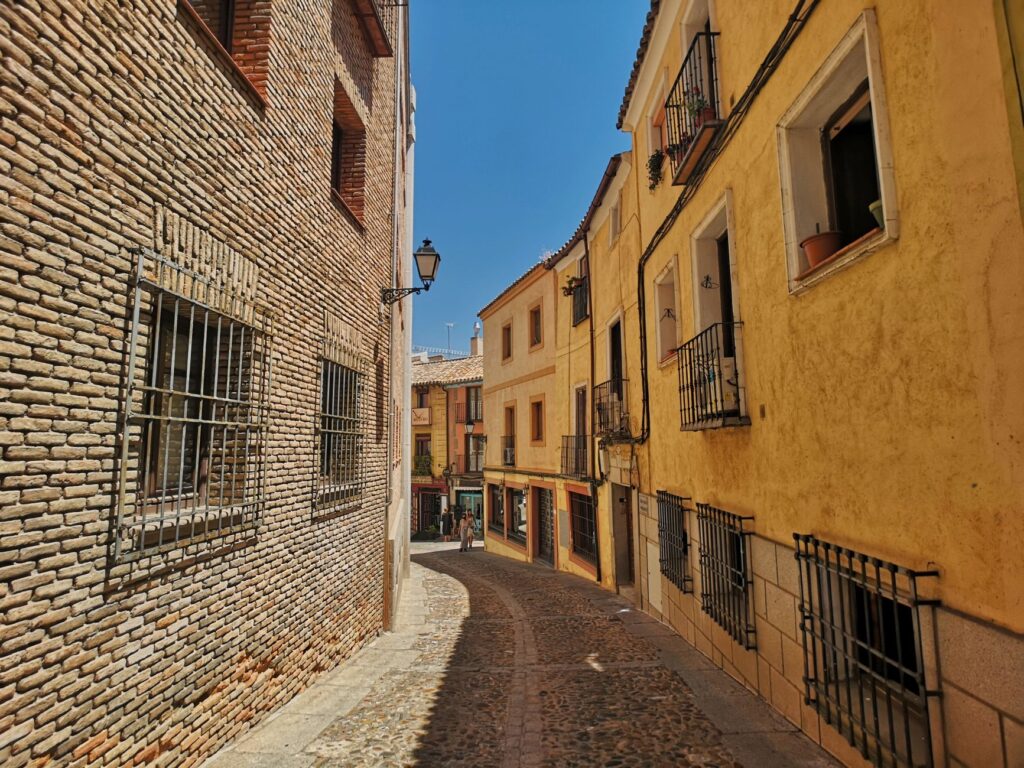
As dusk settles, when tourists leave the walled enclosure and the narrow alleys reclaim their medieval silence, Toledo belongs once more to its residents. The yellow glow of streetlights reflects off damp cobblestones polished by the night dew, and within the kitchens of family homes and local taverns, the slow simmer of tomorrow’s broths reignites. There is no pretense in this daily ritual; it is the serene affirmation that a city is defined not merely by carved stones or museums, but by the invisible fidelity with which its people have preserved the taste of the earth. Sitting down at the table in Toledo is, ultimately, accepting an invitation to join that long chain of memory where past hunger has been transformed, through craft and patience, into a warm refuge against the cold of the open sky.