
The Geography of the Abyss and the Relief Challenge
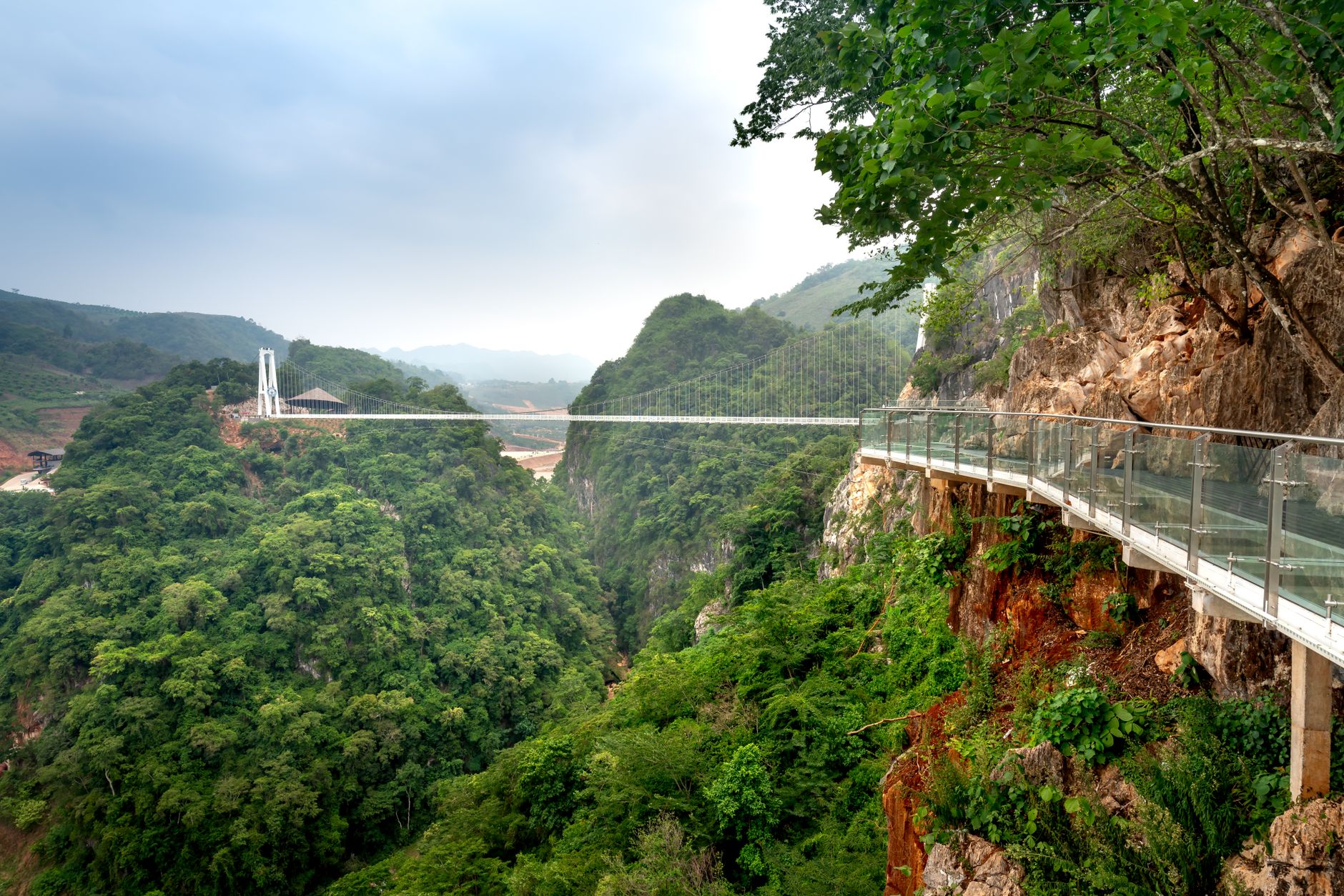
Guizhou province, located in southwestern China, has historically represented one of the most inaccessible territories on the planet. Its terrain is dominated by an extreme karst landscape, where thousands of sharp limestone peaks rise like jagged teeth, separated by deep gorges and subterranean rivers. For centuries, this terrain acted as an insurmountable barrier isolating rural communities, forcing travelers and merchants to navigate winding mule tracks and impossible slopes. The very nature of the land hindered economic and social development, confining inhabitants to a form of geological isolation that seemed impossible to resolve with traditional civil engineering methods.
By the late twentieth century, the need to integrate this vast region into the nation’s economic engine spurred one of the most daring engineering transformations in modern history. Rather than boring endless tunnels or tracing winding roads that multiplied travel times, Chinese engineers chose to fly above the obstacles. The result is a surreal landscape where civil architecture competes in boldness with natural formations, turning what was once an unbridgeable abyss into a high-speed network suspended in the clouds. This technological deployment not only redefined regional mobility but fundamentally transformed the relationship between humanity and the landscape.
The Architecture of Suspended Colossi
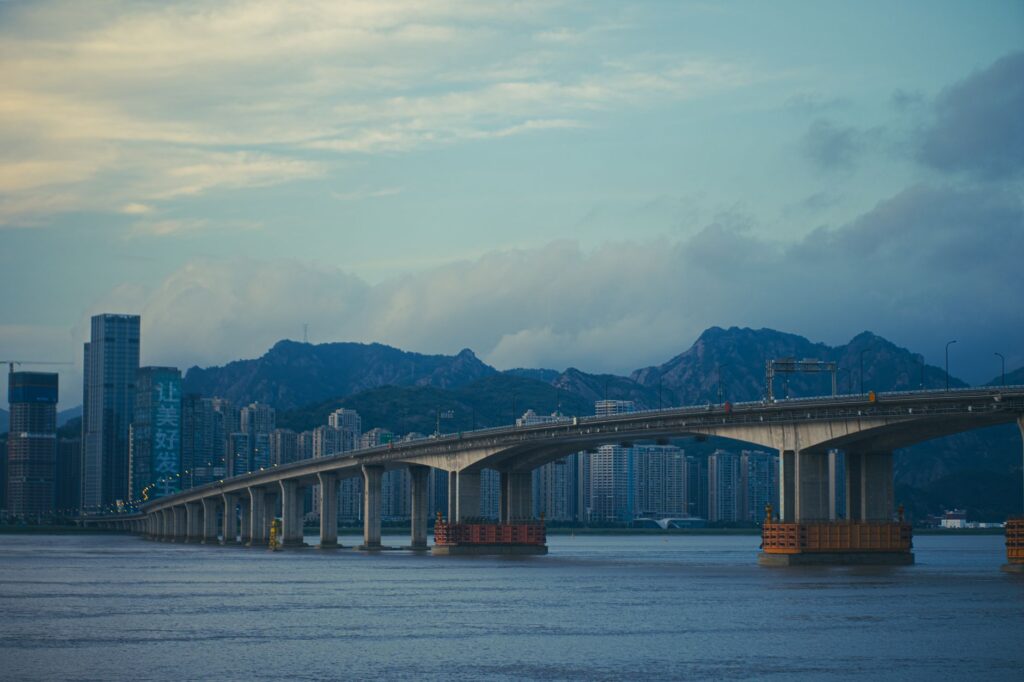
Building bridges in Guizhou means defying the physical limits of materials and the laws of aerodynamics. Unlike major infrastructure erected over plains or estuaries, foundations here must anchor into vertical walls of unstable limestone, exposed to fierce mountain winds and the constant threat of moderate earthquakes. To span gaps frequently exceeding a kilometer in length, engineers have employed advanced technologies such as ultra-high-strength steel towers, prestressed tension cable systems, and aerodynamic box-girder decks that dissipate wind turbulence in deep canyons.
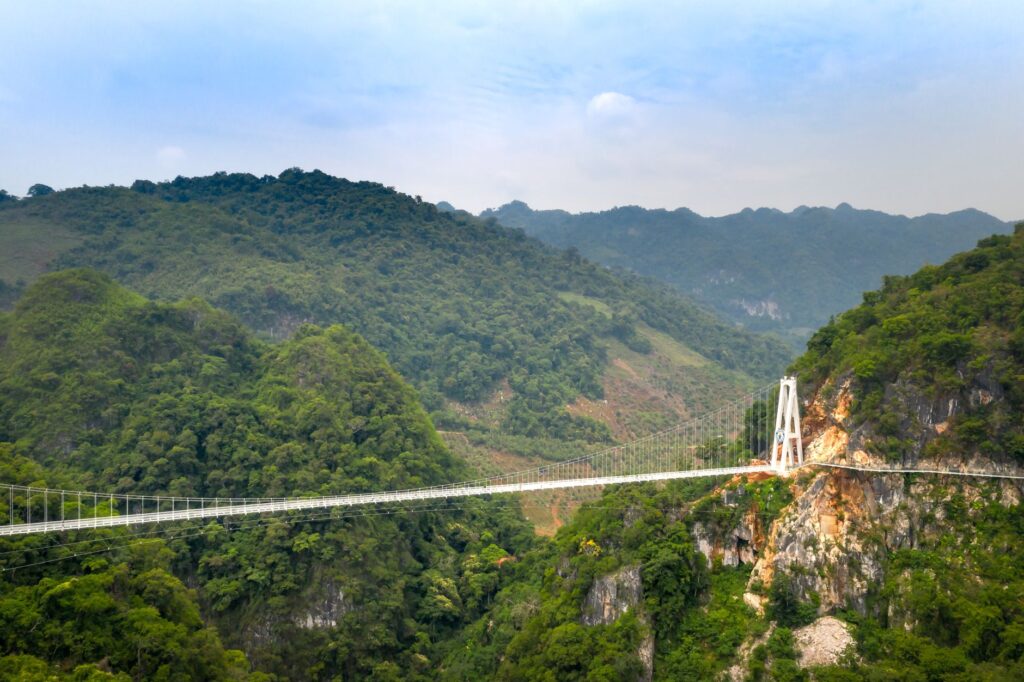
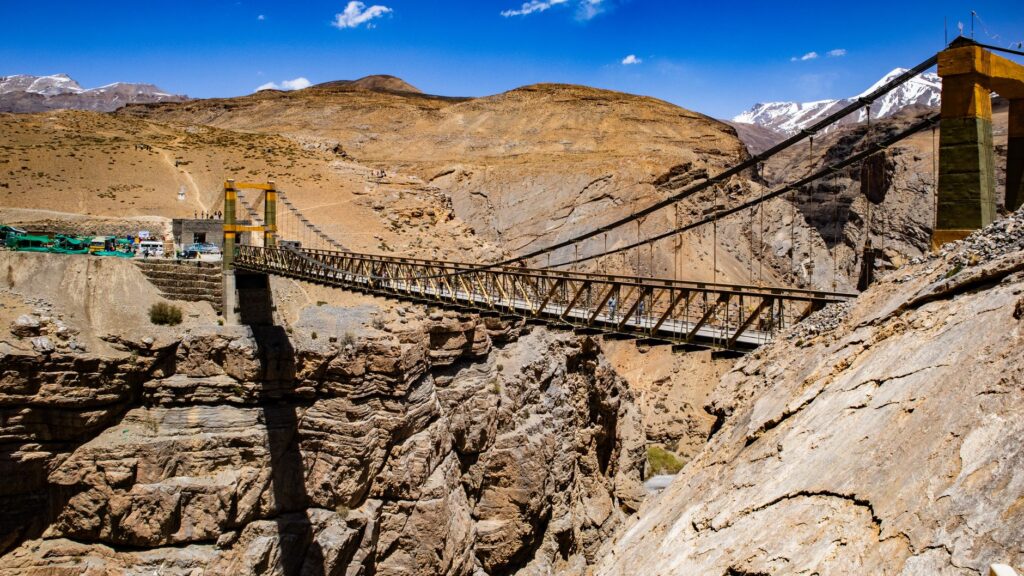
One of the most emblematic milestones of this revolution is the bridge over the Beipanjiang River, a structure rising more than five hundred meters above the valley floor. Its construction required heavy-duty cableways to transport metal components from one bank to the other, avoiding the need for temporary scaffolding over the void. The millimeter precision in assembling these components demonstrated that contemporary engineering could master even the most hostile environments without irreversibly altering the fragile karst ecosystem resting at the bottom of the gorge.
The true measure of progress in high peaks is not how much rock is destroyed, but with how much elegance one manages to float above it.
Beyond purely structural aspects, the design of these highway arteries incorporates real-time monitoring systems using fiber-optic sensors. These devices constantly measure stay-cable tension, steel thermal expansion, and vibration caused by heavy traffic, ensuring the safety of thousands of vehicles crossing daily at high altitudes. The integration of these technologies turns each bridge into a living structure, capable of autonomously adapting to the demanding and severe weather conditions of such a changeable mountain environment.
Socioeconomic Impact on High-Mountain Communities
The deployment of this network of highways and suspension bridges has triggered a profound metamorphosis in Guizhou’s rural communities, traditionally dedicated to low-yield subsistence farming. Before the arrival of these infrastructures, bringing perishable goods such as local tea, wild mushrooms, or traditional handicrafts to market could take entire days across mountain paths rendered impassable during the rainy season. Today, transport times have drastically shrunk, connecting remote villages with major national consumption centers in a matter of hours.
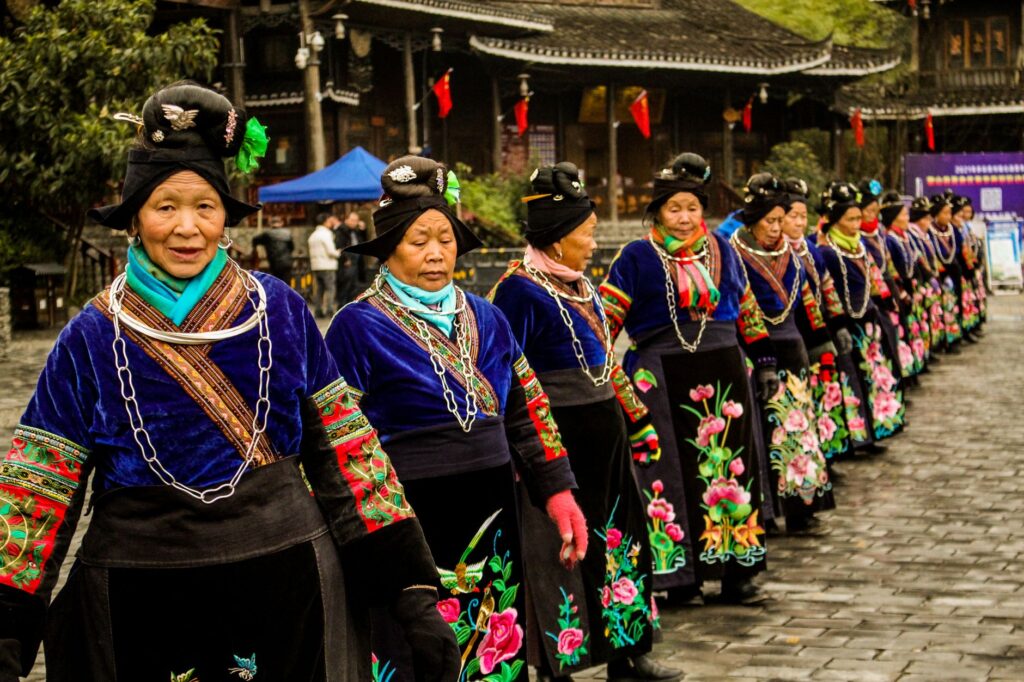
This sudden connectivity has stimulated emerging economic sectors, notably sustainable rural tourism and the valorization of the cultural heritage of ethnic minorities such as the Miao and Dong groups. The opening of these routes has allowed thousands of travelers to access previously forgotten valleys, generating direct income for local economies through traditional lodgings and experiential tourism. However, this process also poses significant challenges in terms of cultural preservation and environmental management, forcing local authorities to balance economic development with the protection of their ancient landscapes.
The Logistics of Maintenance Under Extreme Conditions
Maintaining an operational transport network situated hundreds of meters above unstable terrain represents a titanic logistical challenge that few road agencies worldwide must face on this scale. Road conservation teams in Guizhou operate under extreme weather conditions, where dense fog, winter freezes, and summer storms complicate any inspection work. Operators must regularly traverse the interior of metal decks and climb suspension towers using safety harnesses, checking every weld and bolt for signs of fatigue or premature corrosion.
To optimize these tasks, authorities have incorporated autonomous drones equipped with thermal and high-resolution cameras, capable of detecting micro-cracks in areas difficult to access for the human eye. Prevention has become the guiding principle of road management, minimizing the need for unexpected traffic closures. This rigorously methodical approach ensures that main arteries remain open twenty-four hours a day, consolidating Guizhou’s reputation as a global model of resilience in high-mountain infrastructure.
Road Architecture and the Integrated Landscape
Far from constituting foreign elements that degrade the natural aesthetics of the environment, Guizhou’s large structures have become an inseparable part of the province’s visual landscape. Architects and landscape designers collaborate closely from the initial design phases to ensure the lines of bridges and viaducts harmonize with mountain ridges and river courses. The color of metal structures is typically selected with care to blend with limestone tones and subtropical vegetation, minimizing visual impact in areas of high ecological value.
This dialogue between human work and nature has turned several of these bridges into tourist destinations in their own right, attracting photographers, engineers, and curious travelers from around the world. Viewpoints strategically situated near access points allow visitors to contemplate the scale of the works without interfering with road traffic. The monumentality of these architectural interventions demonstrates that it is possible to combine functionality and landscape beauty, redefining the classic concept of the highway as a mere transit channel to transform it into a privileged viewpoint over the abyss.
Environmental Challenges and Geological Mitigation
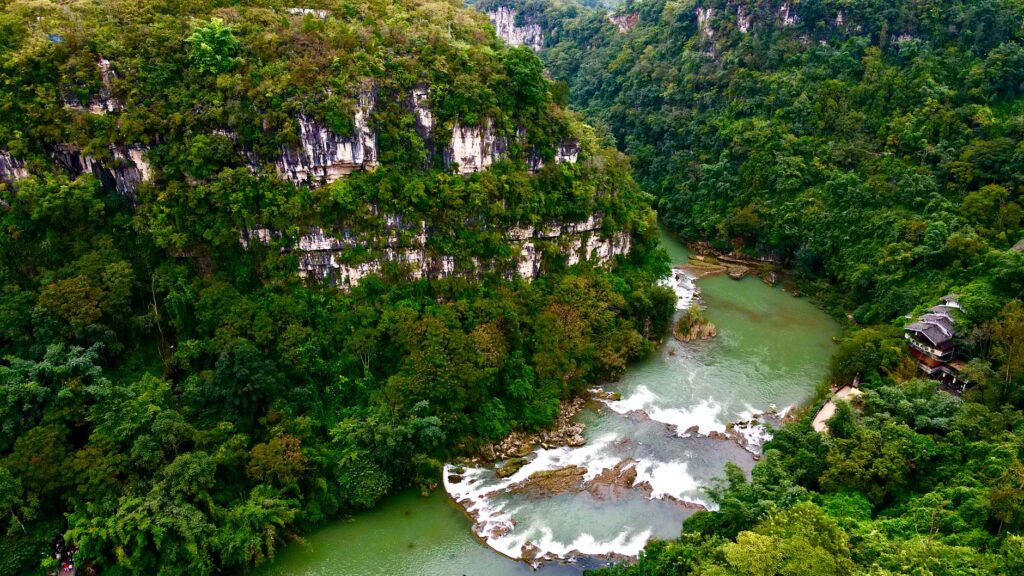
Intensive construction in karst zones carries specific environmental risks due to the rock’s porosity and the presence of extensive underground river networks supplying water to millions of people. Altering these watercourses or improperly dumping waste materials could contaminate groundwater tables and destabilize entire slopes. For this reason, engineers have had to implement strict environmental protection protocols during all construction phases, from pier foundations to debris management in valley bottoms.
Complex drainage systems and wastewater treatment plants have been built along the highways to prevent oils and heavy metals from vehicular traffic from directly seeping into the karst subsoil. Likewise, bare slopes exposed after slope cutting are rapidly revegetated using hydroseeding techniques with native species, favoring the recovery of the original ecosystem. Rigorous ecological management highlights a paradigm shift regarding past public works, prioritizing long-term sustainability over mere construction speed.
Practical guide
Planning a trip to Guizhou province to explore its infrastructure network and karst landscape requires considering several key logistical factors due to the complexity of the local topography.
- How to get there: The primary international and domestic entry point is Guiyang Longdongbao International Airport, the provincial capital, connected via direct flights to major Chinese metropolises.
- Internal transport: The high-speed rail network and suspended highways allow comfortable travel between major cities and prefectures, though renting a vehicle with a local driver is the best option for exploring gorge viewpoints.
- Best time to visit: The spring months (April to June) and autumn (September to November) offer mild temperatures and lower probabilities of torrential rains, although morning fog is frequent in high mountain areas.
- Accommodation: Guiyang offers a wide range of international hotel options, while rural prefectures are dominated by local boutique hotels and traditional guesthouses run by ethnic communities.
- Access requirements: A valid visa to enter the People’s Republic of China is required, and current driving regulations for foreign visitors must be verified if opting for self-drive car rentals.
Exploring this territory requires strictly respecting local safety regulations in mountain areas and following the instructions of authorities at authorized viewpoints, avoiding unconditioned gorge zones.
The Echo of Progress on the Stone Roof
Observing the constant transit of vehicles over a suspension bridge five hundred meters high in Guizhou invites deep reflection on human tenacity. What once represented a sentence to geographic isolation has transformed, thanks to technical ingenuity and rigorous planning, into a bridge toward the future connecting ancient traditions with global modernity. The scars of concrete and steel cutting through karst valleys are not merely signs of dominance over nature, but silent witnesses of how engineering can forge ties where only a void once existed. At the end of the journey, under the golden light of dusk illuminating limestone peaks, remains the certainty that the true art of travel lies in knowing how to build paths that respect the majesty of the world we inhabit.