
The Iron Scar That Shaped East Africa
The history of connectivity in East Africa cannot be understood without the colossal engineering feat that, at the end of the 19th century, began tracing a railway line from the Indian Ocean coast of Mombasa to the misty shores of Lake Victoria. This corridor, known in colonial annals as the Uganda Railway, meant much more than a deployment of ties and steel: it radically transformed the human and commercial geography of the region. By overcoming steep escarpments and endless plains, the track opened a direct communication channel that structured hitherto isolated communities and laid the foundation for current international logistics corridors.
Today, the legacy of that infrastructure persists not only in the surviving tracks and modern freight branches, but in the social fabric that grew in the shadow of its stations. Local populations, highland merchants, and current rail operators coexist with an industrial heritage that continues to dictate the pace of inland transport in Kenia. Analyzing this transport system requires looking beyond modern high-capacity trains; it involves understanding how volcanic terrain and altitude variations condition every kilometer of railway.
The geographical challenge begins almost as soon as the tropical coast is left behind. The tracks ascend relentlessly toward Nairobi before facing the monumental abyss of the Rift Valley, a tectonic depression that forced British engineers to devise titanic solutions at the beginning of the last century. The combination of historical metal viaducts, hand-excavated embankments, and volcanic stone stations forms a landscape where the history of rail transport is read in the open air.

The Great Tectonic Trench: Conquering the Rift Escarpment
The passage through the Rift Valley represents one of the pinnacles of civil engineering applied to hostile terrain. With a gradient exceeding one thousand meters within a few kilometers of travel, the historical layout required the installation of sections with extreme slopes and complex switchback maneuvers. Convoys descending or ascending these slopes must manage traction and braking with millimetric precision, a constant reminder that the African nature imposes its own rules on mechanical technology.
In this sector, intermediate stations such as Naivasha and Gilgil act as nerve centers where agricultural freight traffic and local passenger routes converge. Although rolling stock has evolved from venerable Beyer-Garratt steam locomotives to modern diesel and electric units, the skill of the engineers remains the determining factor in overcoming the treacherous curves of the escarpment. The density of morning fog in the highlands adds a component of operational tension that tests signaling and communication systems.
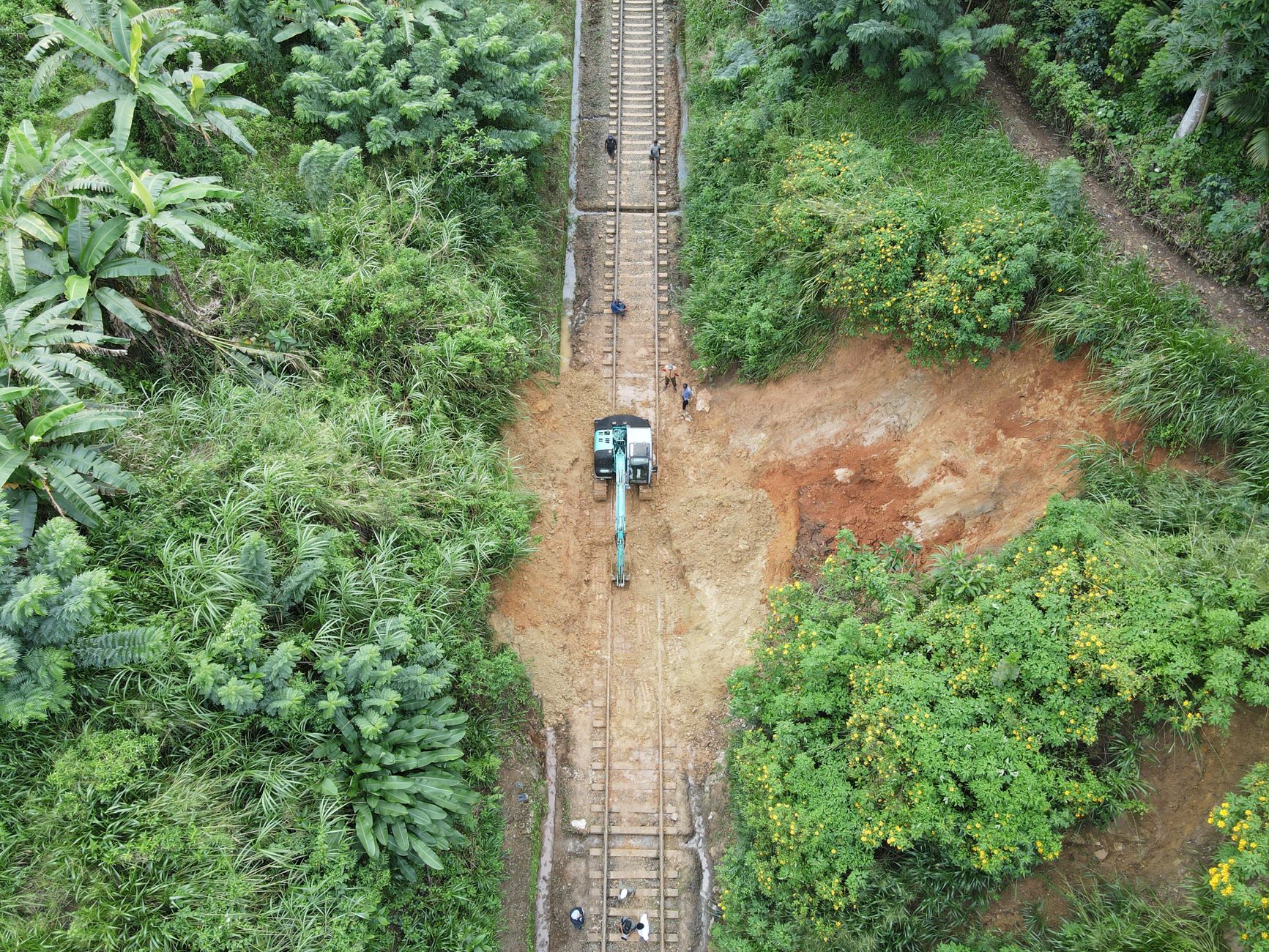
Maintaining this infrastructure in zones of high seismic activity demands specialized crews that daily inspect metal bridges and unstable slopes. Corrosion caused by equatorial humidity and landslides during the rainy season are recurrent incidents that require a fast and efficient repair logistics, ensuring that the flow of supplies to the interior of the continent does not stop.
The Nairobi Logistics Node: Between Century-Old Workshops and Colossal Platforms
The operational heart of the Kenyan railway network beats strongly in the historic workshops of Nairobi, an industrial complex founded at the beginning of the 20th century that keeps alive the tradition of railway metallurgical repair. In these brick sheds with high metal-structure roofs, turners and fitters shape replacement parts that are no longer commercially manufactured, extending the useful life of railcars and locomotives that have accumulated decades of continuous service on secondary lines.

Nairobi central station, a building of imposing colonial architecture with British and Indian influences, is the daily confluence point for thousands of travelers commuting between the capital and major interior cities. The hustle and bustle of the platforms contrasts with the millimetric precision with which departure schedules are coordinated. Here, commuter trains and medium-distance expresses share tracks with heavy freight convoys coming from the port of Mombasa, generating a complex hieroglyph of passing priorities.
The railway line is not merely a transport route; it is the guiding thread of industrial and social memory that has structured the Kenyan territory for over a century.
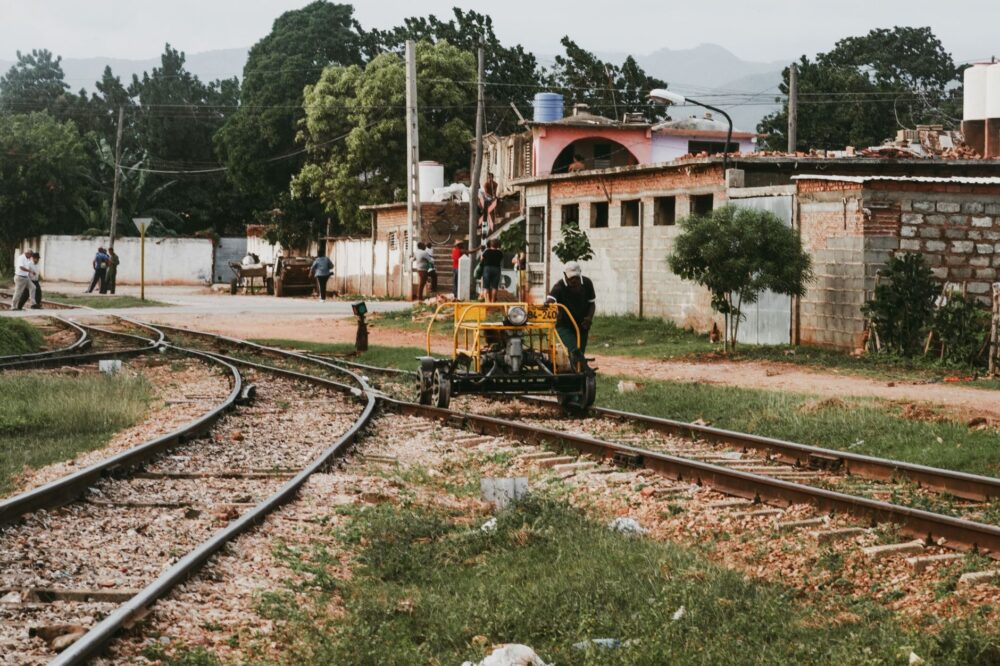
The urban integration of the railway in Nairobi also presents significant challenges. The disorderly growth of the urban periphery has led to the emergence of informal settlements very close to the tracks, forcing authorities to implement strict safety protocols and reduced speeds in urban sections to avoid accidents and preserve metropolitan traffic flow.
The Intermodal Transition: From Freight Car to Distribution Truck
No railway system operates in isolation in the 21st century. Effective connectivity in the Kenyan highlands depends heavily on the smoothness with which cargo transfer is carried out between trains and road transport networks. Dry intermodal terminals, such as the one located in Naivasha, play a fundamental role in decongesting ports and facilitating the distribution of containers to landlocked neighboring countries, such as Uganda, Rwanda, and the Democratic Republic of the Congo.
This combined transport model requires millimetric logistics coordination. Port operators, customs agencies, and heavy transport companies must synchronize their workflows through real-time tracking digital platforms. Any delay on the main line propagates immediately along the supply chain, affecting the price of basic consumer goods in local markets and the competitiveness of agricultural exports.
Despite the economic advantages of rail compared to road transport—especially in terms of reducing carbon emissions and lesser wear on asphalt infrastructures—the sector faces the constant challenge of modernizing its last-mile connections. Many secondary lines connecting with minor agricultural production centers are disused or require multimillion-dollar investments for their comprehensive rehabilitation.
The Human Pulse: Engine Drivers, Station Masters, and Everyday Travelers
Behind every ton transported and every schedule met is the human factor, a fabric of professionals who inherit trades passed down from generation to generation. Veteran engine drivers know every meter of track, every blind curve, and every critical point where cattle tend to invade the layout. Their accumulated experience constitutes an intangible asset as valuable as the steel and concrete infrastructure itself.

In rural stations, the station master remains a respected authority and the main communication link between local communities and the outside world. For many towns in the savanna and highlands, the daily arrival of the passenger train is not just a means of transport, but a social and commercial event where agricultural products, news, and mail are exchanged.
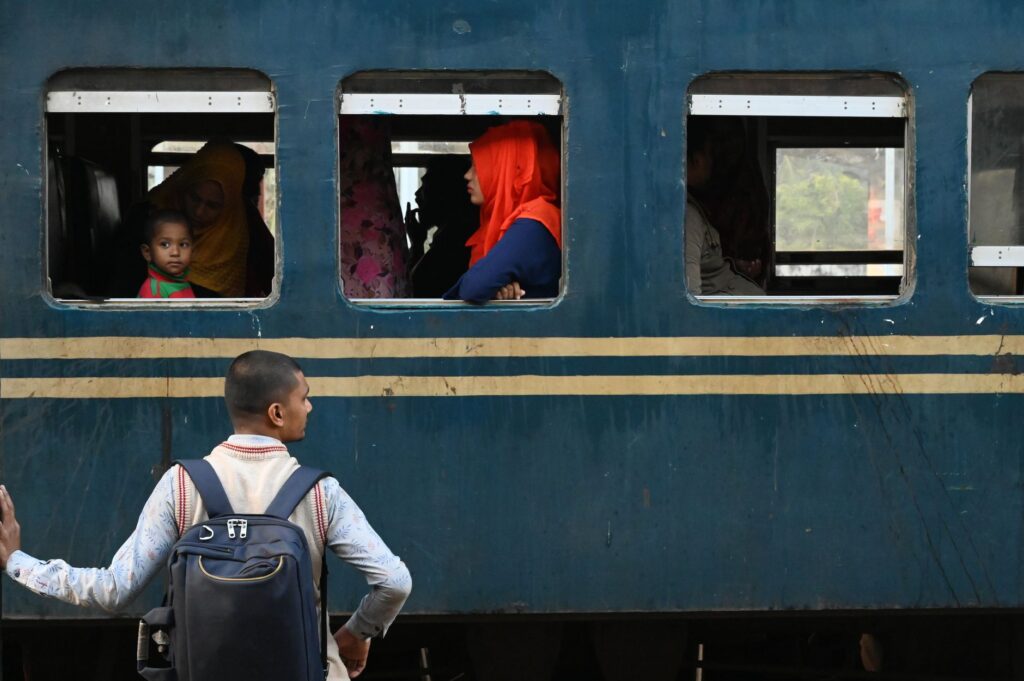
Passengers, meanwhile, integrate the train journey as an anthropological experience where students, street vendors, and entire families converge. Inside the carriages, the leisurely pace of the journey encourages dialogue and coexistence, offering a radical contrast with the impersonal agility of air transport or the tension of road traffic.
Contemporary Challenges: Sustainability, Safety, and Obsolescence
The modernization of the Kenyan railway network navigates a path full of complex economic and environmental balances. On the one hand, pressure to increase speed and freight volume has driven the construction of standard-gauge track sections parallel to the colonial meter-gauge layout. This duality generates deep debates among transport experts regarding long-term financial viability and the simultaneous management of two different technological systems.
On the other hand, the preservation of historical railway heritage competes directly with the urgencies of urban and industrial development. Century-old stations, metal lattice bridges, and old locomotive depots suffer the relentless deterioration of the tropical climate and vandalism, demanding more ambitious heritage protection plans endowed with real budgets by public administrations.
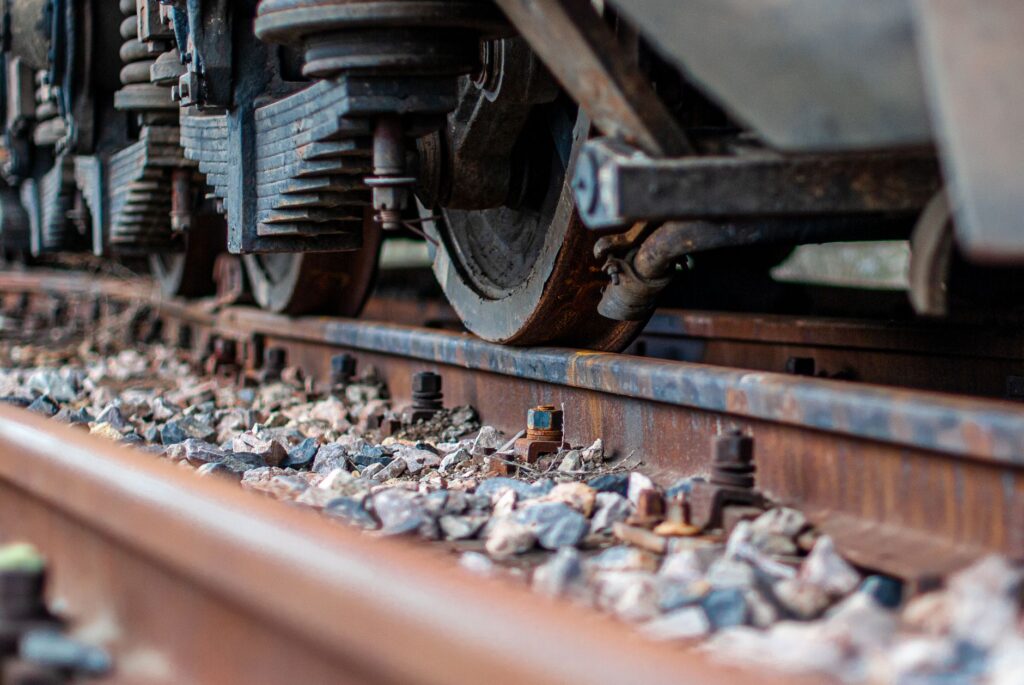
Likewise, road safety at unmonitored level crossings remains a primary concern. Awareness campaigns aimed at pedestrians and heavy vehicle drivers are constant, but demographic expansion around railway corridors increases the overall vulnerability of the system to unforeseen accidents.
Practical guide
Planning a trip or a logistical analysis around Kenya’s railway system requires understanding the operational and geographical particularities of the country. Below are the essential guidelines for researchers, transport professionals, and specialized travelers:
- Route planning and ticketing: Passenger services between Nairobi and the coastal city of Mombasa, as well as routes heading inland, operate under strict advance booking systems. It is recommended to purchase tickets exclusively through the national railway corporation’s official platforms to avoid fraud in the secondary market.
- Intermodal logistics: For supply chain analysis, the main freight transfer terminals are located in Mombasa, Nairobi (Embakasi), and Naivasha. It is essential to have special authorizations from the Ministry of Transport and customs authorities to access restricted operational zones.
- Climatology and seasonality: The highlands experience two main rainy seasons (March-May and October-December). During these periods, risks of landslides on the Rift Valley escarpment can alter published schedules, making it vital to consult daily operational bulletins.
- Personal and operational safety: When moving through workshop areas, historical stations, or level crossings, always stay within authorized areas and strictly follow the instructions of railway security personnel. Respect for internal regulations is absolute throughout the railway enclosure.
- Documentation and photography: Taking pictures of critical infrastructures, main bridges, and military enclosures adjacent to the tracks is prohibited without the corresponding government accreditation. Always request formal permits if your goal is to produce professional graphic reporting.
The Echo of the Whistle in the Dusk Savanna
The final flash of sunlight over the steel tracks on the Kenyan plateau seals a day where human engineering and the immensity of the African landscape converse in silence.
When evening falls over the Kenyan highlands and the shadows of acacia trees lengthen over the ballasted embankments, the distant echo of a locomotive horn reminds us that this steel corridor remains the backbone of a nation in constant transformation. Far from being inert relics, the tracks crossing the Rift Valley embody human tenacity against geographical vastness, uniting the oceanic coast with the continental heart through an uninterrupted effort of engineering, logistics, and living memory.