
In the vast expanse of the Caribbean, where mass tourism often erodes the soul of local cultures, there lies a sanctuary that has chosen to resist through preservation. The island of Providencia, a 17-square-kilometer gem within the Colombian archipelago of San Andrés, Providencia, and Santa Catalina, has garnered global acclaim after being featured by Travel + Leisure as a top destination for 2026. This recognition is not merely a stroke of luck; it is a testament to an ecological and cultural resilience that is rare in today’s world.
Reaching Providencia requires a commitment to slow travel. Unlike its bustling neighbor, San Andrés, you won’t find high-rise hotels or international fast-food chains here. Its inclusion in the 2026 international travel forecast reflects a growing desire among discerning travelers for «off-the-beaten-path» experiences where luxury is defined by the purity of the environment and the genuine warmth of the Raizal community, who guard their heritage with fierce pride.
A Paradise Reborn After the Storm
Providencia’s recent history is defined by the resilience shown after Hurricane Iota swept through in 2020. However, the narrative drawing international attention today isn’t one of tragedy, but of conscious reconstruction. The world is watching the island because it has successfully rebuilt while maintaining its architectural integrity: vibrant wooden houses that stand as colorful beacons against the deep blue horizon.

This rebirth has allowed the island’s tourism infrastructure to modernize under strict sustainability guidelines. Small boutique hotels and native lodges have integrated more efficient resource management systems, turning the island into a living laboratory for how insular destinations can combat climate change while offering high-end hospitality. The Travel + Leisure accolade highlights this delicate balance between fragility and strength.
«Providencia is more than just a destination; it is a statement on what 21st-century tourism should be: respectful, unhurried, and deeply connected to its cultural roots.»
The Sea of Seven Colors and the Seaflower Reserve
The island’s most compelling visual argument is undoubtedly its sea. Surrounded by the world’s third-largest barrier reef, Providencia sits at the heart of the Seaflower Biosphere Reserve, a UNESCO-protected site. The stunning gradient of blues—shifting from pale turquoise to deep violet—is not marketing hyperbole; it is a biological reality stemming from the health of its underwater ecosystems.
By 2026, conservation efforts, including coral nurseries and the protection of key species like the parrotfish, are expected to reach a pinnacle of success. Diving in Providencia is already ranked among the best in the Western Hemisphere. Here, divers don’t just observe; they enter an environment where biodiversity is the primary driver of the local economy, ensuring that every dive supports the reef’s longevity.

Raizal Culture: The Island’s Heartbeat
Beyond the beaches, Providencia’s true value lies in its people. The Raizal community, with their Creole language, music blending calypso and mento, and a seafood-based gastronomy, offers a cultural depth that many Caribbean destinations have lost. Travelers arriving in 2026 will find a proud society that invites visitors to share in their traditions without turning them into a hollow performance.
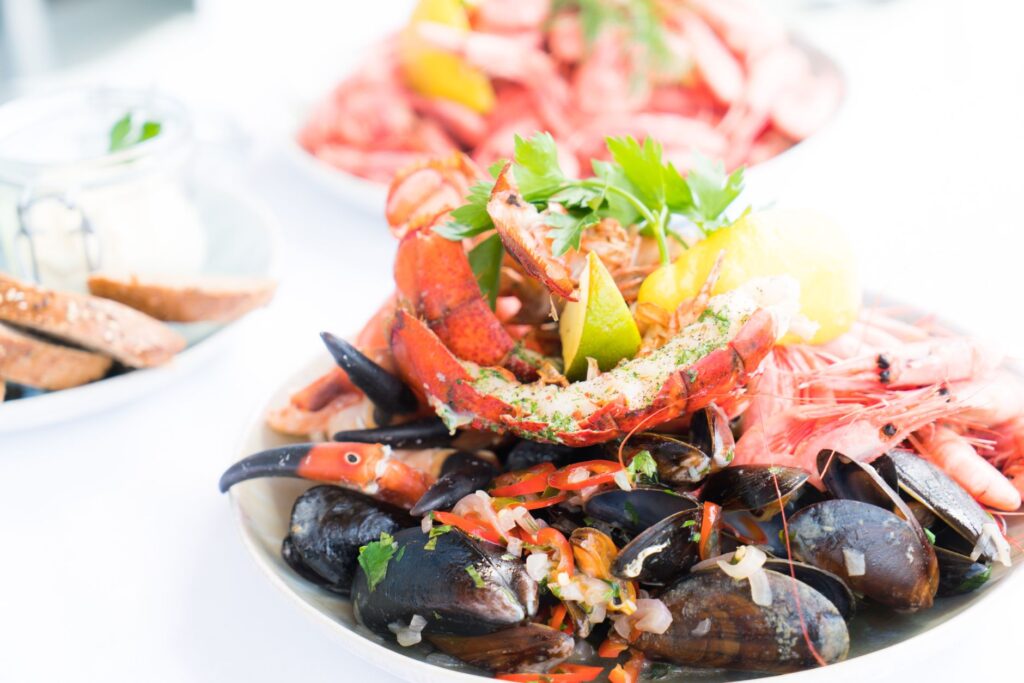
- Authentic Gastronomy: Crab Soup and Rondón are more than meals; they are stories of the ingenuity and survival of the islanders’ ancestors.
- Vernacular Architecture: The preservation of traditional wooden homes with steep gabled roofs is both an aesthetic rule and a cultural mandate.
- Rhythm and Soul: Local festivals are designed for community cohesion rather than tourist entertainment, ensuring an authentic experience.
- Faith and Community: Baptist churches serve as the social epicenters and fundamental pillars of the island’s identity.
Adventures Between Jungle and Coral
Providencia’s geography encourages active exploration. Hiking up to The Peak, the island’s highest point, offers a 360-degree panoramic view that allows one to grasp the sheer scale of the surrounding reef. The trail winds through tropical dry forests, where endemic birds and reptiles can be spotted, reminding us that the island is a holistic ecosystem extending far beyond its sandy shores.
On the water, the experience shifts to the Old Providence McBean Lagoon National Natural Park. Its mangroves act as nurseries for marine life, and its small islets, like Crab Cayo, are sanctuaries of peace where time seems to stand still. Kayaking through the mangrove channels offers an intimate connection with nature, far from the noise of engines and crowds—a key reason for its Travel + Leisure recognition.
«True exclusivity in the future of travel will not be gold or silver, but silence and the ability to walk on a beach where the only footprints are your own.»
Santa Catalina: A Bridge to the Past
Connected to Providencia by the iconic Lovers Bridge, the tiny island of Santa Catalina is a retreat within a retreat. This colorful wooden pedestrian bridge symbolizes the unity between the two communities. On Santa Catalina, the total absence of motorized vehicles heightens the feeling of having stepped back into a simpler era.
A walk toward Morgan’s Head, a rock formation resembling the profile of the infamous pirate, is a lesson in both history and geology. Legends of buried treasure still echo in the coastal caves, fueling the mysticism of an island that once sheltered corsairs and now shelters peace-seekers. The preservation of this pedestrian-only environment is frequently cited by international media as a model for sustainable territorial management.
Sustainability as the Pillar of Growth
The challenge for 2026 will be managing the increased demand that follows a mention in outlets like Travel + Leisure. Local authorities and the community have been clear: Providencia does not seek unlimited growth. The number of tourist beds is strictly regulated, and visitor entry is tied to the carrying capacity of the local ecosystems. This regenerative tourism approach is what truly places the island at the global forefront.

Investment in renewable energy and waste management are top priorities. The goal is for the 2026 visitor to not only leave a positive economic footprint but to actively contribute to the environment’s restoration. It is a model where the tourist becomes a conservation ally, participating in beach cleanups or species monitoring, transforming a vacation into a purposeful journey.
Practical guide
To visit Providencia in 2026, advance planning is essential, as accommodation is limited and often sells out during peak seasons. Access is primarily through short flights from San Andrés or via a catamaran that crosses the Caribbean waters in about three hours, depending on sea conditions.
Visitors must pay a tourist card fee upon entering the department, with funds largely directed toward environmental conservation. It is highly recommended to carry cash, as ATMs can be scarce or occasionally out of service. The use of biodegradable sunscreen is a moral and, in many areas, legal requirement to protect the coral reef. For local transport, renting golf carts or «mules» is the most common and enjoyable way to navigate the island’s perimeter road.
Finally, respect for local customs is paramount. Providencia is a place of tranquility; loud noises and invasive behaviors are discouraged. The best way to enjoy the island is to sync with its slow pace, greet locals as you pass, and immerse yourself in the Raizal hospitality that has made this small territory a giant on the global tourism map for the coming years.
As evening falls on South West Bay, with the sun melting into the horizon and fishermen returning with the day’s catch, one understands why this place was chosen as one of the world’s best. It’s not just the aesthetic beauty; it’s the profound sense that, in an accelerated world, Providencia has managed to safeguard a piece of paradise intact for generations to come.