Introduction to the Boreal Outpost and Its Intermodal Pulse
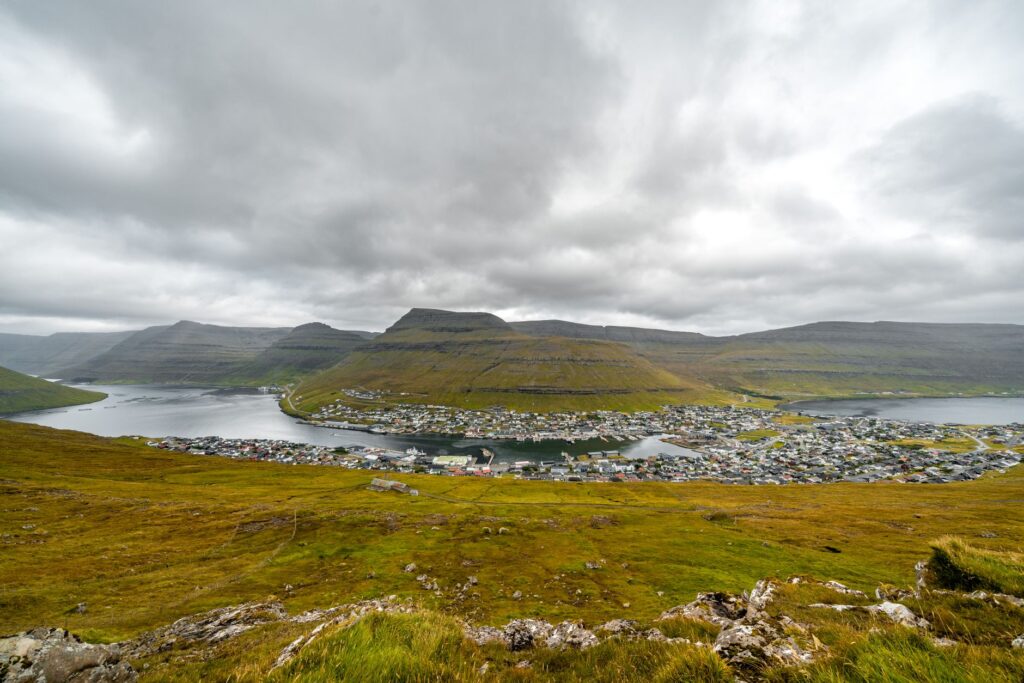
In the geographical heart of the North Atlantic, nestled between the coasts of Iceland, Norway, and Scotland, the eighteen islands forming the Faroe Islands emerge as basaltic monoliths permanently challenged by the elements. In this territory where gale-force winds and perpetual mist dictate the daily rhythm, mobility is not merely a matter of tourist convenience, but a strict necessity for survival and territorial cohesion. For centuries, isolation was the norm, and travel depended on rudimentary rowboats navigating treacherous currents between deep fjords. Today, modernity has redrawn this geological map through one of the most unique, costly, and technologically advanced transport systems on the planet.
The Faroese transport system represents a delicate balance between the audacity of contemporary engineering and a reverential respect for an unforgiving natural environment. Understanding how ocean-going ferries, state-subsidized public helicopters acting as aerial buses, and the innovative network of subsea tunnels featuring illuminated roundabouts beneath the seabed operate reveals the invisible architecture sustaining modern life in an insular outpost. Far from the uniformity of sprawling continental metropolises, travelers venturing into this intermodal labyrinth discover that every journey is an experience where physics, meteorology, and public planning intertwine inextricably.
The Geology of Subsea Asphalt: Engineering Beneath the Fjords
The great revolution in Faroese mobility over the past two decades has been the systematic excavation of subsea and terrestrial tunnels connecting islands once separated by turbulent straits. Monumental projects such as the Vágatunnilin and the more recent Eysturoyartunnilin—internationally renowned for housing the world’s first subsea roundabout decorated with artistic light installations—have radically transformed travel times. These tubes of concrete and basalt rock bored hundreds of meters below sea level are not mere road infrastructures, but true lifelines eliminating exclusive reliance on ferries during severe storms.
However, the construction and maintenance of these infrastructures pose colossal technical challenges. Constant saltwater seepage, unrelenting hydrostatic pressure, and the hyper-real need for ventilation and evacuation systems demand meticulous monitoring. For local drivers and visiting motorists, transiting these galleries requires constant attention to speed limits and the steep gradients characterizing the descent into ocean depths. The financing of these projects, based on a mixed system of electronic tolls and public subsidies, ensures long-term viability despite imposing considerable financial costs on the domestic economy.
The Invisible Air Bridge: The Public Helicopter Fleet as Public Service
While tunnels solve connectivity between larger and more populous islands, more remote enclaves and peripheral islets rely on an unusual public transport resource in the Western world: the helicopter network operated by Atlantic Airways under a Public Service Obligation (PSO) mandated by the Faroese government. These aircraft do not operate on strictly commercial or tourist logics, functioning instead as essential aerial buses transporting local residents, medical supplies, and mail when rough seas prohibit ferry navigation.

For travelers, utilizing this service requires rigorous planning, as seats are strictly limited and local residents receive priority during high demand or weather emergencies. These aerial routes offer an unparalleled overhead perspective of vertical cliffs, glacial valleys, and waterfalls plunging directly into the sea. Nevertheless, the reliability of these flights is entirely subject to fickle Atlantic weather; a sudden snowstorm or dense coastal fog can paralyze the fleet within minutes, reminding passengers of the fragility of any human attempt to conquer Faroese skies.
Cabotage Navigation: Ocean Ferries Against the Fury of Tides
The third undisputed pillar of intermodal transport in the archipelago is the ferry fleet managed by Strandfaraskip Landsins, the public transport company. These robust vessels connect islands still lacking subterranean road links, such as Suðuroy in the southernmost tip or Kalsoy, famous for its steep silhouette and hiking trails leading to the Kallur Lighthouse. Boarding these ferries allows travelers to grasp the magnitude of Atlantic currents and the skill of local captains maneuvering through narrow harbors whipped by fierce crosswinds.

The tariff and timetable integration between land buses and maritime ferries is a model of logistical efficiency, designed so residents can commute to the capital, Tórshavn, for work or medical reasons and return the same day. However, cancellations due to rough seas are frequent during autumn and winter months. Port authorities constantly update official information panels and mobile applications, making weather checks an unavoidable morning ritual for any prudent traveler exploring the islands.
Transport in the Faroe Islands is not merely a mechanism to move from point to point, but a constant reminder that geography imposes its own rules on modern civilization.

Sustainable Mobility and the Challenge of Tourist Overcrowding
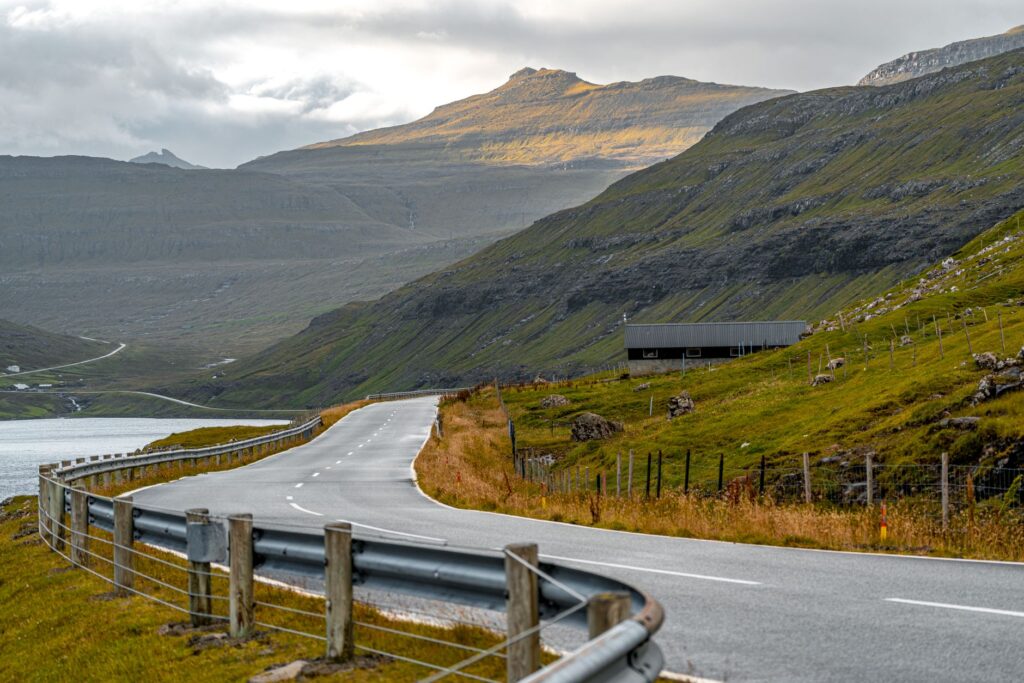
In recent years, the steady influx of international visitors has placed unprecedented pressure on Faroese transport infrastructures. Narrow single-lane roads, known locally as einstreypisvegir and equipped with strategic passing places (*møtestøðir*), experience sporadic congestion during summer months. In response, local institutions have enacted strict traffic management regulations and promoted the adoption of electric vehicles, supported by a charging network largely powered by hydroelectric and wind energy generated within the archipelago.
The contemporary challenge lies in preserving the pristine tranquility of landscapes without economically isolating rural communities dependent on sustainable tourism. Urban planning and insular mobility experts advocate for enhancing collective transport and regulating vehicular access to fragile valleys through quotas or authorized shuttle services. This transition aims to ensure that the human footprint remains as light as the mist crowning the fjords, protecting an ecosystem where every meter of asphalt and every navigation route must justify itself against the severity of the environment.
Smart Planning and Safety on Faroese Routes
Driving or traveling across the Faroe Islands requires a mindset entirely distinct from any continental European destination. Weather conditions can shift radically within kilometers: transitioning from radiant sunshine to a blinding hail squall is an everyday occurrence. Therefore, authorities strongly advise checking official platforms like *Vegur.fo* before embarking on any road trip, as well as carrying windproof jackets, appropriate footwear with slip-resistant soles, and sufficient fuel reserves, since service stations are scarce in rugged areas.
Furthermore, it is essential to scrupulously obey driving regulations in single-lane tunnels, where right-of-way is strictly regulated via passing-place signs. Disregarding these rules not only compromises road safety but causes significant traffic jams in a road network where fluidity depends on strict civic cooperation between local drivers and visitors.
Practical guide
- Getting There: Atlantic Airways operates regular direct flights to Vágar Airport (FAE) from selected European destinations including Copenhagen, Edinburgh, and Reykjavik. Smyril Line offers weekly ferry connections for passengers and vehicles from Denmark and Iceland.
- Inter-island Transport: The network of urban and intercity buses (Bygdaleiðir) and ferries (Strandfaraskip Landsins) accepts rechargeable transport cards offering reduced rates for multiple journeys.
- Helicopter Flights: Reservations for Atlantic Airways helicopters must be made in advance through their official digital platform, keeping in mind that seat availability is extremely limited.
- Tunnel Tolls: The subsea tunnels of Vágatunnilin and Eysturoyartunnilin feature automatic toll collection. Car rental agencies typically process these fees automatically at the end of the rental agreement.
- When to Travel: The months of May through August offer greater daylight and weather stability, while winter guarantees wild landscapes but demands maximum caution due to snow-related road closures.
Emotional Epilogue Beneath the Atlantic Sunset Light
As the sun begins its slow and oblique descent over the North Atlantic horizon, casting a deep copper hue across basaltic ridges, the Faroe Islands reveal their authentic and touching essence. In that moment of absolute silence, interrupted only by the distant murmur of waves breaking against the cliffs of Streymoy, the traveler understands that the true magnitude of this archipelago lies not in the audacity of its subsea tunnels or the precision of its public helicopters, but in the capacity of its people to inhabit an indomitable outpost with dignity and elegance. Mobility in these lands is not merely a technical matter; it is the fragile and beautiful daily bridge uniting ocean solitude with the tenacious pulse of human life.