
Introduction to the Andalusian Route and Its Historical Legacy
The south of the Iberian Peninsula has historically hosted some of the most complex and coveted communication routes in the European continent. Amid centuries-old olive groves and river plains crossed by legendary waterways, the railway corridor linking Seville with Granada represents much more than a simple transport link: it is a living testimony to the territorial transformation driven by the need to connect the Andalusian interior with its commercial and river outlets. From the early topographical surveys carried out in the late 19th century to the modernization of its current infrastructure, this journey encapsulates the constant struggle between rugged terrain and human ambition to shorten distances.
Analyzing this corridor requires understanding the physical geography of Andalucía, a territory marked by abrupt contrasts ranging from the alluvial plain of Guadalquivir to the mountainous foothills of the Betic system. The introduction of the railway in this region not only altered agrarian economy and freight transport, but redefined the concept of travel in an environment where the landscape shifts in tone dramatically within a few kilometers. Throughout this report, we examine the engineering milestones that made overcoming impossible gradients possible, the socio-economic impact on local communities, and the ongoing relevance of a route that continues to fascinate travelers and historians alike.
The Genesis of the Layout: When the Earth Challenged Steam
In the mid-19th century, the Spain of railways experienced a moment of legislative and technical effervescence. Large private companies saw Andalucía as a strategic market to connect export ports with the agricultural and industrial production centers of the interior. However, the design of the route between Seville and Granada ran into a formidable obstacle: the transition between the geological depression of the Guadalquivir and the elevated plateaus preceding the Sierra Nevada massif. Engineers of the era had to contend with clayey soils prone to landslides and the need to bridge powerful river currents without the heavy machinery of the 20th century.
Period chronicles reflect the extreme conditions under which construction teams operated. The use of steam traction required moderate slopes, forcing surveyors to draw long wide-radius curves or excavate rock cuttings using gunpowder and pickaxes. Every kilometer advanced was a victory against the harshness of the terrain, where local laborers—popularly known as the ballast men—left their daily toil under an implacable sun. This titanic effort laid the foundations of a network that, with proper technological updates, endures as a monument to technical perseverance.
Architecture of Iron and Brick in the Southern Valleys
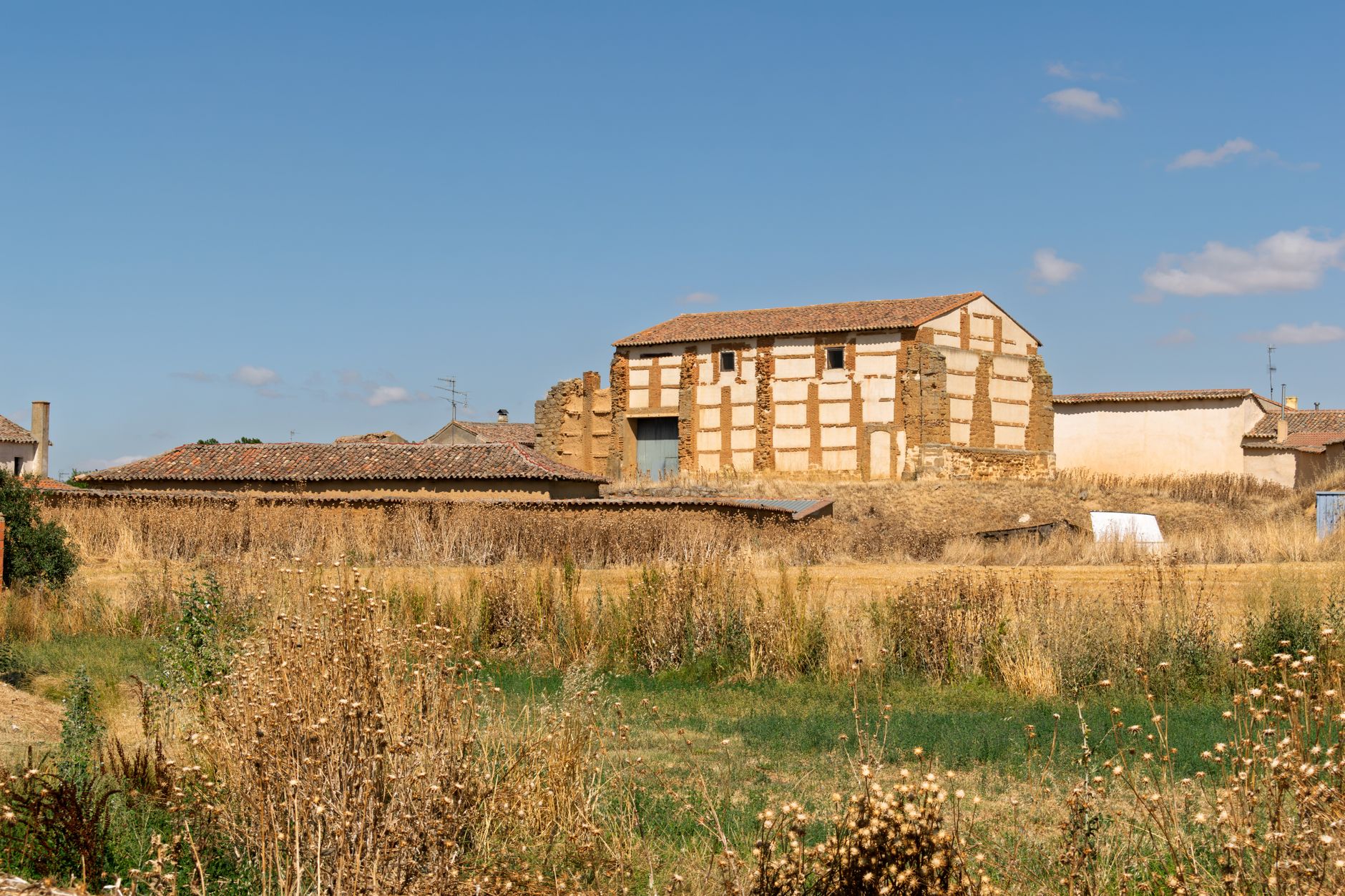
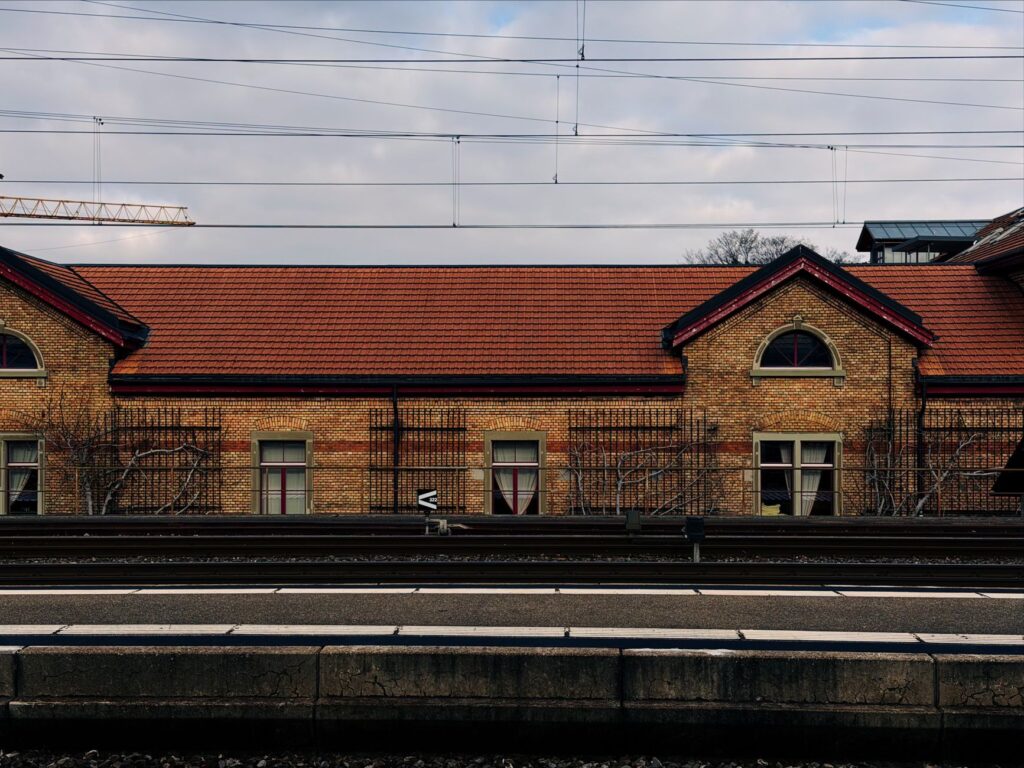
The architectural heritage associated with this railway line constitutes an open-air museum of Spanish industrial archaeology. Intermediate stations, conceived with an eclectic mix of Mudéjar-inspired exposed brick and metal structures imported from European workshops, became urban landmarks for small municipalities that until then had lived detached from the rhythm of modernity. These buildings were not mere halts; they fulfilled a symbolic and practical function, housing telegraph offices and station master residences, who were genuine local authorities in the railway universe.
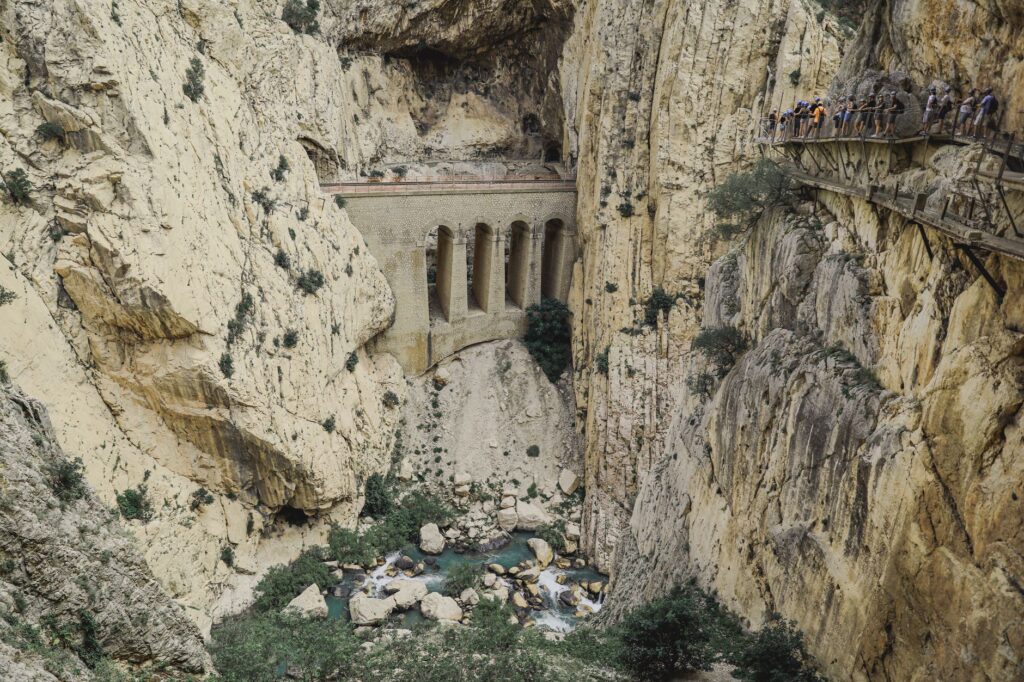
Simultaneously, minor civil works—comprising culverts, retaining walls, and small viaducts—display an absolute mastery of stone stereotomy. Builders utilized native materials, such as limestone and sandstone, to erect bridges that today blend naturally into the agrarian landscape. The preservation of these structures not only has aesthetic value, but proves the solidity of mathematical and physical calculations performed without the aid of modern computing, relying exclusively on accumulated experience and classical geometry.
Railways in Andalucía were not merely a mode of transport; they acted as the catalyst that transformed geographic isolation into a fluid dialogue between countryside and peaks.
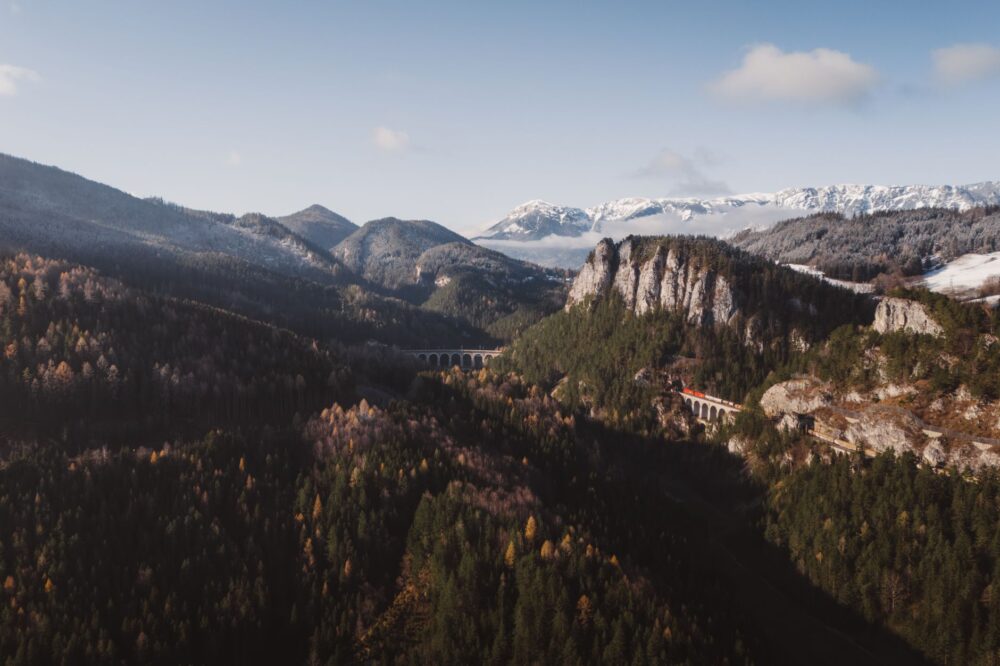
As the track advances eastward, the construction typology evolves to respond to increasing altitude. Metal lattice bridges replace brick masonry arches whenever it is necessary to cross gorges where foundations must rest on solid rock at great depth. This architectural transition is a visual reflection of the very transformation of the Andalusian territory.
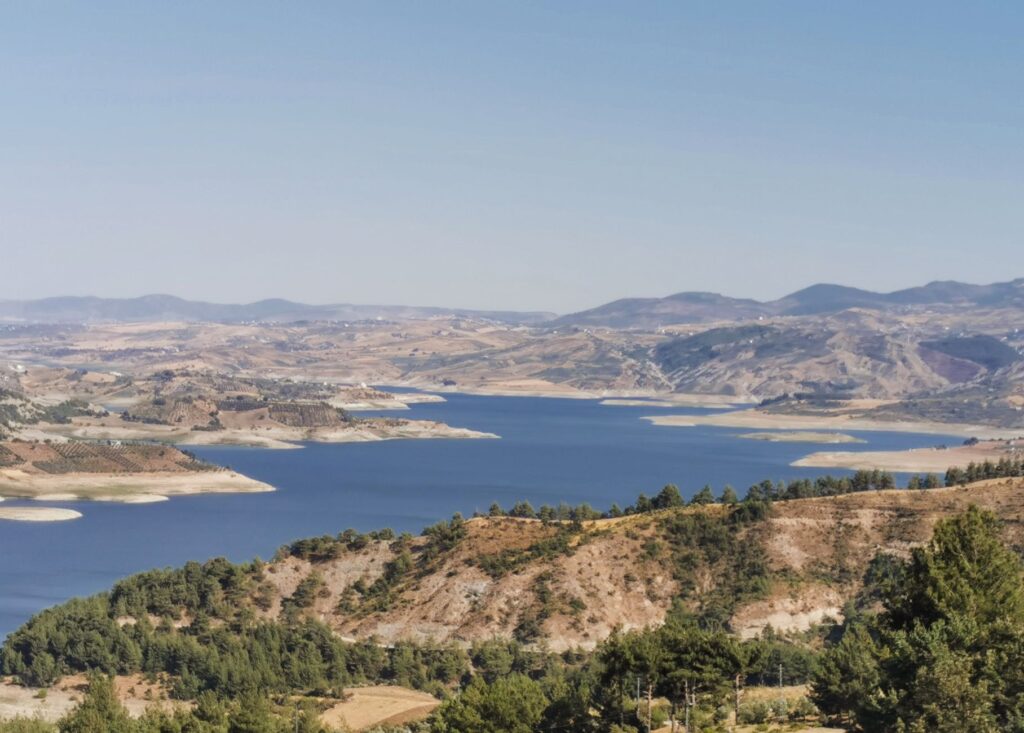
Andalusian Logistics: Transporting the Land and Its Yields
The economic performance of this railway infrastructure was traditionally supported by two fundamental pillars: mineral transport and the export of high-turnover agricultural products. The fertile plains of Córdoba and Seville, specialized in cereal, olive, and vine cultivation, found in the train the ideal vehicle to quickly ship their harvests to coastal and international markets. Operational logistics required millimetric synchronization between freight trains and the seasonal harvest cycles, turning classification yards into hives of frantic activity during picking months.
Likewise, the supply of mineral coal from nearby mining basins and the transfer of heavy machinery for the nascent local industry demonstrated the line’s versatility. Company historical records show how train punctuality was a critical factor for price stability in the supply markets of major capitals. This steady flow of goods consolidated a specific labor culture tied to track maintenance, heavy locomotive driving, and single-track traffic management via manual signal systems and optical telegraphy.
The Human Geography: Villages, Stations, and Oral Memory
Around each station of this railway corridor, a very distinct microculture flourished. Railway families formed an integrated community with strong external ties, as the train was the umbilical cord connecting them to news, fashions, and supplies unavailable in local shops. The arrival of the express mail or the daily mixed train was the social event of the day, congregating neighbors and onlookers on platforms to witness the ritual of exchanging mailbags and watering steam locomotives.
Today, although automation and the suppression of stops at minor halts have silenced many of these stations, the oral memory of former workers and their descendants preserves the dignity of a golden age. Testimonies gathered in route villages recall the pride of belonging to the railway guild, a trade considered of high technical and social responsibility. The old stationmaster houses, mostly abandoned or converted into private property, still retain the echo of telegraphs and the distant whistle of trains announcing their entry into the curve.
The demographic impact of the line was decisive in stabilizing population in rural areas, temporarily halting the exodus to major cities by guaranteeing a fast communication route. However, changes in transportation models in the final third of the 20th century reversed this trend, relegating conventional lines to the background against the push of road transport and, later, high-speed rail.
Contemporary Challenges: Heritage Conservation and Sustainable Mobility
In the 21st century, the traditional railway corridor between Seville and Granada faces a complex crossroads. With high-speed connections entering service via alternative routes, these historical lines risk institutional oblivion unless their functions are redesigned under criteria of regional mobility and sustainable tourism. Conservation organizations and industrial heritage experts demand comprehensive enhancement plans that allow combining the operation of local commuter trains with the recovery of themed tourist convoys.
Current technical challenges no longer focus on the physical overcoming of mountains through brute force, but on the modernization of signaling systems, the elimination of dangerous level crossings, and the electrification of pending sections to reduce carbon footprints. The European Union drives clear guidelines toward the revitalization of secondary railway corridors as a key tool to structure territory and offer a real alternative to private vehicles in medium-distance travel.
True territorial modernity does not lie in abandoning railway history, but in intelligently integrating it into the mobility network of the future.
The balance between protecting historical landscapes and meeting current passenger speed demands is an open debate among engineers, urban planners, and environmentalists. The preservation of this heritage must not be understood as an exercise in sterile nostalgia, but as a strategic commitment to a transport model respectful of the environment and rooted in the cultural identity of the territory.
Practical guide
How to get there: The main entry points to the corridor are Seville-Santa Justa and Granada stations, both connected to the national high-speed network and regional services.
Best time to travel: Spring months (April to June) and autumn (September to November) offer optimal temperatures and agricultural landscapes at their visual peak.
Transport options: Combining regional diesel train journeys with car rentals at main stations is recommended to explore adjacent rural roads.
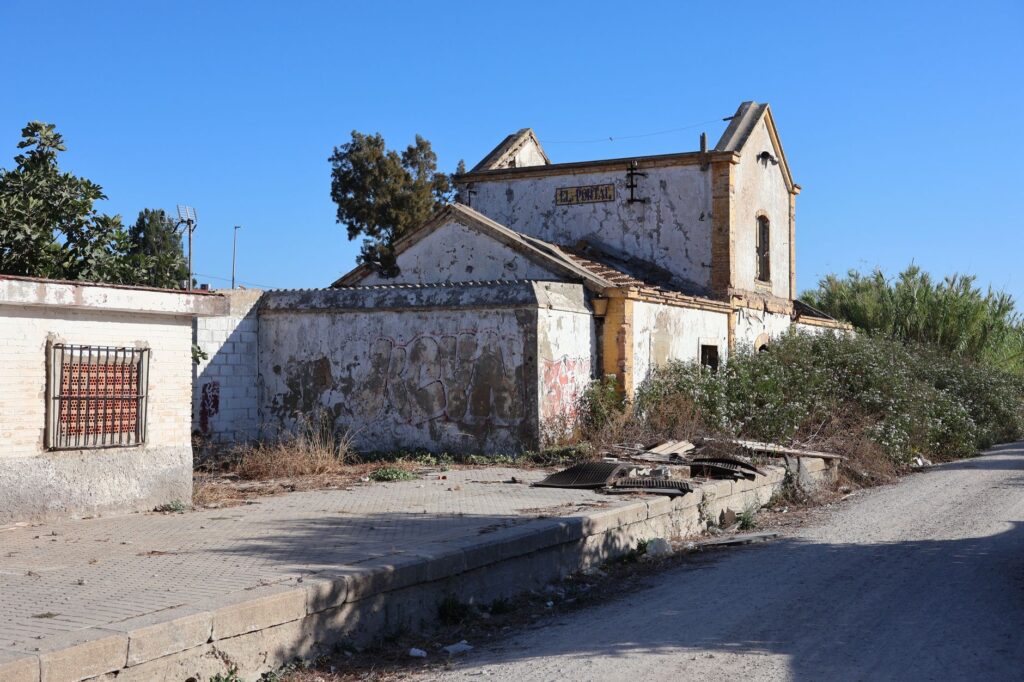
Historic accommodation: Several former route stations have been rehabilitated as rural lodgings or cultural interpretation centers managed by local administrations.
Requirements and planning: Check updated timetables for regional services through official Renfe channels, as frequencies may vary according to season and maintenance works.
Photographic tips: Early morning hours and sunset offer the best light to capture the contrast between historic metal bridges and valley vegetation.
Visual and Human Epilogue: The Last Whistle in the Valley
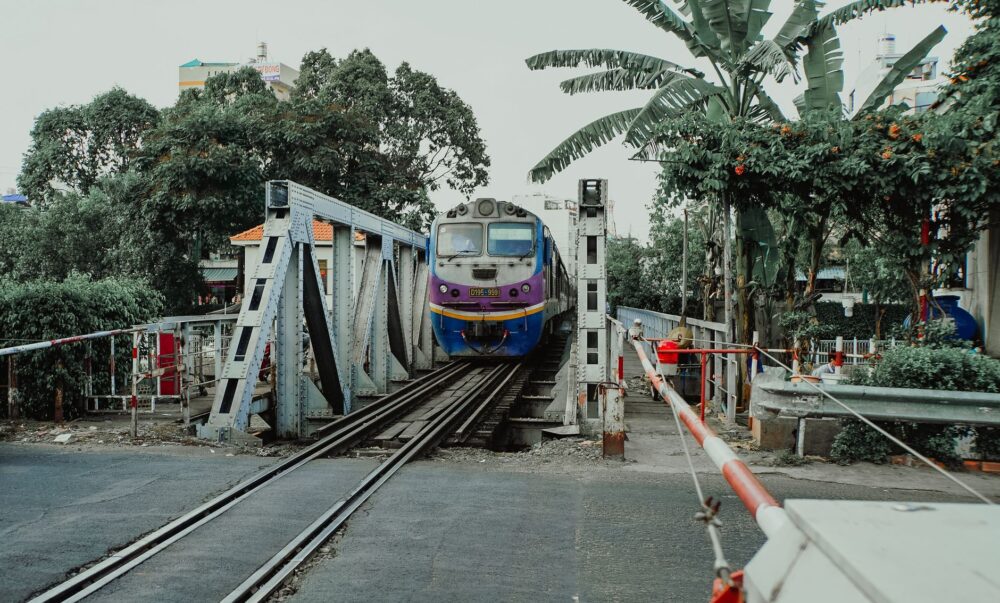
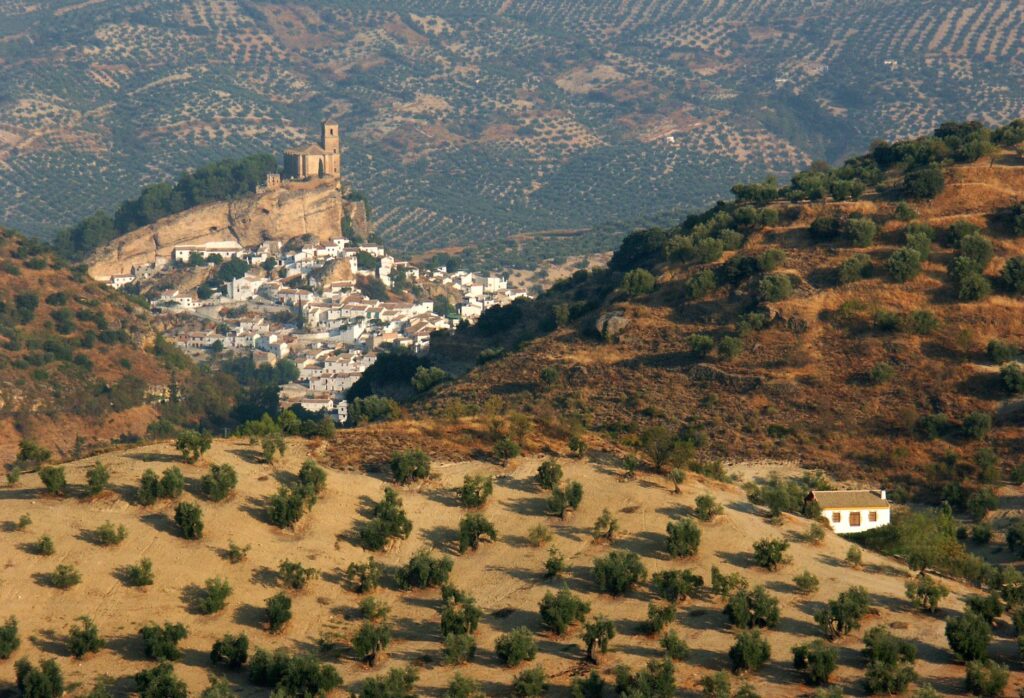
When the sun begins to set behind clay hills and golden reflections flood olive groves, the railway track seems to merge with the horizon like a silver scar over fertile earth. At unguarded level crossings, time seems to stop completely, reminding the traveler that travel is not only a matter of speed, but of contemplation. The tracks, polished by the constant friction of steel wheels, continue tracing the path that once linked the Betic countryside with Nasrid peaks, keeping alive the memory of a time when every kilometer won from the terrain was a collective work of art. At the end of the journey, Granada awaits with its millennial silhouette, closing a geographic and historical circle that defines the deepest essence of the southern peninsula.