
Origins of Stone and Iron in the Heart of La Plana
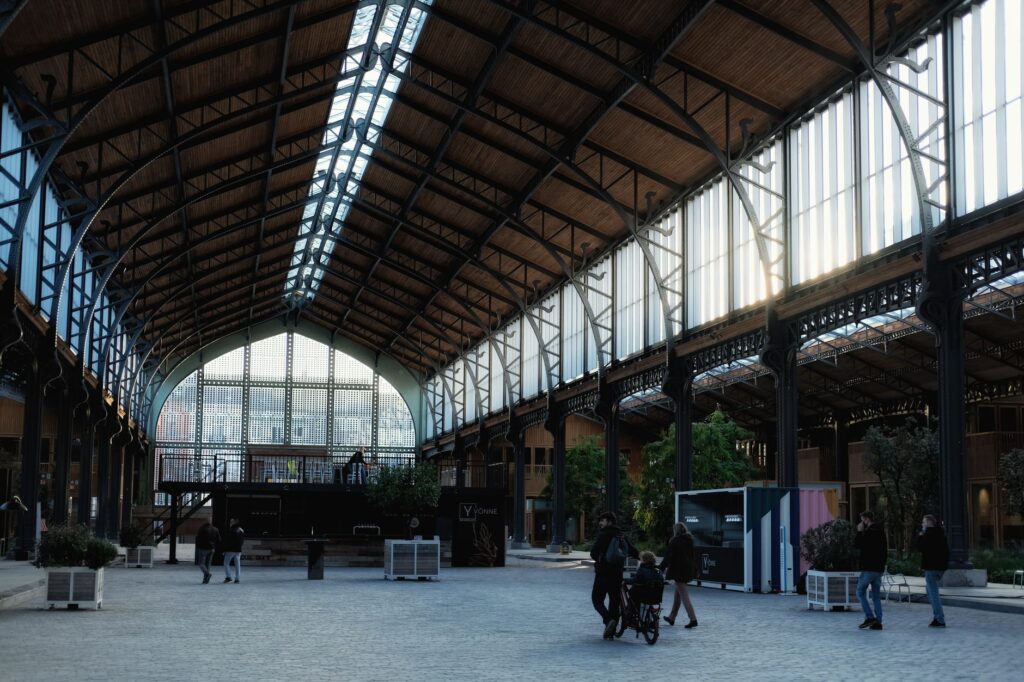
The Central Market of Castellón stands as an imposing testimony to early 20th-century commercial architecture, an era when urban provisioning centers transitioned from mere open-air squares into civic cathedrals of neighborhood commerce. Designed under the rationalist canons of the period and equipped with a robust metallic structure that allows filtered natural light to flood the interior, this space has anchored the daily life of the capital of Plana Alta for decades. Its stalls are far from mere points of sale; they constitute an anthropological network where families of traditional produce farmers converge with fishermen who brave the currents of the Gulf of Valencia every single dawn.
Strolling through its aisles during the early morning hours means immersing oneself in a symphony of aromas where the perfume of freshly harvested citrus intertwines with the marine iodine emanating from the fishmongers’ counters. The building’s layout, characterized by grand arcades and the symmetrical arrangement of stalls, encourages a deliberate, unhurried circulation ideal for the exchange of culinary wisdom between veteran vendors and a new generation of chefs in search of root ingredients. Here, the act of shopping transcends mere economic transaction, consolidating into a ritual of cultural and community affirmation.
The Architecture of Supply and Its Role in Urban Cohesion
The integration of the market into Castellón’s urban fabric responds to meticulous planning aimed at endowing municipal supply with health standards and order. The architects who conceived the building prioritized cross-ventilation and hygiene through the use of ceramic tiles, an emblematic provincial material that covers the wainscots with motifs alluding to local agriculture. This attention to aesthetic and functional details demonstrates that the edifice was envisioned not merely as a logistics hub, but as a civic monument destined to endure through time and serve as an intergenerational meeting point.
The White Gold of the Orchard: Tiger Nuts and Forgotten Tubers
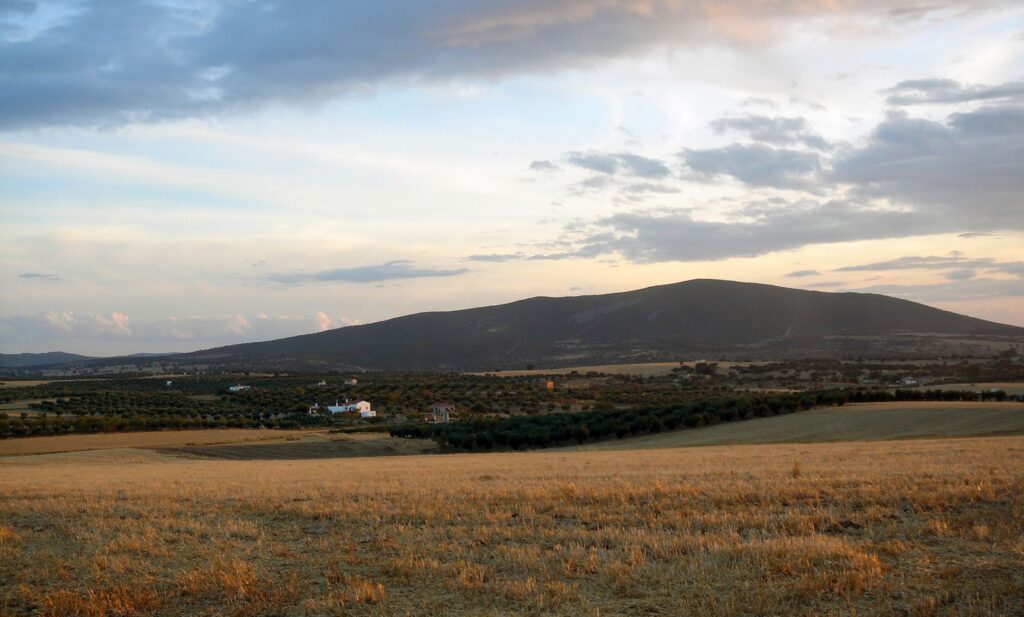
A few short kilometers from the city’s historic walls, the alluvial soils of La Plana harbor unique crops that have fiercely resisted urban expansion. Among them, the tiger nut stands out—a small underground tuber whose cultivation demands loose sandy soils, abundant water, and agronomic knowledge passed down from parents to children. Though popularly associated with the neighboring region of l’Horta Nord, the Plana of Castellón boasts a long-standing tradition in utilizing this fruit, whose autumn harvest requires a laborious process of washing, drying, and sorting still carried out in small family-run agricultural holdings.
Inside the specialized stalls of the Central Market, tiger nuts are presented both in their natural state and transformed into the base for traditional horchata, a beverage crafted in Castellón through artisanal methods without artificial additives or preservatives. The market’s horchata makers champion a recipe rooted in the cold grinding of rehydrated tubers, just the right amount of cane sugar, and a manual emulsion that preserves the essential oils and characteristic nutty nuances of this Denomination of Origin product.
Agricultural Biodiversity and Endangered Local Varieties
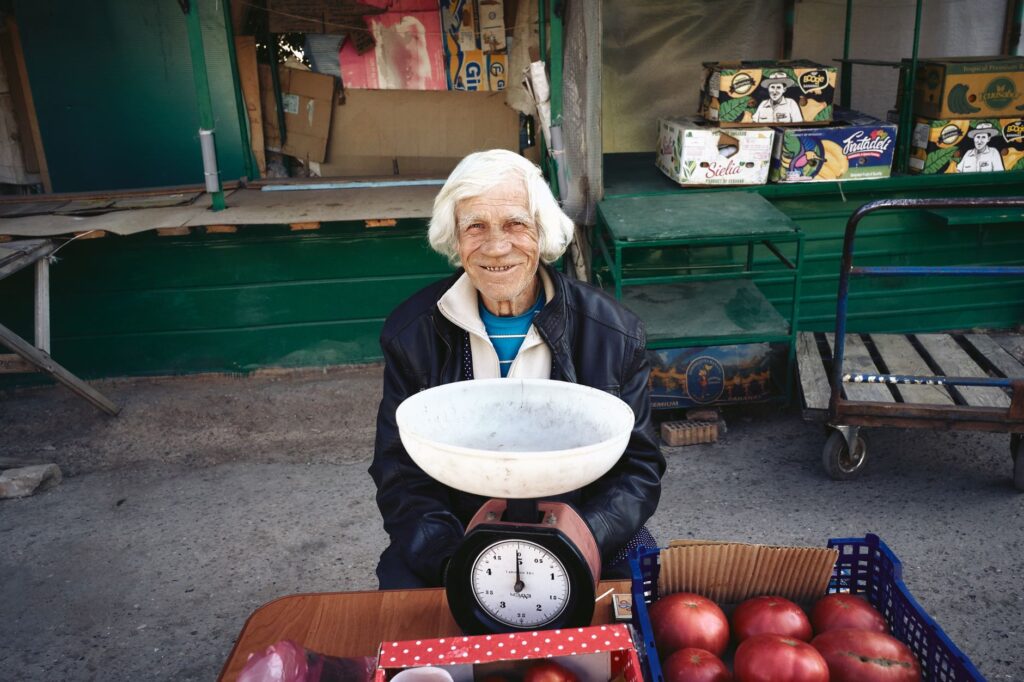
Beyond the tiger nut, the Castellón orchard that feeds the market stalls is distinguished by the preservation of native horticultural varieties that major supermarket chains routinely marginalize for lower commercial yields. Hanging tomatoes, platico onions, and diverse climbing green bean species find their definitive showcase within this space. Local farmers insist on the urgent need to protect these traditional seeds, whose sustainable cultivation guarantees soil fertility and imparts an incomparable organoleptic complexity to the province’s traditional spoon dishes.
The Maritime Brotherhood: Artisanal Fishing in El Grao de Castellón
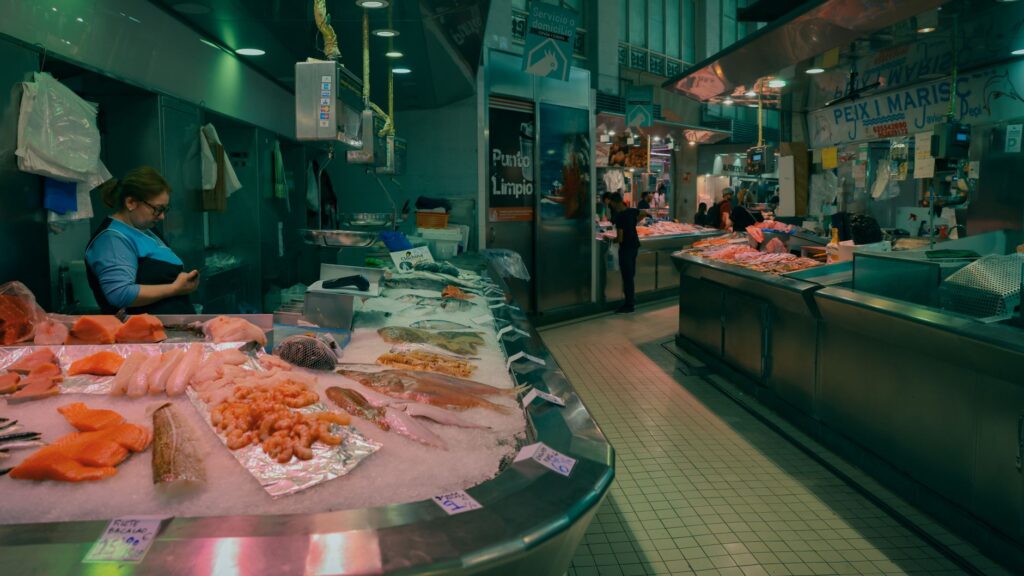
Just a few kilometers from the urban core, the maritime district of El Grao dictates the seafaring pulse of the city. The port’s fish market is the final destination for small-scale and trawler vessels operating in the waters of the Gulf of Valencia, a marine ecosystem featuring mixed seabeds that foster an abundance of species of exceptional culinary quality. The Vinaròs prawn, though baptized with the name of a neighboring municipality, floods the stalls of Castellón’s Central Market alongside red prawns, mantis shrimp, and rockfish destined for rich fish stocks.
The relationship between El Grao’s fishermen and the market retailers is governed by a code of mutual trust and strict respect for minimum landing sizes. The fish market auctions, fully computerized yet faithful to the urgency of traditional bidding, determine which catches will occupy crushed-ice trays in the city center just hours later. This rapid transit ensures radical freshness, allowing the ultimate consumer to appreciate the firmness of the flesh and the subtle iodized sweetness of marine products without unnecessary intermediaries.
The market is not merely a place where food is exchanged; it is the living archive of a liquid and earthly memory that refuses to vanish beneath the noise of standardized modernity.
The Art of ‘All i Pebre’ and the Secrets of Maritime Broths
The richness of the Castellón fish market translates into a seafood cuisine grounded in restraint and absolute respect for the produce. Dishes like monkfish all i pebre or rockfish stews with Plana potatoes exemplify a way of understanding cooking where the sofrito of ripe tomatoes, dried nyora peppers, and garlic forms the invariable foundation of any preparation. The pleasures of this gastronomy do not lie in the complexity of modern techniques, but in the precision of cooking times and the supreme quality of raw materials that barely require manipulation to express their true identity.
Senia Rice and the Alchemy of Coastal Drylands
If the sea and the orchard provide the primary ingredients, rice serves as the guiding thread of Castellón’s culinary identity. In the fields near the local marshes and river mouths of the province, the senia variety is cultivated by preference—a pearled grain renowned for its exceptional capacity to absorb broths and sofrito juices. Unlike the hard-grain varieties favored in contemporary haute cuisine, senia rice requires close supervision during cooking; its tendency to soften easily demands a millimetric mastery of the flame to achieve the exact point of interior creaminess and exterior separation.
Market vendors specializing in legumes and grains advise buyers on the exact origins of each harvest, differentiating batches based on moisture levels and silo storage duration. This level of specialization turns purchasing rice into an almost pharmaceutical experience, where the customer acquires not just the grain, but also expert counsel for crafting dry llauna rice dishes or soupy variations featuring seasonal vegetables.
The Culture of the Popular Mid-Morning Second Breakfast
Surrounding the commercial activity of the Central Market, one of Castellón society’s most deeply rooted traditions has flourished: the esmorzar, or popular mid-morning second breakfast. By mid-morning, the bars and taverns situated along the market’s perimeter fill with workers, merchants, and locals participating in a gastronomic pause of almost sacred proportions. Substantial sandwiches crafted with ingredients straight from the market plaza—such as cuttlefish in green sauce, Plana cured sausage, or garlic scape omelets—are invariably accompanied by counted olives, pickles, and local wine served in a traditional porrón or boliche glass.
The Treasures of Convent and Festive Pastry-Making
The sweet dimension of Castellón’s gastronomy finds a chapter of immense cultural wealth in artisanal pastry-making and traditional bakehouses. Within the market’s historic grocery and confectionery stalls, traditional flaons—pastries filled with cottage cheese and almonds of medieval lineage—coexist happily with pine nut cocas, anise rolls, and local convent sweets. These confections, crafted for centuries within the province’s enclosed convents, have transcended monastic walls to integrate seamlessly into festive celebrations and the daily consumption of local households.
The use of Marcona almonds, rosemary honey from the Espadán mountain range, and extra virgin olive oil from the canetera variety creates a triangle of pastry excellence that has barely undergone formulation changes over centuries. Master bakers at the market champion the persistence of these primary flavors against industrial standardization, reminding consumers that every sweet holds the memory of La Plana’s ancient agricultural and religious cycles.
Extra Virgin Olive Oils from Canetera and Manzanilla Varieties
No journey through Castellón’s pantry would be complete without addressing the fundamental role of extra virgin olive oil. In the interior regions and foothills that feed the capital’s economy, the millennial olive trees of the canetera and manzanilla albiet varieties yield an intensely fruity olive juice marked by notes of fresh grass and a balanced bitterness that betrays its high polyphenol content. At the market, local producers offer guided tastings where consumers learn to distinguish the nuances of an early harvest versus late ripening, revaluing a basic staple that contemporary haute cuisine has once again positioned at the center of the gastronomic experience.
Practical guide
How to get there: Castellón Central Market is located in Plaza de España, right in the historic heart of the city. It is easily accessible on foot from any central point and features frequent urban bus connections from the train station and El Grao.
Opening hours: The market is open Monday through Saturday, continuously from 7:00 AM to 2:30 PM. Visiting between 9:00 AM and 11:00 AM is highly recommended to experience commercial bustle at its peak and enjoy the widest variety of fresh produce.
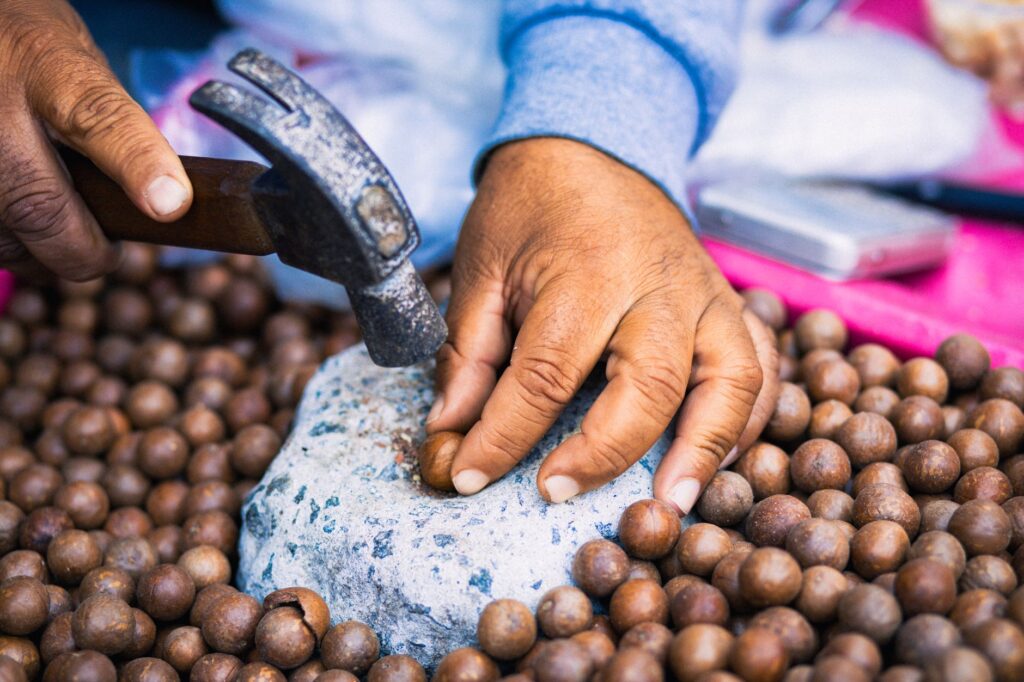
Shopping tips: It is advisable to bring a reusable cloth bag and cash for smaller traditional stalls, though most now accept card payments. Do not hesitate to ask vendors about traditional local recipes; friendliness and expert advice are core parts of the service.
Recommended accommodations: The historic center features small boutique hotels and rehabilitated guesthouses set in stately buildings, offering a comfortable stay close to the capital’s cultural and gastronomic life.
When to visit: Any time of year is ideal, though autumn and spring months offer milder weather for strolling through both the market and the orchards and beaches of La Plana.
Epilogue: The Eternal Pulse of a Resilient Market Square
As evening falls, when the metal grilles of the Central Market close and silence reclaims the modernist halls, a profound certainty lingers in the air: this space represents much more than a simple supply center. It is the bastion where La Plana’s memory renews itself daily, a physical reminder that true gastronomic culture is born not from laboratory artifices, but from the patience of hands that till the earth, the daring of sailors who brave the tides, and the loyalty of neighbors who continue to demand truth on the plate. Within its aisles beats the unalterable pulse of a deep, honest Mediterranean landscape firmly anchored to its soil.