
The Simien Mountains rise like a basaltic cathedral in the heart of Africa, a geological caprice where millennia of erosion have sculpted dizzying gorges exceeding a thousand vertical meters of drop. In this territory of cold summits and persistent mists, altitude not only imposes an unforgiving climatic rigor but also defines the isolation of ecosystems found nowhere else on earth. Here, nature has operated for millennia as a miniature evolutionary laboratory, giving shelter to endemic species unique to the planet. Between the sheer drops and the afro-alpine grasslands, the landscape unfolds with an aesthetic rawness that overwhelms the contemporary traveler, reminding them of the fragility and resilience of life at high altitudes.
The purpose of this analytical journey is to examine the complex ecological network sustaining this Ethiopian sanctuary, paying special attention to the Walia ibex, the emblematic cliff goat that has hovered on the brink of extinction. Through a leisurely trek across the upper plateaus and cliff edges, we seek to understand how volcanic geology, human demographic pressure, and scientific conservation strategies interact. This is not a simple hiking excursion, but an immersion in the delicate balances that permit the survival of rupicolous fauna in an environment subjected to profound climatic and socio-economic transformations.
Volcanic Genesis and the Architecture of the Abyss
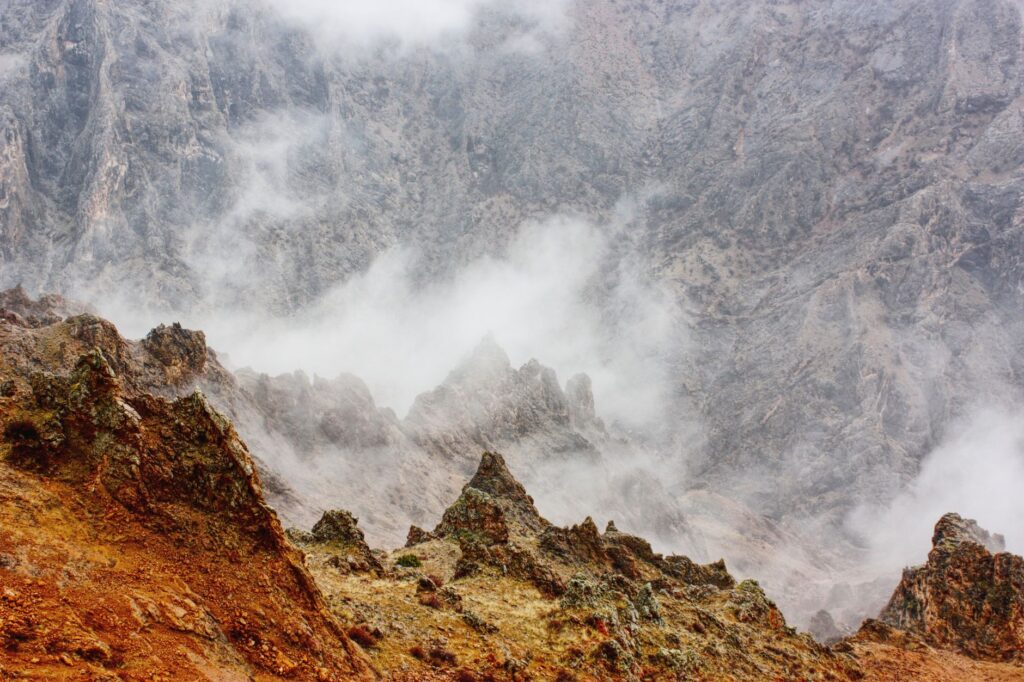
The monumental architecture of the Simien Mountains is the direct result of violent volcanic activity that occurred approximately forty to thirty million years ago. During that geological epoch, immense outflows of basaltic lava emerged from the earth’s crust, accumulating in successive layers to form a massive plateau. Over the course of eras, plate tectonics and intense fluvial and glacial erosion carved deep valleys and vertigo-inducing precipices. This process yielded a unique tabular topography characterized by flat summits cut by vertical rock walls that defy gravity and offer refuge to the most specialized wildlife.
The extreme altitude of this massif, culminating at Mount Ras Dashen at over four thousand five hundred meters above sea level, generates a sharply defined climatic zoning. Montane forests predominate in lower zones, while higher up, vegetation yields to high mountain grasslands and dwarf shrubs adapted to nightly frosts. This layout in natural terraces has created enclosed microclimates where moisture from Atlantic and Indian winds occasionally gets trapped, fostering dense morning mists that wrap the basalt walls in a veil of geological mystery.
The Biology of the Walia Ibex: Mastery of Gravity
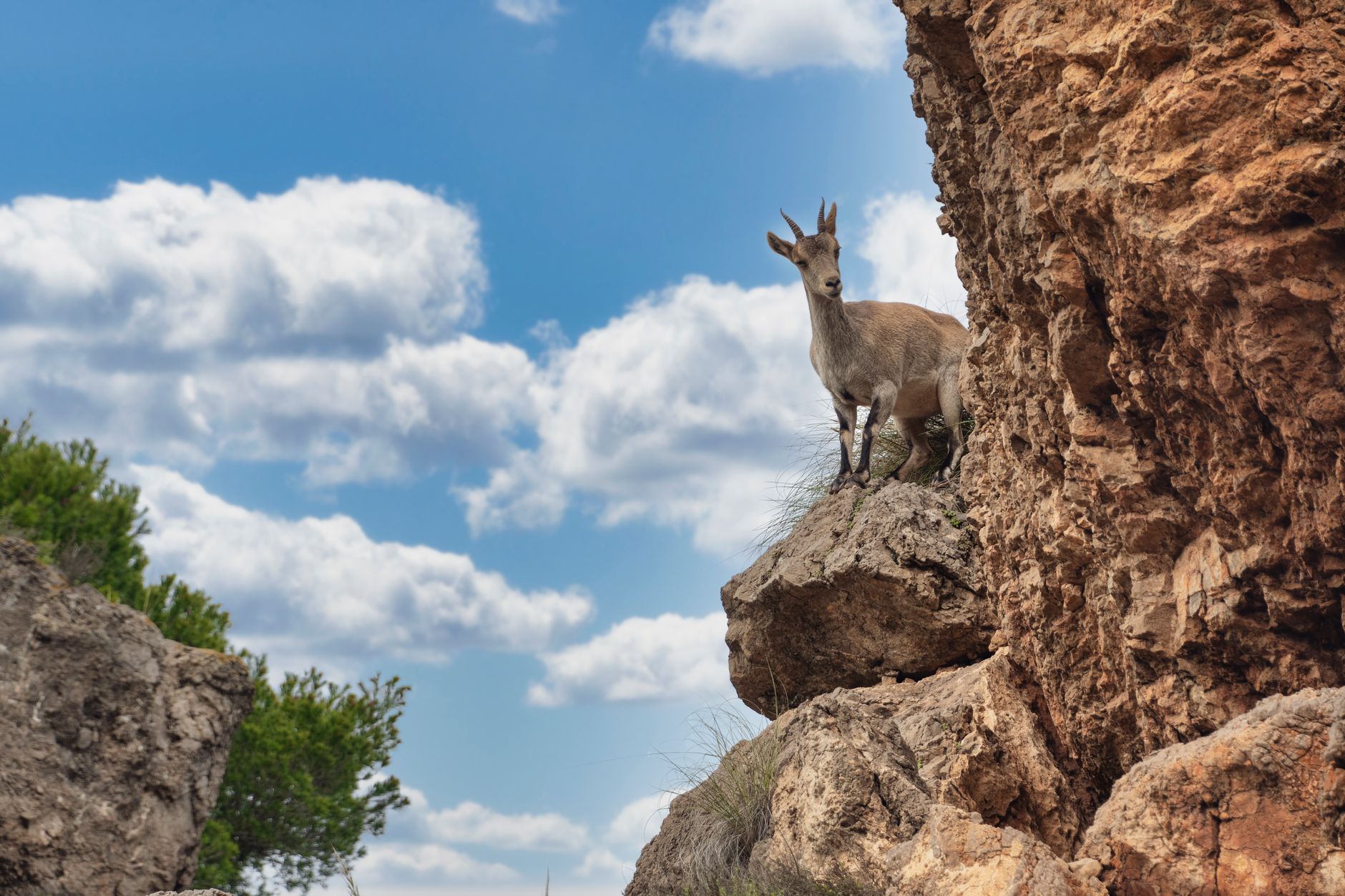
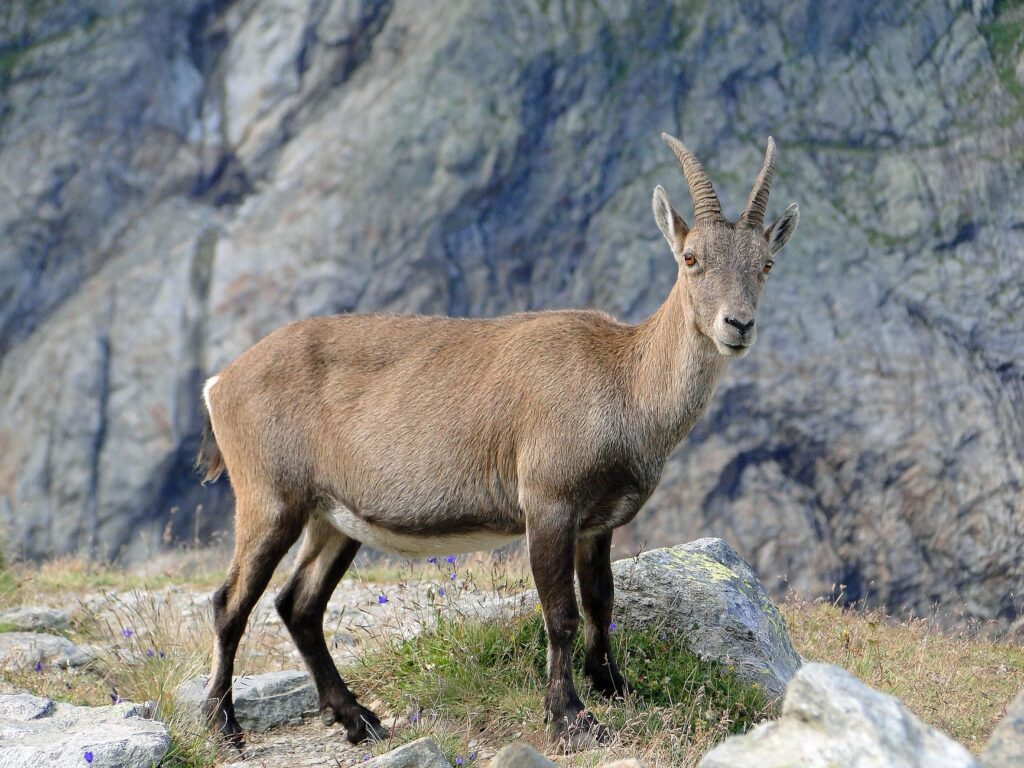
The most illustrious inhabitant of these precipices is the Walia ibex (Capra walie), a wild goat species astonishingly adapted to life on vertical rock. With a robust skeletal structure, hooves featuring elastic rims acting as natural suction cups, and proverbial agility, this mammal moves effortlessly across ledges where any other animal would perish. The males, easily recognized by their imposing ridged curved horns exceeding a meter in length, use these bony structures for territorial marking and establishing hierarchies during the rutting season through violent frontal clashes.
The Walia ibex’s diet consists primarily of tough grasses, lichens, thorny shrub shoots, and barks found in the most inaccessible corners of the cliffs. This dietary specialization allows it to subsist in an environment where trophic resources are scarce and highly seasonal. During the early morning hours and late afternoon, family groups descend cautiously toward grassy ledges to graze, while midday hours see them seeking the security of vertical walls to ruminate and protect themselves from freezing winds and potential predators such as the leopard.
Alpine Climatology and Survival Dynamics
Living above three thousand meters in the tropics presents a fascinating climatic paradox: intensely sunny days with relentless ultraviolet radiation contrast with nights when thermometers plummet below freezing. This daily thermal amplitude subjects the flora and fauna of the Simien to constant physiological stress. Afro-alpine plants have developed dwarfed growth habits and dense hairy coverings to retain heat, while animals depend on thick coats and precise thermoregulatory behaviors, such as seeking solar exposure on east-facing rock faces after cold dawns.
Seasons in the massif are fundamentally divided into two periods: the dry season, extending from October to May, and the monsoonal rainy period, between June and September. Torrid downpours transform trails into muddy torrents and accelerate landslides on unstable slopes. For wildlife, this cycle marks the reproductive rhythm; Walia ibex birth peaks typically coincide with the end of the dry season or the onset of early rains, when tender vegetation shoots provide mothers with the necessary caloric intake for lactation.
Ecological Corridors and Habitat Fragmentation
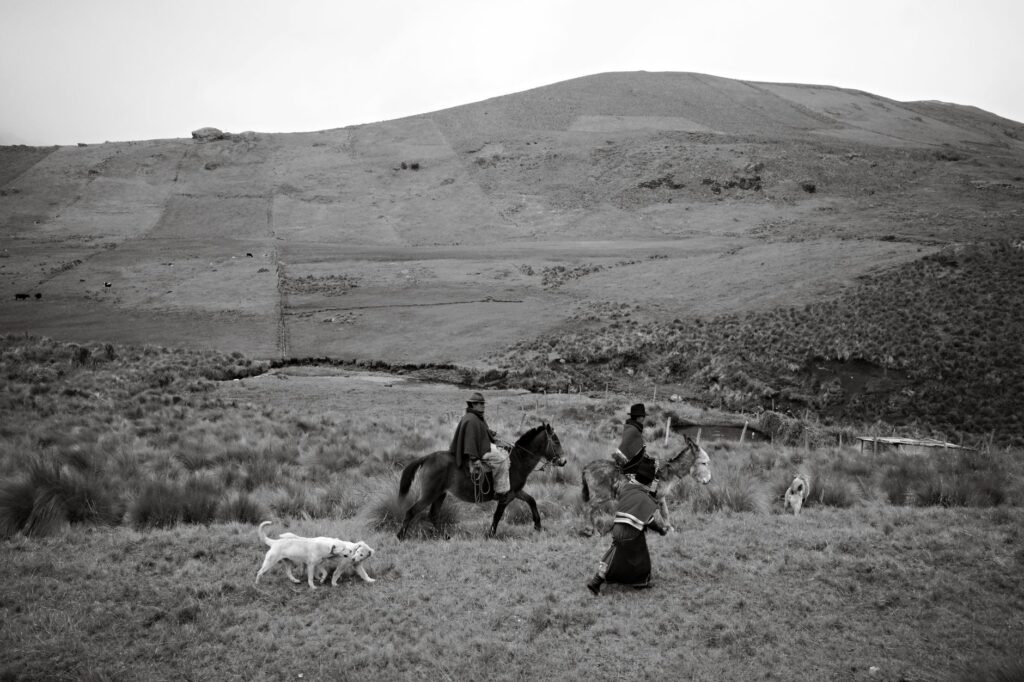
One of the greatest scientific conservation challenges in the Simien Mountains lies in the fragmentation of ecological corridors that once connected different sectors of the massif. Human population growth in the highlands, driven by subsistence agriculture and the expansion of domestic livestock grazing, has drastically reduced the living space of wildlife. Traditional migration routes and genetic exchange pathways between isolated Walia ibex populations have been interrupted by barley fields and human settlements creeping dangerously up the slopes.
This anthropogenic pressure not only limits available territory but generates direct conflicts between local herders and protected fauna, while favoring the transmission of infectious diseases from domestic livestock to wild ungulates. Biologists and conservationists insist on the urgency of establishing livestock-exclusion zones and protected corridors allowing gene flow among different herds. The long-term survival of species such as the Walia ibex and the Simien fox depends critically on reconciling the socio-economic needs of local communities with strict preservation of critical habitats.
Participatory Conservation on the Roof of Africa
The Simien Mountains National Park, declared a UNESCO World Heritage Site in 1978, has evolved in recent decades toward a participatory management model attempting to integrate local communities into environmental protection. In the past, conservation policies relied on exclusion and the prohibition of park resource use, generating deep resentment among surrounding villagers. Today, sustainable ecotourism and community compensation programs seek to demonstrate that biodiversity conservation can serve as a direct source of income and economic stability.
Protecting the basaltic abysses of the Simien requires understanding that mountain biodiversity is not an untouchable museum, but a living system dependent on respecting the human communities inhabiting it.
Initiatives such as hiring local guides, porters, and scouts from neighboring villages have transformed former area residents into active guardians of the park. Likewise, environmental education programs in rural schools foster pride in the endemic natural wealth of the massif. Nevertheless, political challenges and regional instability in Ethiopia continue to test the efficacy of these measures, demanding constant vigilance and firm international commitment to prevent the irreversible loss of this natural heritage.
Practical guide
Planning an expedition to the Simien Mountains requires logistical rigor, proper acclimatization, and deep respect for local conservation regulations. Essential guidelines for organizing the trip successfully are detailed below.
- How to get there: The usual starting point is the city of Gondar, accessible via domestic flights from Addis Ababa. From Gondar, road transport is arranged to the town of Debark, the administrative headquarters of Simien Mountains National Park, located about 100 kilometers north.
- Acclimatization: Given that routes take place between 3,000 and 4,200 meters of altitude, spending at least two days in Gondar or Debark before undertaking any demanding trek is essential to prevent altitude sickness.
- Permits and Guides: Entering the national park requires paying conservation fees and hiring a mandatory accredited local official guide, along with armed park scouts for safety and orientation.
- Best time to visit: The dry season, spanning from October to May, offers the most stable weather conditions and clear skies. Months following the rains (October and November) display landscapes with exceptional greenery.
- Accommodation and logistics: The park features designated campsites at strategic points such as Sankaber, Gich, and Chennek. Bringing complete high-mountain camping gear or hiring local agencies in Debark that provide tents, cooks, and pack mules is necessary.
- Recommended equipment: Layered technical clothing, including down jackets for cold nights, trekking boots with high-grip soles, trekking poles, broad-spectrum sunscreen, certified sunglasses, and canteens with water purification systems.
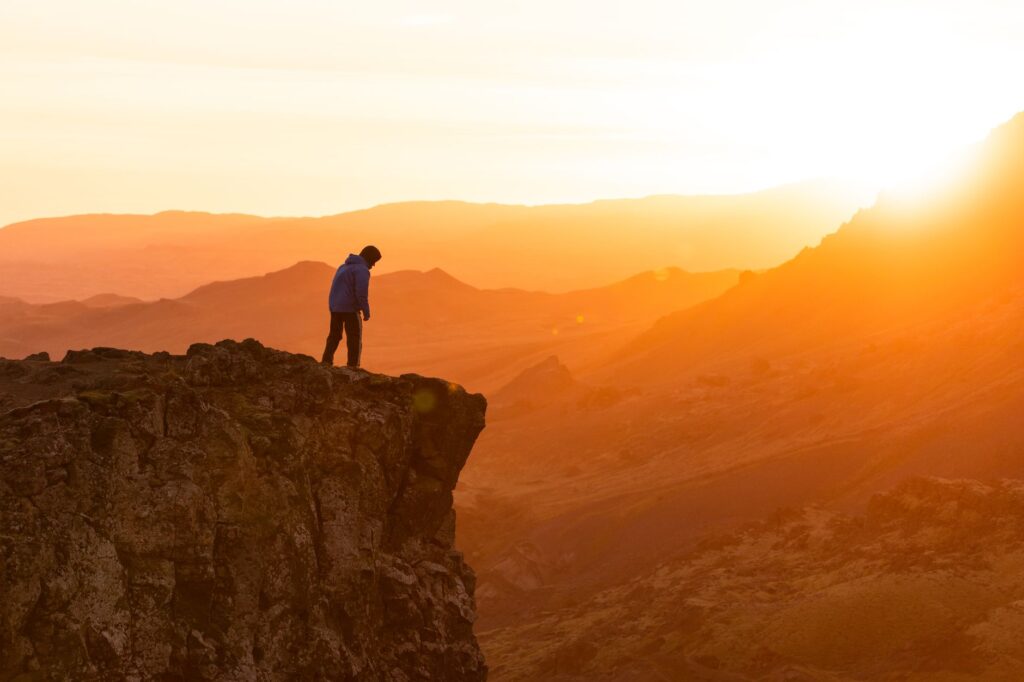
As the sun descends behind the basalt walls, dyeing the abysses an intense copper tone, the Simien Mountains reclaim the ancestral silence that has reigned over their summits long before the appearance of humankind. In that moment of absolute stillness, sitting at the edge of a thousand-meter precipice while wisps of mist brush against hiking boots, one understands that this journey was never about conquering a distant peak, but about tuning into the deep heartbeat of the earth. The sight of a Walia ibex herd silhouetted against the twilight sky seals the experience with an indelible emotional punch, reminding us that in the wildest and most rugged corners of our planet, the true essence of untamed nature still beats intact.