
The Consecration of a New Era for Haute Pizzeria in Spain
For decades, pizza in Spain occupied a predictable territory, relegated to the category of fast, convenient, or purely children’s food. However, the global culinary map has undergone a tectonic shift that places the Iberian Peninsula not as a mere recipient of foreign traditions, but as a vanguard laboratory where slow fermentation, meticulous ingredient selection, and the reinterpretation of the Italian recipe book have reached unprecedented heights of excellence. The latest edition of the prestigious 50 Top Pizza World 2025 awards has meant the definitive confirmation of this phenomenon: five Spanish pizzerias rank among the top one hundred on the planet, with Madrid’s Baldoria storming into the coveted eighth position.
This recognition is neither the result of chance nor a passing trend, but the outcome of implacable technical rigor and cultural sensitivity that has managed to dialogue with the Neapolitan tradition without renouncing local produce of excellence. Discussing pizza in Spain today means talking about stone-milled organic flours, maturations exceeding forty-eight hours to guarantee perfect digestibility, and an almost alchemical obsession with the acidity of tomatoes and the creaminess of fior di latte. The sector is experiencing a golden age driven by young chefs, trained in Italy but with an open gaze toward the territory, who have transformed the format into an accessible vehicle of haute cuisine.
Baldoria and the Epicenter of La Dolce Vita in the Salamanca District
Located in the heart of Madrid’s exclusive Salamanca district, Baldoria has established itself as the figurehead of this gastronomic revolution by reaching eighth place globally. Behind this project is Ciro Cristiano, a Neapolitan chef who has successfully translated the vibrant energy, bustle, and authenticity of his homeland to the Spanish capital, yet with rigorous and contemporary technical execution. Here, the venue is not a mere dining room, but a stage where the open kitchen acts as a beating heart, allowing the diner to witness the millimetric dance of the pizzaiolos in front of the wood-fired oven.
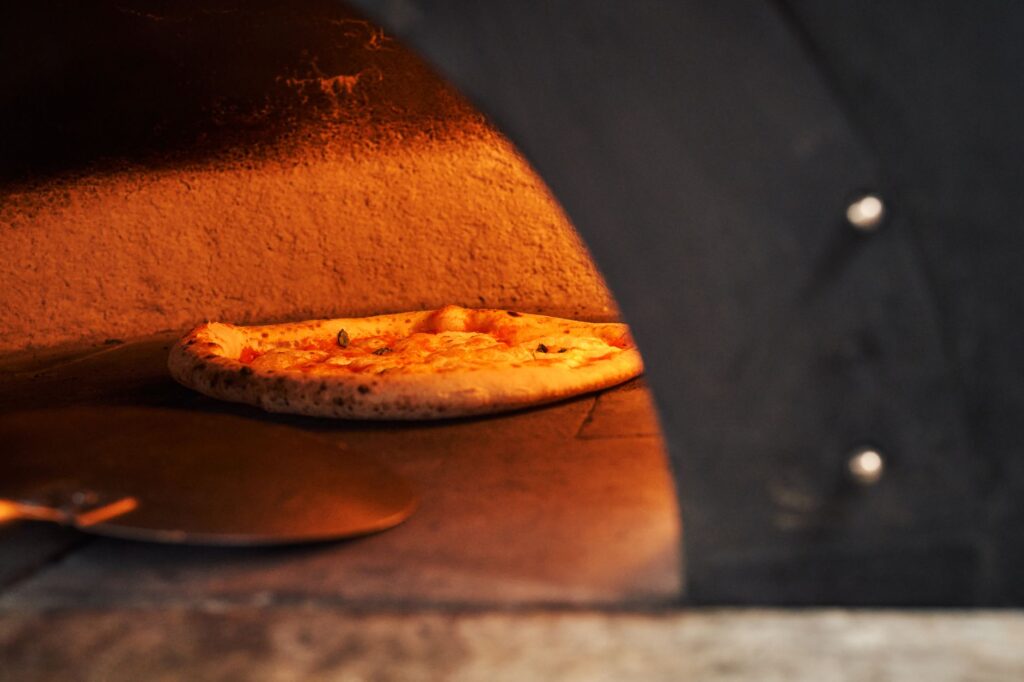
Baldoria’s success rests on a non-negotiable philosophy: the product rules. San Marzano tomatoes arrive directly from Campania, cultivated in volcanic soils that provide unique minerality, while cold cuts and cheeses come from small, hand-picked Italian and Spanish artisanal producers. The dough, light, alveolated, and with an ethereal yet generous cornicione, is the canvas upon which Cristiano draws combinations that respect classicism while winking at traditional recipes. It is an immersive experience where warm, Mediterranean interior design completes a hospitality narrative that captivates both local patrons and the most demanding international travelers.
The Geography of Success: The Spanish Map in the Global Elite
The Spanish landing on the 50 Top Pizza World 2025 list goes far beyond the punctual success of a single restaurant in the capital, drawing an archipelago of excellence that spans different points across the country. Each of the five awarded establishments brings its own voice, a differential nuance that enriches the national landscape and proves that haute pizzeria does not understand peripheral locations, but rather talent and perseverance.
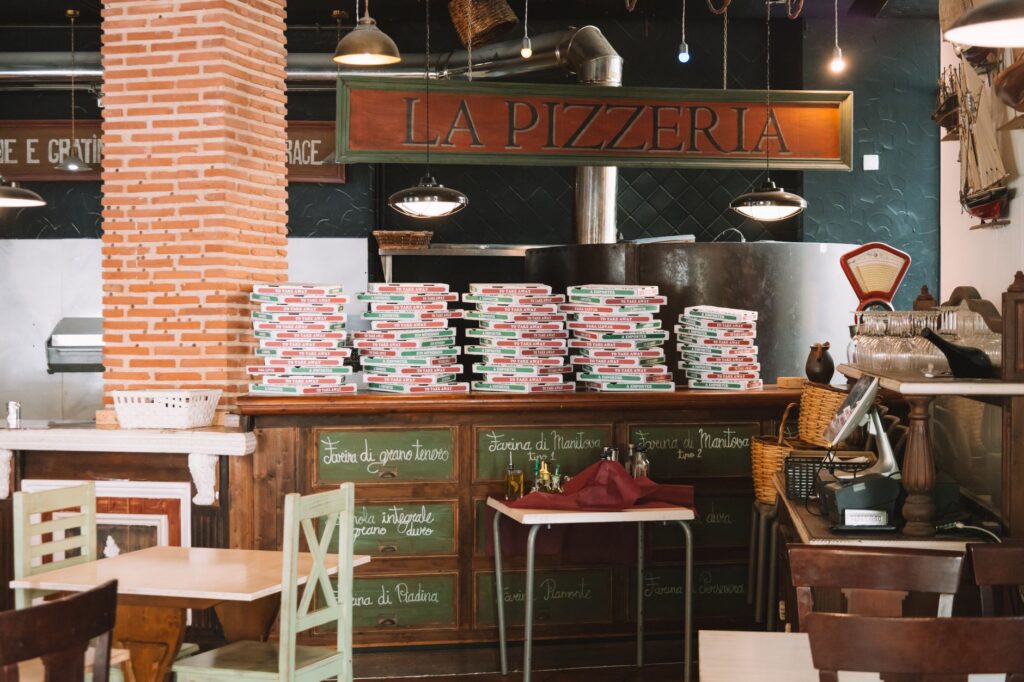
This decentralization confirms that the Spanish public demands quality and is willing to travel miles in search of the perfect dough. From proposals anchored in the most orthodox Neapolitan tradition to projects fusing Italian technique with seafood from the Cantabrian Sea or Mediterranean orchards, the map of pizza in Spain today reflects its rich gastronomic diversity. Diner expectations have acted as a catalyst, raising the general bar and forcing professionals into continuous training ranging from flour chemistry to sustainable supplier management.
The Science of Dough: Fermentation, Hydration, and Digestibility
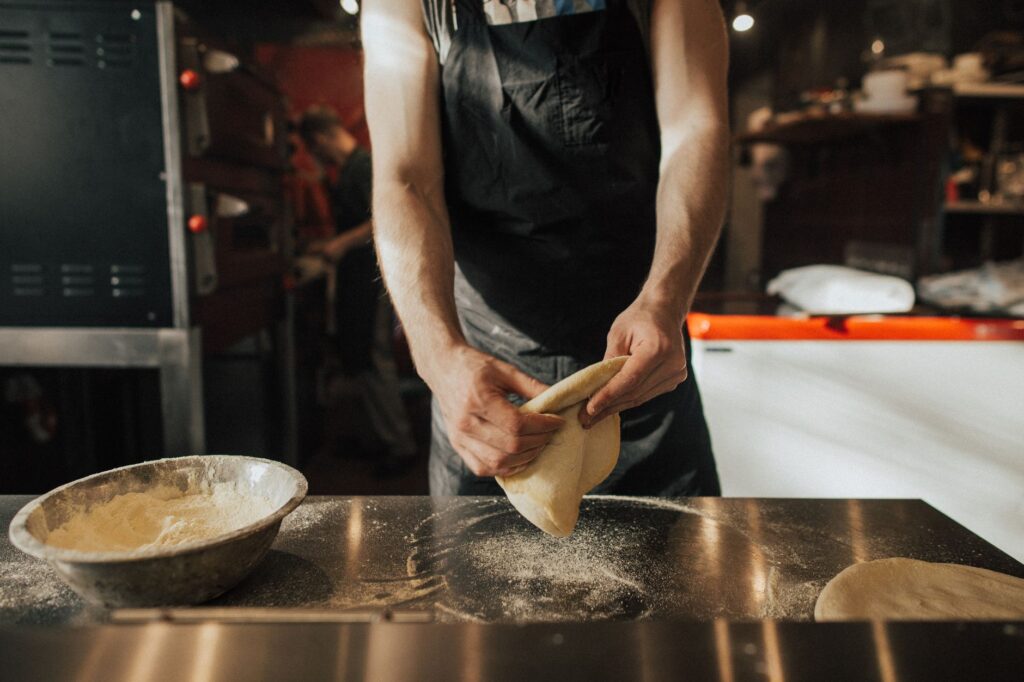
To understand why these pizzerias have won over the international jury, one must descend to the microscopic level of flour and yeast. The current revolution is underpinned by the demystification of the traditional heaviness associated with this dish; today, a great pizza is judged, above all, by its lightness and the absolute absence of subsequent thirst. This is achieved through controlled low-temperature fermentation processes that can last up to seventy-two hours, allowing enzymes to break down complex starches.
Spanish master pizzaiolos work with high hydration percentages, often exceeding seventy percent, granting the interior dough a moist, melting texture crowned by a crisp surface thanks to lightning-fast cooking in ovens reaching around five hundred degrees Celsius. Flour is no longer a passive ingredient, but the living soul of the project, selecting native and whole-grain varieties that contribute toasted notes and complex aromatic profiles in perfect harmony with the toppings.
From Garden to Oven: Local Produce as a Sign of Identity
One of the aspects most celebrated by critics in the awarded Spanish pizzerias is their ability to integrate proximity produce without betraying the Italian essence. Far from limiting themselves to importing all inputs from Naples, chefs like those at Baldoria and other ranking ambassadors have forged alliances with local organic farmers, ranchers, and fishermen from the peninsula to incorporate unique seasonal ingredients.
Thus, it is not uncommon to find on a Neapolitan base vegetables from the Navarrese orchard, extra virgin olive oil from small Andalusian estates, or Iberian acorn-fed cured meats that provide a fascinating fatty and savory counterpoint to tomato acidity. This pantry fusion not only frames a zero-kilometer cuisine with a lower ecological footprint but endows each creation with an unmistakable territorial identity, turning pizza into a cultural bridge between Italy and Spain.
Hospitality and Atmosphere: When Eating Pizza Is a Social Ritual
The phenomenon of haute pizzeria cannot be explained solely through the plate; service, atmosphere, and a sense of community play a fundamental role in the experience. In the awarded establishments, uninhibited hospitality breathes, far from the stiffness of traditional haute cuisine yet endowed with impeccable professionalism. The goal is to recreate the spirit of the modern trattoria: a noisy, joyful, and deeply human space where diners feel welcomed from the very first second.
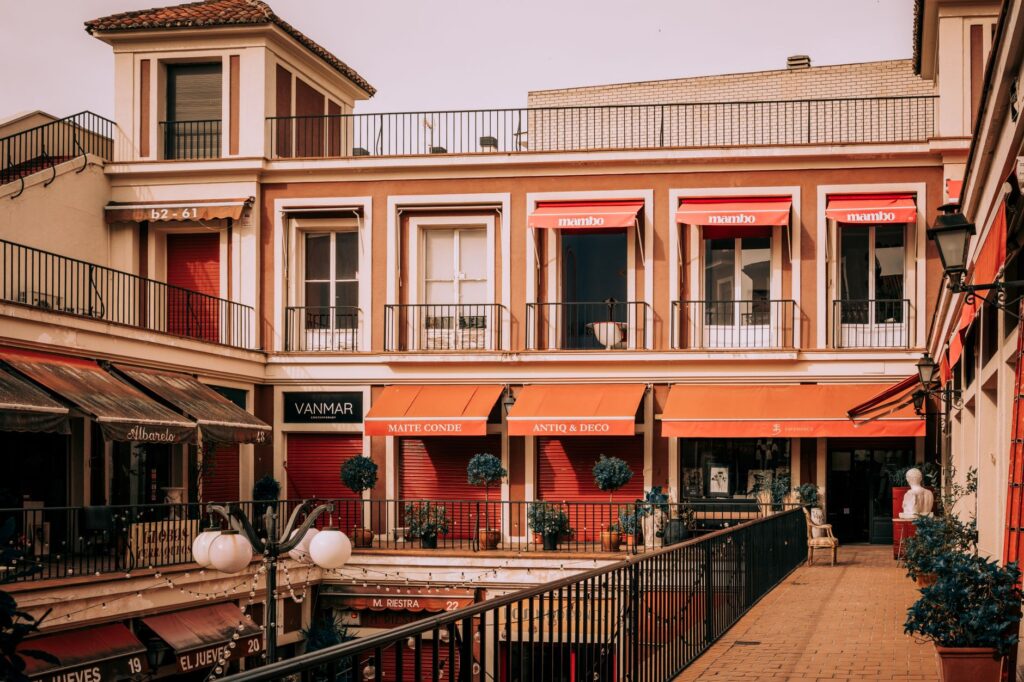
This social approach translates into carefully designed dining rooms where acoustics, lighting, and furniture layout invite long after-dinner conversations and social exchange. The figures of the pizzaiolo and the waiter merge into a single service narrative explaining the origin of each ingredient, the dough’s fermentation time, and the story behind each recipe. Eating a great pizza in these contemporary temples ceases to be an act of mere nutrition to become a shared celebration ritual.
Practical guide
- How to get there: Baldoria is located at 100 José Ortega y Gasset Street, in Madrid’s Salamanca district. It is accessible via metro lines 5 and 9 (Núñez de Balboa station).
- Reservations: Due to its recent international recognition, booking through their official website several weeks in advance is essential, especially for Friday and Saturday dinners.
- Average price: The ticket per person ranges between 30 and 45 euros, depending on whether you opt for shared starters, artisanal desserts, and a selection of Italian wines.
- Expert tip: Do not miss their homemade desserts, especially the tiramisu prepared fresh in front of the diner, and ask the staff about off-menu seasonal special pizzas.
The Future of a Sector That Already Looks Toward Tomorrow
The success of Baldoria and the other Spanish representatives at the peak of 50 Top Pizza World 2025 marks a turning point, but it is far from a final destination. The sector now faces the challenge of consolidation, training new generations of artisans, and sustainable expansion without losing focus on artisanal quality. The demands of today’s consumer, increasingly cultured and knowledgeable in gastronomy, act as a guarantee against complacency.
While ovens continue to be lit every dawn in Madrid, Barcelona, and other corners of the country, Spanish pizza proves that true mastery lies in the humility of origins combined with the ambition of knowledge. Ultimately, each baked disk of dough is a reminder that the boundary between popular and haute cuisine is, in reality, an imaginary line drawn by respect for the product and love for the craft. The white revolution is here to stay, transforming every bite into a taste of contemporary history.
Source in EN: Condé Nast Traveler Spain