
A New Cartography for Cultural Tourism in the Middle East
For decades, the global tourism industry projected a heavily polarized image of the Middle East, oscillating between the hyper-modern luxury of major urban centers and an archaeological fascination with ancient civilizations. In recent years, however, a subterranean yet profoundly transformative movement has begun to reshape this narrative. Recent news flows, reflected in specialized publications such as Travel & Tourism News Middle East, highlight a paradigm shift where contemporary art, heritage management, and creative industries emerge as primary drivers of attraction for global travelers. It is no longer merely about contemplating ruins under the desert sun or touring colossal shopping malls, but about understanding the complex social, aesthetic, and identity dynamics coursing through one of the most dynamic regions on Earth.
This report examines how public institutions, independent creators, and tourism operators are weaving a network of experiences that transcend conventional leisure. Through a detailed analysis of recently inaugurated cultural infrastructure, independent art festivals, and heritage preservation policies, we explore a territory in dialogue with its past while fully engaged with global avant-gardes. Contemporary travelers arriving in these latitudes seek authenticity, intellectual depth, and direct contact with local creators who challenge orientalist stereotypes.
The Architecture of Memory: Museums as 21st-Century Agoras
The urban landscape of the Middle East has undergone a radical transformation through the construction of monumental cultural infrastructure. Far from acting merely as containers for valuable objects, these spaces are conceived as modern public plazas or agoras dedicated to debate, education, and intercultural encounter. Internationally renowned architects have collaborated with local creators to erect buildings that respond directly to the climate, light, and desert topography, utilizing traditional latticework, interior courtyards, and indigenous materials reinterpreted through a contemporary lens.

These museums and art centers do not operate in isolation; they are part of integrated cultural districts that combine artist residencies, public libraries, and performance venues. The programming of such institutions avoids encyclopedic accumulation in favor of critically engaging temporary exhibitions, addressing themes ranging from human migration to the ecological impact of industrialization across the Gulf and the Levant. For the tourism sector, this represents a fundamental evolution: visitors are no longer passive spectators, but active participants in global conversations on art and society.
The contemporary museum in the Middle East has ceased to be a showcase for international prestige, transforming instead into the primary laboratory for civic self-awareness and regional aesthetic debate.
Concurrently, local communities have begun to take ownership of these spaces, dismantling the preconception that contemporary art is an alien or imported phenomenon. Community workshops, cultural mediation programs, and grants for young creators ensure that museum offerings resonate with the concerns of the domestic population, enriching the foreign visitor’s experience with genuinely local perspectives.
Emerging Scenes: The Pulse of Independent Art
Beyond institutional circuits, a vibrant independent art scene flourishes within converted industrial alleyways, old markets, and historic neighborhoods of regional capitals. Self-managed galleries, performance collectives, and artist residency spaces are rewriting the rules of cultural production. These alternative enclaves allow artists to tackle complex themes—from urban memory to digital experimentation—free from official censorship or mass-market demands.

Community-based cultural tourism finds its highest expression in these spaces. Travelers interested in the creative backstage of the region can access open studios, informal debates, and ephemeral exhibitions rarely featured in mainstream guidebooks. This direct contact fosters an enriching human exchange, allowing visitors to understand the daily struggles and triumphs of those sustaining the local arts scene.
Alternative cultural tourism routes connect these micro-spaces with auteur gastronomy, independent design, and experimental music, generating a sustainable economic ecosystem that directly benefits neighborhoods and emerging creators. It is a mode of travel that subverts traditional tourist consumption, prioritizing listening, respect, and mutual learning.
Living Heritage: Conservation as Community Dialogue
The preservation of material and intangible heritage in the Middle East has moved away from rigid museological approaches to embrace participatory methodologies. The restoration of historic centers, medinas, and mud-brick villages is no longer conceived as an exercise in aesthetic fossilization, but as a dynamic process engaging original inhabitants. Urban regeneration projects across the region demonstrate that it is possible to revitalize local economies through cultural tourism without displacing resident communities or emptying historic spaces of social content.
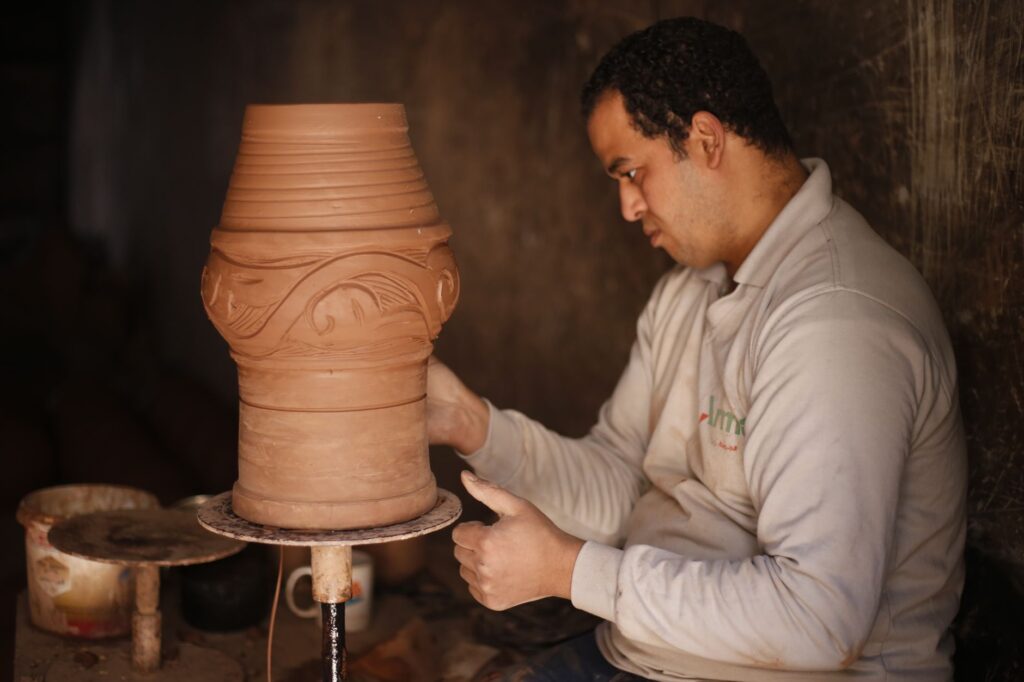
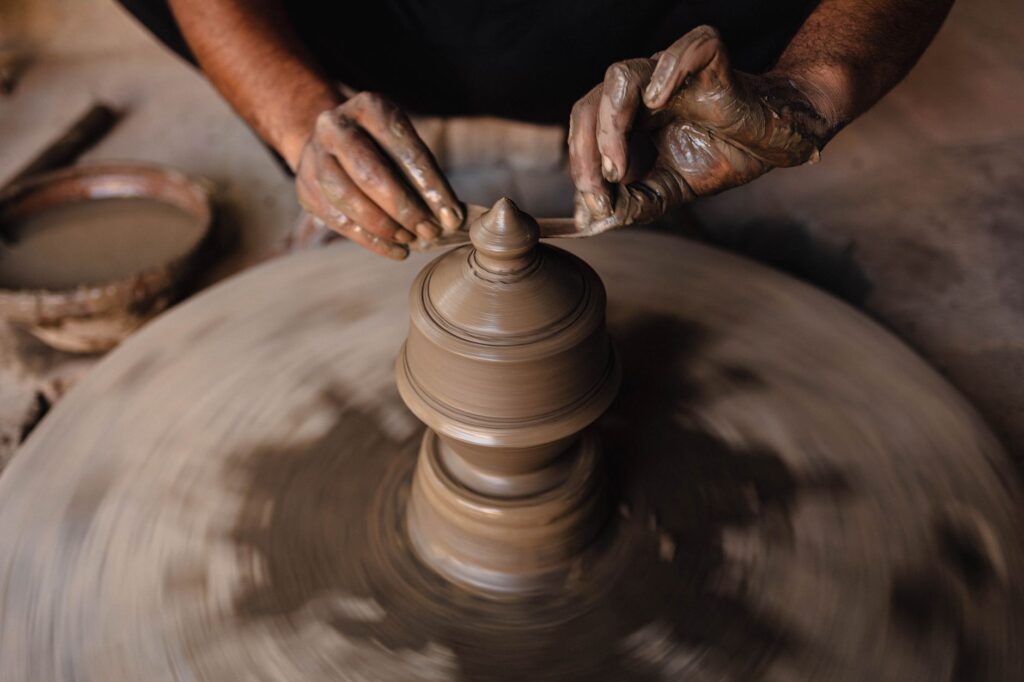
This holistic approach includes safeguarding traditional crafts—from ceramics and weaving to architectural carpentry—integrating them into tourist circuits where visitors can observe and learn directly from master artisans. Consequently, heritage ceases to be a static resource, becoming a living tool for intergenerational transmission and sustainable economic development.
- Participatory traditional restoration workshops with local artisans.
- Vernacular architecture routes guided by historians and residents.
- Programs dedicated to recovering ancestral agricultural landscapes and historic irrigation systems.
Integrating these initiatives into global tourism offerings demands a delicate balance between public access and the protection of daily life. Responsible tour operators work hand in hand with local councils to establish appropriate carrying capacities and ensure that economic benefits directly support heritage conservation and social well-being.
Festivals and Cultural Nomadism: The Ephemeral Calendar
The cultural dynamism of the Middle East manifests with particular intensity through its seasonal festival calendar. From contemporary art biennials and independent film showcases to international gatherings of experimental music and poetry, these events temporarily transform urban and rural landscapes, turning public spaces and remote deserts into stages for global artistic experimentation.

Such events attract an international community of critics, curators, artists, and nomadic travelers seeking unique immersive experiences. Unlike seasonal mass tourism, festival tourism fosters longer stays and deeper interaction with the local social fabric. Visitors live alongside the population during key weeks, participating in open debates, outdoor workshops, and presentations that blur the boundaries between creator and spectator.
Contemporary cultural festivals in the region act as temporary catalysts for creative freedom, redefining the use of public space and the international perception of its cities.
The sustainability of these large-scale events remains one of the greatest challenges for organizers, who increasingly implement measures for carbon footprint reduction, efficient waste management, and the prioritization of local suppliers. The overarching goal is to demonstrate that large-scale cultural tourism can be fully compatible with environmental respect and social cohesion.
Practical guide
Planning a cultural tourism itinerary in the Middle East requires careful prior research and a flexible attitude toward local rhythms. Essential recommendations are outlined below to optimize the travel experience from an ethical and informed perspective.
- Best time to visit: The months between November and March offer the most favorable weather conditions for exploring both urban centers and outdoor heritage sites.
- Transportation and mobility: Combining high-speed rail lines and regional flights with local car rentals is recommended to access rural and independent heritage projects.
- Respect and dress codes: In cultural spaces, places of worship, and traditional communities, dressing modestly and respecting local guidelines regarding photography and privacy is essential.
- Advance booking and planning: Biennials, festivals, and artist residencies often require acquiring accreditations or tickets in advance through official online platforms.
- Responsible consumption: Prioritize hiring certified local guides and purchasing crafts directly from community workshops to support local economies.
Epilogue: The Indelible Imprint of a Shared Horizon
The journey through the artistic expressions and living heritages of the Middle East inevitably concludes with a transformation in the traveler’s perspective. Cities and landscapes that initially appeared as distant enigmas are revealed as vibrant human spaces inhabited by creators, thinkers, and communities in uncompromised dialogue with the great dilemmas of our time. Ancient architecture and avant-garde art are neither relics of the past nor fleeting trends here, but the essential components of a present in constant reinvention.
Upon returning home, the traveler’s luggage carries not only objects or photographs, but the certainty of having witnessed the birth of a new regional renaissance. A renaissance built from the ground up, where culture and sustainable tourism act as irreplaceable tools for mutual understanding and global peace.
Source in EN: Adapted and verified from news flows via Travel & Tourism News Middle East (Cultura travel tourism when:14d).