
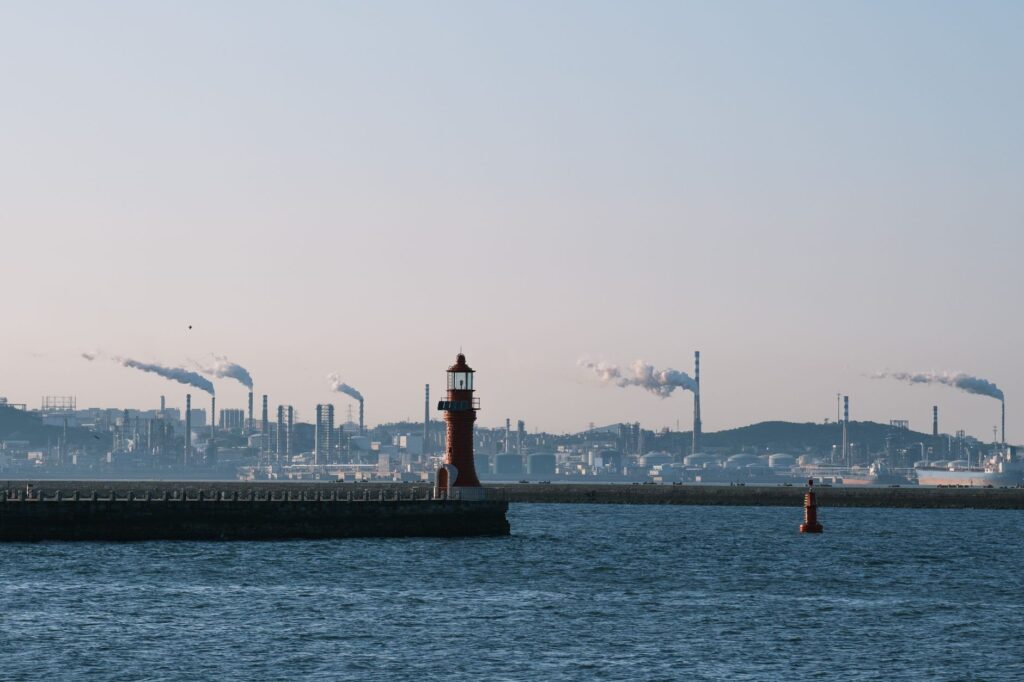
On the northern coastline of the Valparaíso region, the name of Puchuncaví has echoed for decades alongside factory smokestacks, mineral loading, and the invisible scars of an industrial development model that radically altered the landscape. Yet, beneath the surface of this environmental sacrifice history, a tenacious community beats—one that refuses to be reduced to a pollution statistic. Today, a glimmer of cultural transformation emerges from the margins, driven by joint initiatives between port corporations like Puerto Ventanas and local inhabitants who seek to resignify the territory through festivals blending traditional cuisine and memory on wheels.
This report examines how a recent cultural event—featuring gastronomic showcases and vintage vehicle exhibitions—acts as both a symptom and a catalyst for a deeper shift. This is not a mere public relations exercise, but rather a complex tug-of-war between the need for economic diversification, historical reparation, and the urgency of building sustainable tourism that recognizes the human value of Puchuncaví beyond its role as an industrial sacrifice zone.
The Shadow of the Smokestacks: Geographic and Historical Context
To understand the magnitude of any cultural initiative in Puchuncaví, it is essential to confront its recent past. During the second half of the twentieth century, this coastal strip was strategically selected to host thermoelectric complexes, copper smelters, and deep-water maritime terminals. National progress was built, to a large extent, on the energy generated by these communes, while local artisanal fishers and farmers watched their traditional coves and farmland yield to industrial expansion.

The imposition of an industrial monoculture left deep fractures in the social fabric and in the trust between citizens and operating companies. Successive environmental crises and the perception of state abandonment consolidated an image of a neglected zone. In this adverse scenario, local culture and gastronomy do not emerge as superfluous pastimes, but as tools of community resistance and identity affirmation—a tangible reminder that before the pier and asphalt, there existed a way of inhabiting the land rooted in the sea, the earth, and neighborly reciprocity.
The Engine of Memory: Classic Cars and Rolling Heritage
One of the central attractions of the recent cultural convergence promoted in the area has been the exhibition of classic vehicles, an endeavor seemingly disconnected from ecological debate yet profoundly charged with symbolism. Vintage automobiles, restored with artisanal patience by local collectors and enthusiasts, function as rolling museums evoking an era when time seemed to flow at a different pace along the Ventanas coast.
Restoring an antique engine is, in many ways, an act analogous to rescuing collective memory. Each polished bodywork and perfectly tuned motor summons generations around shared wonder. Grandparents who once traveled these roads in similar models reconnect with their grandchildren, establishing an intergenerational bridge where the vehicle ceases to be a mere means of transport and becomes an aesthetic and emotional object challenging the planned obsolescence of the modern world.
Flavors of the Coastline: Gastronomy as Identity Narrative
Alongside the parade of automotive history, local cuisine occupies a paramount space in the recovery of public space. Puchuncaví’s cooking is the direct offspring of the confluence between the Pacific and the interior valleys; a recipe book dominated by seafood products—such as abalone, macha clams, and rock fish—combined with vegetables grown in surrounding plots.
In the booths set up for the event, traditional cooks and new gastronomic entrepreneurs offered preparations telling the story of the place without artifice. This is not international haute cuisine, but honest fare vindicating the human warmth of coves like Ventanas and Horcón. By consuming local produce, visitors not only nourish themselves but actively participate in a human-scale circular economy, supporting families who have resisted real estate and industrial pressure by defending their broths, seafood empanadas, and dishes paired with wines from neighboring valleys.
Sustainability and Governance: The Industry’s Role in Transformation
The active participation of corporate actors like Puerto Ventanas in community cultural events opens an inescapable debate about sustainability and the social license to operate. In a historically polarized territory, collaboration between private enterprise and civil groups is viewed with hope by some and legitimate skepticism by others.
True sustainability requires going beyond sporadic patronage. Local development experts agree that these recreational instances must be the prelude to permanent policies of environmental mitigation, productive diversification, and promotion of special-interest tourism that does not overwhelm fragile local ecosystems. Participatory governance thus presents itself as the only viable path for the community to cease being passive spectators and assume effective control over its own tourist and cultural destiny.

Special-Interest Tourism as an Alternative to Monoculture
Puchuncaví’s economic future cannot and must not continue resting exclusively on the industrial carrying capacity of its coast. The push for heritage festivals, gastronomic routes, and slow tourism circuits demonstrates a growing demand for authentic experiences, respectful of the environment and connected to local realities.
This decentralized approach disperses visitor flows beyond the peak summer season, dynamizing the economy of small corner shops, family-run guesthouses, and artisanal workshops. By valuing intangible heritage—recipes, coastal legends, mechanical and marine trades—the commune positions itself not as an industrial backyard, but as a cultural destination with its own identity and resilience capacity.
Voices of the Territory: Testimonies of a Moving Community
Behind every gastronomic stall and classic vehicle on display lie the stories of men and women who have decided not to migrate and to bet on their land. Led by neighborhood councils, cultural groups, and converted fishing unions, organizing efforts prove that the social fabric remains alive despite adversities.
«We want our children to remember Ventanas for its festivals, its food, and its people, not just for pollution news», notes one of the organizing neighbors during the event. This testimony encapsulates the territory’s fundamental tension: the legitimate desire for healing and celebration against a deeply altered physical environment. Culture becomes, in this context, a form of collective healing and a reminder of human dignity.
True coastal sustainability is not born in corporate offices, but in the capacity of a wounded community to invite those who once looked upon it with indifference to the table and to wonder.
Pending Challenges: Where Puchuncaví is Heading
Despite the success of these cultural gatherings, Puchuncaví’s structural challenges remain monumental. A just ecological transition requires colossal investments, sustained political will, and relentless citizen monitoring to guarantee air, water, and soil quality.
Sustainable tourism and heritage events are necessary sparks, but insufficient on their own to resolve decades of environmental liabilities. They must be understood as the beginning of a community empowerment process that forces a rethinking of territorial planning across the entire bay, prioritizing human health and ecological preservation over extractive maximization.
Practical guide
- How to get there: Puchuncaví is located about 160 kilometers northwest of Santiago and 50 kilometers from Valparaíso. By private car, the main access is via Ruta 68, turning onto Ruta F-30-E toward Concón and Quintero. By public transport, regular buses run from the main terminals in Valparaíso and Viña del Mar to the commune’s various localities.
- When to visit: Although the coast maintains a temperate climate year-round, the ideal season to enjoy outdoor cultural events and local gastronomy spans from spring (October) to the end of summer (March). It is recommended to check the municipal activity calendar to coincide with heritage showcases and classic car gatherings.
- Where to eat: The coves of Ventanas and Horcón concentrate the best offering of traditional eateries and restaurants specializing in fresh seafood. Favor establishments run by their own owners and local fishing cooperatives to support the human-scale economy.
- Travel recommendations: The northern coastline features stretches with particular wave and wind conditions. Always respect the instructions of maritime authorities, avoid single-use plastics, and collaborate with cleaning beaches and public spaces during your stay.
Epilogue: The Echo of Engines Against the Infinite Sea
When evening falls over Ventanas Bay, the sun’s reflection on the Pacific seems for a few moments to erase the imposing silhouettes of industrial infrastructure. The gentle, steady purr of the last classic engines leaving the main square merges with the constant sound of breaking waves on the shore. In that suspended moment, Puchuncaví reveals its deepest truth: a territory that, even while carrying the marks of its heavy history, finds in the simple beauty of a shared meal and the shine of polished bodywork the indestructible strength to reinvent its own future.
Rewriting the future of an industrial zone does not erase its past, but it proves that memory and community joy are more persistent than steel and coal.
Source in EN: Data Portuaria / Original coverage of cultural events and local development in Puchuncaví (https://news.google.com/rss/articles/CBMiuwFBVV95cUxNSnNwSDBJNW82N2pFc2RPQ1ZyMTY5VXFGVldKY2ltd3hEZzJSUlV0Sl9DeTJSUWZrU3Fnbjc2b2EzWUhpTm1vWEg0bHF5NTJkVTZlNDU2ZlpGVEIzemdJTEZxa0hDSlNZZ0JheURzX0pRT1BpUnpzRXFJVEZKdHNWUUQ0b2lGV3NwVW5QdUdaZ2QtQkJmR2lGc3lZSzlkd3lERmFXUFgtNEpqRy1SczZFYkpLRThUY05CWVBj?oc=5)