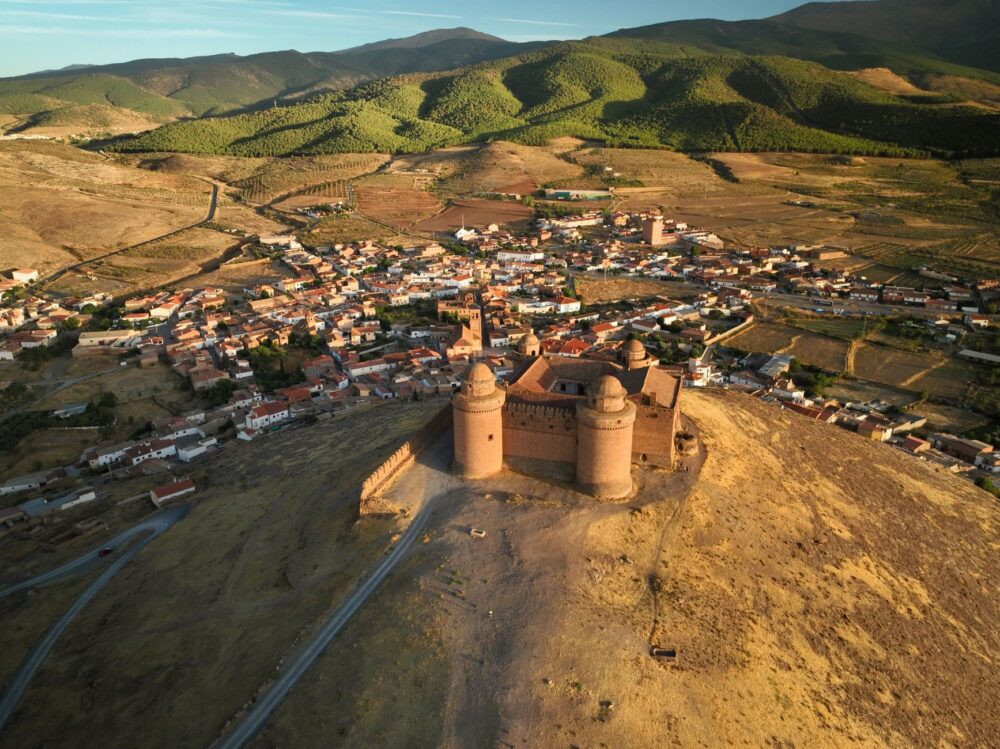
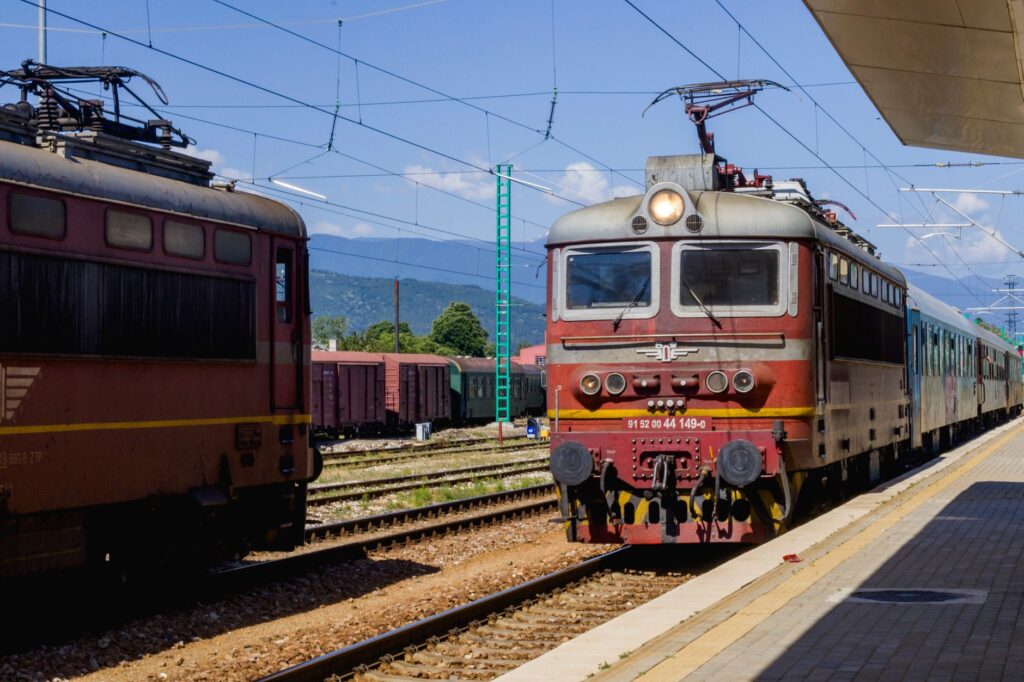
The metallic whistle of the locomotive as it departs the Naushki station marks the beginning of one of the most drastic landscape transformations on the planet. Crossing the Russian border into Mongolian territory aboard the transcontinental railway network is not a simple geographical displacement, but a deliberate immersion in a logistics system where time is measured in time zones and distances defy human scale. This steel corridor, built upon Soviet-inspired broad gauge, represents the vital artery connecting northern steppes with the bustling markets of northern China, cutting through plateaus where the horizon is broken only by the circular silhouettes of nomadic dwellings and the mountain spurs flanking the Gobi Desert.
Planning a railway expedition of this magnitude requires understanding that the train is not merely a means of transport, but a self-sufficient platform for survival and observation. Technical complexity begins with rolling stock selection and comprehension of customs protocols at Naushki and Zamiin-Uud, critical bottlenecks where gauge differences and security checks demand hours of technical standstill. Far from the romanticized tourism painted in commercial brochures, the independent traveler must meticulously manage provisions, onboard drinking water, and prolonged coexistence in four-berth compartments where the atmosphere becomes saturated with the aroma of steaming black tea, waxed wood, and the mineral coal fueling independent heating systems in each carriage.
The Geography of the Steppe and Landscape Reading from the Window
As the convoy penetrates the heart of Mongolia, the infinite grassland unfolds like a green and golden sea that seems to have no end. Reading the steppe landscape from the window requires paying attention to subtle changes in geomorphology: the rounded northern hills, locally known as ovoo and marked by stone mounds and ritual offerings, progressively give way to sandy and stony southern depressions. This ecological transition is not merely visual, but conditions the lives of pastoral communities inhabiting the environment, whose millennia-old resilience manifests in the strategic placement of their camps against the dominant winds of the Siberian winter.
Analyzing historical caravan routes running parallel to the railway tracks reveals how railway modernity has largely respected ancient Tea Road commercial layouts. Passengers observing the exterior during long hours of travel can identify vestiges of ancient water wells, ruins of Buddhist monasteries destroyed during the twentieth century, and the persistence of an equestrian culture continuing to challenge the apparent desolation of the surroundings. Each stop at remote stations like Sukhbaatar or Darkhan constitutes an anthropological window to examine local trade, where fermented dairy products like airag are exchanged for fresh provisions brought by travelers.
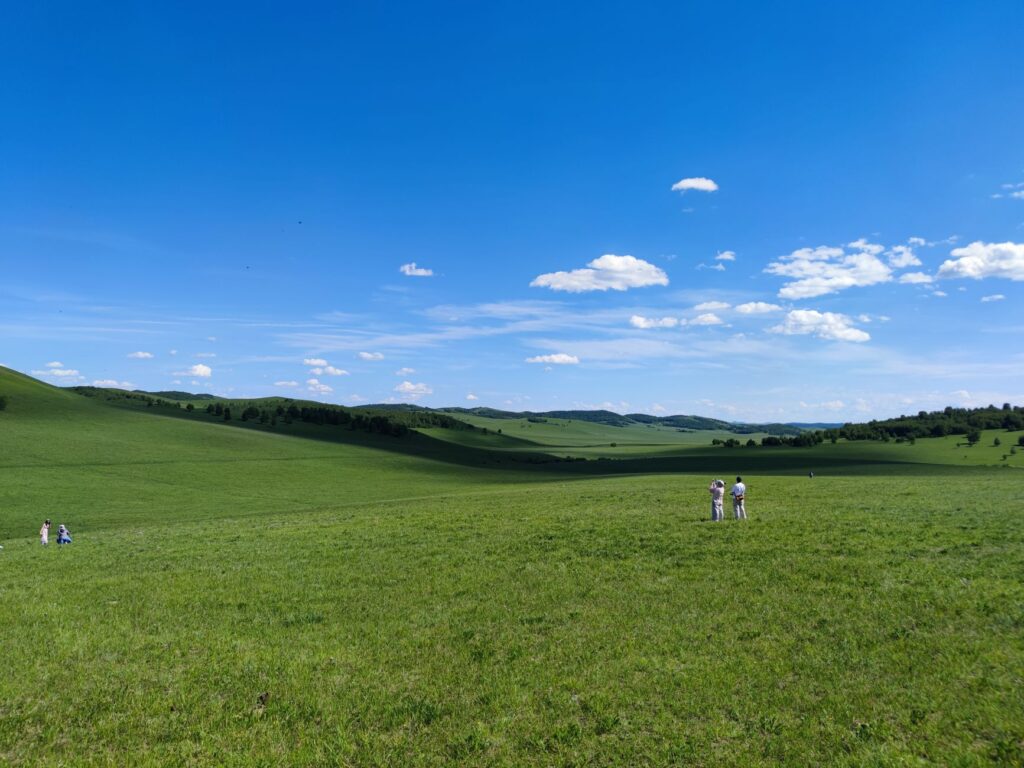
The train does not shorten distances; it rescales them, compelling the traveler to inhabit the intermediate space with the patience of one who understands that the destination is movement itself upon the rails.
The structural stability of the railway line depends on complex engineering designed to withstand extreme thermal oscillations exceeding eighty degrees of difference between harsh winters and continental summers. Local railway engineers must constantly deal with seasonal permafrost and snow accumulation driven by hurricane-force blizzards, utilizing preventive maintenance techniques ensuring the continuity of this vital line for the Mongolian economy. For the expeditionary, observing track crew work from the train offers a unique perspective on the titanic effort required to keep this route open in Asia’s confines.
Life on Board: Organization, Coexistence, and Compartment Autonomy
Sharing a confined space for days on end demands an unspoken code of coexistence and rigorous organization of personal luggage and supplies. In Kupé-class carriages, order is an imperative necessity: backpacks and supply boxes must fit millimetrically under lower seats or in upper storage racks. The inexhaustible source of boiling water, located at the end of each carriage via the traditional samovar, becomes the social epicenter where local passengers, cross-border traders, and international adventurers converge around instant soups, dehydrated noodles, and shared cups of tea.
Managing hygiene and rest in a constantly vibrating environment requires physical and mental adaptation. Schedules blur to the rhythm of time zone shifts and the monotonous, rhythmic clatter over rail joints. It is essential to have comfortable layers of breathable clothing, easy-to-remove footwear for inside the carriage, and a headlamp or handheld flashlight for nighttime hours, when central electricity often cuts out during the steppe’s most isolated stretches. Food autonomy is supplemented by quick incursions onto platforms during extended stops, where local vendors offer steamed lamb dumplings known as buuz.

The human component of the journey is enriched by the presence of carriage attendants, known as provodnik or provodnitsa, figures of indisputable authority responsible for maintaining cleanliness, regulating temperature via the coal stove, and ensuring traveler safety. Establishing a relationship of mutual respect with these railway veterans greatly eases the resolution of minor daily mishaps, from obtaining clean bed linens to receiving advance notice regarding upcoming complex transit stations and exact maneuvering times.
The Logistical Challenges of Borders: Procedures and Technical Adaptations
Border crossings along the Trans-Mongolian corridor represent the critical point of highest operational tension for any railway expedition. At the Russia-Mongolia border, immigration and customs controls are conducted directly with passengers aboard the train, a meticulous process that can stretch for hours during the dead of night. Officers inspect documents, visas, and luggage with methodical rigor, while sniffer dogs patrol narrow corridors. Keeping documentation in order, easily accessible, and free of alterations that might cause suspicion or unnecessary delays in the convoy’s progress is paramount.
Unlike bogie changes required at the Chinese border due to standard gauge, access to Mongolian territory occurs over the same broad-gauge infrastructure inherited from the Soviet era, considerably simplifying journey mechanics while exempting no traveler from complying with strict phytosanitary and customs regulations regarding food and currency imports. Partial digitization of records has not eliminated traditional bureaucratic components, making patience and composure before uniformed authorities tools for survival as vital as a good map or first-aid kit.
For expeditionaries continuing their route toward Beijing, passing through Erenhot introduces the fascinating technical spectacle of axle-gauge conversion. During this operation, the entire train is lifted via gigantic hydraulic jacks while passengers remain inside, replacing Russian bogies with Chinese ones to adapt to international gauge. This procedure, requiring up to four hours of silent maneuvers in colossal industrial hangars, symbolizes the definitive suture between two radically opposed railway worlds and marks the prelude to descent into northern China’s plains.

Ulaanbaatar and the Logistical Enclaves of the Mongolian Plateau
Arrival at Ulaanbaatar’s central station marks an abrupt break with steppe monotony, introducing the traveler to a capital undergoing deep urban transformation where socialist-era concrete blocks coexist with peripheral traditional yurt districts surrounded by coal smoke columns. This city, situated over one thousand three hundred meters above altitude, functions as the indispensable nerve and logistics center for any expedition intending to subsequently delve into the Gobi Desert or the Altai mountain ranges. Here, technical supplies, circulation permits, and contacts with local guides specialized in terrestrial navigation across dirt tracks are concentrated.
In Ulaanbaatar, the nomadic past and the urgency of mineral modernity intersect at every corner, reminding the traveler that Mongolia advances toward the future driven by the force of its subterranean resources.
The black market and Soviet military surplus warehouses in the capital offer unique opportunities to acquire extreme cold-weather gear, insulated canteens, and mechanical spare parts difficult to find in conventional circuits. Likewise, visiting institutions like the National Museum of Mongolia allows historical contextualization of the territory just traversed on rails, connecting the visual experience of the steppe with Genghis Khan’s imperial legacy and the country’s complex contemporary geopolitics between two Asian giants.
Urban logistics also involve securing satellite or local communications before leaving cellular network coverage, a critical step if the subsequent route contemplates entering regions where signal is nonexistent. Expedition centers in Ulaanbaatar provide updated topographic maps, detailed weather forecasts, and advice on the current state of mountain passes and seasonal riverbeds, indispensable elements to transform the journey into a safe and methodically controlled enterprise.
Practical guide
How to get there: The primary access to the corridor is achieved by flying to Moscow or Beijing, traditional starting points to board international trains on the Trans-Mongolian route jointly operated by Russian, Mongolian, and Chinese railways.
Best time for expedition: The months from June to September offer the mildest temperatures on the steppe, with long days and optimal accessibility on secondary routes, though winter (November to February) attracts expeditionaries specialized in extreme Arctic environments.
Visa requirements: It is mandatory to secure transit or tourist visas for Russia, Mongolia, and China in advance, paying special attention to exact entry and exit dates declared on train tickets.
Recommended equipment: Merino wool layering clothing, high-resistance windbreaker jacket, sleeping bag with sub-zero comfort rating for old compartments, water purifier, and universal power adapters.

Health and safety: Carry an advanced medical kit with medication for gastrointestinal disorders, analgesics, oral rehydration salts, and medical documentation translated into Russian or English.
Currency and payments: The Mongolian tögrög is local currency, but pristine US dollars and international credit cards are accepted in Ulaanbaatar hotels and agencies; local cash is required for small shops at intermediate stations.
Customs regulations: Transporting antiquities without official certification, protected animal pelts, and undeclared foreign currency surpluses upon entering or leaving national borders is strictly prohibited.