
Introduction to the Honshu Alpine Corridor
The central geography of Japan has historically represented one of the most formidable challenges for the archipelago’s engineering and mobility. Amidst jagged peaks and steep valleys where the Kiso River has sculpted stone for millennia, transportation has evolved from relying exclusively on human effort to mastering steep gradients with cutting-edge technical solutions. This corridor, which once linked the ancient imperial capital of Kyoto with the shogunate in Edo via the Nakasendo trail, now maintains a complex overlapping of logistical layers where limited express trains and century-old rail lines wind parallel to ancient wooden post towns.
Understanding the evolution of this territory requires examining how modern connectivity needs adapt to a highly protected and rugged natural environment. The Chuo Line, a fundamental artery managed by JR Central, not only connects major metropolises like Nagoya and Nagano but acts as a vital conduit for understanding the transition from feudal Japan to the industrial era. Far from being a simple high-speed transit route, the Kiso Valley railway stands as a case study on how heavy engineering can integrate into landscapes of immense heritage and ecological value without disrupting their millennial equilibrium.
The Valley Topography and Geological Challenge
The relief of the Kiso Valley is dominated by the Kisoji mountains and the foothills of the Central Japanese Alps, terrain where slopes frequently exceed 45 degrees and landslides pose a constant, threatening challenge during the typhoon and thaw seasons. To chart a railway line capable of moving both heavy freight and passengers at consistent speeds, engineers from the Meiji era and successive 20th-century administrations had to conceive a millimeter-precise layout that pierces the rock through an endless succession of tunnels and high-strength metal bridges.
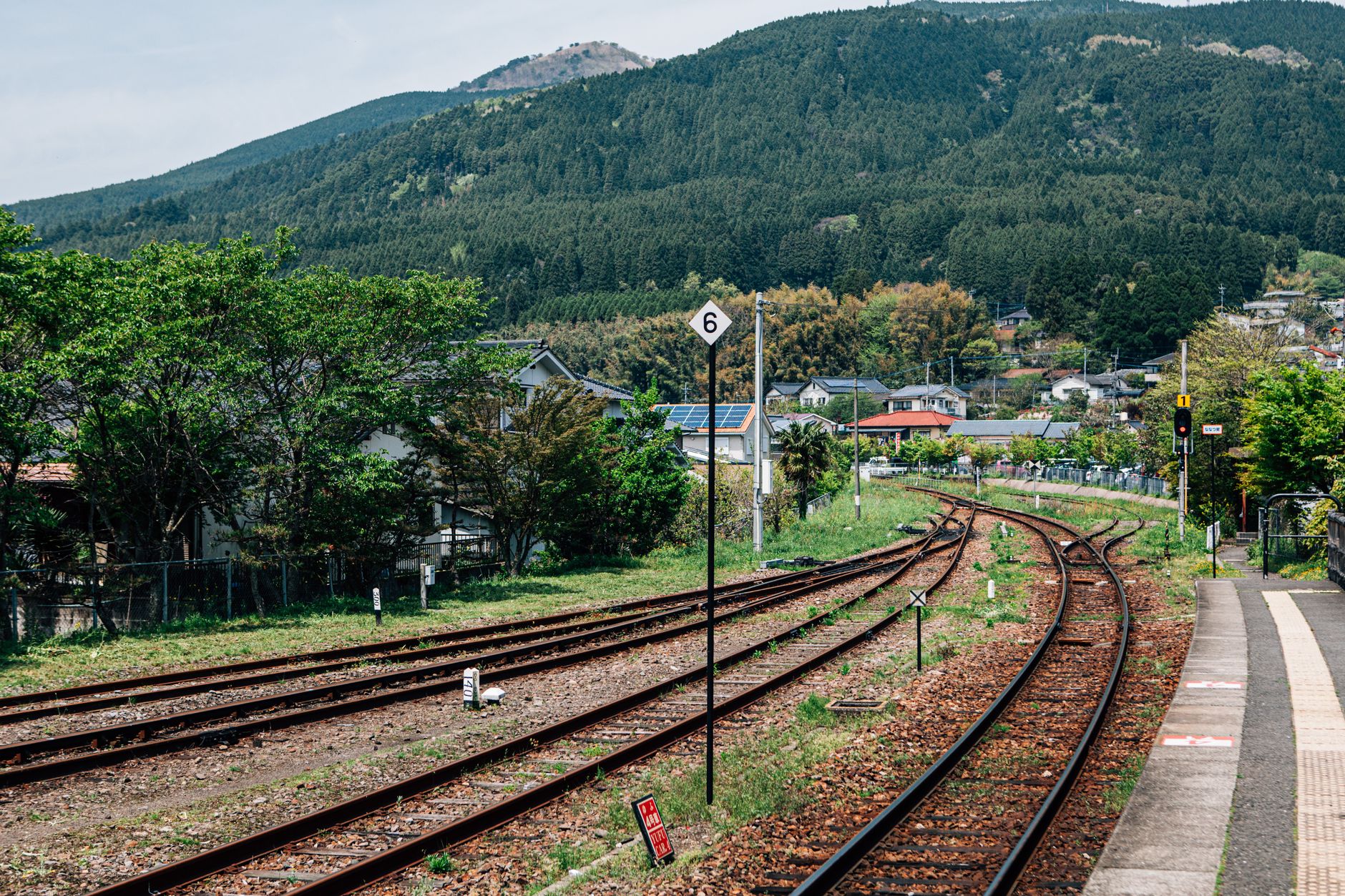
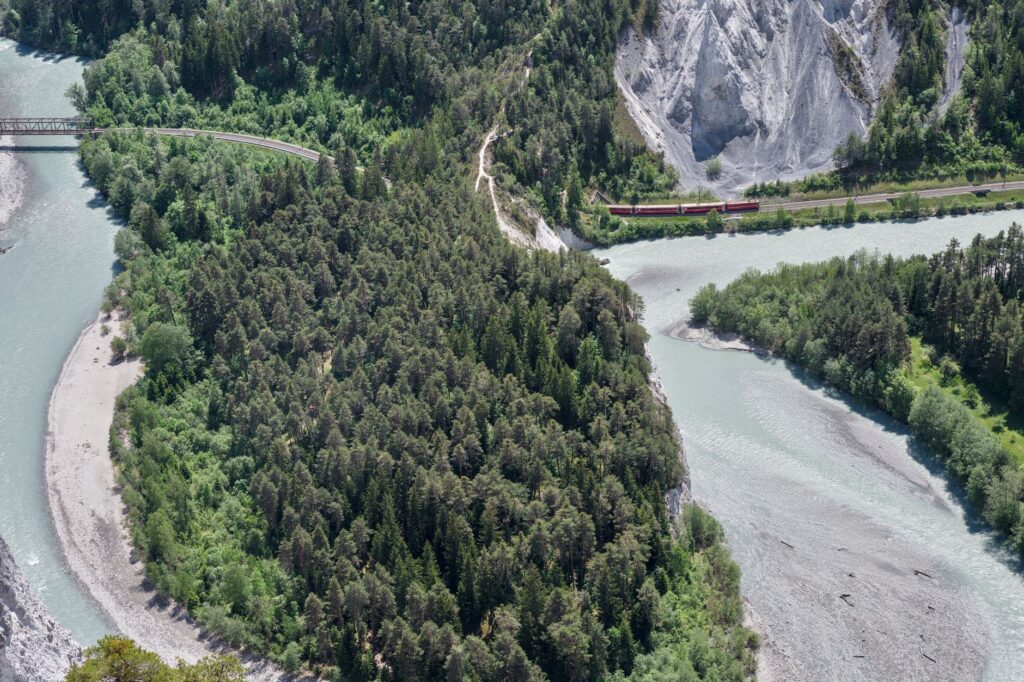
Unlike coastal lines boasting wide alluvial plains, the Kiso railway advances by hugging the contour lines of the river, utilizing cyclopean stone buttresses to stabilize embankments over muddy riverbanks. This abrupt orography dictated that each station be carved literally into the base of the mountain, necessitating complex subterranean drainage systems that prevent the saturation of ballast foundations and guarantee structural safety against the region’s frequent seismic activity.
Technological Evolution: From Steam to Pendular Electric Traction
The history of traction in the Kiso corridor faithfully reflects the technological modernization of Japanese rail transport. In the early decades of the 20th century, steam locomotives struggled immensely to overcome the continuous ramps of the Torii pass, requiring auxiliary pushing power and frequent technical stops for water and coal replenishment at intermediate stations like Narai and Yabuhara. The dense smoke from these engines darkened the narrow gorges, turning operations into a task of extreme demand for train crews.
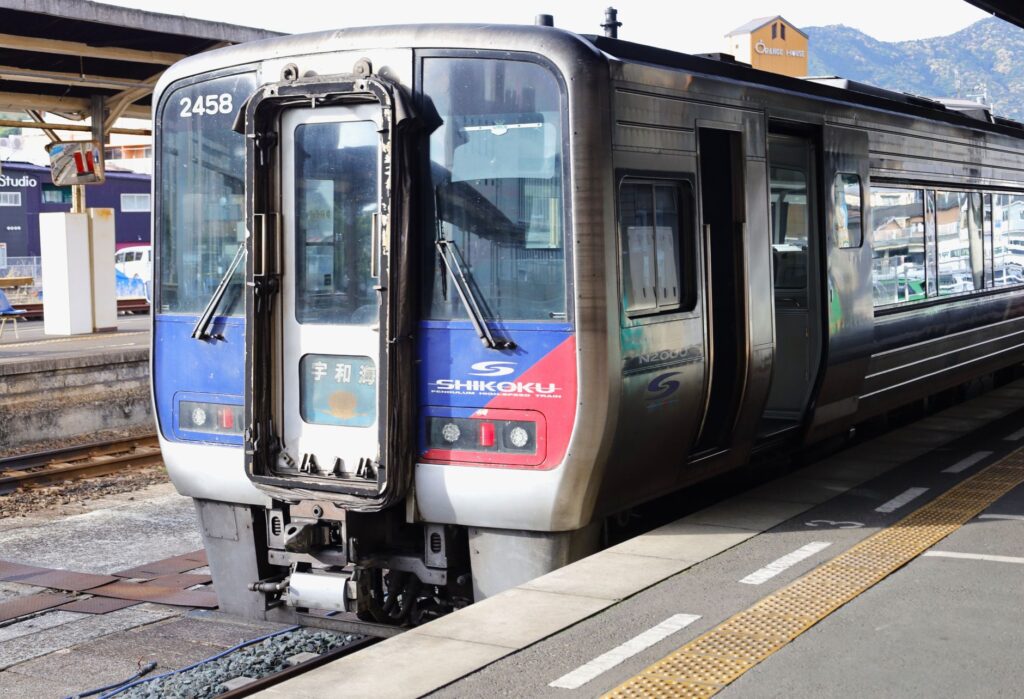
The arrival of electrification midway through the century radically transformed the route’s logistical capacity, enabling higher frequencies and a drastic reduction in transit times. Subsequently, the introduction of trains equipped with natural tilting or pendular technology—such as the 383 series operated on the Shinano service—counteracted centrifugal forces on the route’s sharp curves without requiring drastic realignments of the original layout, thereby protecting the fragile natural environment of the river valleys and optimizing energy consumption in mountainous terrain.
Regional Logistics and Coexistence with Rural Heritage
One of the most fascinating aspects of transport systems in the Kiso Valley is the harmonious coexistence between heavy railway infrastructure and the scrupulous preservation of ancient postal towns, known as *juku*. Settlements such as Tsumago and Magome, which flourished during the Edo period as resting points for travelers traversing the Nakasendo, have avoided unchecked urban development thanks to strict local architectural preservation ordinances driven by residents themselves since the 1960s.
The railway, while running along the valley floor while historical trails typically crown the higher slopes, acts as the economic engine supplying this low-density tourism and residential economy. Local stations function as proximity logistical nodes where commuter trains, regional bus connections, and walking hiking trails converge, demonstrating that a 21st-century transport infrastructure can sustain and revitalize traditional rural economies without subjecting them to destructive mass tourism.
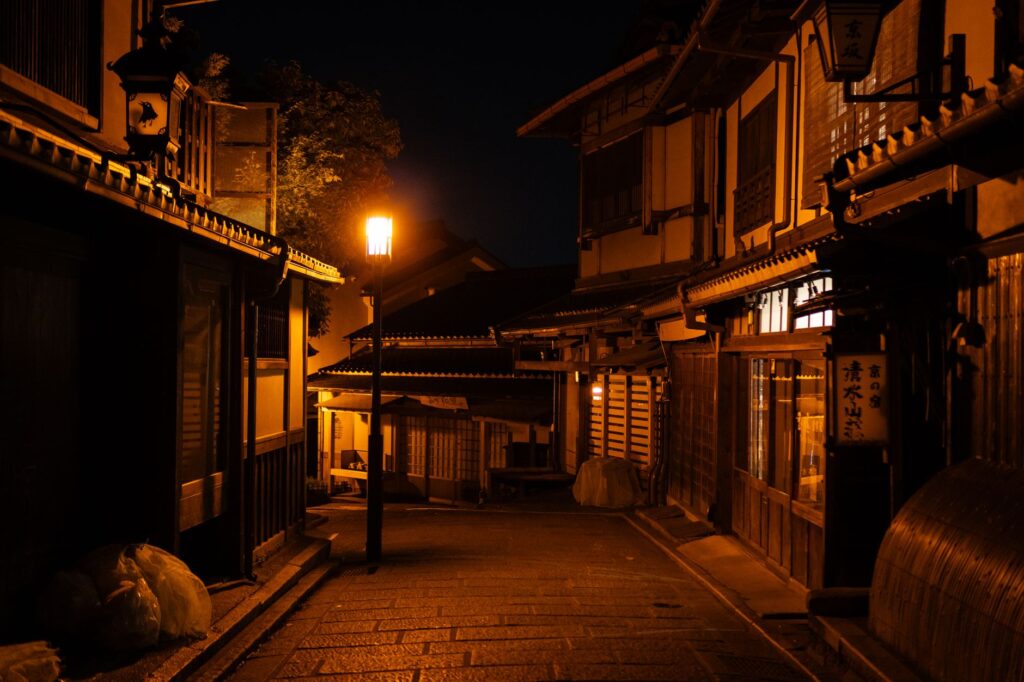
The railway does not destroy the Kiso landscape; it frames it, reminding the contemporary traveler that speed and memory can advance across the exact same abysses in perfect symbiotic equilibrium.
Engineering Architecture: Bridges, Tunnels, and Retaining Walls
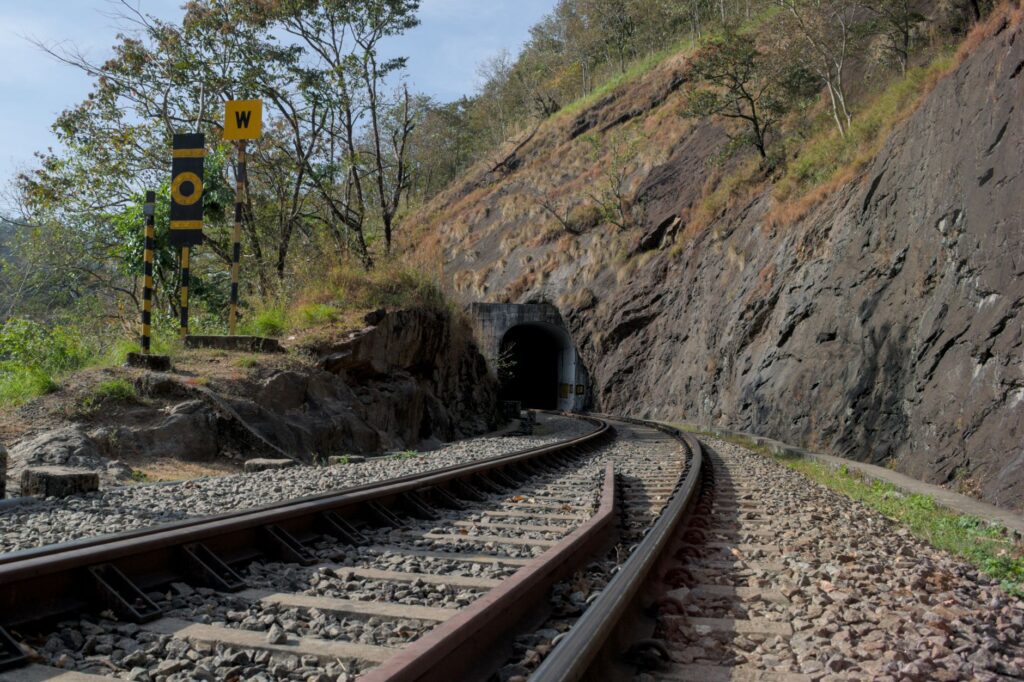
The inventory of civil engineering works accumulated along the Kiso corridor constitutes a true open-air museum of Japanese construction technique. Notable are the tunnels bored by hand and dynamite in the late 19th century, whose interior walls still display their original hand-fired brick lining, later reinforced with shotcrete structures to comply with current seismic regulations. These tunnels are not mere rectilinear conduits, but curved galleries that force the engineer to rely implicitly on automated signaling systems.
Likewise, viaducts spanning the Kiso River tributaries combine the robustness of puddled steel in their historic spans with modern prestressed structures designed to absorb thermal expansion caused by extreme contrasts between snowy winters and the humid, hot summers of central Honshu. Each bridge features vibration sensors and automatic stopping systems for gale-force winds, ensuring world-class safety standards.
Operational Safety Against Alpine Weather
Operating trains through a narrow alpine valley entails confronting severe weather phenomena, ranging from heavy snowfalls exceeding two meters of accumulation in medium altitudes to summer storms discharging torrential volumes in a few hours. To mitigate these risks, JR Central maintains a preventive logistical deployment including foot inspection patrols before the first morning service, windbreak barriers in sections most exposed to mountain drafts, and electric heating systems integrated into switch points and main ties.
Traffic management is coordinated from centralized control centers in Nagoya, where weather prediction algorithms and local radars monitor the stability of forested slopes above the tracks in real time. If unusual ground movement or precipitation exceeding critical safety thresholds is detected, convoys automatically reduce speed or temporarily suspend circulation, prioritizing passenger integrity over the strict corporate punctuality characterizing Japan’s rail system.
Practical guide
- How to get there: Main access to the Kiso Valley is achieved from Nagoya Station via the Shinano Limited Express trains (JR Central), reaching key stations such as Nakatsugawa, Kiso-Fukushima, or Narai in an estimated time between 50 and 90 minutes.
- Route planning: To traverse the best-preserved sections of the Nakasendo trail (such as the walking path between Tsumago and Magome), it is recommended to take the train to Nagiso Station and connect with local community bus networks.
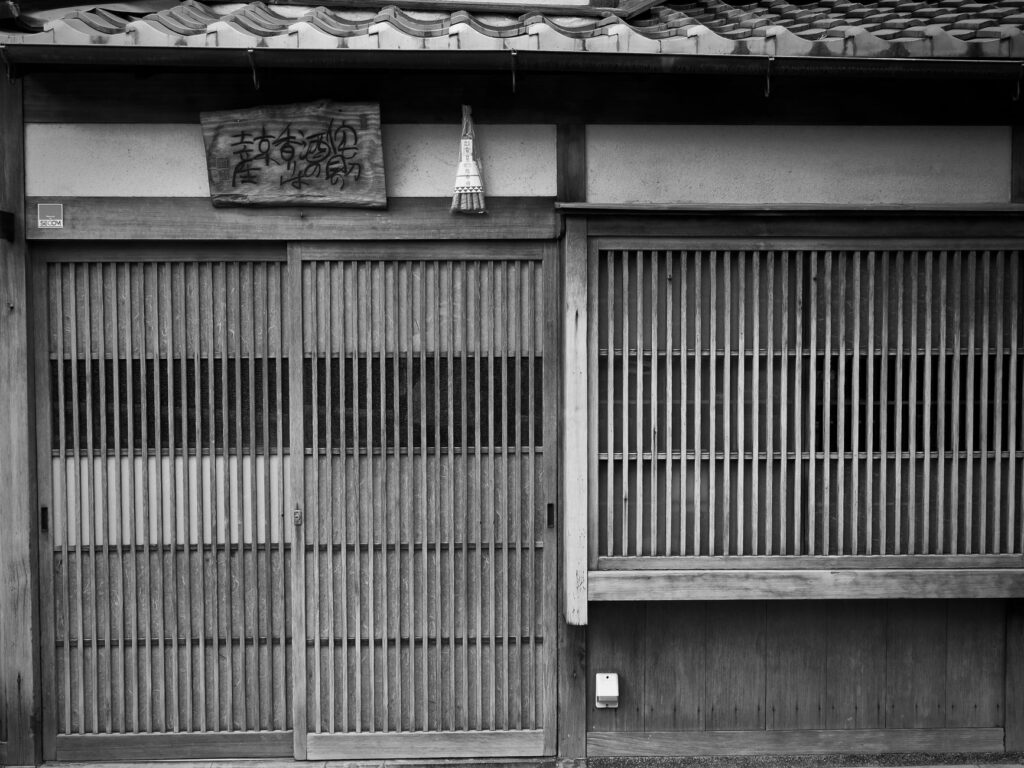
- Accommodation and logistics: Postal towns feature traditional family-run inns called ryokan, where advance booking months ahead is essential due to limited capacity and heritage conservation regulations.
- Recommended season: Autumn months (October and November), featuring the chromatic spectacle of koyo on wooded slopes, and spring (April) offer the most stable weather conditions combining hiking and rail travel.
The Human Pulse of the Valley and Farewell on the Rails
At dusk, when the last rays of sun withdraw from the peaks of Mount Ontake and fog begins to slide silently over the bed of the Kiso River, the valley recovers an ancestral stillness that feels unalterable. On the wooden platforms of secondary stations like Agamatsu, local workers methodically check barrier closures and bow impeccably to the express train crossing the gorge at sustained speed, briefly illuminating the dark facades of traditional sheds.
In this remote corner where railway modernity summons the echo of ancient Nakasendo walkers, train travel transforms into an experience of contemplation and respect for the territory. The steel track here is not a break with the past, but the invisible thread allowing humans to continue inhabiting the mountain with dignity, reminding us that the most advanced technical progress can coexist in absolute harmony with the memory of the earth.
Traveling through Kiso by rail is understanding that time does not flee from the mountain, but pauses respectfully to listen to the whisper of water and the serene pulse of its ancient forests.