
The Iron Scar Across the Basalt Sea
The territory stretching from the Syrian depression to the sacred plateaus of the Arabian Peninsula has historically been shaped by the unforgiving geography of the desert. In this setting of endless horizons, human mobility traditionally relied on the slow, measured pace of camel caravans capable of navigating sand seas and basalt lava fields known locally as harras. At the dawn of the twentieth century, Ottoman imperial ambition sought to challenge this ancient logic by constructing the Hejaz Railway, a monumental engineering feat designed to link Damascus with the holy city of Medina, facilitating both religious pilgrimage and military control over the region.
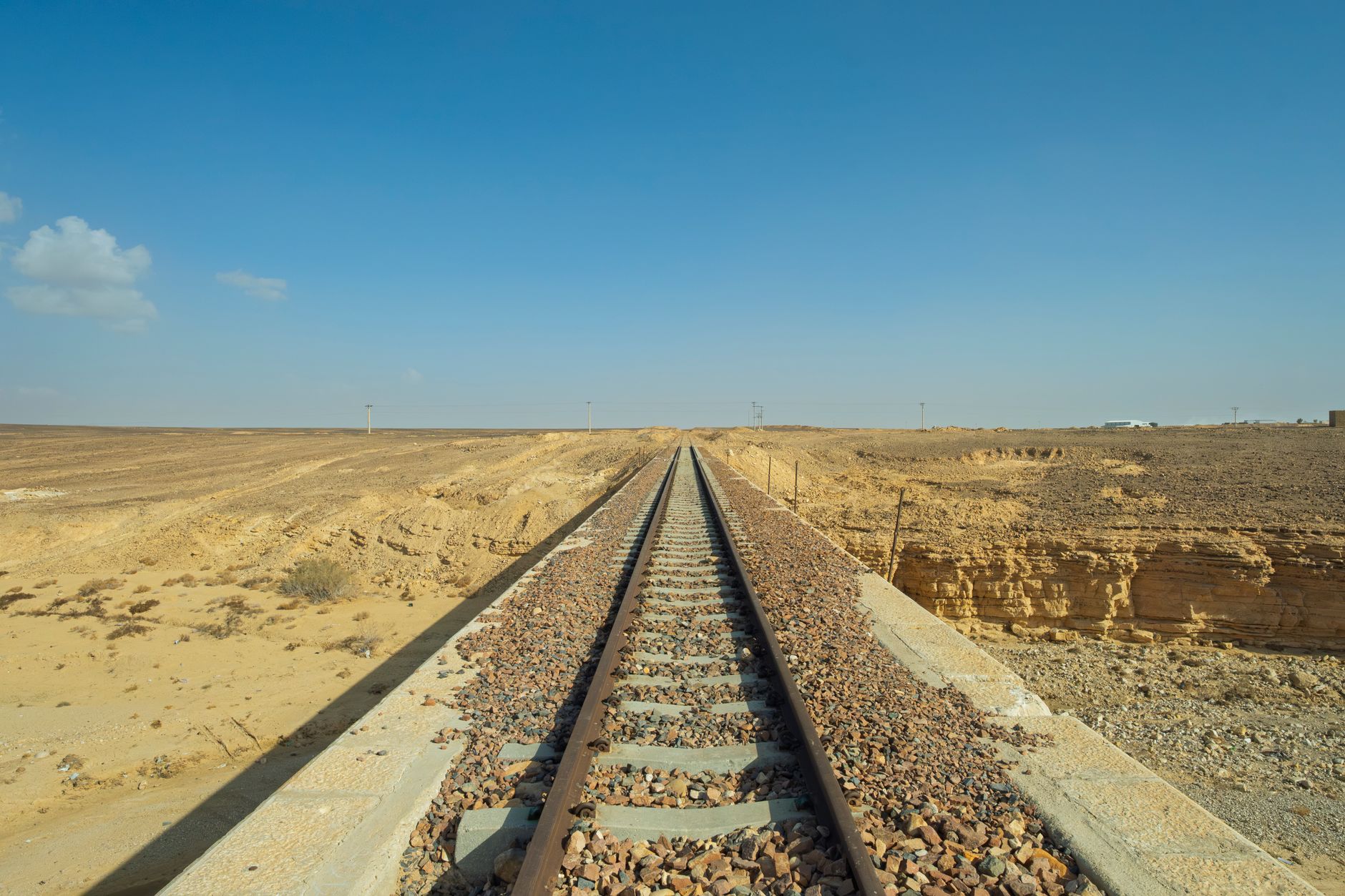
Today, the original tracks lie mostly silent, transformed into a linear archaeological monument that meanders across modern political borders. This report examines how the infrastructure of that railway radically transformed the connectivity of interior oases and how its abandoned stations continue to structure the memory and landscape of a territory defined by isolation and extreme aridity.
The Geopolitical Genesis of an Imperial Gauge
The conception of the Hejaz Railway responded to a complex equation of sovereignty, religion, and military strategy. Promoted by Sultan Abdul Hamid II at the beginning of 1900, the project aimed not merely at commercial profitability, but at consolidating Constantinople’s central authority over the peripheral provinces of the Ottoman Empire and guaranteeing safe transit for the hundreds of thousands of pilgrims performing the Hajj annually. Until then, the overland journey consumed weeks of hardship through unforgiving deserts exposed to raids by nomadic Bedouin tribes.
To finance and execute the work, the empire appealed to a global Islamic collection, supplemented by specific consumption taxes and the contribution of European engineers, principally German. The choice of a narrow 1,050-millimeter gauge reduced costs and accelerated progress over rugged terrain, though it permanently limited cargo capacity compared to standard European railway networks. Every imported wooden sleeper and British steel rail had to be transported under titanic logistical conditions, demonstrating that construction was, above all, an exercise in logistical persistence within a hostile environment.
Basalt Stone Architecture and Fortified Stations
Along the more than one thousand kilometers separating the Hauran plateau from the city of Medina, the landscape imposed unique constructive solutions. In the vast stony expanses of present-day northern Saudi Arabia and southern Jordan, engineers chose to use local basalt stone to erect not only station buildings, but also bridges, culverts, and small defensive blockhouses. This utilitarian architecture, characterized by thick walls and narrow openings, served a dual purpose: protecting facilities against the extreme thermal oscillations of the desert and ensuring military defense against recurrent attacks on supply lines.

Stations were not mere railway halts, but truly self-sufficient enclaves featuring rock-cut water cisterns, coal stores, and light repair workshops. Structures such as those in Ma’an, Mudawwara, or Al-Ula reflect the aesthetic amalgamation between European industrial functionality and local masonry traditions. The durability of these stone buildings contrasts dramatically with the corrosion of the surrounding railway metal, offering today a tangible testimony to an era when Western industrial technology was abruptly inserted into the heart of the Arab world.
Water, Coal, and Steam Logistics in Arid Immensity
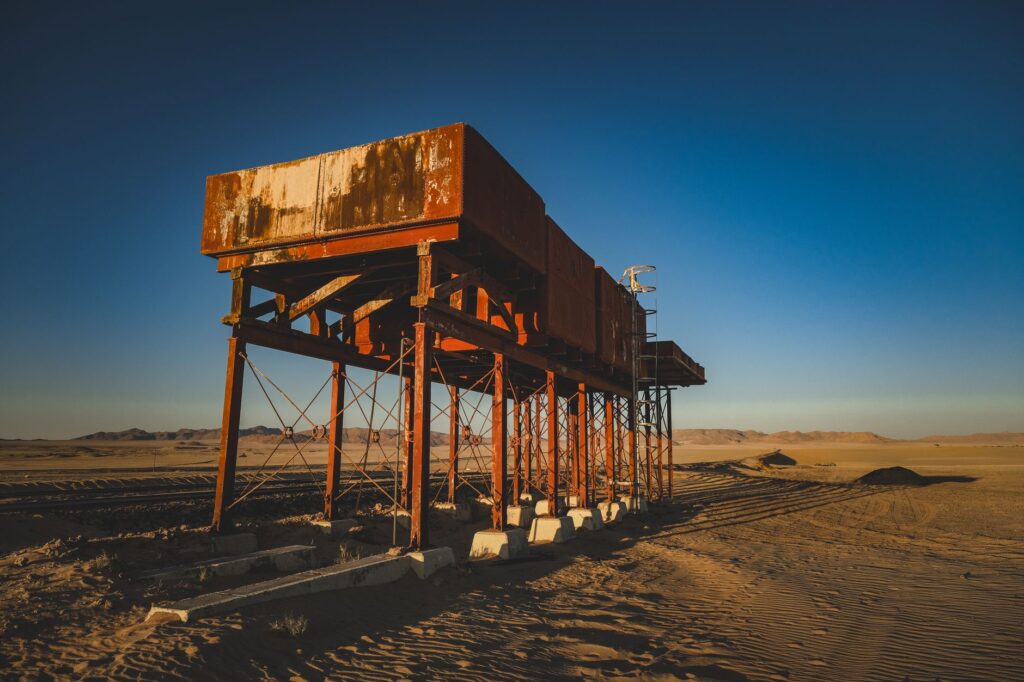
Operating steam locomotives in regions where water sources are scarce and seasonal constituted the greatest technical challenge for the railway’s managers. The route had to be meticulously planned based on the limited availability of underground wells and springs along the peninsula’s western geological fault line. Large storage cisterns and minor aqueducts were constructed alongside the tracks, while water was frequently transported in specialized tank cars from the few permanent oases.

Likewise, fuel supply represented a heavy financial and logistical burden. Lacking exploitable coal deposits in the region, all the mineral necessary to feed the boilers had to be imported from Europe by sea to Red Sea ports such as Haifa or Beirut, and from there transshipped to the overland rail network. This complex umbilical cord of fuel and water determined the operational vulnerability of the line, causing any supply disruption to instantly paralyze traffic across entire stretches of the desert.
The railway did not merely transport pilgrims and troops; it introduced a linear notion of time into a space where geography had always been measured by the patient rhythm of the stars and wells.
Wartime Decline and Systematic Destruction During the Great Revolt
The operational life of the Hejaz Railway was short-lived. Partially inaugurated in 1908 and completed to Medina shortly before the outbreak of the First World War, the railway system almost immediately became a prime strategic military target. During the Middle East campaign and the Arab Revolt, the line suffered systematic harassment by irregular forces led by local tribal leaders alongside British officers such as T. E. Lawrence.
Guerrilla tactics focused on the systematic dynamiting of masonry bridges, the destruction of track sections in difficult terrain, and the derailment of Turkish military convoys. The Ottoman garrison’s inability to secure the entire route turned the railway into an unsustainable logistical trap. Upon the conflict’s conclusion and the collapse of the Ottoman Empire, major sections of the route fell permanently out of use, and subsequent rehabilitation attempts during the interwar period failed due to political instability and the rise of motor vehicle transport by road.
Contemporary Vestiges: Industrial Archaeology Under the Atoll Sun of Stone
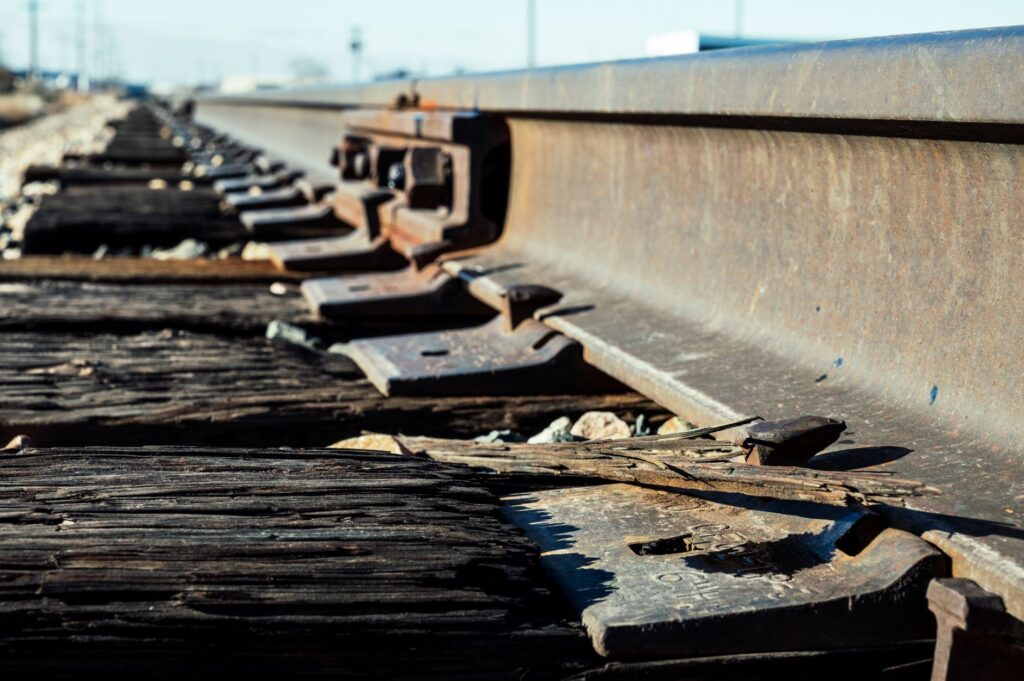
Today, exploring the remains of the Hejaz Railway is an experience of profound archaeological melancholy. In many remote stretches away from main roads, twisted rails and metal sleepers half-buried by dunes merge with the mineral landscape of the desert. Some German Borsig locomotives remain stranded in forgotten sidings, devoured by oxidation and sand, serving as silent reminders of an era when steam attempted to master the wasteland.
Local and regional heritage organizations have begun cataloging and protecting these industrial assets, recognizing their exceptional historical value. Areas like the historic Al-Ula station have been integrated into cultural valorization projects, allowing travelers to grasp the scale of that endeavor. However, the vast majority of the alignment remains in a state of absolute abandonment, exposed to the elements and occasional pillaging, underscoring the fragility of this heritage against the relentless march of time and wind erosion.
Practical guide
Planning an exploratory route around the vestiges of the Hejaz Railway requires logistical rigor, four-wheel-drive vehicles, and a solid understanding of local regulations for accessing desert areas. Much of the historical route runs through remote areas of Jordan and Saudi Arabia where mobile phone coverage is intermittent or nonexistent.
- Transport and Vehicles: It is essential to have a robust off-road vehicle equipped with additional spare tires, an air compressor, and offline GPS navigation systems. Tracks running parallel to the railway line are often covered in sharp volcanic rock or soft sand.
- Water and Fuel Logistics: Always calculate a fifty percent safety margin in drinking water and fuel. Service stations are scarce when moving away from the main highways connecting major cities.
- Permits and Security: Certain sections of the route cross protected archaeological zones or military areas. It is mandatory to process the relevant permits in advance through the competent cultural authorities of each country.
- Recommended Season: The period between November and February offers the most favorable thermal conditions. During the summer months, daytime desert temperatures regularly exceed forty-five degrees Celsius, turning any mechanical breakdown into a life-threatening hazard.
Silence and Memory on the Platforms at the End of the World
As dusk falls over the basalt stone ruins of a lost station in the heart of the Tabuk desert, the wind whistling through glassless windows seems to reproduce the distant echo of steam whistles that once broke the ancient silence of the sands. The immensity of the horizon reclaims its undisputed hegemony, reducing human endeavor to a fragile broken line of oxidized metal and carved stone blocks. There, where imperial history fades beneath the weight of geography, the traveler understands that the true value of these vestiges lies not in their lost utility, but in their capacity to remind us of the audacity of those who tried to sew the indomitable heart of the desert with iron.