
There is something deeply cinematic about watching the French countryside dissolve through the tinted glass of a dining car. As the train glides smoothly toward the Gare de Lyon, the contemporary traveler seeks not merely speed, but the leisurely transition between the rural landscape and the monumental boiling pot of Paris. This high-speed rail route, the backbone of European high mobility, has transformed into the perfect prologue for those who understand movement as an aesthetic experience in itself. High-speed tracks connect major capitals with surgical punctuality, allowing the journey to become a space for reading, contemplation, and cultivated appetite.
In this autumn that rewrites the routines of the City of Light, arrival at the station is merely the first beat of an urban symphony where gastronomy once again claims its throne. The city prepares to receive a constellation of culinary novelties, among which an event long awaited by chroniclers of the good life and discerning travelers stands out brightly. Paris never rests in its reinvention, and its arteries of iron and asphalt beat in unison with the kitchens about to ignite their burners to inaugurate a new era of discreet and deeply rooted sophistication.
The Railway Rebirth of European Routes
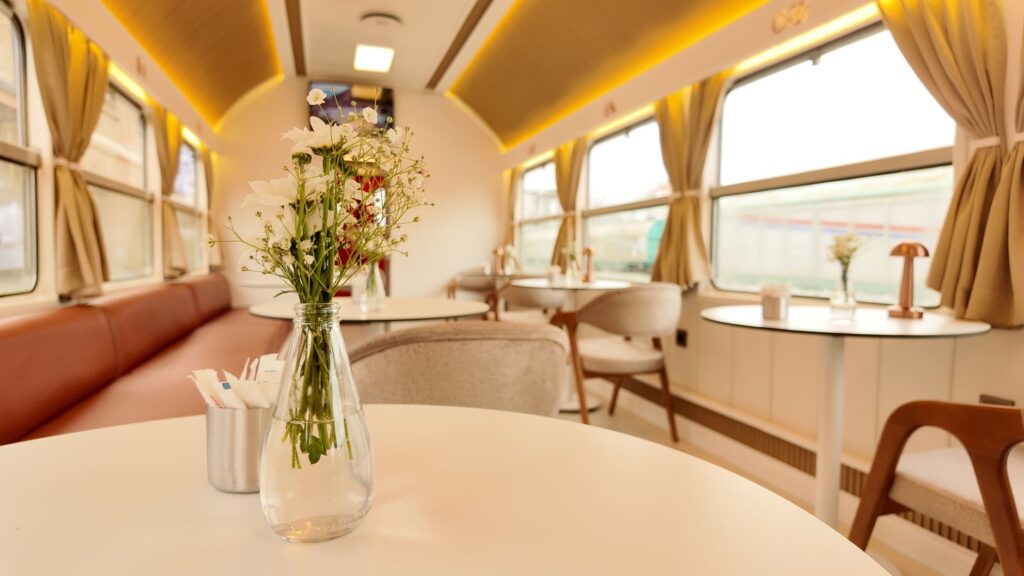
The renaissance of train travel is not a nostalgic fad, but an imperative need to reconnect with human time. Aboard the trains linking London, Zurich, or Frankfurt to Paris, time recovers its density. It is no longer about minimizing transit minutes, but about inhabiting the intermediate space. The soft leather seats, the restored mahogany skirting in historical carriages, and the gentle sway over the bogies compose an atmosphere conducive to introspection. Railway companies have understood that contemporary luxury lies in digital disconnection enforced by tunnels and in the quality of on-board service, where hot coffee served in fine porcelain tastes like a fulfilled promise.
Crossing invisible borders, the traveler observes how the industrial architecture of the Parisian suburbs gives way to zinc roofs and chimneys dominating the capital’s skyline. This gradual approach contrasts violently with the impersonal landing at peripheral airports. The train deposits the passenger in the very heart of the metropolis, facilitating immediate immersion in its daily rhythm. It is this metropolitan pulse that nourishes the creativity of chefs operating in the city’s most exclusive enclaves, welcoming visitors the moment they cross the doors of the grand terminals.
The Architecture of Displacement and Modern Comfort
Analyzing current rail infrastructure implies understanding how engineering aligns with interior design. New high-speed trains incorporate sound-absorbing materials, adjustable lighting mimicking the circadian rhythm, and a spatial layout prioritizing privacy. Each carriage functions as a self-sufficient cell of calm. For the traveler crossing Europe toward Paris, this journey acts as a sensory filter: upon arriving at the destination station, the noise of the outside world is perceived with renewed clarity, sharpening the senses to appreciate the architectural and culinary details defining the metropolis.
This fluid transition between movement and stillness finds its echo in the welcoming spaces the city offers its most select guests. The hotel architecture of the French capital has successfully integrated this philosophy of serene transit. The grand establishments around the Rue de la Paix or Place Vendôme are no longer understood merely as places to sleep, but as sanctuaries where the outside city is filtered through elegance, silence, and hospitality anticipating the guest’s desires.
The train is not a means to reach a destination; it is time recovered to think, observe, and desire what is yet to come.
The Pulse of Parisian Cuisine Before the Grand Premiere
Paris’s gastronomic fabric is experiencing a moment of unusual effervescence. Before the great temples of haute cuisine reopen their doors following the summer recess, food markets like Aligre or Boulevard Raspail bustle with suppliers selecting the finest seasonal produce. Wild mushrooms, whimsically shaped pumpkins, and Provençal figs herald a seasonal shift that will immediately translate to the plate. In this ecosystem of extreme demand, the arrival of a new culinary actor generates palpable expectation among critics and international gourmands.
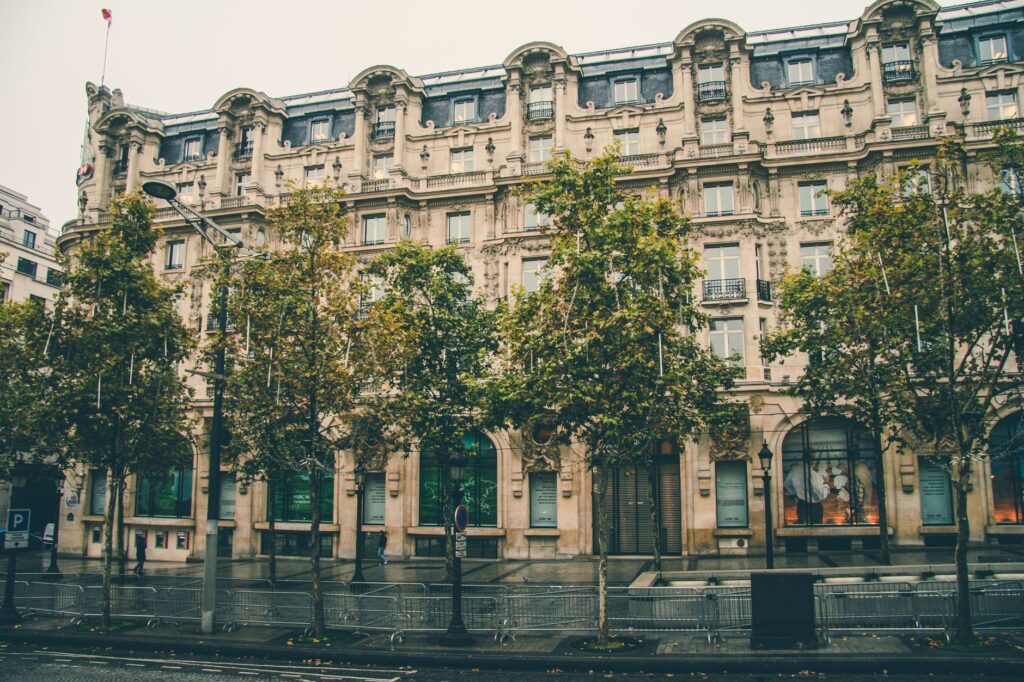
Current Parisian cuisine shuns nineteenth-century artifices without abandoning millenary technique. The purity of the broth, the exact cooking point respecting the ingredient’s fiber, and presentation where artisanal tableware dialogues with the chef’s creation are paramount. In this context of rigor and aesthetic pursuit, the opening of a new gastronomic space in the heart of the Parisian golden triangle is not an isolated event, but the keystone of a cultural machinery mobilizing specialized critics across the continent.
The Epicenter of Luxury: Place Vendôme as Backdrop
Few places in the world concentrate as much history, power, and refinement as Place Vendôme. Its octagonal geometry, designed by Jules Hardouin-Mansart under Louis XIV, has witnessed monarchical splendor, revolutionary shocks, and international high jewelry brilliance. Walking along its perimeter, beneath ashlar stone arcades, an atmosphere is breathed where time seems deliberately slowed to protect artisanal excellence.
It is precisely in this enclave that grand hospitality deploys its finest assets. Historical buildings hiding behind sober classical facades unfold contemporary interior design, where Carrara marble coexists with noble woods and contemporary art. In this microcosm of privilege, gastronomy is not a complement, but the backbone of the experience. The promise of a new culinary proposal in this setting elevates expectations for those seeking more than a mere tourist visit in Paris.
Haute Cuisine as an Immersive and Sensory Experience
Comprehending the evolution of haute cuisine in Paris’s grand hotels requires analyzing the shift from rigid solemnity to accessible yet rigorous sophistication. Today, diners seek a coherent narrative beginning with local producer selection and culminating in the texture of the final bite. Chefs no longer operate from autocratic distance; they step into the dining room, explain ingredient origins, and share the philosophy behind flavor combinations.
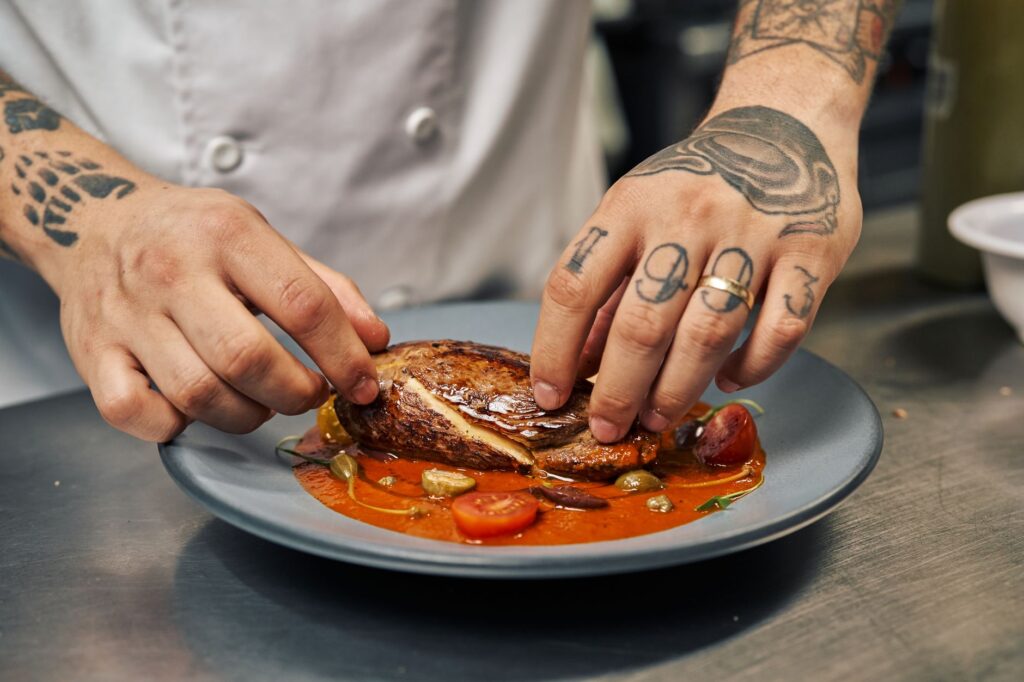
This human approach transforms dinner into an act of cultural communion. Tableware blown by hand in century-old workshops in Burgundy, silver cutlery designed specifically for each dish, and warm lighting enhancing golden reductions form part of a strict language. At this level of excellence, food becomes ephemeral art, designed to endure in the traveler’s memory long after leaving the city.
Anticipating the Event: Following the Path of the New Temple
Expectation ahead of the impending opening of SEOK at Park Hyatt Paris-Vendôme has mobilized sharp observers of the international scene. Although details have been kept under institutional secrecy, echoes from provisional kitchens augur a proposal challenging the conventionalisms of hotel dining. It is not simply about adding covers to the capital’s offering, but redefining culinary hospitality in an environment where excellence is daily routine.
Critics agree that such projects require silent gestation, a trial period where every gesture of service and nuance of the menu is tuned with goldsmith precision. First-hand previews of these establishments allow firsthand observation of how grand luxury hospitality hybridizes with the audacity of new kitchen talents, creating a bridge between the city’s glorious past and vanguard future.
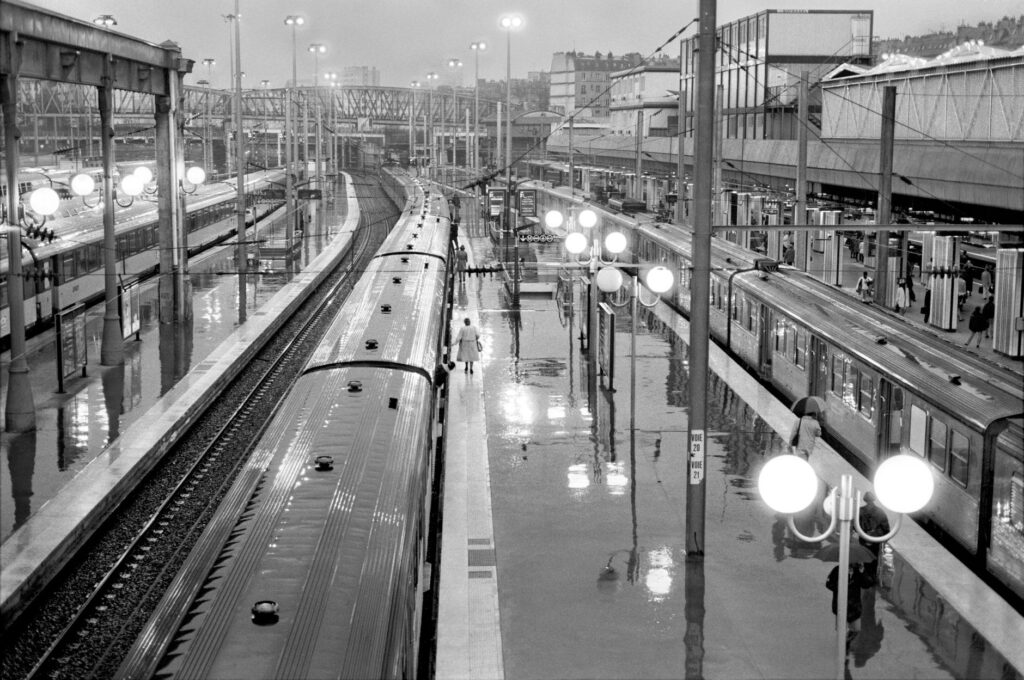
True haute cuisine does not seek to impress with excess, but to move with the unalterable truth of a perfect flavor.
Practical guide
How to get there: Eurostar and TGV high-speed rail connections link major European capitals with Gare de Lyon and Gare du Nord in Paris. Booking at least sixty days in advance is recommended to secure preferred class seats.
Where to stay: Park Hyatt Paris-Vendôme, located at number 5 Rue de la Paix, offers an unbeatable location to explore the Parisian golden triangle and walk to major galleries and boutiques around Place Vendôme.
When to travel: September and early October constitute the ideal period to visit Paris, coinciding with the cultural rentrée, the opening of major gastronomic spaces, and benign weather for walking.
Urban transport: For short city trips, using the metro network or walking along the Seine quays is preferable to taking taxis during evening rush hours.
The Final Chord: Cuisine as Memory and Refuge
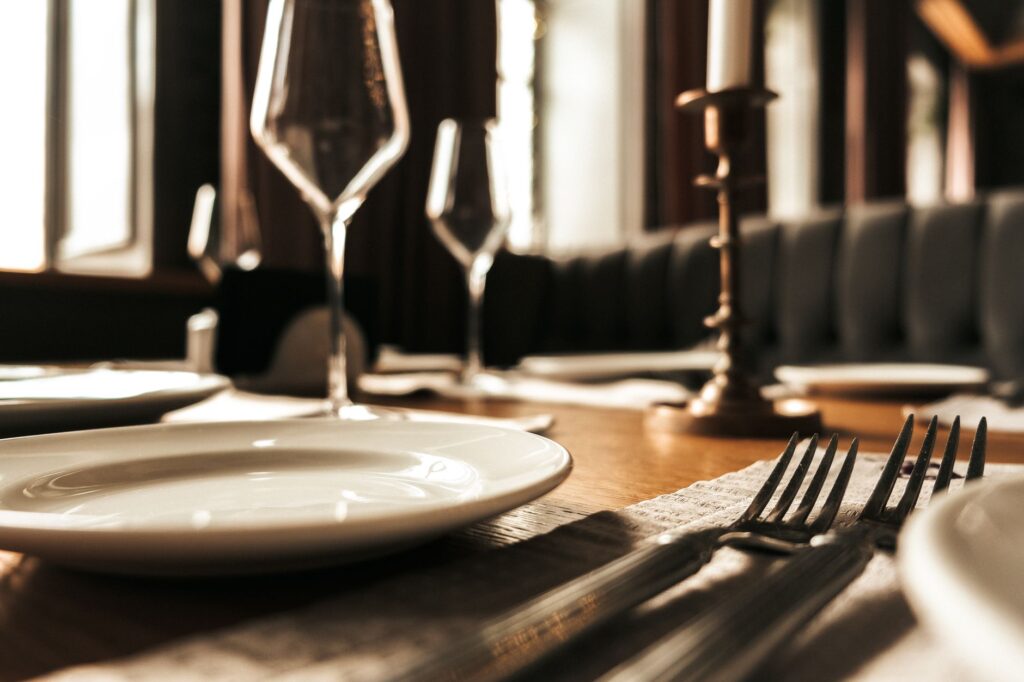
When night falls over Paris and wrought-iron streetlamps cast amber light on the damp pavement of Place Vendôme, the city acquires an almost unreal texture. It is the moment when the traveler, after a day of rail transit and urban exploration, seeks ultimate refuge at the table. Great culinary experiences are measured not only by technical complexity, but by their capacity to stop time and offer peace amid metropolitan turmoil.
Sitting at the table on the eve of a major gastronomic event is an act of faith in beauty and good manners. Amid the distant echo of trains arriving at terminal stations and the muted murmur of salons where new culinary legends are forged, Paris reminds us why it remains the undisputed capital of soulful travel. Here, every meal is a manifesto and every farewell a promise of return.
Source in English: Condé Nast Traveler Spain – Park Hyatt Paris-Vendôme opens SEOK and we are the first to try it (https://www.traveler.es/articulos/park-hyatt-paris-vendome-abre-seok-y-somos-los-primeros-en-probarlo)