For decades, the social ritual of gathering at dusk has been inextricably linked to the sound of ice against crystal and the bitter aroma of spirits. Urban bar counters functioned as the undisputed epicenter of social life—the space where business deals were closed, triumphs celebrated, and the tensions of the workday dissolved through alcohol consumption. However, in recent years, the landscape of major cities has undergone a subtle yet profound transformation. The evening toast no longer presupposes the presence of ethanol in the glass.
This paradigm shift is neither an institutional prohibition nor an improvised moralistic campaign, but rather a silent cultural mutation driven notably by younger generations. Global data on alcohol consumption across specific demographic sectors reveals a sustained decline that has forced the traditional hospitality industry to reinvent itself. Integral wellness, mental clarity, and control over one’s free time have rocketed to the pinnacle of personal priorities, relegating hangovers to the category of obsolete tolls.
The Silent Revolution of Generation Z in Urban Leisure
Trend analysts agree in pointing to individuals born from the late nineties onward as the primary architects of this new sober era. Far from being perceived as a boring or puritanical stance, abstaining from alcohol is embraced within these circles as a sign of autonomy and emotional maturity. The peer pressure that once forced people into accepting a beer or a gin and tonic out of social courtesy has lost its coercive efficacy against a collective that values authenticity above inherited conventions.

This phenomenon does not imply social isolation or a retreat into strict domesticity. On the contrary, the nightlife of capitals like London, New York, or Madrid is rapidly adapting to welcome a clientele demanding stimulating socializing spaces where alcohol is not the absolute protagonist. Music, avant-garde gastronomy, and interior design now compete directly with beverage menus, offering sophisticated alternatives that satisfy the desire for celebration without compromising physical equilibrium.
The Laboratory of Alcohol-Free Mixology in World Bars
High-end mixology’s response to this demand has vastly surpassed the traditional concept of sugary soft drinks or boring fruit juices. Today, the world’s best bartenders apply complex distillation, infusion, and fermentation techniques to create alcohol-free alternatives that rival classic spirits in aroma, complexity, and texture. Wild botanicals, fermented teas, rare spices, and bitter extracts are deployed to design flavor experiences aimed at discerning palates.
This movement has birthed a new category of non-alcoholic spirits occupying a truly luxurious space on the shelves of the most exclusive venues. Far from cheaply imitating whisky or rum, these creations pursue an identity rooted in the richness of natural ingredients. Modern consumers are willing to pay the same price for a non-alcoholic beverage as for an alcoholic one, provided the product offers a complex, artisanal, and meticulously crafted sensory experience.

Sobriety is no longer a medical imposition or a temporary parenthesis in routine, but an aesthetic and vital choice redefining the concept of sophistication in the 21st century.
The Impact on Traditional Hospitality and the Reinvention of Public Space
The transformation in consumption habits has compelled owners of bars, pubs, and restaurants to rethink their business models. Maintaining an attractive offering for sober patrons is no longer a mere compassionate concession, but an unavoidable economic necessity. Venues failing to integrate quality alternatives into their menus risk alienating a growing percentage of customers who decide to spend their evenings elsewhere, where their preferences are respected and catered to with equal care.
Concurrently, new formats of venues dedicated exclusively to daytime leisure and socializing without a trace of alcohol are proliferating. From morning dance clubs substituting drinks with specialty coffee to multifunctional spaces combining art, literature, and botanical tea tastings, these initiatives prove that the human need for gathering and celebration remains intact, yet seeks alternative channels independent of chemical consciousness-altering substances.
Mental Wellness and the Tyranny of Performance in the Big City
We inhabit hyper-connected urban environments where self-demand and the pressure for professional performance dictate the daily rhythm. In this context, body and mind are perceived as precision tools requiring rigorous maintenance to avoid collapse. The morning hangover, once accepted as an admissible collateral damage of the weekend, is now interpreted as an unacceptable loss of time and energy in a world that forgives no lack of concentration.
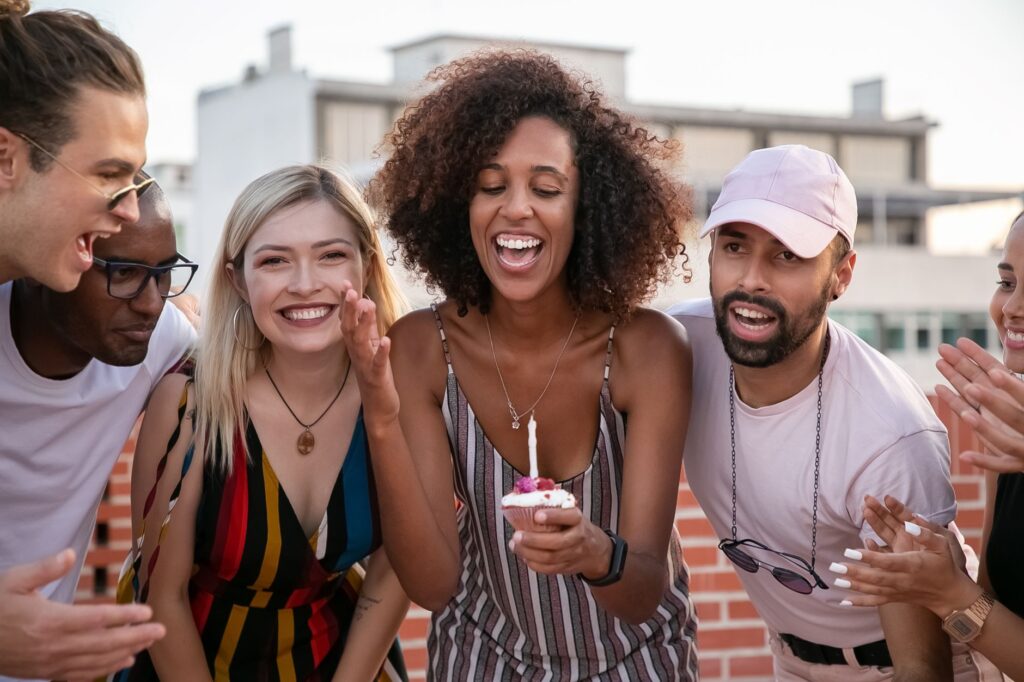
The decision to stop drinking or drastically reduce consumption aligns closely with the obsessive pursuit of physical and mental wellbeing. Restorative sleep, athletic disciplines, and meditation have gained ground over long nights of alcoholic excess. Sobriety thus becomes an act of intimate resistance against the systematic wear and tear imposed by modern life dynamics—a sanctuary to reclaim sovereignty over one’s own body and emotions.
The Aesthetics of Conscious Pleasure in High Society
The social prestige historically associated with the capacity to tolerate large amounts of alcohol has been completely overthrown by a new aesthetic of self-control. Within circles of high culture, fashion, and haute cuisine, true status is manifested through lucidity, vitality, and the ability to enjoy the present moment without chemical crutches. Ordering a complex botanical infusion or a non-alcoholic cocktail with the exact casualness once reserved for vintage wine is today a clear indicator of self-assurance.

This aesthetic evolution also permeates major social events, from art gallery openings to gala dinners. The most prestigious luxury brands in wine and spirits have launched their own non-alcoholic lines, aware that their most selective clients demand sophisticated options at any hour of the day. Pleasure is definitively decoupled from intoxication to become associated with pure sensory appreciation, design, and ingredient quality.
The Future of Unfettered Urban Socialization
As these trends solidify, it becomes evident that we are witnessing an irreversible structural shift in leisure culture. The cities of the immediate future must redesign their gathering spaces to accommodate a citizenry that does not need alcohol stimulation to connect with others. This does not mean the disappearance of traditional pubs, but their evolution toward more inclusive, diverse, and respectful models of understanding fun and rest.
Shunning alcohol ceases to be a biographical exception to become part of the normalized array of human options. Ultimately, beneath this current lies not a renunciation of enjoyment, but its expansion: the pursuit of a more enduring, clean, and conscious joy that allows every instant of the night to be remembered and mornings to be faced with a clear mind ready for what comes next.

True contemporary luxury consists in choosing how we inhabit our free time, free from social automatisms and with intact lucidity to enjoy the world.
Practical guide
Planning a sober leisure route in major capitals requires knowing the best venues and key tips to fully enjoy oneself without a drop of alcohol.
- Explore botanical mixology: Seek out venues specializing in alcohol-free spirits and ask for signature creations based on local infusions and spices.
- Redefine your schedules: Dare to try afternoon events, non-alcoholic vermouth hours, or morning gatherings prioritizing physical and cultural activity over late nights.
- Communicate your preferences: Do not hesitate to ask for specific options at any bar; contemporary hospitality is highly sensitized and eager to surprise you.
- Value space quality: Prioritize establishments that care about lighting, acoustics, and design—key elements for full socialization.
- Discover food markets: Many modern culinary spaces already integrate entire counters dedicated to non-alcoholic fermented beverages and origin teas.
The sunset on the terrace of an urban café reflects the measured pulse of a city that has learned to toast with clarity. As the golden light fades over the asphalt, glasses raised high no longer guard chemical secrets, but the quiet testimony of a generation that has decided to inhabit its own time with a clean gaze, firm step, and the certainty that the best moment of the day is always the one you can entirely remember.
Source in EN: Condé Nast Traveler España (https://www.traveler.es/articulos/nos-hemos-cansado-de-beber-alcohol)