Argentine Patagonia often evokes images of snowy peaks, glacial lakes, and ancient forests that defy southern maps. However, in the northern province of Neuquén, the territory deploys a distinct geography, a constant dialogue between the deep green of irrigated valleys and the ocher, silent, and vertical tone of the steppe. This report explores two ways of inhabiting and traveling through this frontier: the productive calm of the fruit orchards and the imposing geology of the badlands, clay formations that guard geological and paleontological secrets millions of years old.
Understanding Neuquén requires abandoning the haste of the conventional traveler to delve into the rhythms of water and wind. From the banks of the Limay and Neuquén rivers, which configure an artificial oasis thanks to complex canal systems inherited from early pioneers, to the challenging dryness of the upper plateaus, the province reveals itself as a territory of dualities. Here, the land is not merely a landscape to be contemplated, but a living space where the history of rural communities, irrigation agriculture, and outdoor adventure are inextricably intertwined.
The irrigated oasis: the living legacy of the orchards
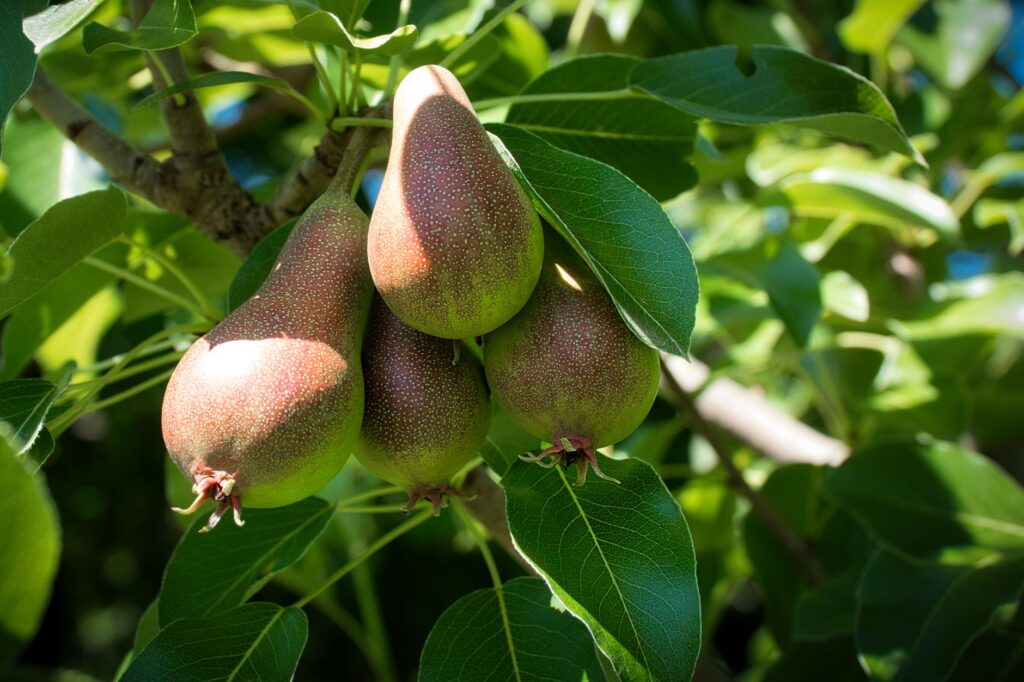
The Upper Valley of Neuquén is, above all, a collective work shaped by human effort. At the beginning of the 20th century, the arrival of the railway and the construction of regulatory dams transformed a windy desert into a fertile valley dedicated to the cultivation of pears and apples. The orchards, delimited by poplar windbreaks that curb the rigor of the Patagonian wind, constitute the agricultural heart of the region. Walking along these rural paths in autumn allows one to witness the harvest, a community ritual where the aroma of ripe fruit permeates the crisp morning air.
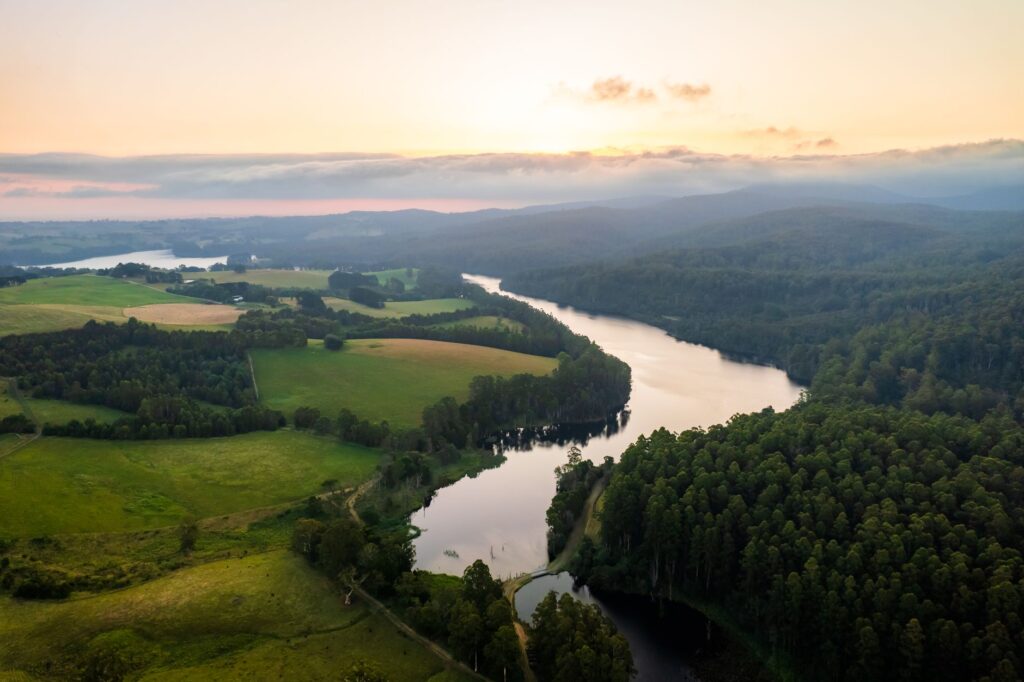
Local farming families have kept alive a tradition of hospitality that now opens up to rural tourism. Unlike the large tourist centers in the cordillera, the experience here is based on authenticity: tasting artisan ciders made with traditional methods, trying homemade red fruit jams, and touring centennial ditches that distribute glacial meltwater. This gentle geography, crossed by compact dirt roads, invites cycling and long walks where time seems to stand still under the protective shade of fruit trees.
Infinite verticality: entering the world of the badlands
A few kilometers from the cultivated valleys, the landscape changes radically. The badlands rise like natural walls of clay, stone, and marine sediments that mark the boundary between the plateau and the valley. These geographical features, shaped by wind and river erosion over millennia, offer a rough and fascinating aesthetic. Their coloration varies according to the position of the sun, shifting from pale yellow to intense red during sunset, a visual phenomenon that attracts photographers and hikers in search of clear horizons.
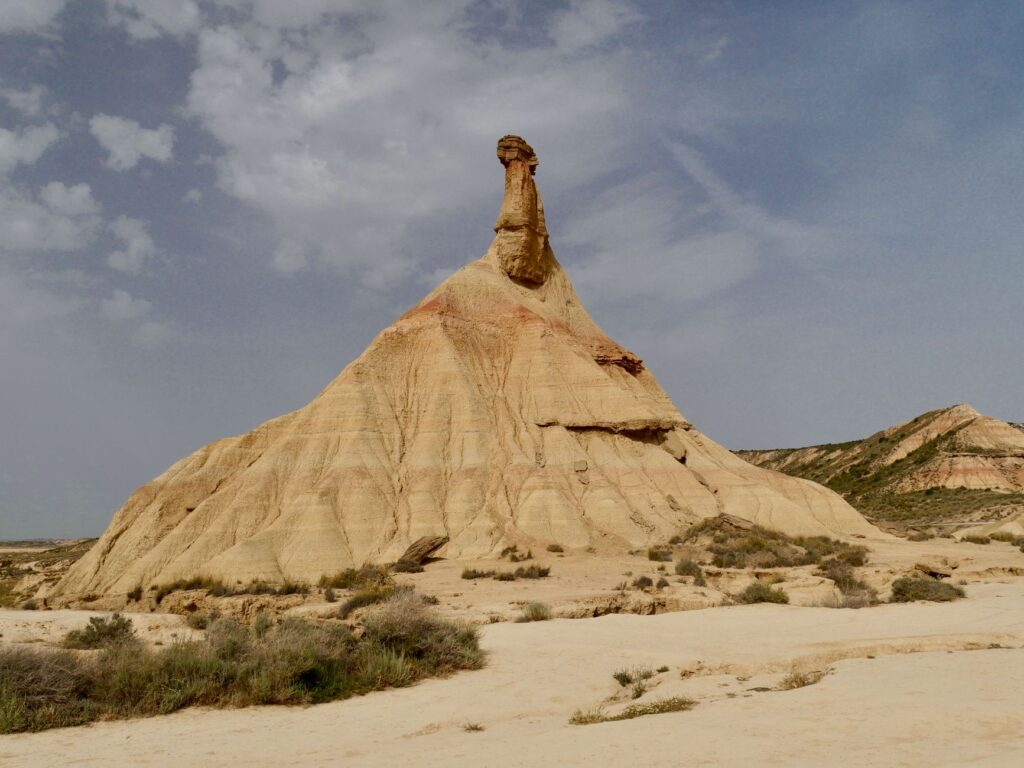
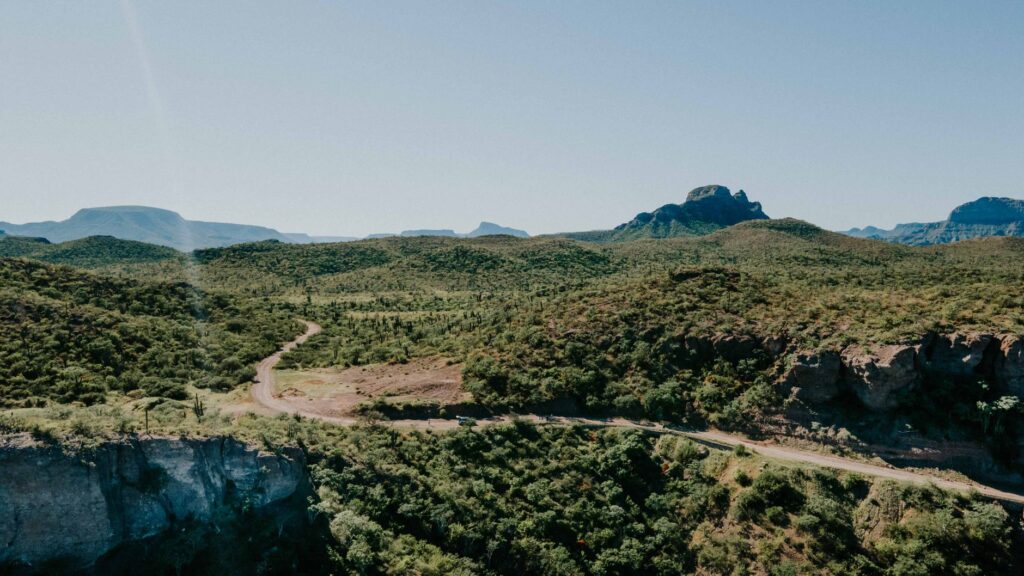
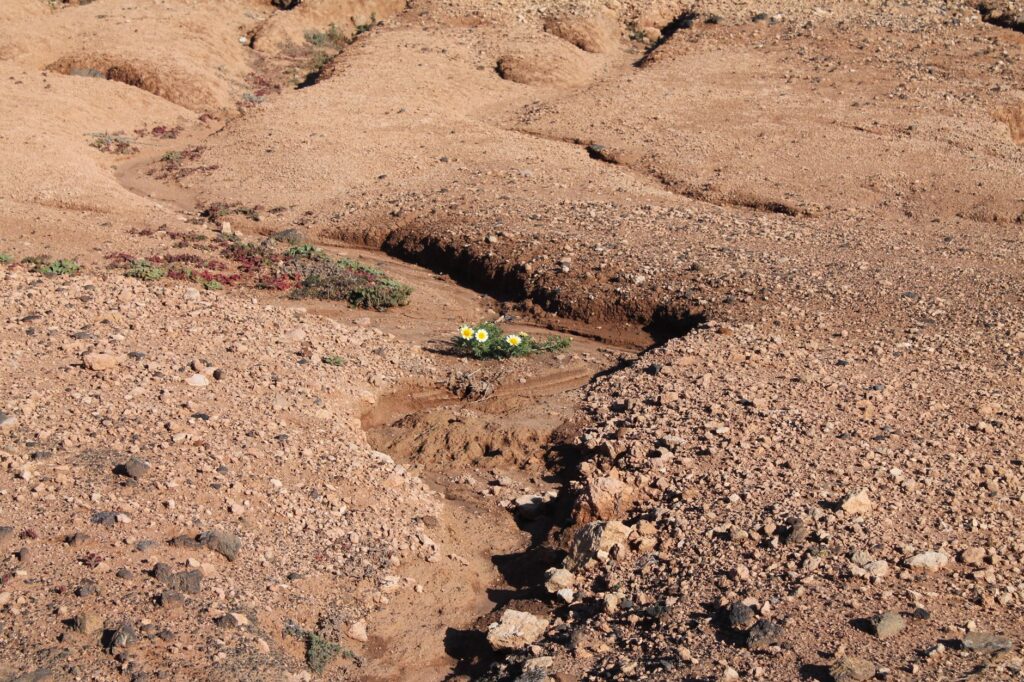
Climbing the badlands means confronting the immensity of the Patagonian steppe. From their summits, the view encompasses the confluence of the rivers and the urban fabric stretching out below, generating a striking contrast between civilization and pristine nature. Moderate-difficulty trails allow hikers to traverse these slopes, where it is common to find marine fossil remains and geological formations that remind visitors that this territory was once covered by ancient seas. The flora, adapted to water scarcity, includes specimens of jarilla, piquillín, and coirón, species that tenaciously resist high summer temperatures and freezing winters.
The wind in the badlands is not a climatic obstacle; it is the constant voice of a geography that sculpts stone and challenges those who dare to walk through it in silence.
Interpretation trails and urban archaeology
Neuquén’s heritage is not exhausted in its natural geography; it is also manifested in the vestiges of indigenous cultures and paleontological sites that transformed the province into a global benchmark. In the vicinity of the badlands, various archaeological circuits allow visitors to observe chenques—ancient indigenous burial sites—and traces of the Pehuenche culture. Local municipalities have promoted the creation of self-guided interpretation trails that educate about the importance of preserving this fragile heritage ecosystem.
The integration of these natural spaces with the urban life of valley cities has generated a new trend in proximity tourism. Residents use these natural corridors for trail running, trekking, and native bird watching, such as the red-breasted meadowlark and the roadside hawk. The close proximity between asphalt and dirt trails facilitates weekend getaways that combine urban comfort with the absolute isolation provided by the Patagonian plateaus.
Flavors of transition: the gastronomy of orchard and steppe
Neuquén’s geographical duality is directly reflected in its culinary proposal. Orchard products—fresh vegetables, pome fruits, walnuts, and herbs—are combined with traditional steppe meats, such as Patagonian lamb and northern kid goat. Local chefs have rescued these raw materials to develop an author cuisine that pays homage to the small producers of the valley.
A separate chapter belongs to the wines of northern Patagonia. In recent years, viticultural development in badland and valley soils has proven that the Neuquén terroir possesses exceptional conditions for producing high-altitude Pinot Noir, Malbec, and Chardonnay. Visiting local wineries, many of them family-run, allows one to understand how river water and steppe thermal amplitude endow the wines with a unique personality, marked by mineral notes and a distinctive freshness.
The pulse of water: rivers as axes of life
It is impossible to recount the history of Neuquén without mentioning its watercourses. The Limay and Neuquén rivers act as vital arteries supporting both economic activity and the region’s recreational development. Their banks, populated by Creole willows and poplars, offer ideal spaces for trout fly fishing, kayak paddling, and summer relaxation on pebble beaches.
Environmental conservation policies have gained ground against the demographic growth of valley cities. Various local organizations work on shoreline cleanup and the protection of urban wetlands, which are essential for migratory bird biodiversity. These bodies of water act as ecological refuges and remind us that the sustainability of the oasis strictly depends on the care and responsible management of water resources.
Practical guide
- How to get there: Neuquén International Airport (NQN) receives daily flights from Buenos Aires and other key points in the country. The road network is paved and directly connects with major national routes.
- Best time to visit: Autumn months (March to May) offer mild temperatures and the visual spectacle of the harvest in the orchards. Spring (September to November) stands out for fruit tree blossoming and climatic stability.
- Accommodation: Hotel supply is concentrated in the provincial capital, complemented by rural estancias, country inns, and boutique cabins in the productive areas of the valley.
- Safety recommendations: When hiking in the badlands, it is essential to wear good-grip trekking footwear, sunscreen, a hat, and at least two liters of water per person due to lack of shade and thermal amplitude.
- Environmental respect: Dumping waste and lighting fires outside authorized areas is strictly prohibited. Clay formations are fragile and prone to erosion; visitors are requested to walk only on authorized paths.
The horizon as a final destination
Traveling through Neuquén from the orchards to the badlands is an exercise in contemplation and memory. In this territory where the green water of the valley clashes with the golden dryness of the plateau, the traveler discovers that the true wealth of Patagonia does not reside solely in its most famous postcards, but in the capacity of its people to transform adversity into a fertile home. At the end of the journey, when the sun hides behind clay ridges and dyes the sky with violet and orange tones, the steppe immensity ceases to be a threatening void and becomes a refuge of inner peace.
The journey through this northern Patagonia does not seek the vertigo of records, but the necessary pause to listen to the wind and recognize in each furrow of the valley the patient footprint of those who chose to populate the frontier.
Source in EN: Neuquén Informa (https://www.neuqueninforma.gob.ar)