
A Labyrinth of Pink Granite and Open Sea
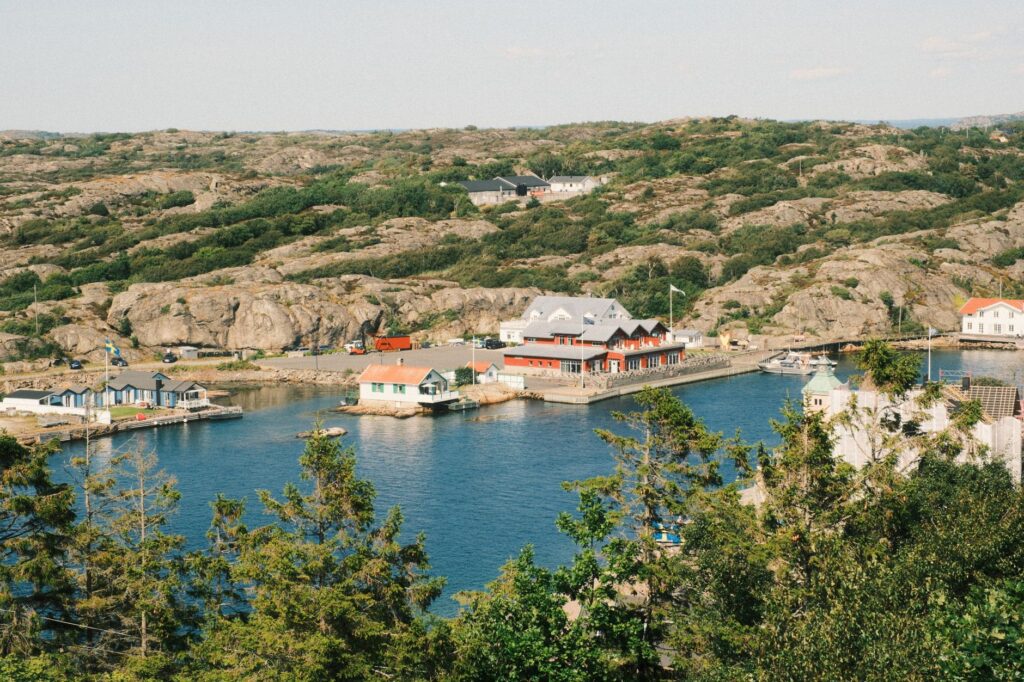
The Åland Archipelago rises in the northern waters of the Baltic Sea as a vast puzzle composed of more than six thousand pink granite skerries and reefs, where human habitation has coexisted for centuries with the harshness of the boreal climate. This autonomous, demilitarized, and Swedish-speaking region, administratively belonging to Finland, represents one of the best-preserved natural and cultural enclaves in Northern Europe. Far from the mass-market circuits of continental tourism, Åland invites travelers into a measured immersion across a landscape dominated by metallic water reflections, wind-sculpted pine forests, and a vernacular architecture where Falun red paint distinguishes every barn and coastal dwelling.
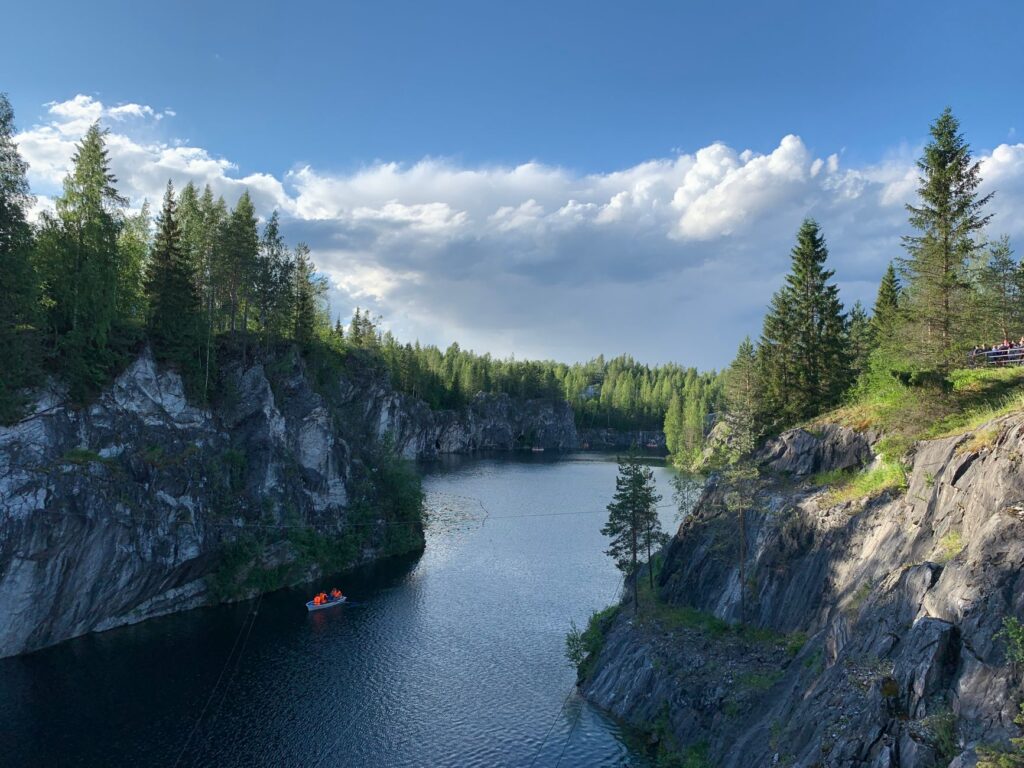
The geography of these islands is the direct result of the last ice age, a geological process that exposed millions of tons of igneous rock polished by the advance and retreat of massive ice sheets. Today, this mineral substrate serves as the foundation for an island community that has transformed geographic isolation into a stronghold of sustainability and self-governance. Traveling through Åland requires shedding urban haste and synchronizing with the cadence of local ferries, bicycles traversing paths flanked by wild meadows, and the dense silence that envelops protected bays as evening falls.
Historical Autonomy and the Swedish-Speaking Cultural Pulse
Understanding Åland’s identity demands an examination of its complex geopolitical trajectory and its status as an autonomous, demilitarized region, internationally guaranteed following the League of Nations resolution in 1921. Although operating under Finnish sovereignty, Åland’s residents maintain Swedish as their sole official and administrative language, an element that infuses everyday life with a distinctly Scandinavian character. Local institutions independently manage education, healthcare, and cultural affairs, cultivating a strong sense of belonging rooted in mutual respect and the preservation of heritage inherited from medieval seafarers and farmers.
This unique legal and identity framework resonates throughout Mariehamn, the archipelago’s only town and administrative capital. Founded in 1861 during the reign of Russian Tsar Alexander II and named in honor of his wife Maria Alexandrovna, the town preserves a disciplined urban layout featuring wide tree-lined avenues and parallel streets directly connecting its two main harbors. Here, two-story wooden buildings stand alongside small artisanal workshops perpetuating ancient crafts, from virgin wool weaving to the traditional construction of wooden watercraft.
Naval Engineering and the Legacy of Deep-Water Tall Ships
Åland’s modern history cannot be dissociated from its visceral connection to oceanic navigation and international maritime commerce. During the early decades of the twentieth century, the archipelago hosted the world’s last great commercial fleet of cargo sailing ships, led by local shipowners such as Gustaf Erikson, whose majestic windjammers crossed oceans carrying grain from Australia to British ports. This seafaring epic forged exceptional technical expertise in rib carpentry and hull design capable of defying the relentless gales of the southern Atlantic.
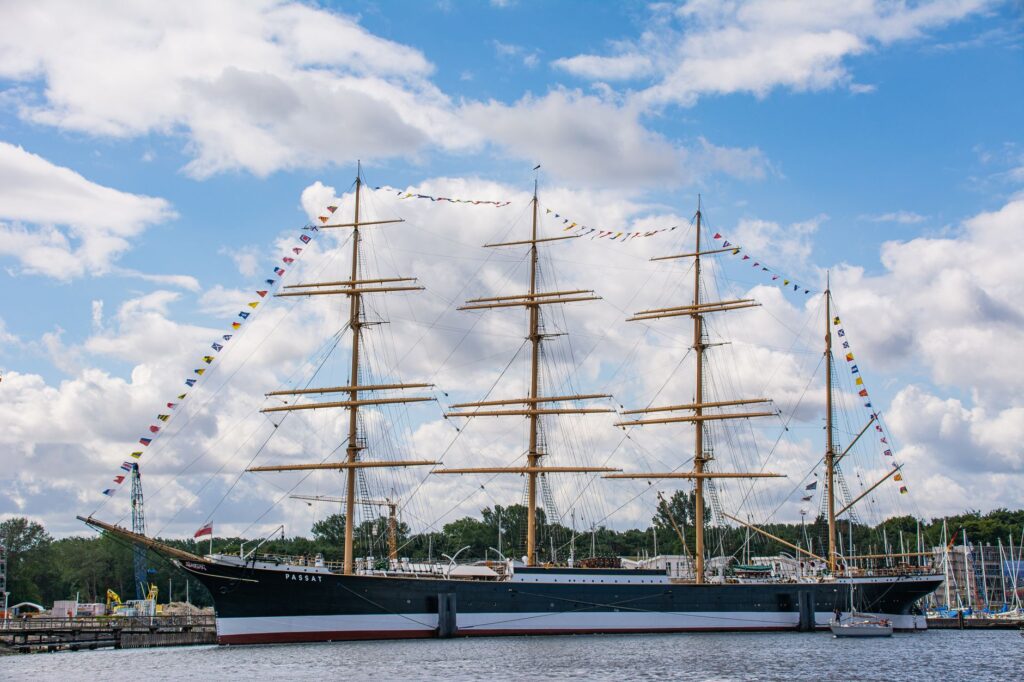
Today, this maritime heritage is devoutly preserved at the Åland Maritime Museum and, most notably, aboard the historic four-masted sailing ship Pommern, permanently moored in Mariehamn’s western harbor. Visiting this vessel, built in Glasgow in 1903, reveals the extreme hardship of life at sea and the engineering mastery required to maneuver tons of rigging with minimal crews. The meticulous preservation of the ship offers a direct window into an era when wind was the sole sustainable power connecting global markets.
Vernacular Architecture and the Refuge of Falun Red
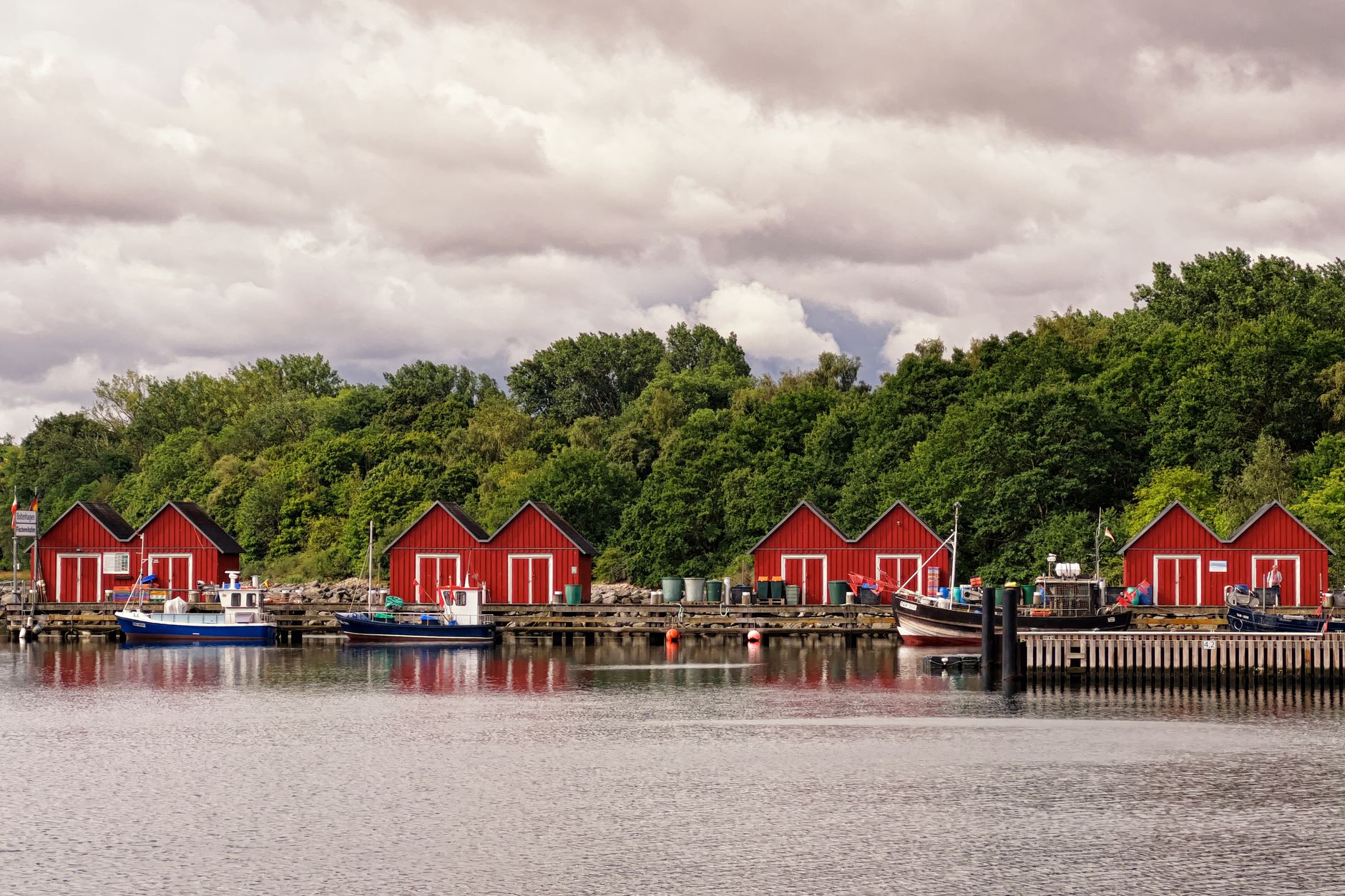
Traveling the rural roads winding across Åland’s main islands, visitors immediately notice the chromatic and structural coherence of the local buildings. Traditional farmsteads, locally known as hemman, are organized around enclosed courtyards designed to shelter homes and stables from severe winters. The most distinctive aesthetic feature is the widespread use of traditional iron oxide paint known as Falun red, a pigment originating in Sweden that provides unmistakable visual warmth while serving as a powerful natural preservative for pine and spruce timber.
This architecture responds not to decorative whims, but to rigorous functional adaptation to the natural environment. Steeply pitched gable roofs facilitate the drainage of heavy winter snow accumulation, while thick interlocking log walls guarantee optimal thermal insulation. Surrounding these historic structures, cereal fields and family vegetable plots extend down to the shoreline, harmoniously integrating into a landscape where the boundaries between cultivated forest and the marine ecosystem remain subtle and fluid.
Nautical Ecotourism and the Silent Archipelago Ferry Network
Physically exploring Åland is a fascinating logistical experience thanks to its intricate network of maritime and road communications. Unlike destinations dominated by private vehicles, the archipelago actively promotes sustainable mobility through its local ferry system, known as skärgårdsfärjor. These vessels, which regularly connect inhabited islands like Fasta Åland with remote enclaves such as Brändö, Kumlinge, or Sottunga, operate as true lifeblood arteries for both residents and travelers seeking a respectful approach to the natural world.

True luxury in Åland lies not in the artifice of large resorts, but in the capacity to stop the clock against the silent expanse of the Baltic Sea.
For active ecotourism enthusiasts, the archipelago offers exceptional routes for long-distance cycling and sea kayaking. The Archipelago Trail, a clearly marked circular itinerary, combines secondary road segments with free or low-cost boat crossings, allowing travelers to traverse historic stone bridges and wooden walkways spanning narrow marine channels. Moving at bicycle speed allows one to perceive the aromas of damp moss, blooming heather, and the subtle salinity permeating the air of uninhabited islets.
Island Gastronomy: Baltic Larder and Traditional Ferments
Åland’s cuisine faithfully reflects the harshness and generosity of its natural environment, relying on the comprehensive utilization of local marine and terrestrial resources. The star product par excellence is the Baltic herring (strömming), traditionally prepared in multiple ways: marinated with dill and red onion, smoked in small seaside artisan sheds, or fried in local butter. Complemented by whitefish caught in the cold, oxygenated waters of interior straits, this fresh bounty sustains the high culinary standards upheld by the region’s small rural restaurants.
In baking and dairy production, the åländsk pannkaka stands out proudly—a traditional baked custard made with rice porridge or semolina, delicately flavored with cinnamon and cardamom, traditionally served with wild plum compote and whipped cream. Furthermore, artisanal production of cow’s milk cheeses and natural ciders crafted from apples grown in the archipelago’s temperate microclimates complete an honest gastronomic offering, deeply rooted in the territory and resistant to passing culinary trends.
Practical guide
How to get there: The primary access to Åland is by sea via regular ferry services operated by Tallink Silja or Viking Line connecting Stockholm (Sweden) and Helsinki or Turku (Finland) with a stop in Mariehamn. Daily domestic flights are also available from Helsinki-Vantaa Airport to Mariehamn Airport (MHQ).
When to visit: The optimal months to visit the archipelago span from late May to early September, a period featuring extended daylight hours and mild temperatures. The southern summer in Åland is renowned for pleasant outdoor conditions ideal for cycling and sailing.
Internal transport: To explore the deeper archipelago without a personal vehicle, utilizing the local ferry network operated by Ålandstrafiken and renting bicycles in Mariehamn is highly recommended. Many minor inter-island routes require advance booking during high season.

Accommodation: The hospitality sector prioritizes sustainable tourism, featuring traditional red wooden waterfront cabins (stugor), small family-run guesthouses, and historic boutique hotels in the capital.
Gastronomy and shopping: Visitors should not miss tasting the local slightly sweet dark rye bread (åländsk svartbröd) or acquiring virgin wool textile handicrafts in Mariehamn’s local markets.
The Final Refuge of Boreal Light
As the sun begins its slow descent over the horizon of the Baltic Sea, the waters of the Åland Archipelago flush with copper and violet hues that seem to suspend time in an almost religious stillness. In that precise moment, sitting atop the ancient, polished granite rocks bordering the Kökar lighthouse or an isolated cove in Sottunga, one grasps the profound meaning of this insular territory. It is not merely a scenic geographical destination, but a sanctuary where red-timber architecture, absolute respect for the marine environment, and the living memory of old mariners continue to weave one of the most fascinating, authentic, and silent stories in all of Northern Europe.