
At the northernmost tip of the Adriatic Sea, where the Istrian peninsula narrows before fading into the Gulf of Trieste, the landscape shifts from rugged karstic cliffs to a serene canvas of brackish wetlands, navigable canals, and salt-varnished wooden dikes. In this hybrid ecosystem between land and sea lie the Sečovlje salt pans and the spa town of Portorož—a Slovenian subregion where health is conceived not as a modern luxury trend, but as a refined botanical, chemical, and architectural discipline perfected over more than eight centuries of uninterrupted tradition.
Wellness along this narrow coastal threshold relies on the sustainable harvesting of primary marine resources: hyper-concentrated brine or acqua madre, organic black deposition mud, and delicate fleur de sel gathered using medieval techniques. Visiting this coastal corridor means entering a microclimate of iodine-scented breezes, halophytic vegetation, and a mineral silence that gently counters the hurried pace of contemporary Mediterranean tourism.
The Northern Adriatic Marine Breath: Geography and Microclimate
The geomorphology of the Slovenian coastline is the product of a intricate dialogue between the limestone spurs of the Dinaric Alps and alluvial deposits carried by the Dragonja River. At the river’s mouth, sediment accumulation shaped a tidal plain sheltered from dominant winds by soft hills dotted with olive groves and cypresses. This specific topography yields a stable microclimate marked by high relative humidity, mild temperatures year-round, and over two thousand hours of annual sunshine.
Thermal updrafts rising from the sea saturate the air with microscopic droplets of sodium chloride, magnesium, bromine, and iodine. This natural aerosol, swept inland by gentle mistral winds in summer and soft Istrian breezes in autumn, transforms the environment around the salt pans into an open-air inhalatorium. The density of the saline air serves as a natural barrier against continental allergens, offering respiratory relief and laying the foundation for the health rituals that have drawn travelers and physicians here since the mid-nineteenth century.
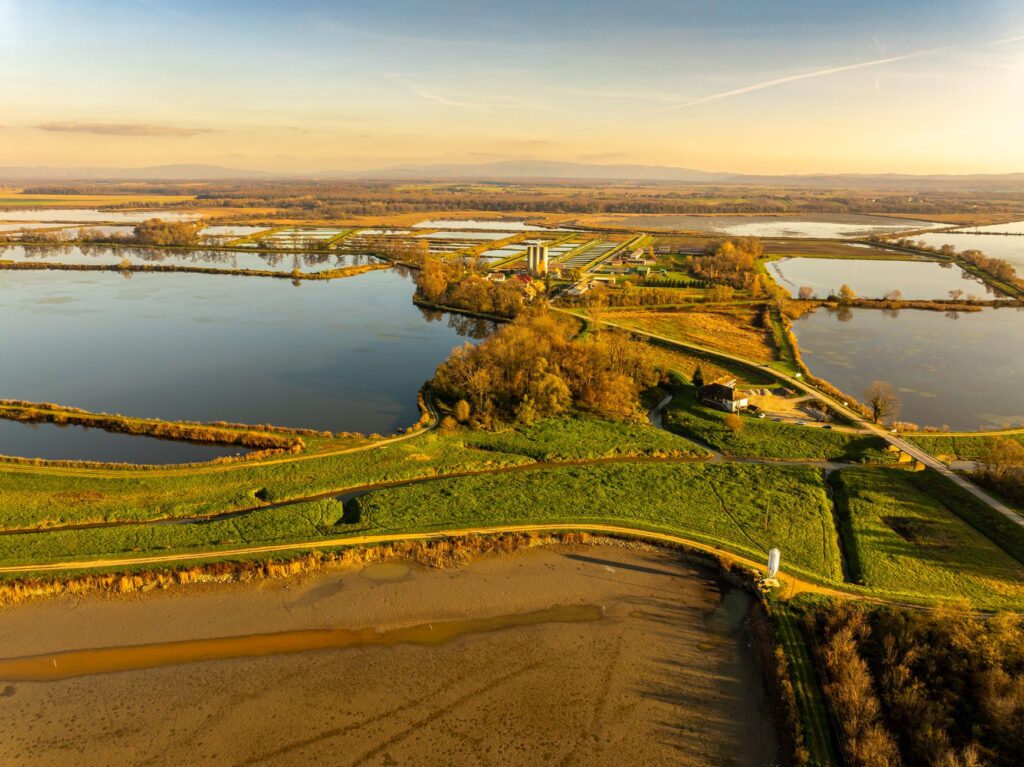
The convergence of alluvial deposits, brackish water, and thermal sea winds makes the Dragonja estuary a natural laboratory where respiratory health and skin regeneration occur through pure environmental exposure.
The Invisible Architecture of the Sečovlje Salt Pans
The Sečovlje salt pans are far more than a site of mineral extraction; they represent a monumental work of traditional hydraulic engineering built on a human scale. First formally documented in the 13th century, when the Venetian Republic assumed control over the Adriatic salt trade, these pans preserve their original geometric network of evaporation and crystallization basins connected by oak sluice gates operated by gravity and tidal flows.
The complex is divided into two distinct sectors: Fontanigge, the older southern area along the Giustina canal, and Lera, the northern section modernized during the early 20th century under Austro-Hungarian administration. While Fontanigge has partially returned to a wild state where stone salt-workers’ houses stand like romantic ruins amidst halophytic flora, Lera remains fully operational, preserving multi-stage evaporation methods that ensure absolute mineral purity.
Petola: The Biological Carpet Sustained by Mineral Purity
The true biological secret of the Slovenian salt pans lies in a microscopic, elastic microbial crust known as petola. Cultivated with meticulous care by master salt workers over the base of the crystallization basins at the start of each spring, petola is a sediment layer just a few millimeters thick composed of cyanobacteria, diatoms, microalgae, gypsum, and biologically active clay. This living carpet performs two vital functions for both the ecosystem and its therapeutic applications.
First, petola acts as a protective barrier preventing salt crystals from contacting the underlying marine clay, ensuring the harvested salt remains brilliant white and free from muddy sediment. Second, this biological filter enriches the salt and brines with organic trace minerals, marine enzymes, and metabolites that enhance the pharmacological efficacy of the compounds gathered from the crystallization basins. Maintaining petola requires extraordinary artisanal skill, passed down through generations using smooth wooden tools that preserve the delicate microbiological weave.
Acqua Madre and Fango: The Healing Chemistry of the Istrian Coast
As solar evaporation proceeds, sea water gradually increases in mineral density as it travels from outer settling ponds to inner crystallization basins. The dense liquid remaining after sodium chloride precipitates is acqua madre (mother water)—a hyper-saline brine exceptionally rich in sulfur, magnesium, potassium, and bromides, whose unique specific gravity provides extraordinary buoyant and thermal properties.
Formation of Sulfurous Mud
Sečovlje marine mud, or fango, develops at the bottom of intermediate evaporation channels where clay sediments interact over years with decomposing marine organic matter under anaerobic conditions. This natural aging process transforms ordinary clay into a velvety black paste saturated with organic sulfides and trace minerals.
Cellular Action Mechanisms
When applied to the skin as warm body wraps at temperatures between 38 and 40 degrees Celsius, the mud induces deep peripheral vasodilation, stimulating circulation, aiding lipid lymphatic drainage, and encouraging the reabsorption of inflammatory fluids in joints and soft tissues.
- Detoxifying Effect: High osmotic pressure in the brine draws out intercellular fluids and metabolic waste from epidermal layers.
- Remineralizing Action: Magnesium and potassium ions permeate the skin barrier, optimizing cellular metabolism and mitigating oxidative stress.
- Neuromuscular Calming: High concentrations of bromine in the acqua madre exert a soothing effect on the nervous system and skeletal muscles.
From Austro-Hungarian Sanatoriums to Contemporary Thalassotherapy
The transformation of the Gulf of Piran into a renowned European health retreat began in the late 19th century when Viennese nobility and Trieste merchants recognized the healing benefits of brine baths and mud treatments in Portorož. In 1891, the first modern thermal spa facility was established, drawing on the expertise of Imperial military doctors who prescribed salt-marsh mud for rehabilitating injured soldiers and treating rheumatic and respiratory ailments.
Portorož’s urban development reached its peak with the opening of the grand Palace Hotel in 1910, an architectural icon of Neoclassical and Viennese Secession styles that epitomized the golden age of European spa tourism. Today, this thermal heritage has evolved into state-of-the-art medical wellness centers that harmonize historic hydrotherapy techniques with modern dermatological and musculoskeletal therapies, maintaining a direct connection to the natural raw materials harvested at Sečovlje.
The evolution of Portorož highlights how fin-de-siècle Central European medical rigor transformed an agricultural craft into a coastal wellness model deeply respectful of its surrounding landscape.
The Measured Rhythm of the Salt Harvest Under the Summer Sun
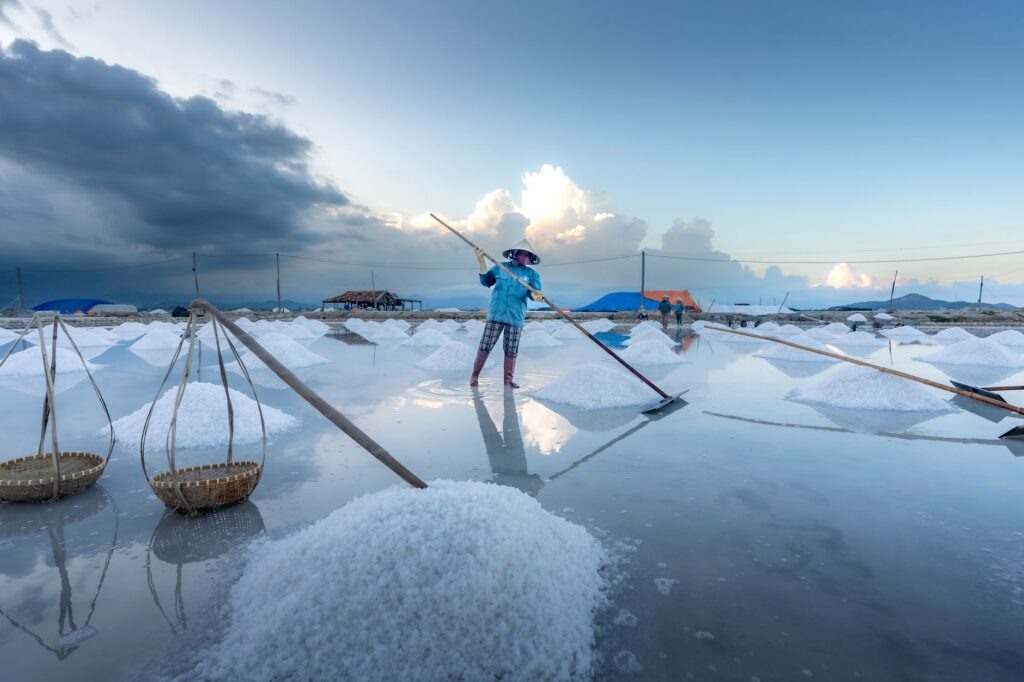
Work across the Sečovlje salt pans follows a rigorous seasonal rhythm dictated by climate. Between June and September, when daily temperatures peak and solar evaporation reaches maximum efficiency, salt workers intensify their daily duties. The process begins at dawn, when calm night air settles the water and pure salt crystals form a delicate, glistening crust across the basin surfaces.
Using the gavero—a long-handled traditional wooden rake—artisans gently pull the floating crystals to the basin edges, forming small white pyramids that allow remaining mother water to drain away. Fleur de sel, prized for its delicate crunch and balanced mineral profile, is skimmed by hand before sinking, retaining a subtle natural moisture rich in native iodine.
Rituals of Botanical Rest and Mineral Silence at Lepa Vida
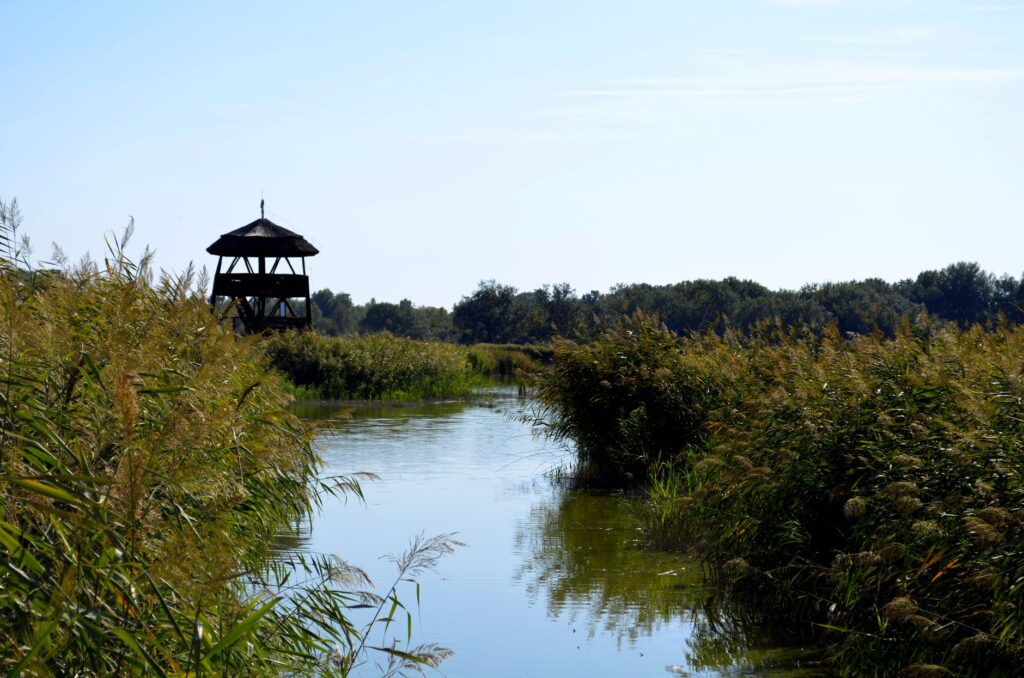
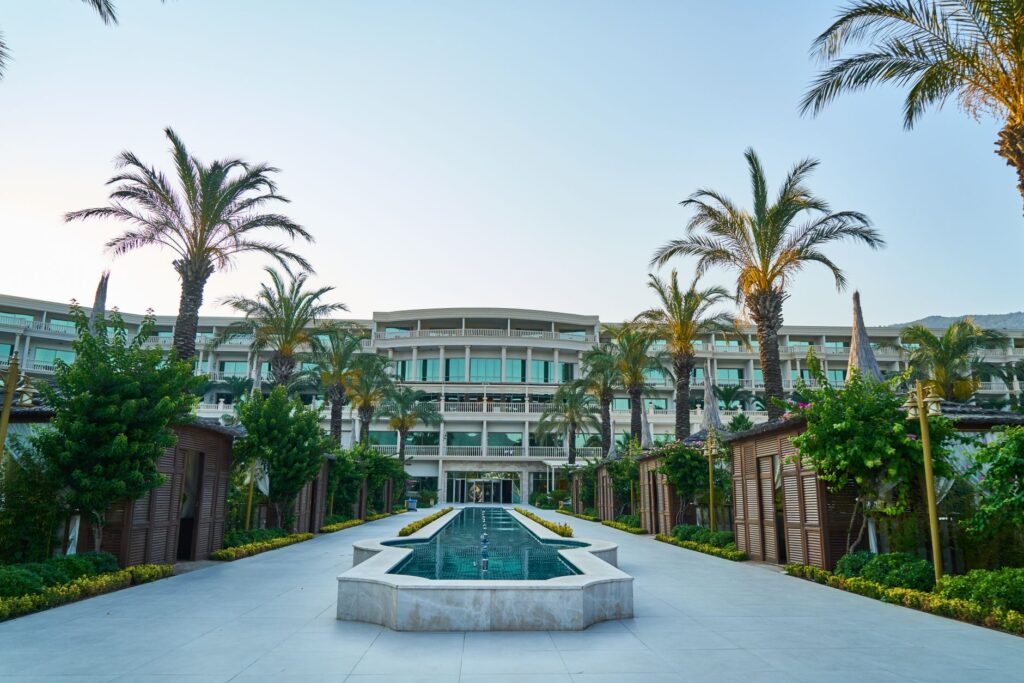
In the heart of the Lera sector, integrated with remarkable sensitivity into the Sečovlje Salina Nature Park, lies the open-air thalassotherapy center Lepa Vida. Constructed entirely from larch wood boardwalks and lightweight pavilions raised on pilings, the facility respects both sediment dynamics and migratory bird habitats, representing a harmonious union between human wellness and ecological preservation.
Guests at Lepa Vida do not undergo treatments in enclosed rooms under artificial lighting; instead, therapies take place on open platforms exposed to sea breezes, sunlight, and wide horizon views. Treatments alternate between immersion baths in private tubs of acqua madre at varying concentration levels and thick applications of fresh mineral mud. Rest periods take place outdoors, accompanied only by the soft lap of water against timber, the calls of egrets, and the faint crackle of salt crystallizing under the afternoon sun.
Practical guide
Getting there and getting around
The Sečovlje salt pans and Portorož are located 120 kilometers southwest of Ljubljana and just 35 kilometers from Trieste International Airport in Italy. The most scenic and sustainable way to explore the coast is via the paved cycling trails following the historic Parenzana railway route—a former narrow-gauge train line that linked Trieste to Poreč in the early 20th century. Private vehicular access within the nature park is restricted to protect local avian species.
Best time for therapeutic visits
The ideal season for outdoor thalassotherapy and witnessing the active salt harvest runs from late May through mid-September. However, travelers seeking immersive indoor brine baths, thermal mud wraps, and quiet coastal walks will find April and October particularly rewarding, offering mild weather, clear skies, and a tranquil atmosphere free from summer crowds.
Recommended treatments and wellness etiquette
Outdoor thalassotherapy sessions should be reserved at least two weeks in advance during summer months. A classic therapeutic cycle begins with a 20-minute mineral mud wrap, followed by a detoxifying soak in concentrated acqua madre and a period of quiet isometric rest. Drinking generous amounts of low-sodium water before and after sessions is essential to compensate for fluid loss caused by osmotic pressure.
Sustainability and environmental stewardship
Sečovlje Salina Nature Park is a Ramsar wetland of international importance and a habitat for over 300 bird species. Visitors must remain on designated wooden walkways, keep noise levels low in nesting zones, and support local conservation by purchasing sea salt certified under the protected geographic indicator Piranske soline, which directly funds the maintenance of the historic hydraulic infrastructure.
The Last Glimmer Over the Crystallization Basins
As the sun dips lower over the Gulf of Trieste and the long shadows of Istrian cypresses stretch across the landscape, the crystallization pools of Sečovlje turn into golden mirrors reflecting the quiet stillness of an unaltered coast. The scents of iodine and damp earth deepen in the cool twilight air, while freshly harvested salt mounds glow with a faint pink hue under the final rays of light. In this moment of suspended calm, wellness reveals itself not as a technological pursuit, but as the simple, grounding act of allowing nature’s primary elements—salt, water, clay, and air—to restore balance to body and mind where the land meets the sea.