
Introduction to Aotearoa’s Western Frontier
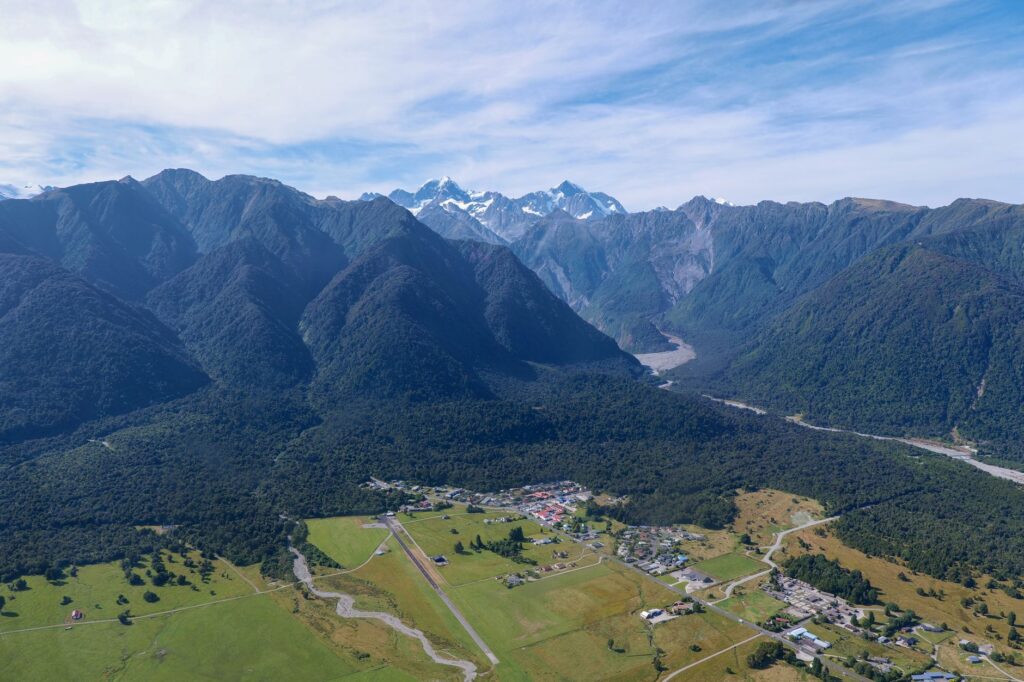
The geography of New Zealand’s South Island is defined by a brutal topographical asymmetry. While the eastern plains of Canterbury fan out in broad alluvial expanses toward the Pacific Ocean, the western slope—commonly known as the West Coast—plunges precipitously from the snow-capped peaks of the Southern Alps (Kā Tiritiri o te Moana) directly into the relentless force of the Tasman Sea. In this territory of unforgiving climate, where annual rainfall is measured in meters and temperate rainforests seem to devour the vestiges of human civilization, connectivity has never been a trivial matter. Transport in this region does not respond to the logic of massive commercial efficiency found in major urban centers; rather, it relies on a complex choreography of resilience engineering, where railways, mountain highways, and small port enclaves constantly battle the elements.
Understanding how people and goods move across this insular strip requires examining an intermodal system where heavy infrastructure dialogues directly with geological instability. From the historical coal-mining branches that fueled colonial industrialization to modern high-mountain lines and coastal shipping links, the West Coast stands out as one of the most extreme transport engineering laboratories in the Southern Hemisphere. This report examines the technical audacity, logistical challenges, and human pulse that keep alive the artery connecting this remote edge to the rest of the country.
The Genesis of Isolation: Orography and the Alpine Pass Challenge
Conquering the natural barrier of the Southern Alps has historically been one of civil engineering’s greatest challenges in Oceania. With peaks exceeding three thousand meters and constant tectonic activity marked by the Alpine Fault, connecting the east coast to the west meant drilling through living rock and tracing routes over river gorges prone to flash floods. The initial construction of roads and rail tracks was dictated by the gold rushes of the mid-nineteenth century, a period when miners and fortune seekers demanded passable roads where previously only greenstone (pounamu) trails existed.
The great milestone of this overland connectivity arrived with the opening of the Otira Tunnel in 1923, a monumental work over eight kilometers long that pierced the backbone of the mountain range. This tunnel not only linked Christchurch with Greymouth via the legendary rail service, but also established a precedent for overcoming extreme slopes through electric traction systems and forced ventilation in hostile underground environments. The orography forced British and New Zealand engineers to discard conventional solutions, opting for winding alignments, metal viaducts over fathomless abysses, and slopes reinforced with cyclopean masonry.
High-Mountain Railway Engineering: The Legacy of Bridges and Tunnels
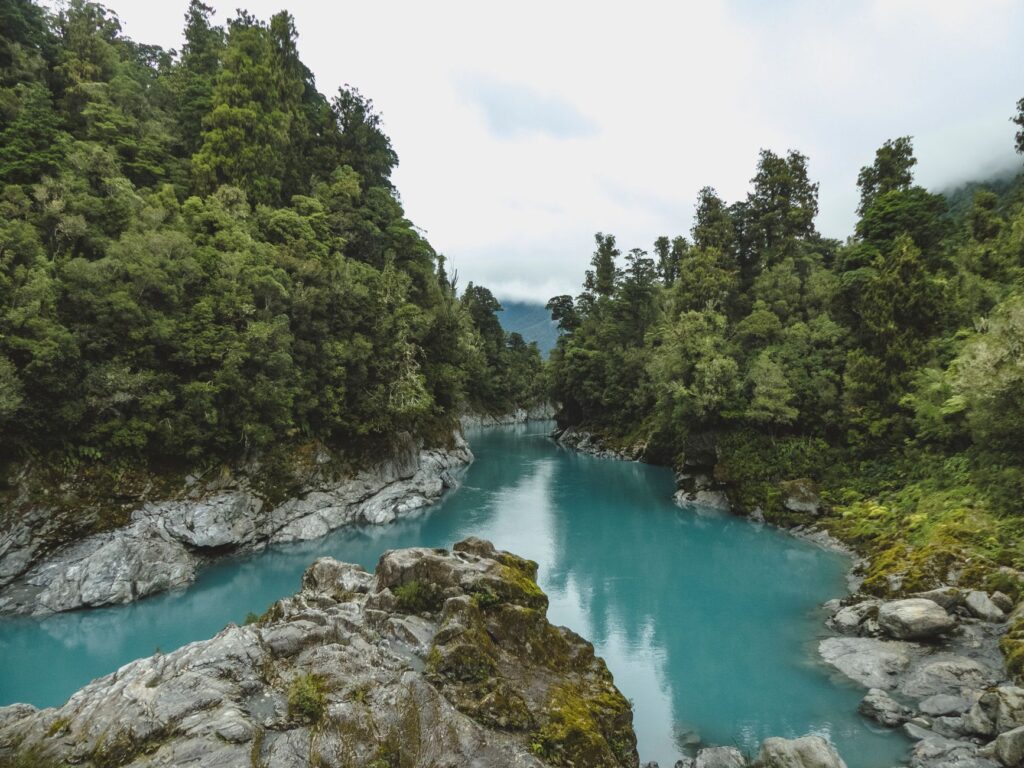
Along the line descending from Arthur’s Pass down to the coast, the railway functions as a technological time machine. The wrought-iron lattice bridges crossing the Waimakariri River and its tributaries are authentic metal sculptures designed to withstand the tremendous hydraulic pressure of spring snowmelts and cyclonic storms. Every winter, railway maintenance teams meticulously inspect the condition of abutments and the stability of surrounding hillsides, where landslides are an everyday threat.
Technical complexity lies not only in overcoming gradients, but also in managing drainage. Seasonal waterfalls cascading down the vertical walls of the gorges frequently cross the infrastructure via reinforced culverts and diversion channels carved into the rock. Freight trains carrying bituminous coal, sawn timber, and dairy products operate under strict schedule windows, coordinating passage through single-track sections where automated signaling and remote control posts are the only guarantees against total isolation.
The Logistics of Coal and Timber: The Economic Pulse of Heavy Freight
Economically, the survival of transport infrastructure on the West Coast has traditionally depended on natural resource extraction. The coal basins of Westport and Greymouth fueled domestic and international energy demand for decades, demanding an unrelenting logistics chain starting at open-cast or underground mine mouths and ending at oceanic loading docks.
Heavy freight train convoys, formed by dozens of specialized hopper cars, run daily toward export ports. This activity coexists today with an equally demanding forestry industry, where radiata pine timber from regional plantations is hauled in heavy-duty trucks to intermodal terminals for subsequent transfer by rail or sea. The integration between road transport and the railway has forced local authorities to design logistics platforms capable of transferring heavy loads without collapsing the fragile secondary road network.
The Surf-Beaten Ports: Coastal Navigation and Cabotage in the Tasman Sea
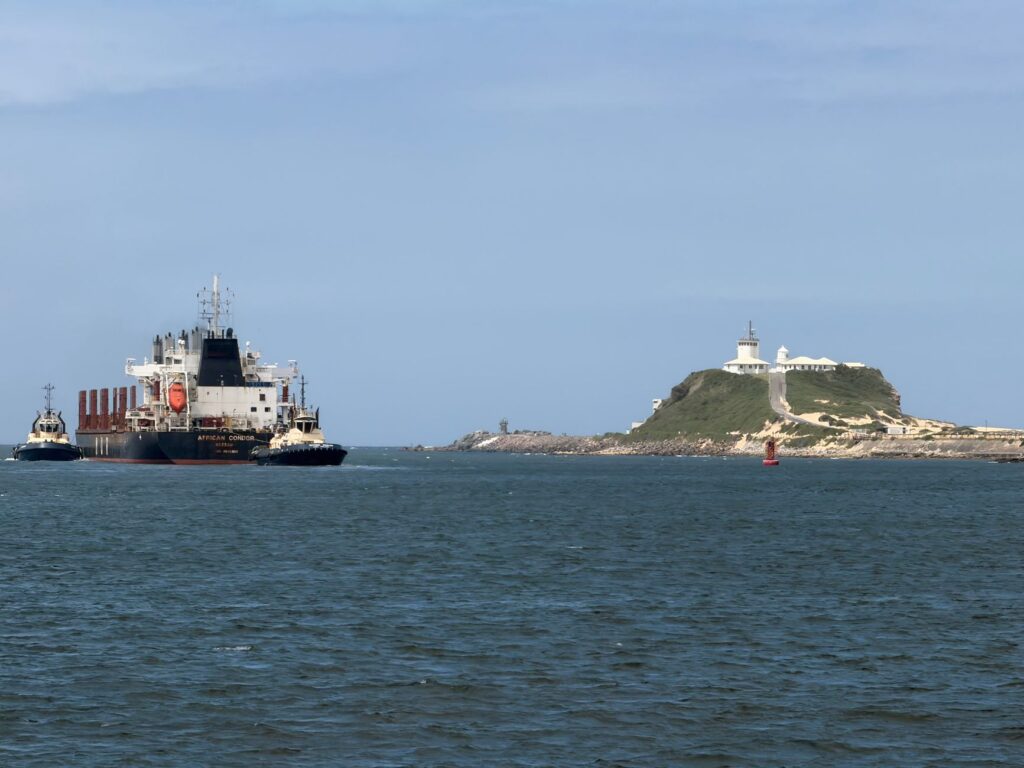
If terra firma presents colossal challenges, the maritime facade of the West Coast is no less forgiving. Ports like Westport and Greymouth are situated at the mouths of swift rivers (the Buller and the Grey, respectively), where the interaction between river currents and Tasman Sea tides generates dynamic sandbars and extremely dangerous navigation channels.
Port operations in these enclaves depend on constant dredging and a precise reading of meteorological conditions. Captains of coastal vessels supplying the region with fuel, machinery, and consumer goods must coordinate with local pilots to cross river bars solely during safe high tides. This maritime vulnerability explains why the inland rail lifeline remains an irreplaceable backbone when ocean conditions prohibit commercial navigation for days on end.
Infrastructure on New Zealand’s West Coast is not merely a transit channel, but a daily pact between human daring and the relentless fury of natural elements.
Passenger Transport and Expedition Tourism: The Travel Experience
Beyond industrial freight, the West Coast transport network plays a vital cultural and tourist role through the famous TranzAlpine train, internationally acclaimed as one of the world’s most scenic rail journeys. This service connects Christchurch with Greymouth, crossing the Southern Alps in a nearly five-hour journey winding through glacial valleys, century-old tunnels, and impossible gorges.
The design of the carriages, equipped with large panoramic windows and an open-air viewing car, responds to a regional development strategy based on low-impact ecotourism. Travelers experience the climatic and landscape transition firsthand: from the golden pastures of Canterbury to the lush temperate rainforest of giant tree ferns and kahikatea crowns on the western side. This line demonstrates how industrial infrastructure can be repurposed into a heritage asset that fosters the local economy without compromising the ecological integrity of the protected environment.
Practical guide
Getting there and planning your trip: The primary land and rail gateway to the West Coast is via the TranzAlpine line from Christchurch or through the highway network crossing Arthur’s Pass (State Highway 73) and Haast (State Highway 6).
Best time to visit: The austral summer months (December to February) offer the most stable weather conditions, though the region experiences rainfall year-round; packing high-quality technical waterproof clothing is essential.
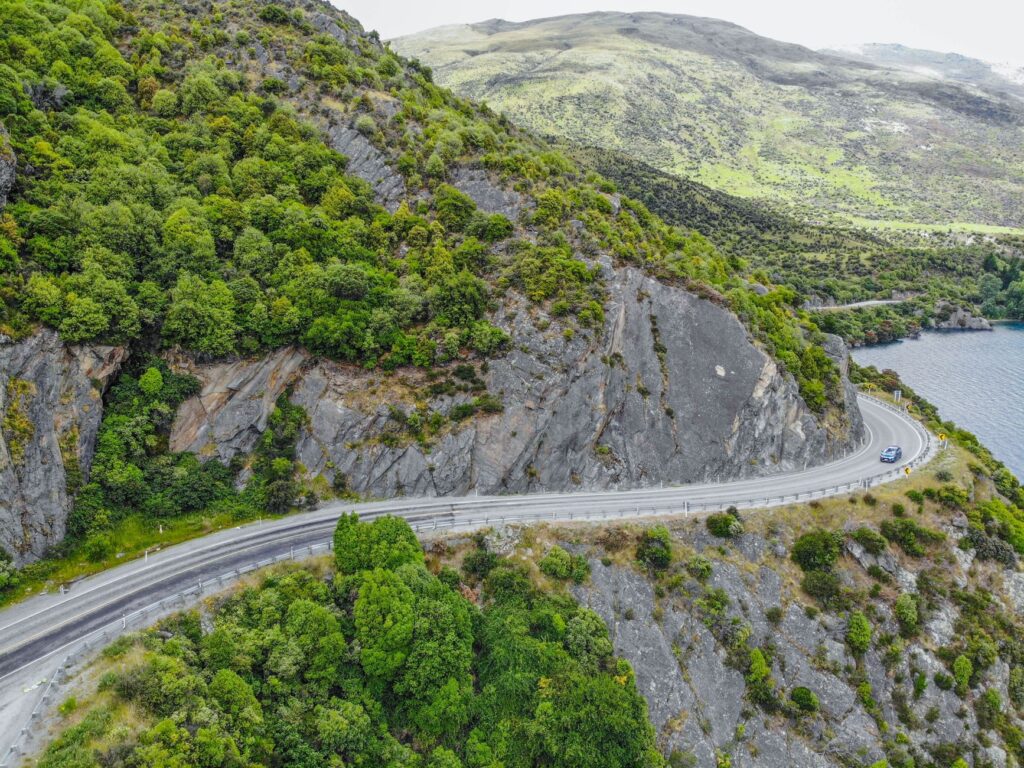
Intermodal mobility: To explore the region in depth, combining main rail segments with rental vehicles suitable for secondary mountain roads is recommended, paying close attention to road weather advisories issued by transport authorities (NZTA).
Safety precautions: Mountain routes are prone to unexpected closures due to avalanches, rockfalls, or rising river levels. Never ignore warning signs or attempt to cross flooded riverfords.
Emotional Epilogue at the Tide’s Edge
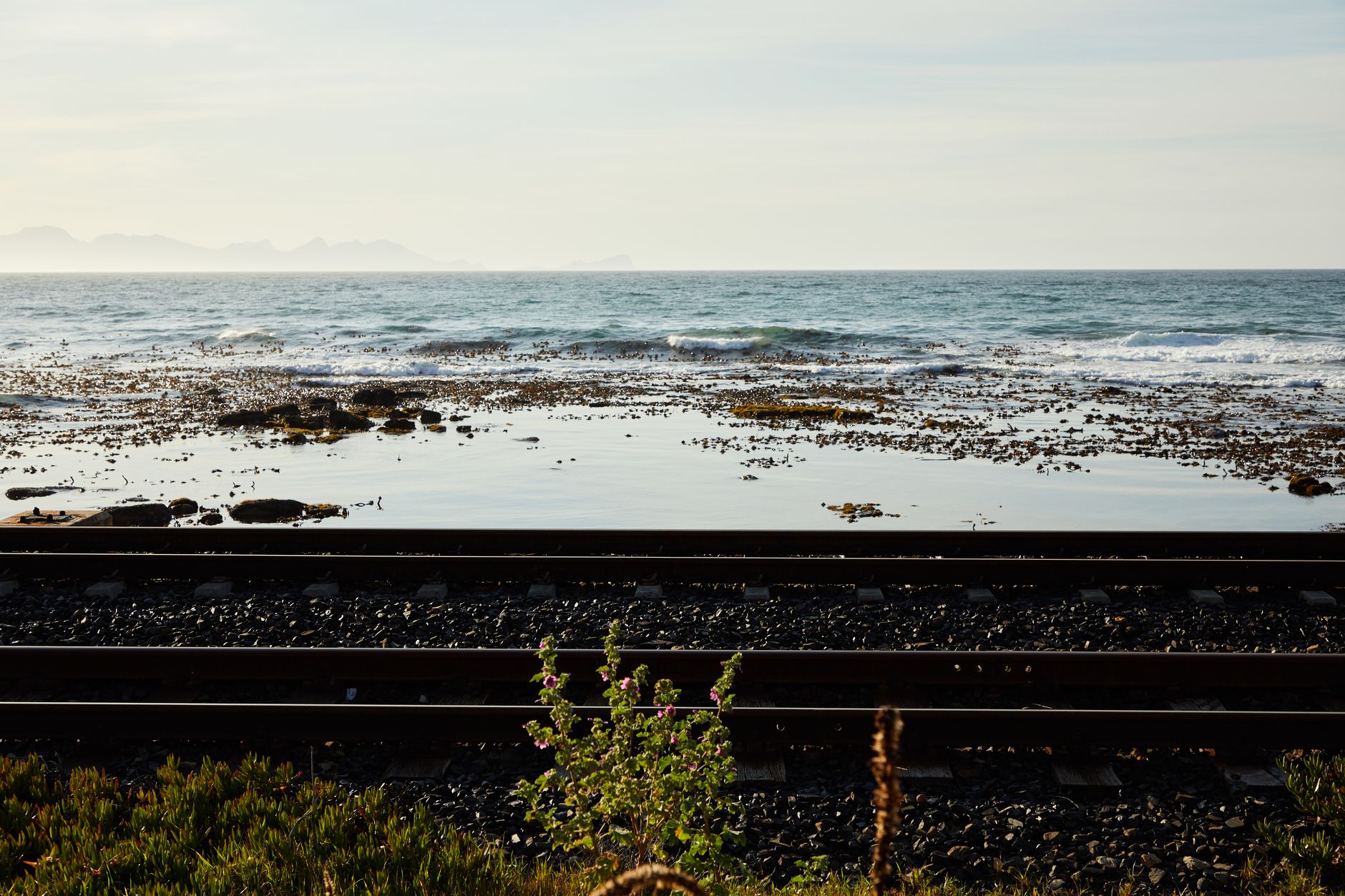
When the last freight convoy clears the gorge and twilight fades over the dark beaches of Punakaiki, the West Coast recovers its ancestral silence. In this wild, windswept borderland where the constant roar of the Tasman Sea merges with the murmur of water descending from hidden glacial mists, the steel tracks and suspension bridges reveal themselves as much more than mere transport structures. They are the fragile threads holding human memory and life together in an indomitable territory, reminding us that every journey across this savage geography is, in essence, an act of respect toward the immensity of nature.