
Introduction to Alaska’s Aerial Frontier
At the western edge of the American continent, where the North Pacific merges with the Bering Sea, stretches a volcanic arc of more than fifteen hundred islands known as the Aleutians. This remote, element-lashed territory completely lacks inter-island roads. The only way to connect isolated communities such as Unalaska, Adak, or Atka is through a highly specialized regional aviation network. Bush planes and turboprops operated by local airlines serve as the umbilical cord of this archipelago, transporting not just passengers, but also critical medical supplies, mail, and fresh food amid one of the most hostile meteorological environments on earth.
Understanding the operation of this transport system requires looking beyond simple geography. Here, aviation is neither a luxury nor a tourist alternative; it is an essential public service and a daily exercise in technical survival. The airlines operating these routes must contend with sudden barometric drops, dense fogs forming in minutes, and crosswinds exceeding standard commercial operating limits. The skill of the pilots and the solidity of local airport infrastructure form a unique model of extreme connectivity.
The Relentless Geography of the Bering Sea
The Aleutian archipelago acts as a natural barrier between the cold waters of the Bering Sea and the warmer currents of the North Pacific. This geographic location generates a perpetual phenomenon of clashing weather fronts, cyclonic storms, and severe mountain turbulence known as williwaw winds. These downdrafts can strike a landing strip with hurricane force without warning, drastically altering approach conditions. For flight dispatchers, every workday begins with an exhaustive analysis of barometric pressure and wind reports from automated weather stations perched on volcanic peaks.
Unlike major international airports where automated instrument landing systems guide aircraft in low visibility, many Aleutian airstrips rely on visual approaches or GPS overlays tailored to rugged terrain. The steep mountains surrounding the valley runways reduce error margins to zero. A minor miscalculation in approach speed or descent angle can prove catastrophic due to wind shear and orographic wake turbulence.

Fleet and Engineering Adapted to Ice and Gravel
Aircraft operating in the Aleutians are far from conventional passenger jets. Models like the legendary De Havilland Canada DHC-6 Twin Otter or the Saab 340 turboprop configured for unpaved runway operations are the true workhorses of this route. These airframes are engineered with exceptional structural robustness, reinforced landing gear capable of absorbing severe impacts on loose gravel, and high-capacity anti-icing systems running continuously throughout long winter seasons.
Maintaining these fleets is a titanic logistical challenge. Every replacement part must be flown in or carried by cargo vessels operating on irregular schedules dictated by sea states. Aeronautical engineers stationed at bases like Dutch Harbor work in hangars where salt-corrosion control is an absolute priority. Constant humidity and salt-laden air demand exhaustive structural inspections to prevent metal fatigue in wing spars and fuselages.
Aviation in the Aleutians pushes the limits of modern aeronautical engineering: every takeoff is an act of millimeter precision, and every landing on a wet gravel runway is a testament of respect toward the fury of the Pacific Ocean.
Rough-Edge Vanguard Airports: Critical Infrastructure
Aleutian airports feature no jet bridges, sprawling passenger terminals, or automated check-in kiosks. Instead, they present functional, resilient infrastructure: compacted gravel or short asphalt runways, rudimentary but effective runway lighting, and small sheds serving simultaneously as waiting rooms, post offices, and cargo control centers. Tom Madsen Airport in Unalaska (Dutch Harbor), for instance, is internationally renowned for its short runway flanked by water and cliffs, demanding aggressive braking and reverse-thrust techniques.

Capacity management at these airports depends entirely on natural light and horizontal visibility. During the winter solstice, daylight hours shrink drastically, forcing all operations into tight scheduling windows. Local authorities and airlines collaborate closely to keep runway surfaces clear of snow buildup using heavy sweepers and urea-spreading trucks, preventing the formation of black ice that compromises landing traction.
The most critical element of connectivity in the Bering Sea is undoubtedly the human factor. Captains flying for carriers like Ravn Alaska or Grant Aviation log thousands of hours in bush flying conditions. They are not mere operators of automated systems; they are seasoned aviators who rely on intuition, visual terrain reading, and constant VHF radio communication with other aircraft operating on shared frequencies without continuous radar coverage.
Air traffic controllers in Anchorage manage the region via a mixed system of high-frequency radio and satellite-based ADSB tracking, but on final approaches responsibility rests entirely on the flight crew and local ground observers who report weather in real time. This reliance on the community creates a web of mutual trust where residents report fog height or sudden gusts before any official instrument can register the atmospheric shift.
Cargo Logistics: Food, Medicine, and Mail
For Aleutian communities, light cargo aircraft are the sole lifeline for perishable goods and urgent medical supplies. Maritime supply chains are slow and prone to total disruption during winter gales sweeping across the Gulf of Alaska. For this reason, cargo planning aboard passenger and combi aircraft is an exact science where every kilogram counts and strict priorities are assigned based on humanitarian or commercial needs.

Vaccines, clinical blood samples, and mechanical parts for commercial fishing vessels travel in the forward cabin, secured with heavy-duty cargo nets. The United States Postal Service (USPS) indirectly subsidizes a major share of this network through mandatory mail carriage contracts, a vital mechanism ensuring remote islands maintain reasonable shipping rates and minimum weekly flight frequencies even when passenger demand plummets.
Contemporary Challenges: Climate Change and Fleet Modernization
In recent years, climate change has significantly altered traditional weather patterns in the Bering Sea. Winters have grown more erratic, alternating unprecedented storm intensity with unusually warm periods generating dense, persistent fogs due to rapid evaporation over ice-free waters. This instability increases flight cancellations, isolating communities for consecutive days and straining local supply chains.
Faced with this reality, regional carriers face the urgent need to modernize fleets with cutting-edge avionics, including synthetic vision systems (SVS) allowing pilots to visualize surrounding terrain on digital displays even in zero-visibility conditions. However, the high cost of these technology upgrades and a shortage of certified mechanics willing to live in such remote areas raise serious questions about the long-term sustainability of this indispensable transport network.
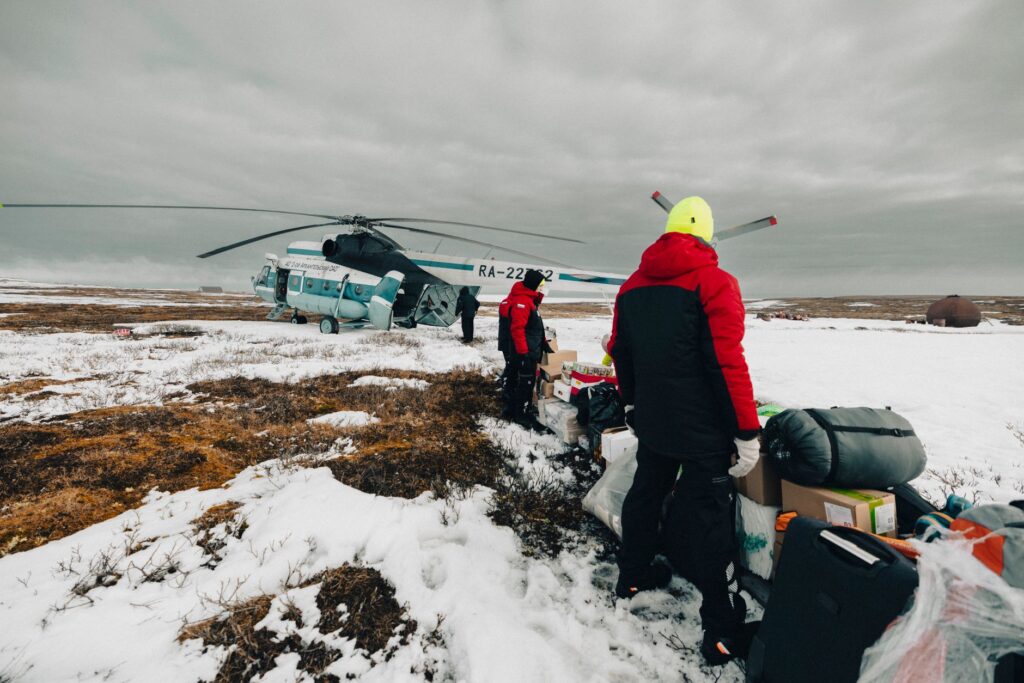
The resilience of an island community is measured by how often an airplane manages to touch ground through the storm; in the Aleutians, connectivity is not a matter of comfort, but the very heartbeat of human life.
Operational Guide for Traveling and Understanding the Aleutian Aviation Network
Planning travel or logistical shipments through the Aleutian aviation network requires a mindset entirely distinct from conventional commercial transit. Below are essential practical guidelines for understanding and navigating this system:
Absolute Itinerary Flexibility: Multi-day cancellations and weather delays are the norm, not the exception. Every traveler must build a generous buffer into connection dates.
Severe Baggage Restrictions: Due to small aircraft capacities and strict weight limits per takeoff, luggage is typically restricted to 15-20 kilos per passenger, including carry-ons.
Fares and Subsidies: Ticket prices are high due to high fuel and maintenance operating costs in remote areas, though subsidized resident fare programs exist.

Personal Gear: Travelers are advised to pack windproof, waterproof technical outerwear, as boarding and deplaning occur directly on the tarmac exposed to the elements.
Direct Communication: Maintaining fluid contact with local airline offices and checking regional weather reports proves far more effective than consulting general flight apps.
Conclusion: The Future of the North Pacific’s Invisible Thread
The air transport system across the Aleutian archipelago is far more than a collection of secondary routes and airports; it stands as a living testament to human capacity to defy geographic hostility and sustain civilization at the edge of the world. While technology marches toward total sky automation, aviation in this corner of the Bering Sea continues to depend on individual courage, technical rigor, and community solidarity. Ensuring the continuity of these flights preserves the living history and future of the populations calling the edge of Alaska home.