
Along the rugged shores of the St. Lawrence River, where fresh waters meet the salty tides of the Atlantic, silence has taken on a new meaning. For decades, the echo of diesel engines set the pace for the Charlevoix region, a Quebec territory defined by its untamed geography and its status as a UNESCO Biosphere Reserve. However, the arrival of the continent’s first passenger train powered by green hydrogen has silenced the mechanical roar, replacing it with a subtle hiss of water vapor. This shift is more than a technological upgrade; it is a statement of intent on how high-end tourism and environmental conservation can coexist in one of the northern hemisphere’s most fragile landscapes.
The project, connecting historic Quebec City with the charming towns of Baie-Saint-Paul and La Malbaie, represents a milestone in the decarbonization of rail transport. Traveling the 125 kilometers of tracks that wind between granite cliffs and dense forests, the passenger perceives a more intimate connection with the surroundings. Without the vibrations and smell characteristic of fossil fuels, the transit experience becomes an act of pure observation. Here, mobility ceases to be a simple logistical chore and transforms into the backbone of a regional development model that prioritizes the integrity of the Canadian Shield and the well-being of its local communities.
The Rail Renaissance in the Canadian Shield
The railway history of Charlevoix has always been tied to geography. Originally built in the early 20th century to serve the timber and paper industries, the rail line faced monumental engineering challenges due to terrain instability and extreme proximity to the river. For years, the train was the only reliable link for communities isolated by snow. With the decline of heavy industry, the route found a second life in tourism, but the environmental impact of aging locomotives began to clash with the values of a region that prides itself on its unique biodiversity.
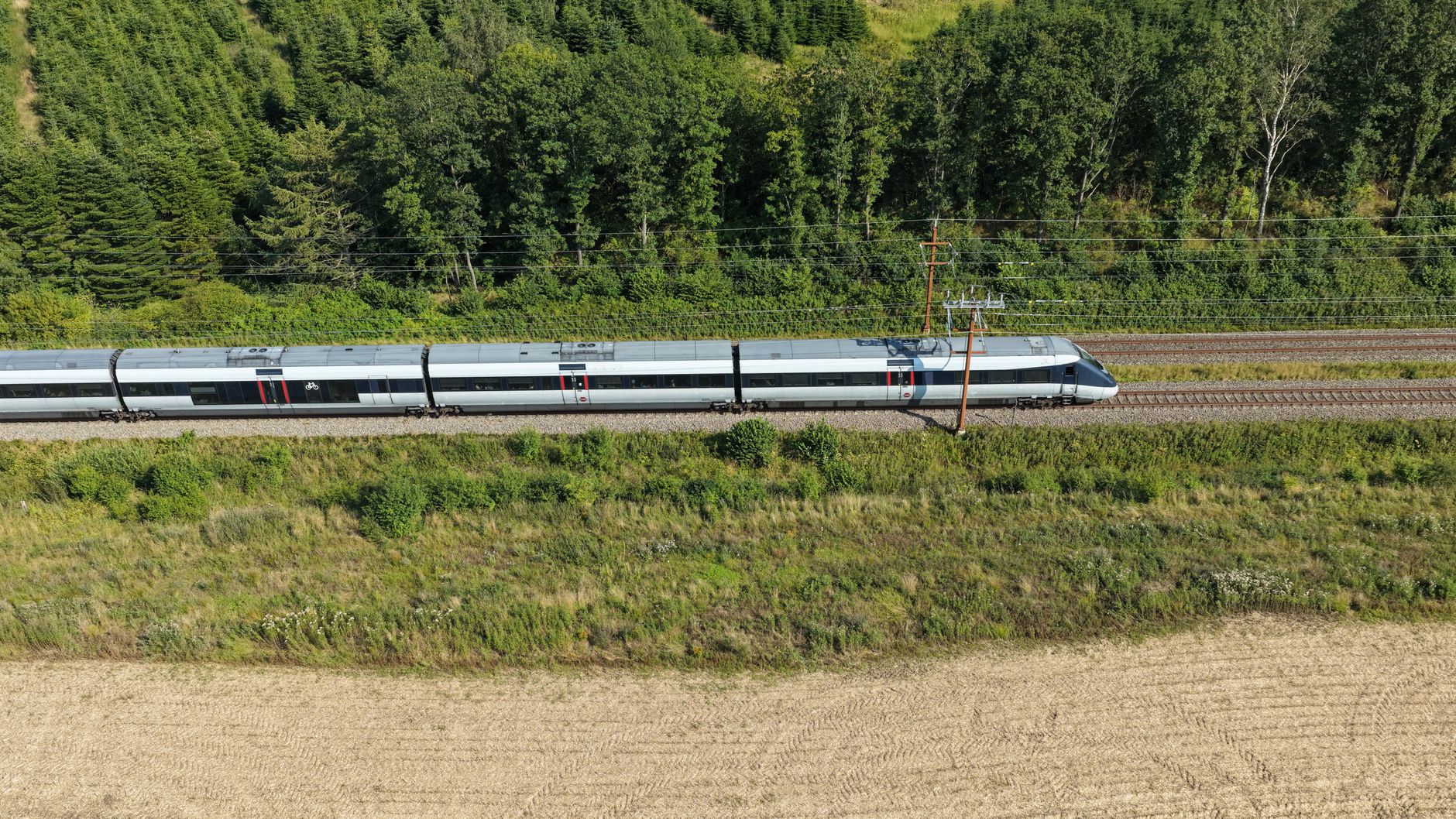
The transition to hydrogen has revitalized this corridor. By utilizing Alstom’s Coradia iLint model, Quebec has positioned itself as a living laboratory for the mobility of the future. This train generates its own electricity through a fuel cell that combines hydrogen stored on the roof with oxygen from the outside air. The only byproduct is distilled water and steam, completely eliminating CO2 and nitrogen oxide emissions. For local residents, seeing the train pass is no longer synonymous with a cloud of black smoke, but with a step toward energy sovereignty based on the province’s water resources.
The Charlevoix Train does not just transport people; it carries a new vision of the territory where technology humbles itself before the magnitude of the boreal landscape.
Hydrogen: The Invisible Fuel of the Tundra
Implementing hydrogen technology in a climate as extreme as Quebec’s has been no simple task. The system must be capable of operating in a thermal range that fluctuates from 30 degrees Celsius in summer to the freezing winters that ice over the banks of the St. Lawrence. The hydrogen used is produced via electrolysis powered by hydroelectric energy, ensuring that the fuel’s entire life cycle is low-emission. This «green hydrogen» approach distinguishes Charlevoix from other projects that rely on fossil sources for gas production.
The refueling infrastructure, strategically located, allows the train to maintain sufficient autonomy to complete the round trip without interruption. The fuel cell’s efficiency is notably higher than that of internal combustion engines, and the regenerative braking system allows energy to be recovered and stored in lithium-ion batteries for peak demand moments. This technical sophistication translates, for the passenger, into a smoothness of motion that allows for reading or conversation without the background noise that has historically defined train travel.
The Architecture of Mobility: Stations That Breathe
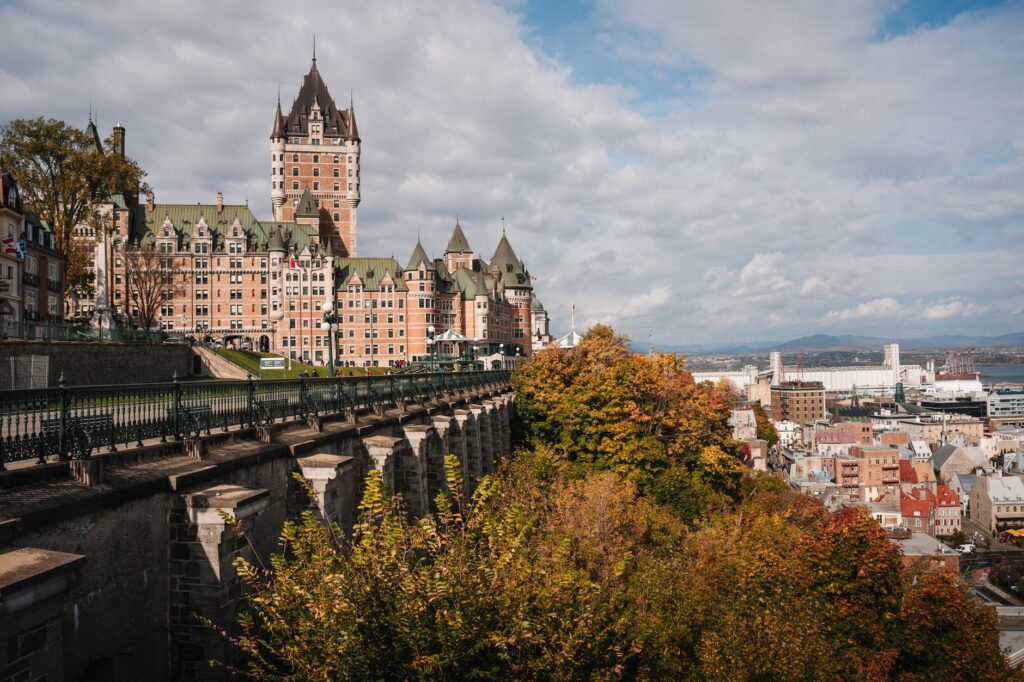
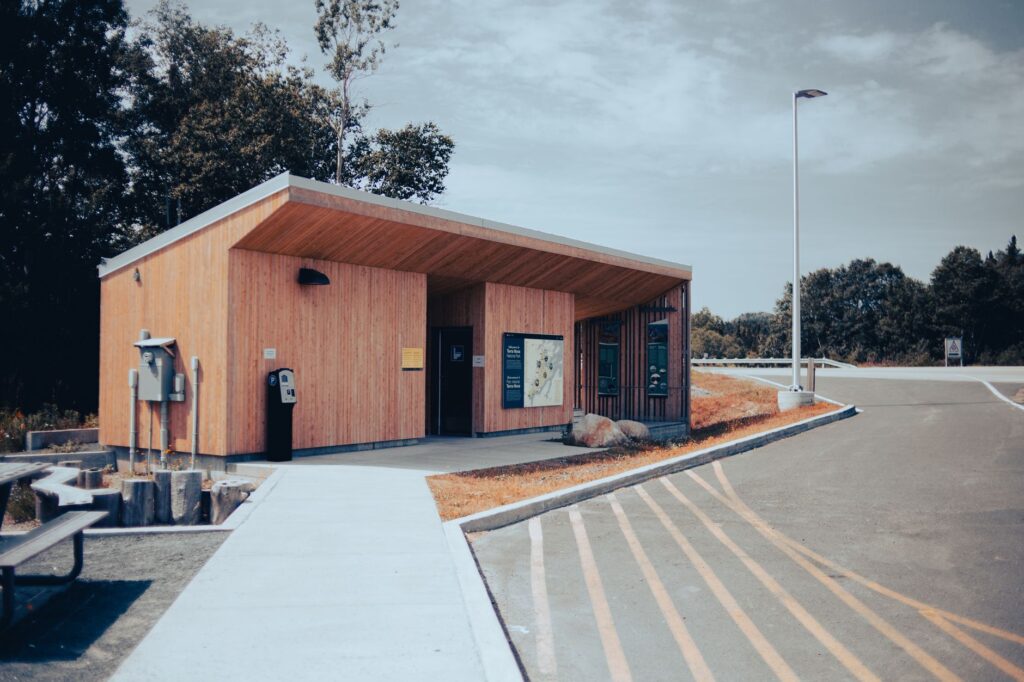
The commitment to sustainability extends beyond the tracks. Stations along the route have undergone a rehabilitation process that prioritizes local materials, such as spruce wood and granite. In Baie-Saint-Paul, the terminal integrates harmoniously with the Hotel & Spa Le Germain complex, an example of bioclimatic architecture that uses geothermal energy for climate control. These infrastructures act as multimodal mobility hubs, where travelers can easily connect with electric shuttles or bike-sharing systems to explore the region’s interior.
The design of these stations avoids unnecessary monumentality. Instead, it seeks a human scale that facilitates the flow of visitors without saturating urban centers. The transparency of the buildings, with large glass surfaces, allows the landscape to remain the protagonist even while waiting to board. It is a «gateway station» model that invites mindful exploration of the rural environment, encouraging longer stays and economic spending that directly benefits local artisans and producers.

The Biosphere Reserve: Protecting the Caribou’s Trail
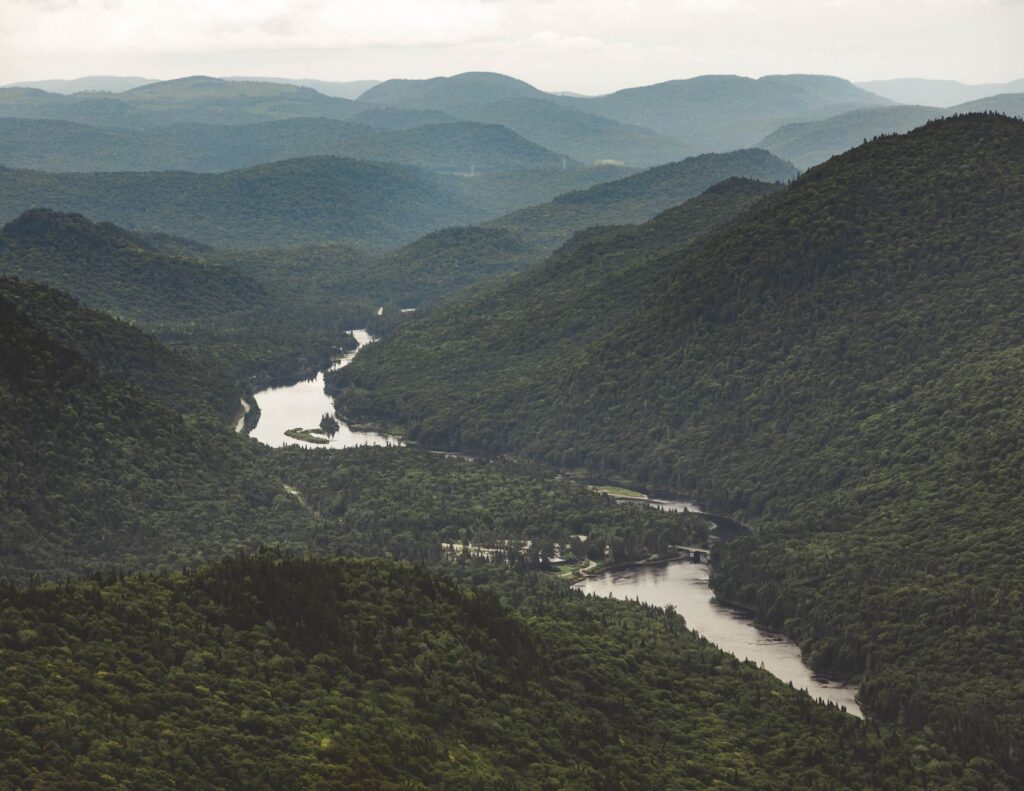
Charlevoix is a territory shaped by a meteorite impact 350 million years ago, creating a unique circular topography that hosts diverse microclimates. From alpine tundras on the peaks of the Grands-Jardins mountains to coastal marshes, the ecosystem is extraordinarily rich. The use of silent transport is crucial here; reducing noise pollution minimizes stress on local wildlife, including migratory birds and marine mammals inhabiting the estuary.
The train acts as a mobile observatory that educates passengers on the importance of conservation. Through interpretive guides and onboard information systems, the fragility of the Biosphere Reserve is explained. Managing tourist flow via rail allows for limiting private vehicle use on local roads, reducing habitat fragmentation and the risk of wildlife collisions. It is a land management strategy that understands access must be regulated to be sustainable in the long term.
«True innovation lies not in speed, but in our ability to move without leaving a scar on the world we come to admire.»
Farm-to-Table via the Railcar
One of the pillars of this mobility model’s success is its integration with Charlevoix’s circular economy. The region is famous for its «Flavour Trail,» a network of organic farms, artisanal cheesemakers, and microbreweries. The train facilitates access to these producers, allowing visitors to engage in gastronomic tourism without the need for a car. Furthermore, the onboard service is supplied almost exclusively with local products, eliminating long supply chains and reducing the carbon footprint of catering.
This synergy between transport and local production has created a sense of community pride. Local farmers see the train as an ally that brings a respectful, high-spending visitor profile interested in food traceability and authentic rural culture. Instead of large hotel complexes, sustainable mobility has fostered the growth of boutique accommodations and guesthouses that respect traditional Quebecois aesthetics, keeping the region’s architectural heritage alive.
Winter as a Challenge: Technological Resilience
While the hydrogen train has primarily operated during the thaw seasons, the long-term goal is year-round operability. Winter in Charlevoix is relentless, with snow accumulations that can exceed three meters. The resilience of hydrogen fuel cells in extreme temperatures is an active field of research. Engineers constantly monitor the performance of thermal management systems to ensure that waste heat from the fuel cells is used to maintain comfort inside the carriages.
Transitioning to a winter model would allow for de-seasonalizing tourism, offering access to ski resorts like Le Massif in a much more ecological way. Currently, the connectivity between the mountain base and the train is a model of efficiency: skiers can step directly from the carriages onto the lifts, eliminating the need for extensive parking lots at the mountain’s base. This vision of a «car-free mountain» is the ultimate horizon for mobility in Charlevoix.

Towards a Decarbonized Trans-Canadian Network
The success of the Charlevoix Train is serving as a catalyst for other projects across Canada. With a vast railway network that still relies heavily on diesel for freight and passenger transport in remote areas, hydrogen presents itself as the most viable solution where electrification via catenary is economically prohibitive. The experience gained in Quebec regarding fuel logistics, safety, and public acceptance is laying the groundwork for similar corridors in the Rockies or the Maritime provinces.
The federal government and provincial authorities see this project as an opportunity to lead the global green mobility industry. By integrating the value chain, from hydrogen production to train manufacturing, Canada seeks to transform its transport sector into an engine for sustainable growth. For the international traveler, this means it will soon be possible to cross vast stretches of the continent with a minimal environmental footprint, enjoying the majesty of the Canadian wilderness from the window of a train that emits only water.
Practical guide
- Getting there: The main starting point is Quebec City. There are frequent bus and conventional train connections (VIA Rail) from Montreal.
- Operating season: The hydrogen train typically operates from June to October, coinciding with the explosion of Canadian autumn colors, which is the most spectacular time for the trip.
- Booking tickets: It is essential to book in advance through the official Train de Charlevoix website, especially for weekend trips which tend to sell out quickly.
- Local connectivity: In Baie-Saint-Paul and La Malbaie, there are electric shuttle services connecting the station with major points of interest and hotels.
- Gastronomic recommendation: Do not miss the chance to try cheeses from Laiterie Charlevoix and ciders from local orchards, many of which offer tastings accessible by foot or bicycle from the stations.
- Luggage: The train has specific spaces for bicycles and hiking equipment, encouraging active mobility once you arrive at your destination.
As evening falls over the estuary, and the sun tints the waters of the St. Lawrence with purple, the train begins its return to Quebec. From the carriage, the silhouette of a beluga whale is sometimes spotted briefly surfacing in the distance. It is in that moment of absolute stillness, without the roar of an engine to break the spell, that one understands the true luxury of contemporary travel is not speed, but silence. The hydrogen train is not just a machine; it is the promise that we can continue exploring our planet’s beauty without becoming the cause of its disappearance. The journey ends, but the feeling of having been part of something clean and necessary lingers long after stepping off the train.