
The Federal Capital and Its Daily Pulse Between Stone and Market
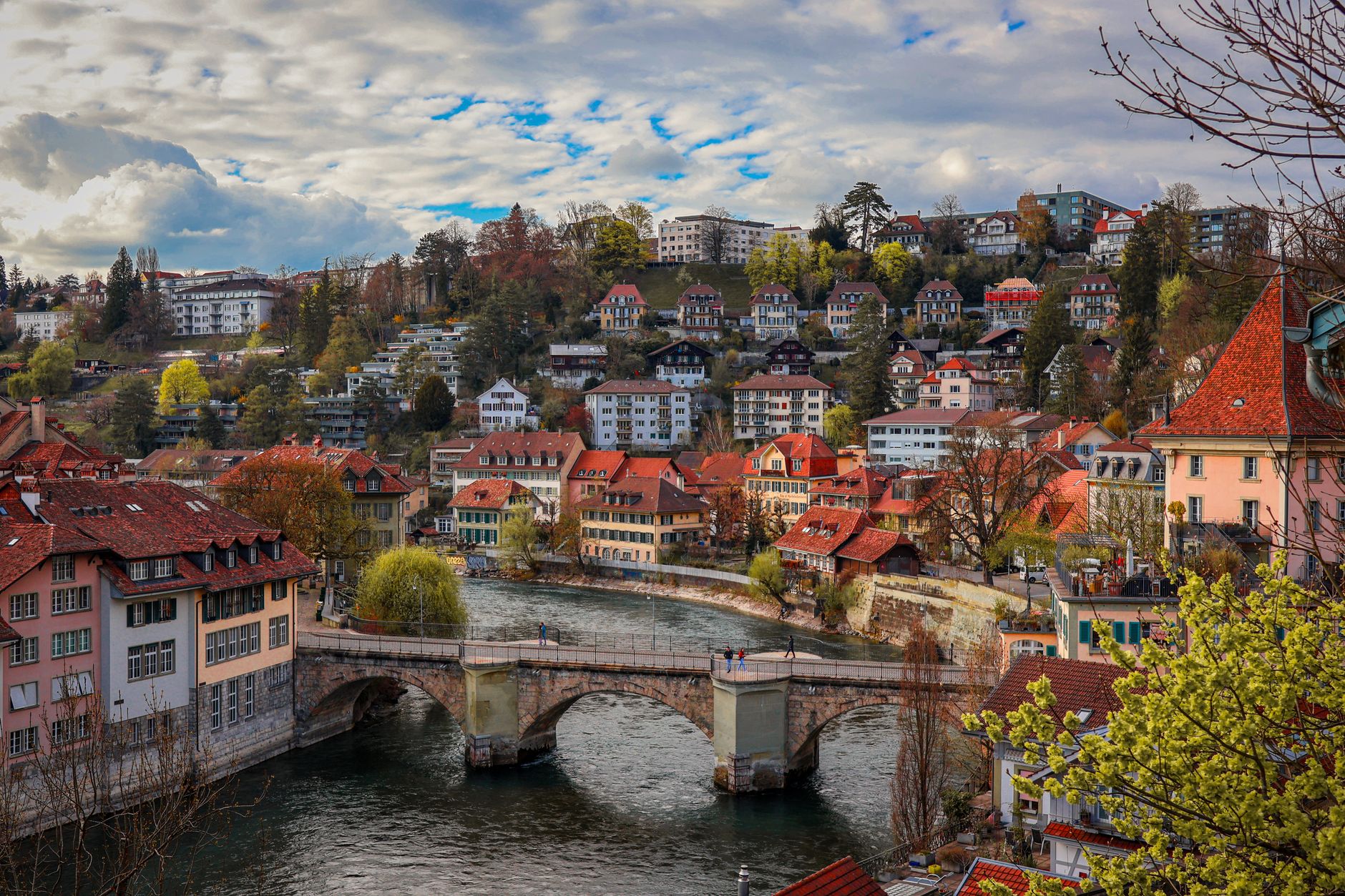
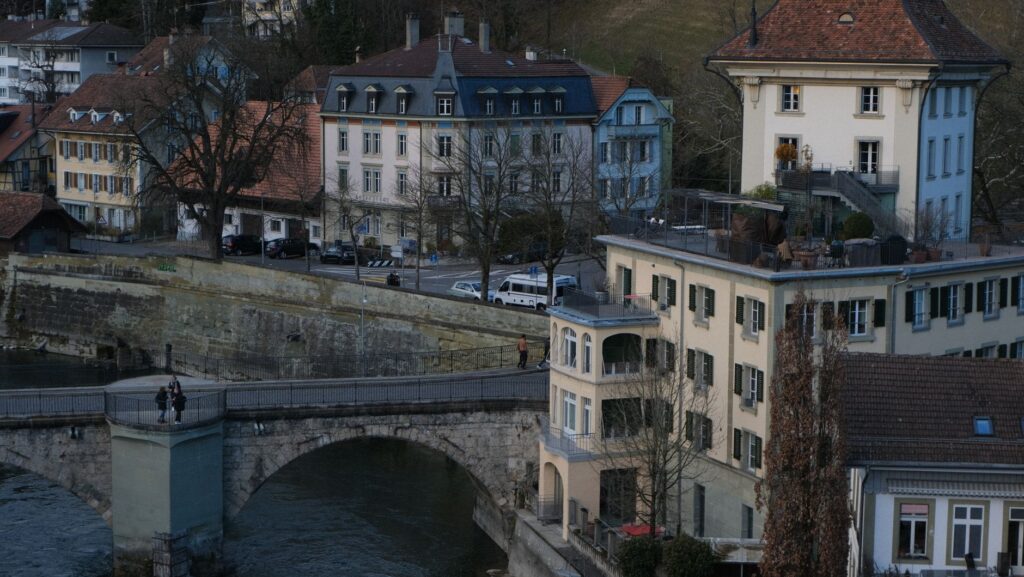
Bern unfolds along a peninsula formed by the meanders of the Aar River, a setting where ochre-toned sandstone and pitched roofs define an unmistakable urban aesthetic. Unlike other financial centers in the country, the federal city maintains a deliberate cadence, closely tied to the agricultural cycles of the Swiss plateau and commercial traditions extending back to the Middle Ages. Here, daily life is governed not by the rush of major metropolitan hubs, but by the steady rhythm of church bells, the green flow of the river, and the morning opening of open-air markets.
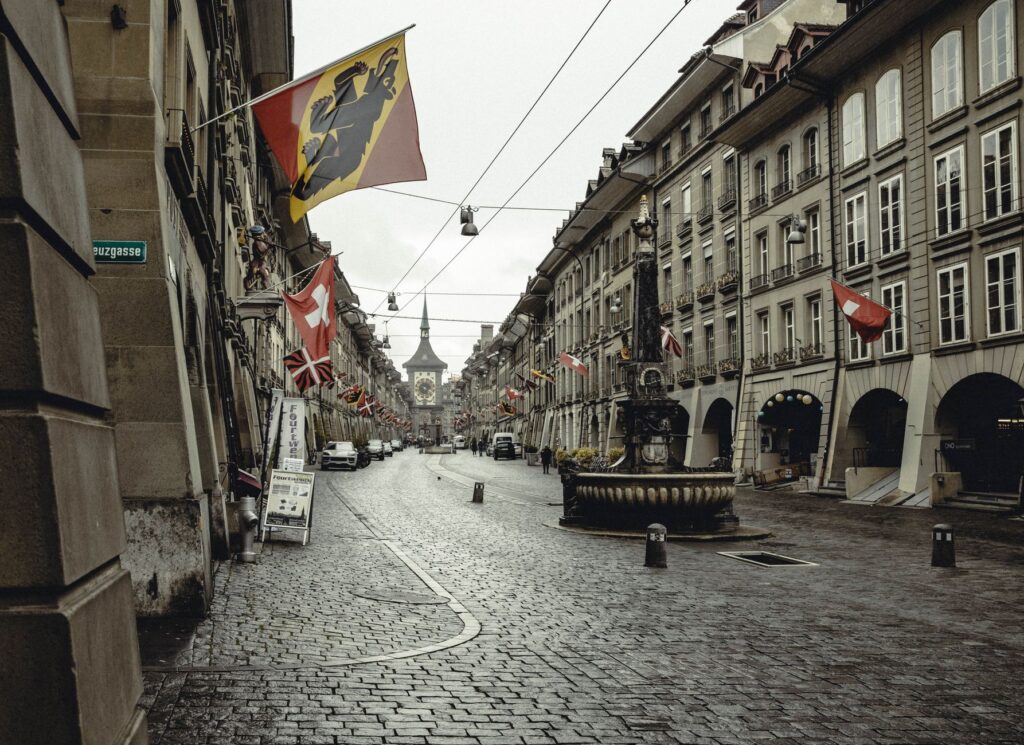
In the arcaded streets of the Old Town, a designated world heritage site, traditional shop windows coexist with temporary stalls offering root vegetables, raw milk cheeses, and sourdough breads. Defensive and civic architecture, featuring historic fountains crowned by allegorical figures, serves as the backdrop for a communal routine where residents select seasonal ingredients with rigorous attention to provenance. This direct link between the rural producer and the urban consumer forms the foundation upon which Bernese gastronomy rests.
The Heritage of the Arcades and the Geography of Abundance
The more than six kilometers of arcades running through the historic center protect daily commerce from inclement weather, creating a sheltered interior where the scent of roasted coffee, buttery pastries, and cured meats fills the air. These covered passageways are not merely architectural structures, but the true social parlor of the city. Beneath their vaults, small grocery shops that safeguard recipes passed down through generations follow one another, from anise biscuits to elaborate potato and local meat preparations.
The relationship between urban topography and culinary offerings is evident in the way markets occupy emblematic squares such as Bundesplatz or Bärenplatz. Farmers from the surrounding cantons arrive before dawn to display vegetables grown in silty soils, native apple varieties, and alpine meadow honeys. This seasonal supply strictly determines the menus of traditional taverns and households, where cooking is understood as an exercise in respect for natural cycles and the elemental quality of the raw material.
The Canton Pantry and the Plateau Markets
The surrounding territory, characterized by gentle hills and fertile river valleys, acts as the dietary lungs of the capital. In this environment, a wide variety of products are cultivated to supply urban stalls, highlighting firm-textured potatoes, onions used in the famous Zibelechuchi, and dairy farming that gives rise to long-aged cheeses. The region’s food sovereignty is not a theoretical concept, but a daily practice supported by agricultural cooperatives and strictly regulated weekly markets.
Local grocers and artisans play a fundamental role in preserving this edible heritage. When cutting a wedge of Emmental cheese or selecting dried meat from the Bernese Oberland, each merchant acts as a custodian of the canton’s gustatory memory. Consumers value this commitment and demand transparency in the origin of food, consolidating a market where traceability and authenticity outweigh fleeting commercial trends.
The cuisine of the Swiss plateau is a faithful reflection of a landscape where patience and technical rigor ensure that every ingredient expresses its true nature.
The Aar River and Its Influence on the Dietary Rhythm
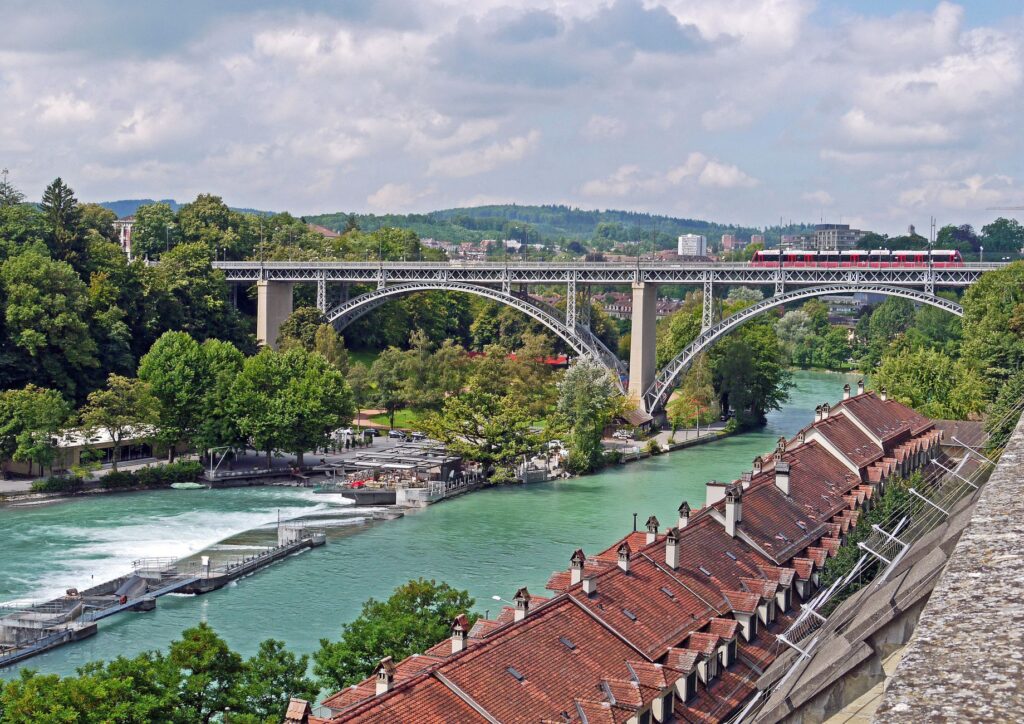
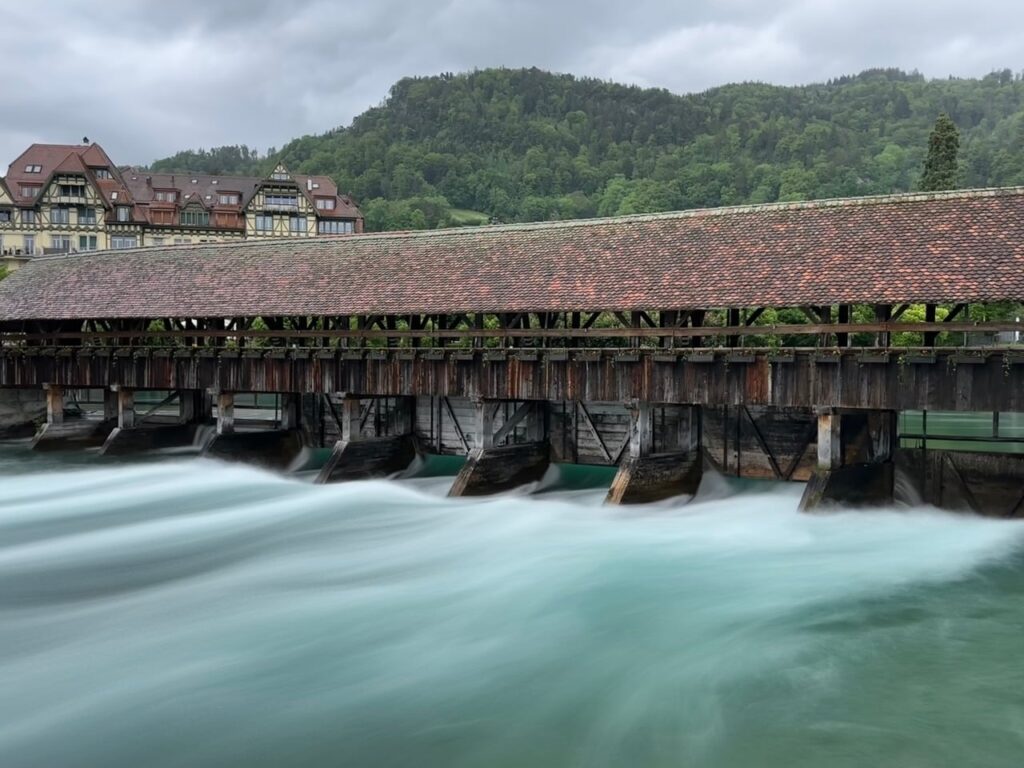
The Aar River not only defines the physical boundaries of the capital, but also indirectly conditions the lifestyle and habits of its inhabitants. During the summer months, riverbanks become meeting places where families share light snacks based on bakery products, local cold cuts, and stone fruits. This communion between the natural environment and gastronomy reinforces the sense of belonging in a community that has successfully integrated the aquatic landscape into its daily routine.
Likewise, the temperature and flow of the river have historically determined transport routes and the establishment of mills and markets along its banks. Although food logistics today meet modern standards, the constant presence of water brings an atmosphere of serenity that carries over to the dining table. Eating in Bern means, to a large extent, savoring that fluvial calm which contrasts with the hustle and bustle of other European capitals.
Bakery Tradition and Confectionery of the Historic Guilds
Bern’s guild history has left an indelible mark on its baking and confectionery tradition. Old statutes precisely regulated the ingredients and weights of breads intended for public consumption, guaranteeing a quality standard that survives today in artisanal bakeries. Specialties such as whole grain rye bread and fine dough pieces enriched with nuts reflect the influence of alpine trade routes and the technical mastery of ancient bakers.
In historic pastry shops located next to the main streets, confectioners continue to prepare centuries-old recipes without resorting to industrial shortcuts. The use of pure alpine butter, regional beet sugar, and eggs from local farms ensures an unmistakable texture and flavor. Each sweet consumed alongside a cup of hot tea or coffee represents a little chronicle of Central European pastry-making, where aesthetic sobriety contrasts with the richness of its components.
Sovereignty and Responsible Consumption in Modern Dining
In recent years, Bernese dining has undergone an evolution oriented toward sustainability and proximity consumption. Local chefs and restaurateurs establish direct alliances with small producers in the canton to ensure that menus strictly reflect the season. This trend not only reduces the carbon footprint associated with food transport, but also revitalizes the rural economy and protects the agricultural biodiversity of the plateau.
Food traceability has become a central argument for diners visiting traditional taverns and inns. Knowing the name of the farm where the beef comes from or the exact valley where the aromatic herbs were harvested adds an intangible value to each dish. This mindful approach transforms the act of eating into a learning experience about the territory and its ecological limits.
Seasonal Flavors at the Bernese Table
As the seasons progress, the Bernese table undergoes subtle yet decisive transformations. Autumn brings the celebration of the traditional onion fair, a massive event where this tuber becomes the absolute protagonist in both savory dishes and pastry creations. During these days, the streets of the historic center fill with intense aromas and stalls where popular gastronomy manifests in its most genuine expression.
Meanwhile, winter prioritizes comforting stews, thick soups based on local legumes, and melted cheeses that provide the necessary energy to cope with low alpine temperatures. Bernese cuisine thus demonstrates its capacity for adaptation to the climate, offering practical and balanced culinary responses that honor available resources in each season without unnecessary artifices.
Daily Practices and Hospitality in Homes
Beyond restaurants and public markets, Bern’s culinary life draws on the discreet hospitality characteristic of plateau homes. Family gatherings typically revolve around traditional recipes where apparent simplicity hides hours of patient preparation. Homemade pastries, clear broths made with urban garden vegetables, and bread shared at dusk are part of an unwritten code of well-being and coexistence.
This domesticity of flavors reinforces the city’s social stability. In a globalized world where culinary uniformity gains ground, the Swiss capital defends a culinary identity based on restraint, quality, and respect for the land’s timing. Visitors who delve into this dynamic discover a model of life where food is, above all, a bridge to collective history and environmental balance.
Practical guide
How to get there: Bern-Belp Airport connects with selected European destinations, although the railway via Bern’s central station remains the most efficient and sustainable option from Zurich, Geneva, or Basel.
When to travel: Spring and autumn months offer ideal weather to explore the historic center on foot and enjoy open-air markets without excessive crowds.
Where to eat: Prioritize traditional taverns located in the Old Town (Altstadt) and the food stalls at Bundesplatz during weekly market days.
Key products: Look for raw milk cheeses from the region, artisanal sourdough breads, and local pastry specialties made with alpine butter.
Local transport: The historic center is pedestrianized and easily explored on foot; for peripheral travel, the municipal tram and bus network offers impeccable punctuality.
Etiquette and customs: Discretion in public spaces and punctuality in appointments are valued; a polite greeting to the merchant upon entering an establishment is part of local courtesy.