
Merlo, Argentina: Buenos Aires Identity and Urban Calm Spaces Shaping Daily Rhythm.
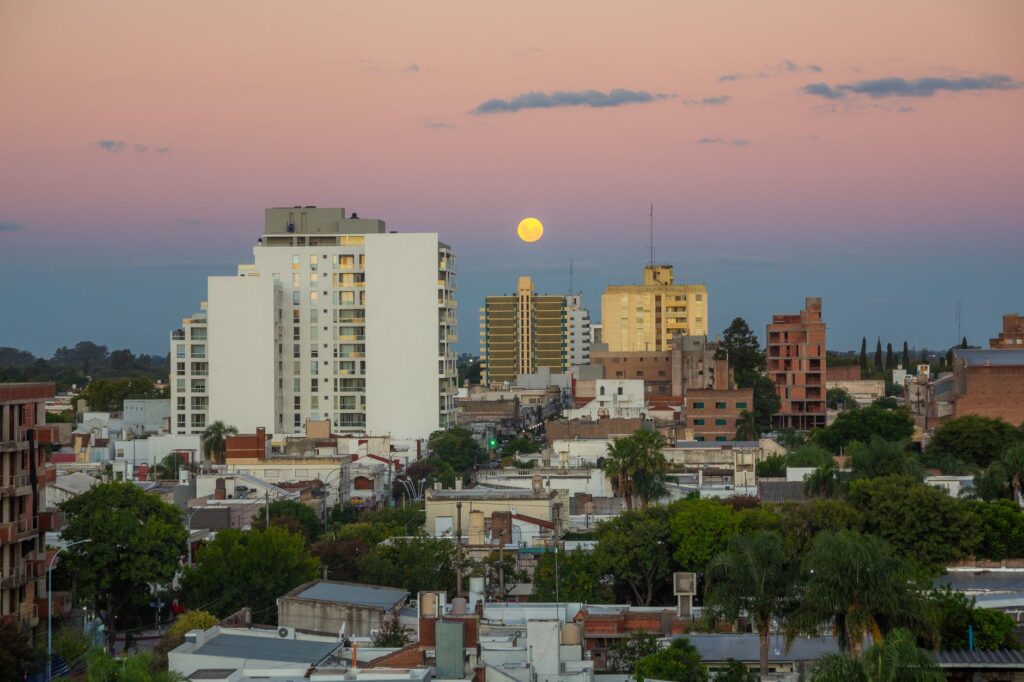
The province of Buenos Aires encompasses within its vast geography numerous localities where daily life unfolds at its own pace, far removed from the hustle and bustle of major metropolises. In this context, Merlo presents itself as a territory of deep Buenos Aires identity, where local customs and community memory shape a unique environment. The streets of this district reflect a blend of urban history and deeply rooted traditions that define the daily experience of its residents, offering a serene setting for those who appreciate authentic local textures.
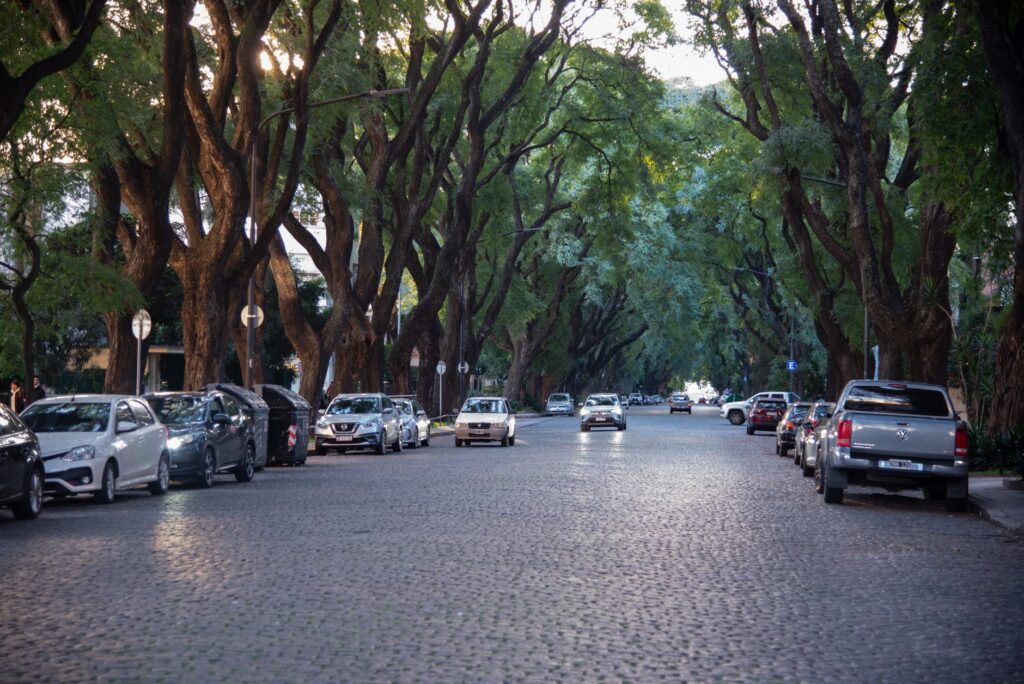
The urban layout of Merlo invites a leisurely stroll, allowing observers to see how traditional architecture dialogues with the contemporary needs of its inhabitants. Unlike hyper-dense financial centers, public spaces here fulfill a fundamental integrative function. Tree-lined squares and pedestrian walkways act as intergenerational meeting points, where time seems to acquire a more human and reflective dimension, encouraging visitors to slow down and observe the details of local life.
Historical Memory and Architectural Heritage
To understand the essence of Merlo, one must look toward its foundational past and its evolution over the centuries. Institutional buildings and old mansions still preserved in the historic center offer tangible testimony to the region’s stages of growth. These architectural elements are not mere relics of the past, but active components that structure the current urban landscape and anchor the local identity.
The preservation of this built heritage fosters a sense of belonging among neighbors. Historic facades, combined with the native vegetation of public spaces, generate a visually balanced atmosphere that favors daily wellbeing. Walking through these areas allows one to appreciate construction details that have withstood the passage of time, reminding us of the importance of caring for local roots in the face of global homogenization.
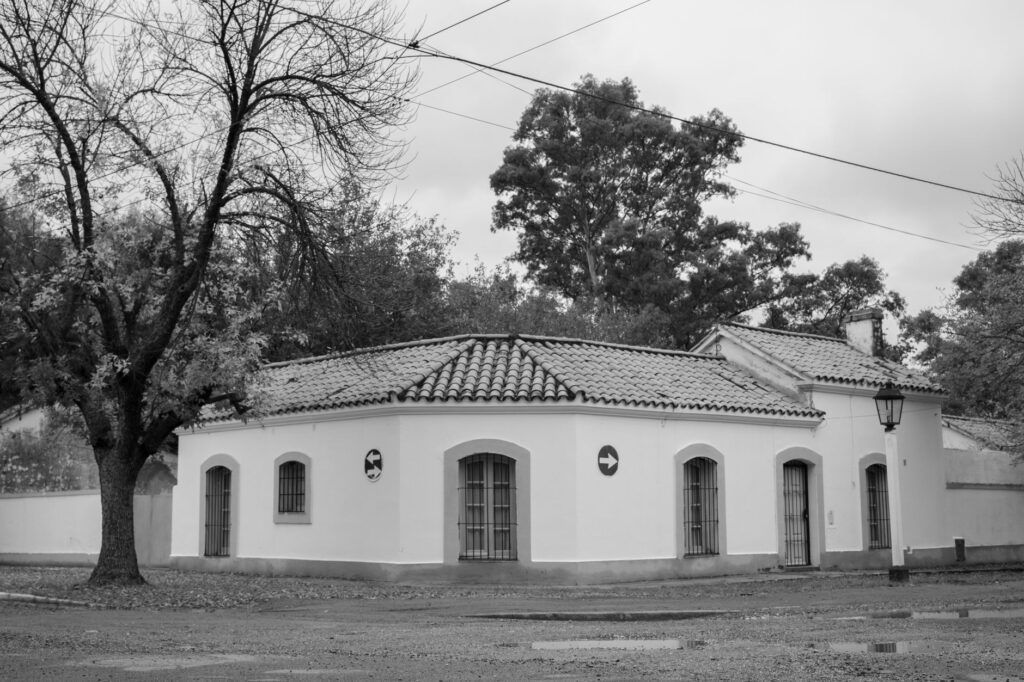
Traditional corners throughout the municipality hold shared histories that are transmitted from generation to generation. The arrangement of old street corners and the careful maintenance of communal areas reaffirm the civic commitment to preserving cultural legacy. This respect for architectural history integrates harmoniously with modern living dynamics, allowing residents and visitors alike to experience a seamless connection between past and present.
Green Spaces and the Pause in the Urban Environment
Wellbeing in Merlo is also supported by the presence of accessible green areas that allow direct contact with nature and mental rest. Parks and squares act as urban lungs, offering refuge from the accelerated pace of daily activities. These spaces are valued by those seeking moments of tranquility without leaving the urban sphere, providing an ideal setting for relaxation and mental clarity.
Local policies for the conservation of these natural enclaves seek to ensure that future generations continue to enjoy a healthy environment. Native vegetation not only beautifies the landscape but also plays a crucial ecological role by mitigating environmental impact and regulating local temperature, promoting a more conscious and sustainable lifestyle.
The integration of native trees within public promenades contributes to pleasant microclimates that invite contemplation and rest. Visitors find in these settings an ideal space for reading, meditation, or gentle walks, which are essential elements for restoring physical and mental balance during daily routines.
Community Life and Proximity Markets
The social fabric of Merlo is clearly manifested in its neighborhood markets and proximity commercial dynamics. These commercial spaces are not limited to the exchange of goods; rather, they function as socialization centers where networks of mutual support and neighborly trust are woven. Direct dealing between local producers and consumers strengthens the regional economy and ensures the freshness of the products offered.
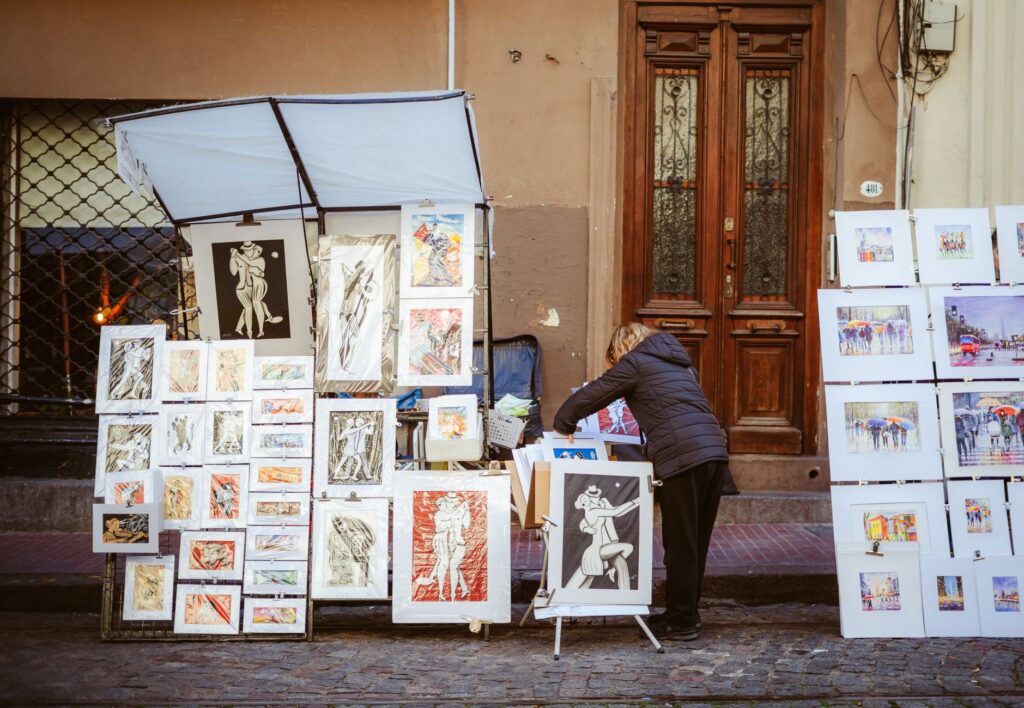
Neighborhood daily life is nourished by these everyday interactions, where the familiar greeting and leisurely conversation remain alive. This human closeness is one of the pillars supporting quality of life in the area, contrasting with the characteristic anonymity of large contemporary cities and fostering a warm, welcoming atmosphere.
The value of a community lies in its capacity to preserve the human pulse amid the changes of time.
Popular celebrations and artisanal fairs organized periodically reflect the cultural richness of the place. On these occasions, music, artistic expressions, and traditional gastronomy become vehicles for intergenerational transmission, ensuring the continuity of Buenos Aires traditions.
The exchange of knowledge at local fairs fosters an inclusive and participatory sense of community. Neighbors and visitors share a common meeting space where traditional trades and regional artisanal productions are valued, strengthening the collective identity of the district.
Local Gastronomy and Regional Flavors
The dining table in Merlo is a faithful reflection of the culinary heritage of the province of Buenos Aires. Traditional gastronomic establishments and neighborhood bakeries offer preparations made with recipes passed down from generation to generation. Simple yet high-quality ingredients combine to shape dishes that comfort and connect the diner with the region’s food history.
From classic artisanal pastries to homemade stews consumed during cooler months, local gastronomy prioritizes authentic flavor and local produce. This culinary approach fosters a respectful relationship with the land and with local producers, consolidating a distinct gastronomic identity that visitors can discover step by step.
Traditional recipes from the area hold secrets of hospitality that can be appreciated at every family table and behind every neighborhood shop counter. Tasting these delicacies is a way to participate in local culture, recognizing the effort and dedication of those who keep the classic recipes of the province alive.
Sustainable Mobility and Urban Accessibility
Moving around Merlo is an exercise that invites one to appreciate the human scale of the territory. Initiatives aimed at improving pedestrian mobility and the use of non-motorized transport modes have gained relevance in recent years, seeking to reduce vehicular congestion and lower the environmental footprint in the urban area.
Wide sidewalks and calmed traffic zones facilitate walking and bicycle use, promoting healthy lifestyle habits among residents. This mobility model prioritizes pedestrian safety and comfort, making daily commutes part of an integral wellbeing experience.
Walking through the streets of the municipality fosters a more attentive connection with the surroundings. By dispensing with cars for short trips, citizens and visitors discover architectural details, small shops, and street art expressions that might otherwise go unnoticed at higher speeds.
Practical Guide
How to get there: Merlo is connected to the city of Buenos Aires via regular train services and urban bus lines, facilitating access from different points of the metropolitan region.
When to visit: Any time of year is favorable, although the spring months (from September to November) offer mild temperatures ideal for exploring public spaces on foot.
Recommended gastronomy: It is advisable to visit local markets and traditional bakeries to taste artisanal pastries and typical Buenos Aires products.
Accommodation: The offer includes small family-run hotels and guesthouses that guarantee a tranquil stay close to the community.
Visitor tips: Respect local rest and commerce schedules, walk without haste along pedestrian promenades, and support proximity commerce to contribute to the local economy.
Final Reflection on Daily Wellbeing
Ultimately, Merlo proposes a necessary pause in the rhythm of contemporary life. Its balance between historic heritage, accessible green spaces, and a solid community network demonstrates that it is possible to inhabit urban territories from a more human and sustainable perspective. Every corner of this Buenos Aires locality reminds us that true wellbeing resides in the simplicity of shared things and in respect for the roots that sustain us.