
The Northeastern Gateway of Colombia and Its Daily Pulse
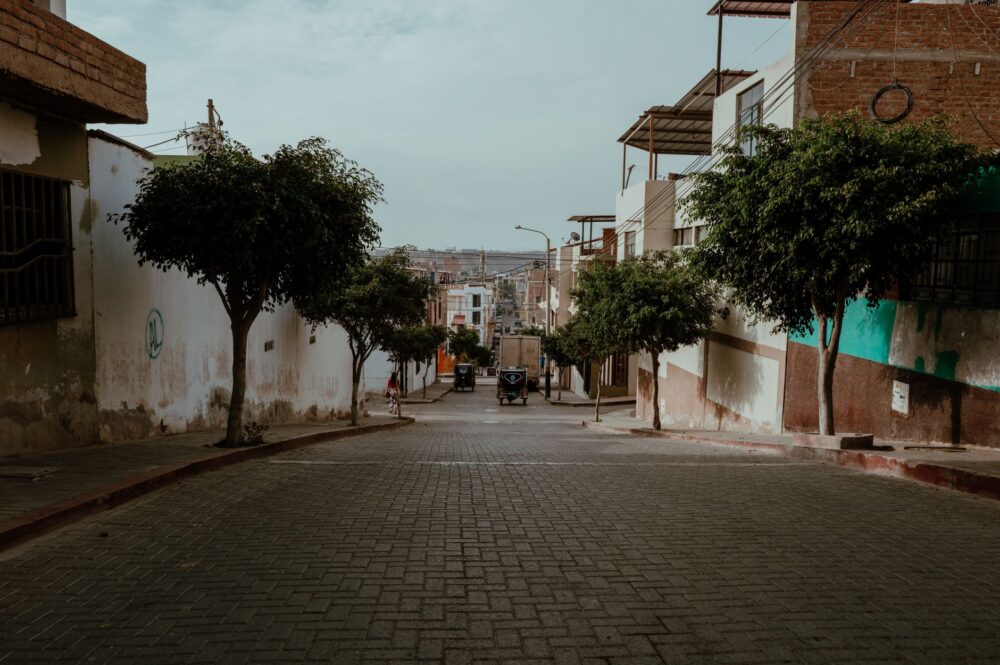
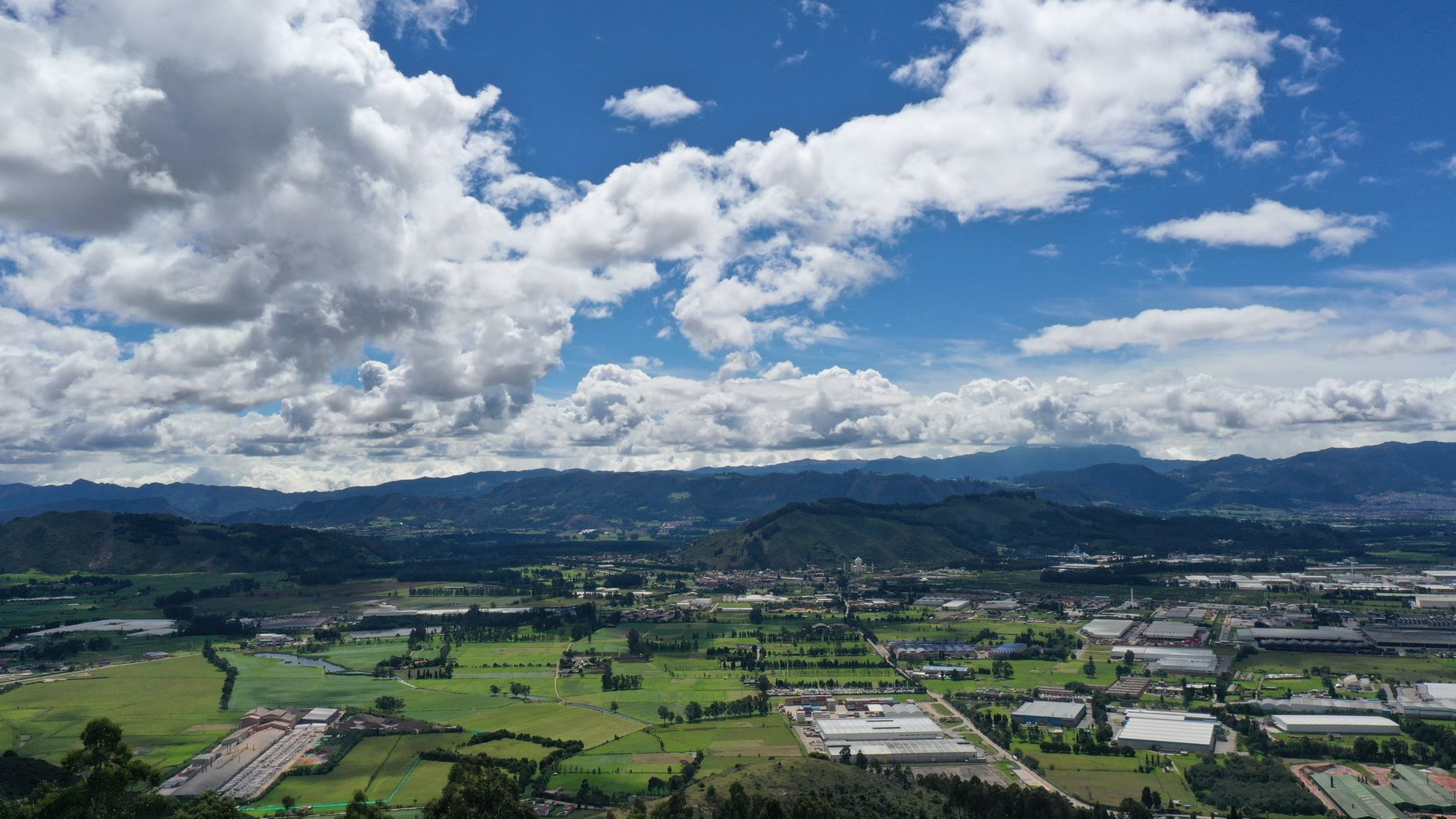
Cúcuta, the capital of the Norte de Santander department in Colombia, stretches across a generous valley where tropical warmth coexists with a rich commercial and cultural tradition. Far from being a mere transit point, the city possesses a deep identity forged over centuries by its borderland condition and the tenacious character of its residents. Walking down its tree-lined avenues, the traveler discovers a city that pulses to the rhythm of pedestrians, street vendors, and the steady murmur of public squares.
Daily life in Cúcuta unfolds in open spaces where the afternoon breeze offers a welcome respite. Families gather in emblematic parks such as Santander Park, surrounded by towering palms and historic buildings, while local musicians and artisans bring urban corners to life. This everyday routine is far from static; it transforms daily through the constant exchange of knowledge, accents, and customs arriving from various points of the Andean region and the neighboring country, creating a unique social mosaic within Colombian territory.
The daily flow in this corner of the country is nourished by singular community dynamics that deserve careful observation. Urban street corners function as spontaneous meeting points, where given words and cordial greetings keep the codes of traditional neighborliness alive. This social fabric relies on a collective memory that values the daily effort of those who sustain the local economy through proximity trade, artisanal workshops, and the characteristic hospitality of Nortesantanderean hosts.
Republican Heritage and Historical Legacy
The historical weight of Cúcuta within the nation is undeniable. It was in this territory that fundamental decisions for the independence and legal consolidation of Gran Colombia took shape. The Historic Temple, located in the neighboring municipality of Villa del Rosario, serves as a permanent reminder of the 1821 Congress that laid the republican foundations. This architectural and documentary heritage invites visitors to understand the aspirations for freedom and political organization that marked the birth of the republic.
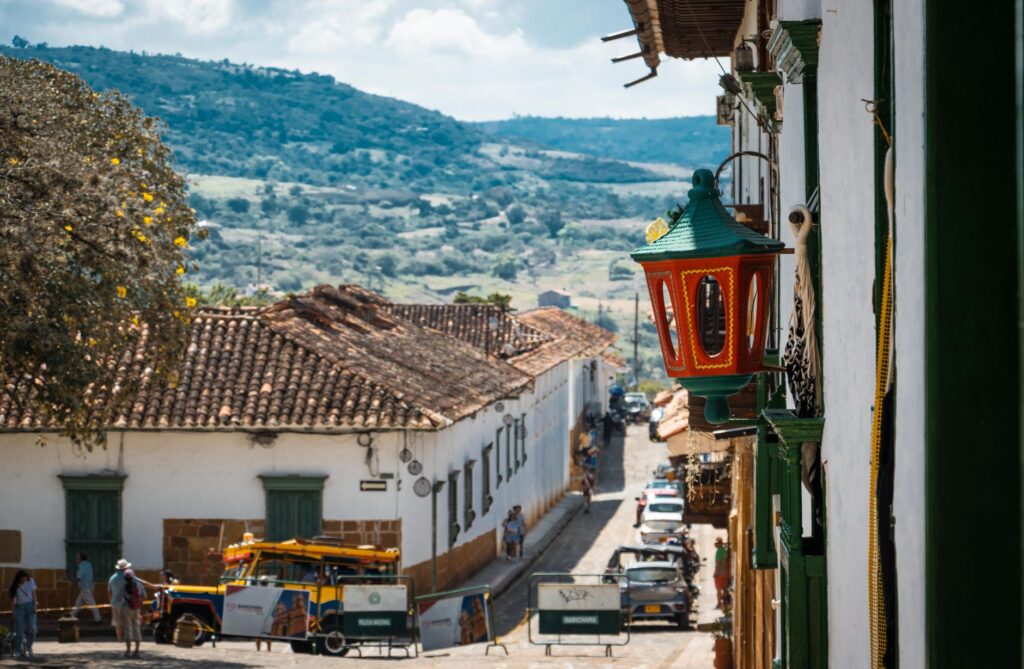
Within the current urban fabric, republican architecture manifests in manor houses with wide hallways, interior courtyards, and facades of wood and lime plaster that withstand the passage of time. Although much of the city was transformed after the devastating 1875 earthquake, the reconstruction capacity of its inhabitants gave rise to a style where fired brick became the distinguishing element. Local constructions reflect a sober yet warm aesthetic, perfectly adapted to the valley’s climatic conditions.
Preserving this legacy implies recognizing the aesthetic and constructive value of the heritage properties that still survive in the historic center. Ornamental wrought-iron details, hallways designed to mitigate high temperatures, and the arrangement of homes around central courtyards are clear examples of architecture adapted to the tropics. Each exposed brick facade narrates an era of urban renewal and demonstrates the resilience of a community that knew how to rise from the rubble to build a new aesthetic horizon.
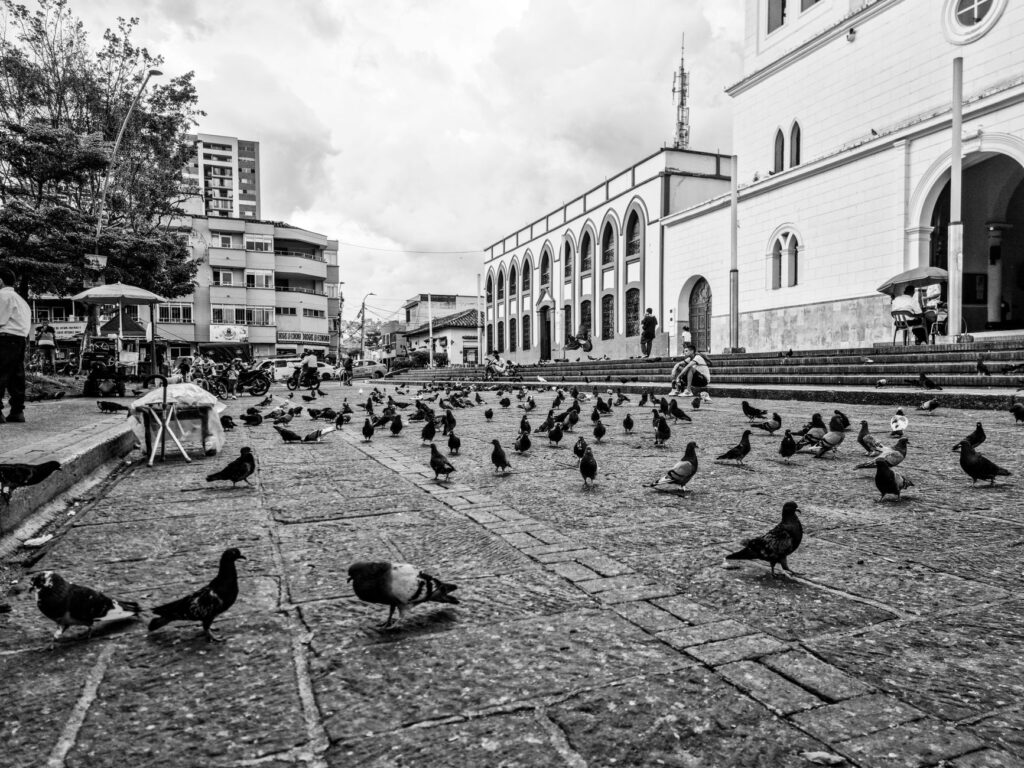
The history of Cúcuta is not found solely in textbooks, but in the shared memory of its neighborhoods and in the brick architecture that defies both heat and time.
The Culture of Public Space and Commercial Tradition
Commerce has historically been the economic and social engine for the people of Cúcuta. From traditional markets to small neighborhood shops, mercantile exchange is an act of sociability. In these spaces, the aromas of freshly roasted coffee, tropical fruits, and local cuisine blend to offer a complete sensory experience. Popular markets are authentic meeting centers where the freshness of northern produce is traded amid friendly chatter and smiles.
At the same time, plazas and promenades function as open-air living rooms. Tree shade offers relief from the midday sun, a time when the city slows its pace to make way for rest and unhurried conversation. Residents enjoy their afternoon break sharing family stories or discussing the latest local news, consolidating a community network based on respect and neighborly solidarity.
This dynamic use of public spaces fosters harmonious coexistence that transcends mere economic activity. Parks and plazas are stages where different generations converge, allowing the oral transmission of popular knowledge, urban anecdotes, and festive traditions. Respecting these public spaces means valuing them as places for social integration and committing to their conservation, avoiding the alteration of their natural and architectural surroundings.
Flavors and Knowledge of the Nortesantanderean Table
Cúcuta’s gastronomy constitutes a fundamental chapter in understanding its cultural identity. Rooted in native ingredients and techniques passed down through generations, local cuisine combines indigenous heritage with European and Caribbean contributions. Emblematic dishes such as yucca pastel, northern-style hallacas, and mute cucuteño—a rich, comforting soup made with corn, meats, and vegetables—reflect the abundance and diversity of the territory.
Eating in Cúcuta is a collective act that strengthens family and social bonds. Traditional restaurants and street stalls keep centuries-old recipes alive, utilizing sweet chili peppers, culantro, and achiote to flavor unforgettable preparations. Accompanying these delicacies with a refreshing drink made from local fruits, such as borojó or lulo, completes a culinary journey that leaves an indelible mark on the traveler’s palate.
The preparation of these foods involves ancestral knowledge transmitted in family kitchens, where each ingredient fulfills a specific function related to the harvest season and the valley’s climate. Valuing this traditional cuisine also means supporting local producers who cultivate basic inputs in the surrounding rural areas, ensuring the sustainability of a food chain rooted in the identity of the land.
The Rhythm of the Neighborhoods and Popular Music
Beyond its main avenues, Cúcuta’s traditional neighborhoods preserve the purest essence of its community. Neighborhoods like San Luis or La Playa retain a village-like atmosphere where doors remain open and neighbors greet one another by name. In these sectors, music plays a binding role. The chords of cumbia, vallenato, and border rhythms echo through street corners, accompanying relaxing afternoons and neighborhood celebrations.

This everyday musicality reflects a people who celebrate life despite climatic and social challenges. Local artistic expressions find ideal venues for diffusion in cultural centers and public squares, allowing new generations to reconnect with their roots while integrating contemporary influences into their cultural repertoire.
The neighborhood fabric is sustained by daily solidarity and the active participation of its inhabitants in local festivities. These neighborhood dynamics reinforce a sense of belonging and offer visitors an authentic perspective of community life, far from purely tourist circuits, promoting a deeper understanding of the social values that characterize the Nortesantanderean population.
Commitment to Heritage and the Visitor’s Responsibility
For those visiting Cúcuta, the experience demands an attitude of respect and attentive listening. Responsible tourism in this region involves valuing the daily effort of its artisans, merchants, and cultural managers. Purchasing regionally crafted items, consuming at local markets, and respecting the conservation rules of historic monuments are essential actions to ensure the heritage endures for future generations.

The conscious traveler understands that Cúcuta is not a destination for rapid consumption, but a territory that reveals itself gradually to those who take the time to walk through it. Listening to the stories of its elders, observing the architectural details of its streets, and participating modestly in its traditions establishes a sincere dialogue with a community that opens its doors with genuine generosity.
Adopting a respectful stance during the stay in the city prevents the alteration of community dynamics and contributes to the preservation of cultural assets. Respectful interaction with the environment fosters an enriching exchange where the visitor becomes an ally of heritage conservation, valuing both historical monuments and the intangible expressions of local culture.
Traveling through Cúcuta means immersing oneself in a geography of human warmth, where every square and every facade tells a story of resilience and hospitality.
Practical guide
- How to get there: Camilo Daza International Airport connects Cúcuta with major Colombian cities through regular flights. Well-connected land routes from Bucaramanga and Bogotá are also available.
- Best time to visit: The drier months between December and March offer optimal conditions for exploring the city on foot, although the warm climate remains constant year-round.
- Where to stay: The historic center and the Caobos district concentrate a varied hotel offer, ranging from converted colonial manor houses to modern hotels with all amenities.
- Recommended gastronomy: Do not miss mute cucuteño, pastel garcero, and traditional curdled milk sweets crafted by local artisans.
- Mobility tips: Comfortable walking shoes, lightweight cotton clothing, and adequate sun protection are strongly recommended for daytime walks through the urban center.
- Responsible tourism: Support local handicraft markets and hire authorized community guides to gain deep insight into urban history without disrupting residents’ daily lives.