
Everyday Cooking Under the High-Altitude Breeze in Costa Rica
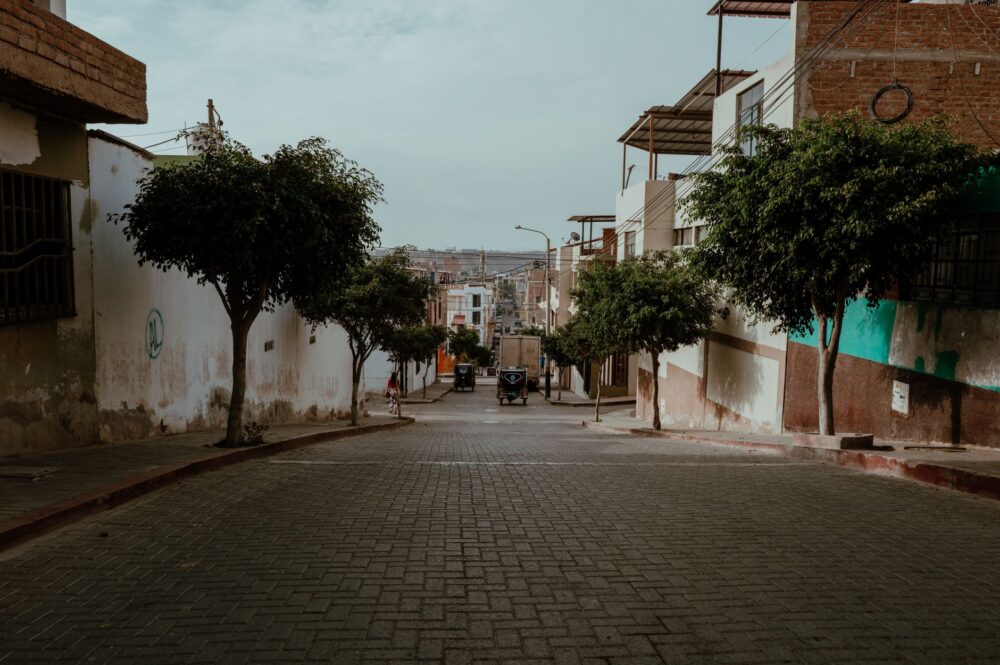
In the canton of San Rafael, located in the San José province of Costa Rica, community life is not improvised: it is structured around the products of the land, the warmth of traditional stoves, and customs inherited from generation to generation. At an altitude of approximately one thousand and forty-two meters above sea level, this territory of cool climate and rugged geography maintains a rhythm where home cooking acts as the true social anchor. Each morning, when the sun begins to appear over the mountain slopes, the kitchens of local homes and small neighborhood grocery stalls awaken with the characteristic aroma of freshly ground corn and coffee grown in the immediate surroundings of the Central Valley.
The culinary identity of this Costa Rican corner relies on a rigorously local pantry, where seasonality dictates the options available on the display counters. Far from globalized commercial routes, the inhabitants of San Rafael continue to visit small shops and local markets to acquire the ingredients that will star in the family lunch. Here, daily cooking does not seek artifice or visual stridency; it is based on the honesty of basic flavors, respect for prolonged cooking times, and the conviction that sharing the table is the most important collective act of the day.
The Sacred Grain in the Plateau Recipe Book
Corn occupies a central place in the gastronomic memory of San Rafael. Used since ancient times in various preparations, this cereal is not merely a basic input, but rather the connecting thread linking the agricultural past with the current urban and semi-rural life of the canton. The hands that knead the dough for daily tortillas repeat millennial gestures that transform dry grain into a nutritious and versatile food, indispensable in any Costa Rican home.
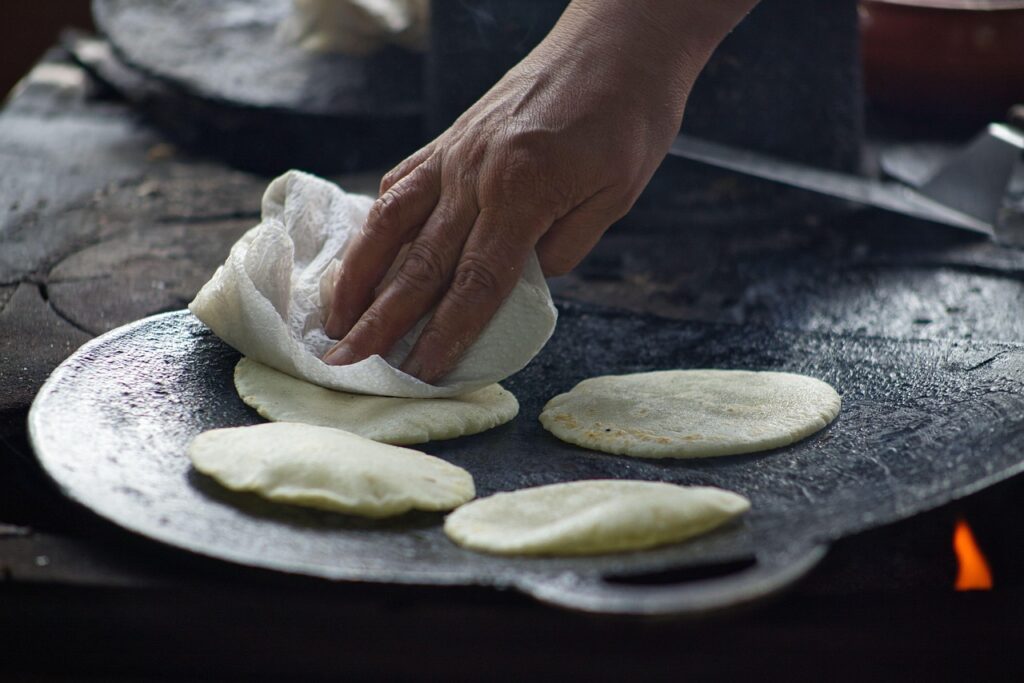
In the traditional kitchens of the area, the nixtamalization and grinding process remains a respected ritual. Thick tortillas, slowly browned over clay or cast-iron griddles, accompany practically any savory dish. The value of this food lies in its simplicity and its capacity to integrate the different elements of the daily diet, serving both as a base and as an accompaniment for bean stews, artisanal cheeses, and meats braised with aromatic herbs.
In addition to corn, local gastronomy incorporates a rich variety of tubers and vegetables grown on the mountain foothills. Cassava, squash, and tiquisque appear frequently in comforting soups and broths designed to counteract the drop in temperature that accompanies cloudy afternoons in this Costa Rican region. These ingredients, harvested in small family plots, guarantee a freshness difficult to replicate in mass distribution circuits.
The Local Market and the Pulse of Neighborhood Commerce
The economic and social pulse of San Rafael beats strongly in its closest commercial exchange points. The market and neighborhood grocery stores act as dynamic centers where neighbors not only acquire provisions but also exchange news, recipes, and advice on the exact ripeness of fruits. In these spaces, the relationship between buyer and seller is direct and based on mutual trust forged through years of shared knowledge.
Walking through these counters allows one to understand the diversity of inland Costa Rican diet. Tropical fruits coexist with temperate-climate vegetables, reflecting the country’s privileged geographical location. Everyday commerce in San Rafael fosters a human-scale economy, where food waste is reduced to a minimum thanks to daily shopping and responsible consumption of what the land produces in each season.
Stops at vegetable stalls also reveal the importance of aromatic products. Culantro coyote, sweet pepper, and scallion are the indisputable bases of the sofritos that give identity to the canton’s main stews. No local recipe dispenses with these elements, considered the invisible soul of home-cooked Costa Rican cuisine.
The Afternoon Coffee and the Community Pause
As the afternoon progresses and the mountain breeze descends down the slopes of San José, San Rafael’s routine experiences a collective pause consecrated to the consumption of coffee. This infusion, deeply rooted in the economic and cultural history of Costa Rica, acquires a markedly social character here. It is not merely a stimulating drink, but the perfect pretext for intergenerational encounters on porches, in kitchens, and at small roadside stalls.
The traditional preparation method, using the classic cloth filter or chorreador, remains active in many homes. This slow filtering system extracts the most subtle nuances of the roasted bean, yielding a clean and aromatic cup usually accompanied by simple pastries, such as homemade bread, doughnuts, or empanadas filled with dulce de leche or beans.
Coffee on our table is not an isolated drink; it is the meeting point where family memory and the community’s present sit down to converse without haste.

This evening ritual reinforces neighborhood bonds and offers a space of refuge against the accelerated pace of denser urban areas. Around the coffee table, culinary secrets are transmitted among mothers, children, and neighbors, ensuring the survival of a recipe book that prioritizes collective well-being over passing gastronomic trends.
Agrarian Heritage and Sustainability in Today’s Table
The future of gastronomy in San Rafael faces the challenge of reconciling demographic growth with the preservation of its natural and agrarian environment. As the capital’s urban sprawl presses against the canton’s limits, local producers and independent restaurateurs insist on the need to protect the traditional agricultural practices that guarantee the zone’s food sovereignty.
Urban and peri-urban gardens have gained ground as key initiatives to keep alive the link between citizens and their food. Cultivating vegetables in small domestic spaces or community plots not only diversifies the family diet but also educates new generations in the effort required by sustainable agricultural production.
Likewise, San Rafael’s cuisine demonstrates remarkable resilience by integrating contemporary techniques without renouncing its roots. Local chefs reinterpret traditional dishes using more efficient cooking methods and reducing the environmental impact of their preparations, proving that culinary tradition can evolve harmoniously with the principles of modern sustainability.
Practical guide
How to get there: San Rafael is located in the San José province of Costa Rica, a few minutes by vehicle or public transport from the capital’s center or from Escazú, following the road network connecting the mountainous areas of the Central Valley.

When to visit: Any time of year is suitable, although the dry season (from December to April) facilitates travel along local trails and markets, while the rainy season offers the greenest and most lush landscape.
Where to eat and shop: Visitors are encouraged to visit local markets, farmer fairs, and traditional grocery stores in the canton to acquire fresh ingredients and taste homemade preparations such as hand-pressed tortillas and drip coffee.
Visitor tips: Respect traditional business hours, maintain an open and respectful attitude toward local customs, and support local commerce by buying directly from small producers in the area.
The Humble Legacy of Everyday Flavors
Looking at the bottom of a steaming cup of coffee or contemplating the uniform golden crust of a tortilla freshly taken off the griddle in San Rafael is to understand that a town’s true wealth lies in the constancy of its simplest habits. Far from mass tourism circuits, this Costa Rican corner preserves a way of understanding life where every ingredient tells a story of effort, climate, and belonging. The everyday table, sustained by collective effort and respect for the land, continues to be the truest mirror of a community that recognizes and celebrates itself in every shared dish.