
A Geometric Layout in the Hills of Croatia
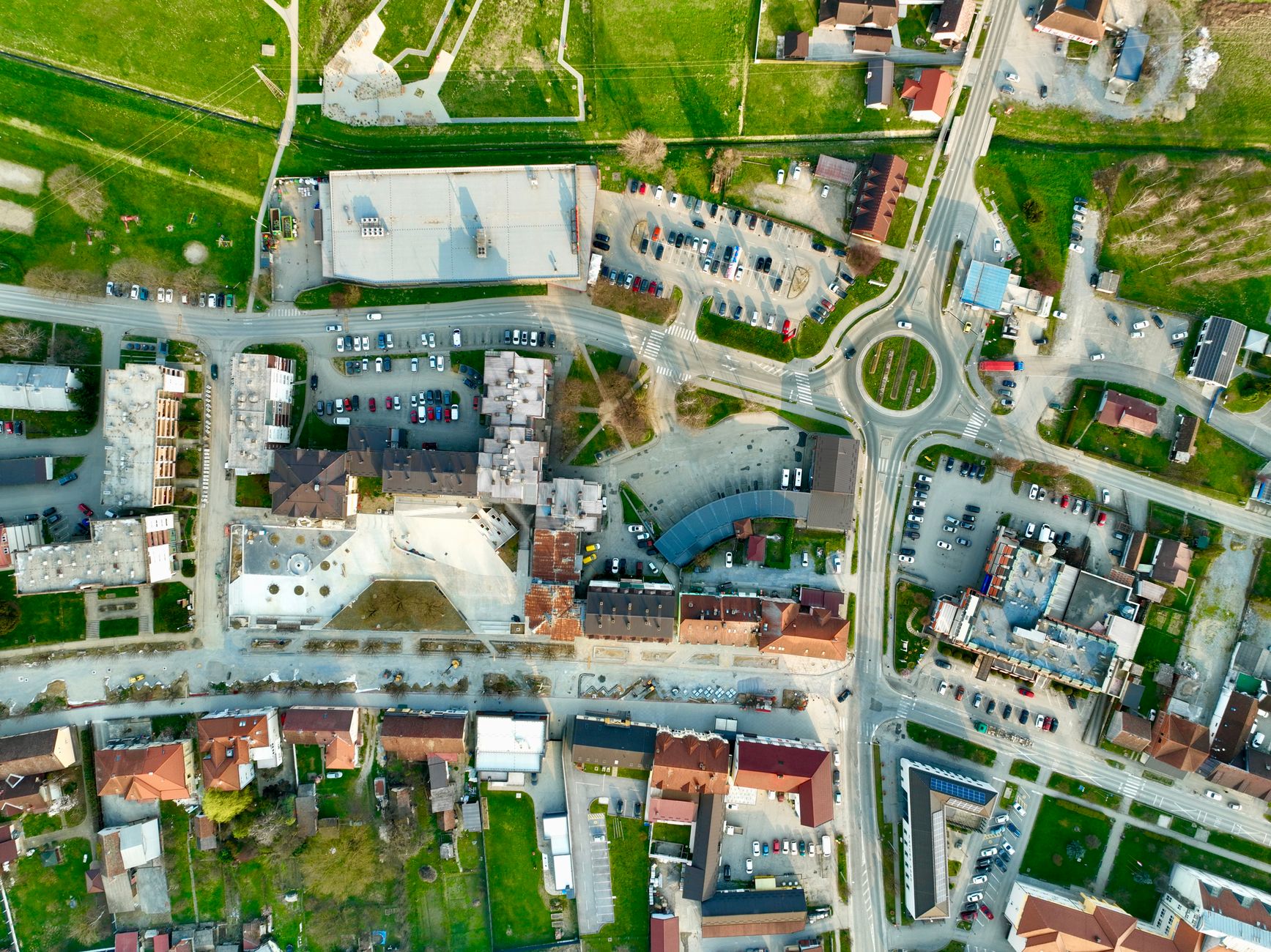
In northern Croatia, the town of Bjelovar unfolds across gently rolling terrain at an elevation of about 122 meters, creating a landscape where military history and rural tranquility coexist in balance. Founded in the 18th century as a defensive bastion of the Austrian Empire, its urban design reflects rigorous military planning that still defines its visual identity today. Streets intersect at precise right angles around a wide central square, an open space that functions as the true social lung of the community. This geometric layout contrasts pleasantly with the softly sloping hills covered in forests and agricultural fields of the Bjelovar-Bilogora region, an environment that invites visitors to understand how local geography has shaped the development of its residents across generations.
Daily life in this Croatian town moves at a leisurely pace, far removed from the hustle and bustle of the country’s major coastal tourist hubs. In the morning, local markets fill with fresh produce grown on surrounding farms, ranging from seasonal vegetables to artisanal cheeses that reflect the area’s gastronomic wealth. Local residents cross paths on tree-lined avenues, where baroque architecture and pastel-toned buildings preserve the memory of an era of transition between empires. This architectural heritage is not merely a visual attraction, but the stage where neighborhood relationships are woven and the traditions that give meaning to everyday life in the municipality are preserved.
Historical Heritage and Military Memory
To understand Bjelovar’s physiognomy, it is necessary to look back to its foundation under the orders of Empress Maria Theresa of Austria in 1756. The original purpose was to establish a solid defense line against the Ottoman Empire, which determined a fortified urban structure with barracks and parade grounds that still leave their mark on the historic center. The Cathedral of Saint Teresa of Avila, erected in the second half of the 18th century, stands as the city’s most emblematic monument, a testament to the faith and constructive effort of those early settlers who braved the region’s swamps and forests.
A short walk from the main temple, local museums house collections documenting the region’s evolution, from prehistoric archaeological finds to ethnographic testimonies of the past century. Ceramic pieces, hand-embroidered traditional costumes, and farming tools narrate the history of a tenacious population that successfully transformed a military enclave into a prosperous commercial and administrative center. Walking through these streets is like reading an open book of central European history, where every facade and monument reminds us that Bjelovar’s identity was built upon discipline, hard work on the land, and multicultural coexistence.
Daily Life in Squares and Cafes
The daily pulse of Bjelovar is experienced intensely in its public spaces, especially in the vast central Pavlo Pavlović square and its surroundings. Here, cafe culture is not a mere leisure habit, but an essential social ritual where neighbors gather to discuss the day’s news, read the local press, or simply enjoy the calm of the morning. Outdoor terraces become privileged observatories of urban life, where the friendliness and hospitality of the residents manifest naturally, free of artifice or tourist urgency.
This unhurried rhythm allows one to appreciate small details that often go unnoticed in congested metropolises. Meticulously maintained urban parks offer shade and refuge during warm afternoons, while cyclists ride on safe lanes connecting the center with peripheral residential neighborhoods. The integration between the surrounding nature and the urban fabric is so close that rural sounds, from bird songs to the rustle of wind through trees, filter into the most central streets, serving as a permanent reminder of the proximity of the Bilogora forests.
Agricultural Wealth and the Farmers Market
The economy and culinary culture of Bjelovar are deeply tied to its status as the agricultural hub of the Bjelovar-Bilogora region. The central farmers market is the nerve center where this vocation is expressed with full authenticity. From early morning hours, local farmers display their harvests on wooden planks, offering fresh produce that rigorously varies according to the seasonal calendar. Stone fruits, root vegetables, and wild herbs gathered from nearby woods fill the air with penetrating, authentic aromas.
This direct bond between producer and consumer fosters a sustainable, proximity-based consumption model that the community defends with pride. Family-run restaurants and taverns in the town incorporate these ingredients into traditional recipes passed down through generations, featuring comforting stews, roasted meats, and homemade pastas seasoned with local spices. Eating in Bjelovar means connecting directly with the cycles of the Croatian land, valuing the effort behind each dish and the honesty of a kitchen that rejects modern artifices.
The Natural Environment and Bilogora Trails
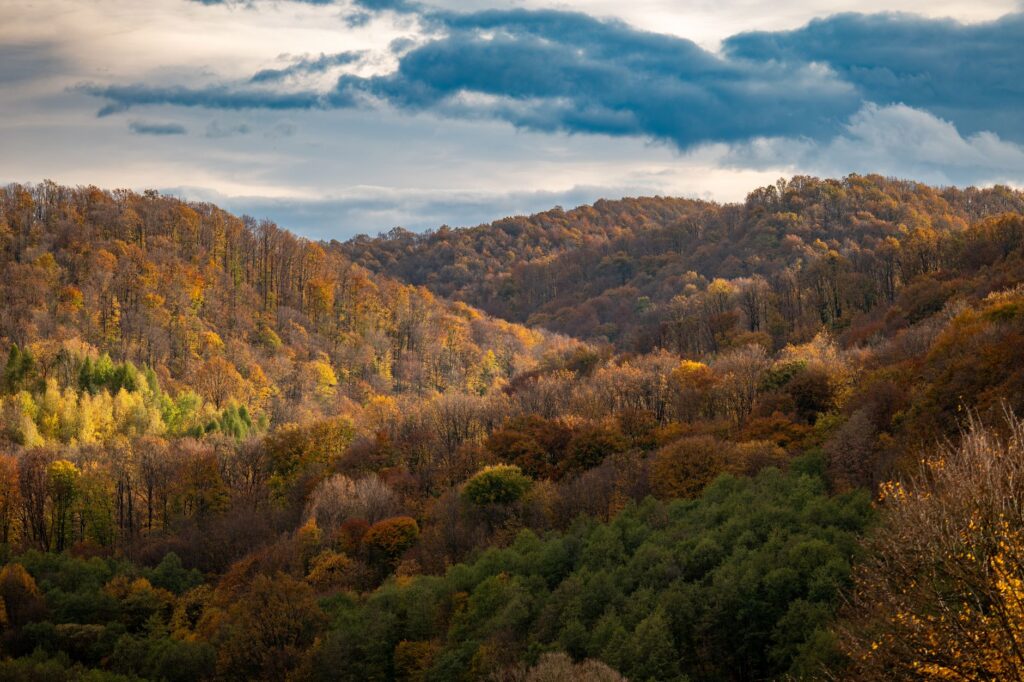
Beyond the urban core, the forested hills of Bilogora offer an ideal territory for leisurely hiking and nature observation. Marked trails meander among oak and beech woods, crossing small streams that descend toward agricultural valleys. These routes do not demand extreme physical preparation, making them the perfect destination for walkers of all ages seeking to disconnect from urban noise and immerse themselves in a peaceful, well-preserved forest environment.
The conservation of these natural spaces is a priority for the local community, which promotes respectful, low-impact tourism. Visitors are encouraged to follow established paths, avoid littering, and respect native flora and fauna. This environmental sensitivity ensures that Bilogora’s landscapes maintain their pristine purity, offering a refuge for wildlife as well as travelers who value authenticity and silence over mass attractions.
Civil Architecture and Spaces for Conviviality
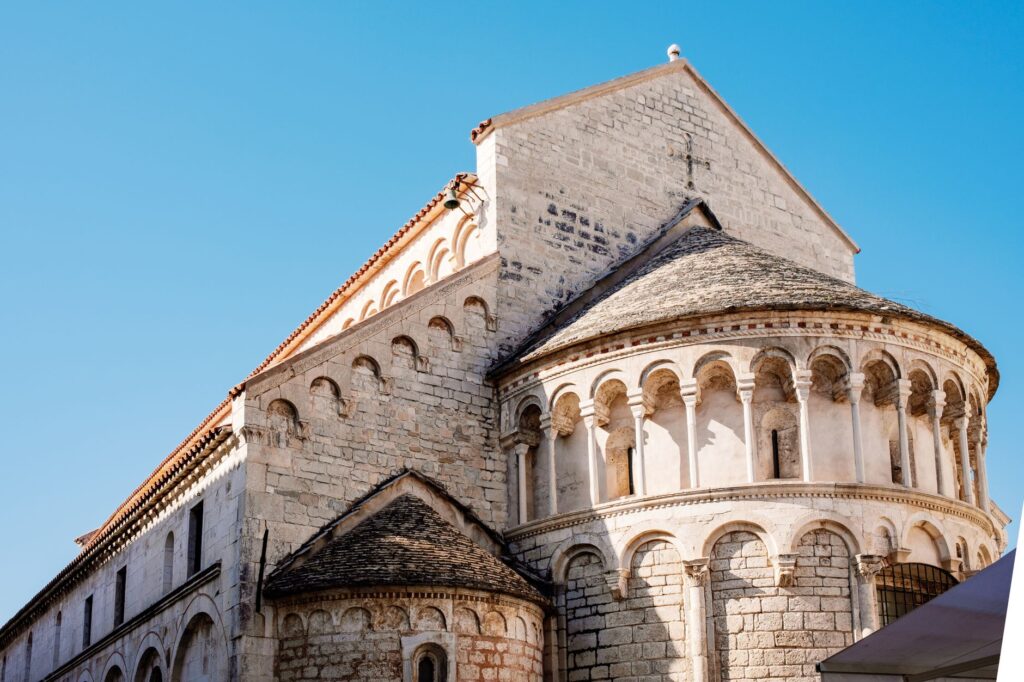
Bjelovar’s architectural heritage stands out for its elegant sobriety and historical functionality. Unlike major European capitals laden with ornate decorations, this Croatian town’s civil architecture shows clear influence from the Austro-Hungarian school, characterized by symmetrical facades, red-tile roofs, and interior courtyards that act as thermal and social regulators. Public buildings such as the former town hall and historic schools integrate harmoniously into the urban fabric, maintaining their original use or adapting to contemporary cultural needs.
The beauty of Bjelovar does not lie in monumental grandiosity, but in the human scale of its spaces and the dignity with which the traces of daily the past are preserved.
This care for the built environment fosters a deep sense of belonging among inhabitants. Facades are restored respecting original colors and materials, avoiding aesthetic alterations that break the visual unity of the historic center. For the attentive traveler, strolling through these streets is an exercise in aesthetic appreciation where architecture serves as a container for an active, respectful community life deeply rooted in its geography.
Responsible Visitor Choices
Contemporary tourism in Bjelovar is sustained by the principle of reciprocity and mutual respect between the traveler and the host community. Being a town of human dimensions, where daily life unfolds without the mass-market infrastructures of major tourist destinations, visitors are expected to adopt a discreet and collaborative attitude. This implies prioritizing public transport or bicycles for urban travel, supporting small local businesses when acquiring souvenirs or food, and maintaining respectful behavior in places of worship and neighborhood life.
Traveling consciously implies accepting the pace of the visited place, adapting to its unhurried rhythm instead of trying to impose an accelerated or demanding agenda.
Likewise, participation in local cultural activities should stem from a genuine interest in learning, avoiding the commercialization of traditions. Artisan workshops, agricultural fairs, and civic festivities are primarily designed for the community, so the visitor is welcomed as a respectful guest who has the privilege of temporarily peering into an authentic and sustainable way of life.
Practical guide
- How to get there: Bjelovar is connected to Zagreb via regular regional bus and train services, facilitating comfortable access from the Croatian capital.
- Best time to visit: Spring and autumn offer mild temperatures ideal for exploring the historic center and Bilogora’s natural trails.
- Accommodations: Family-run guesthouses and small central hotels predominate, guaranteeing a quiet and personalized stay.
- Local gastronomy: It is recommended to taste the fresh products of the central market and traditional dishes prepared with regional ingredients.
- Getting around: The town’s geometric layout and compact size make it extremely easy to explore on foot or by bicycle.
- Environmental respect: Regulations must be strictly followed in Bilogora’s protected forest areas to preserve local biodiversity.
- Language and currency: The official language is Croatian and the currency in circulation is the euro, facilitating daily commercial transactions.
The Final Echo of Plain and Forest
As evening falls, the golden light of sunset bathes Bjelovar’s historic facades, casting long shadows over the vast central square and returning an atmosphere of serene introspection to the town. Cathedral bells toll to announce the end of the day, while the last residents return to their homes, conversing leisurely along the tree-lined streets. In this corner of northern Croatia, where the plain meets the forested hills of Bilogora, time seems to recover its human dimension, offering the traveler a lesson in balance, memory, and respect for the everyday that lingers long after departure.