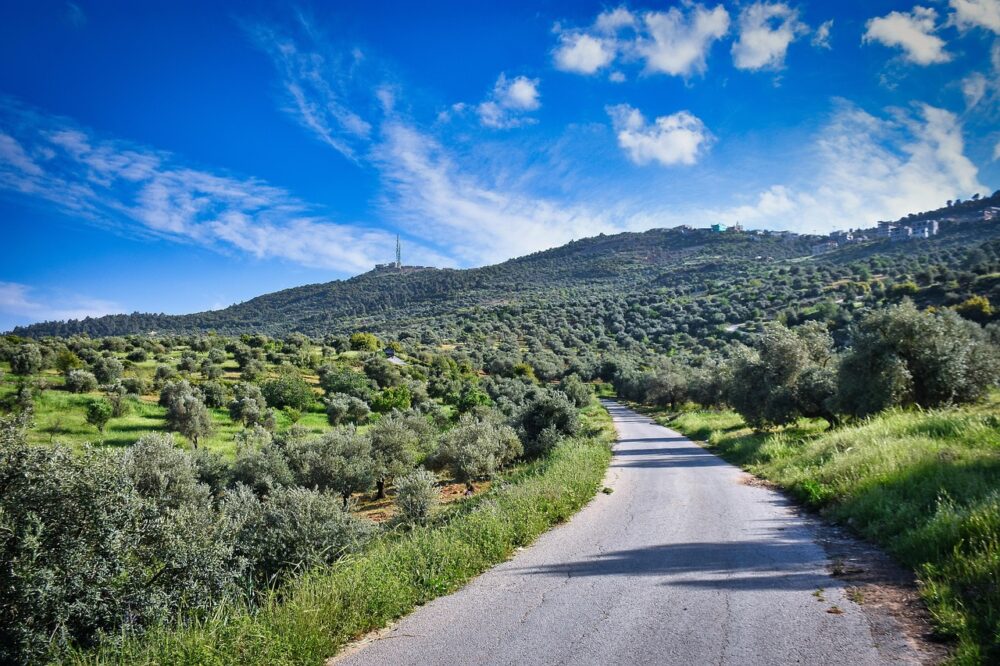
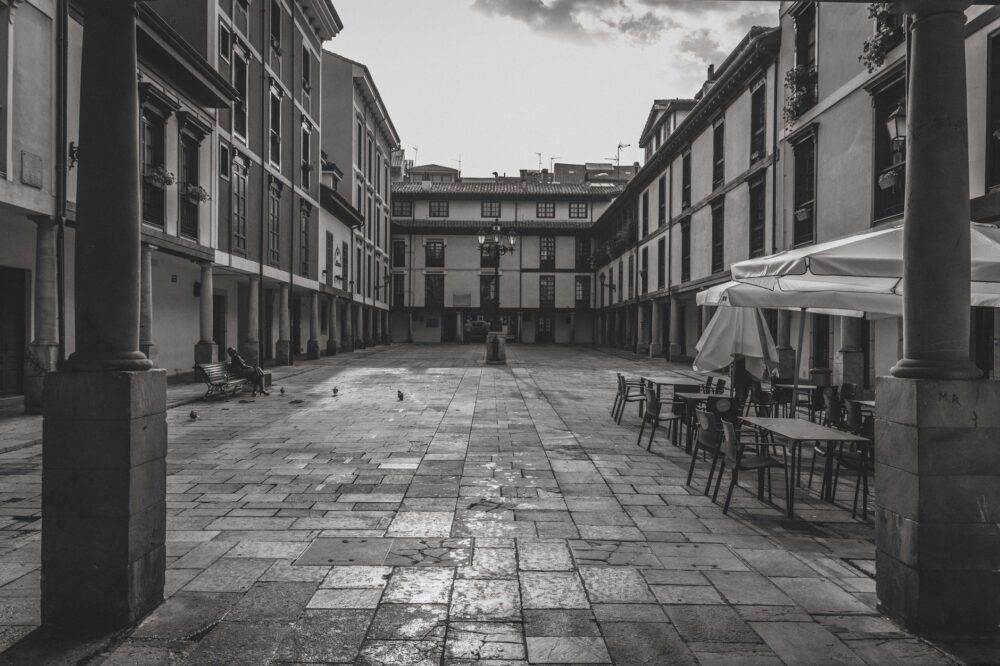
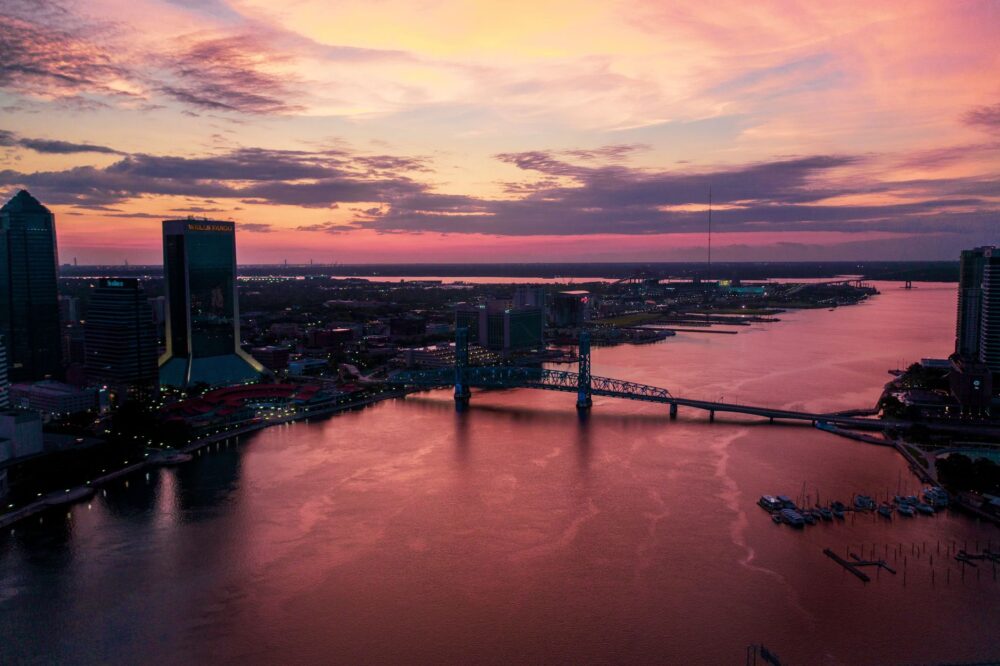
Marj Al Hamam, Jordan: Olive Groves and Residential Streets Where Daily Life Defines Amman’s Rhythm.
The Shadow of Olive Trees on the Highland
At an altitude approaching nine hundred meters above sea level, the Jordanian municipality of Marj Al Hamam unfolds a landscape where limestone and ancient agricultural terraces coexist with the steady advance of modern residential architecture. Situated to the southwest of the country’s capital, this setting maintains a pace distinct from the commercial bustle of historic downtown Amman, allowing observers to witness a gradual transition between traditional rural life and contemporary metropolitan dynamics.
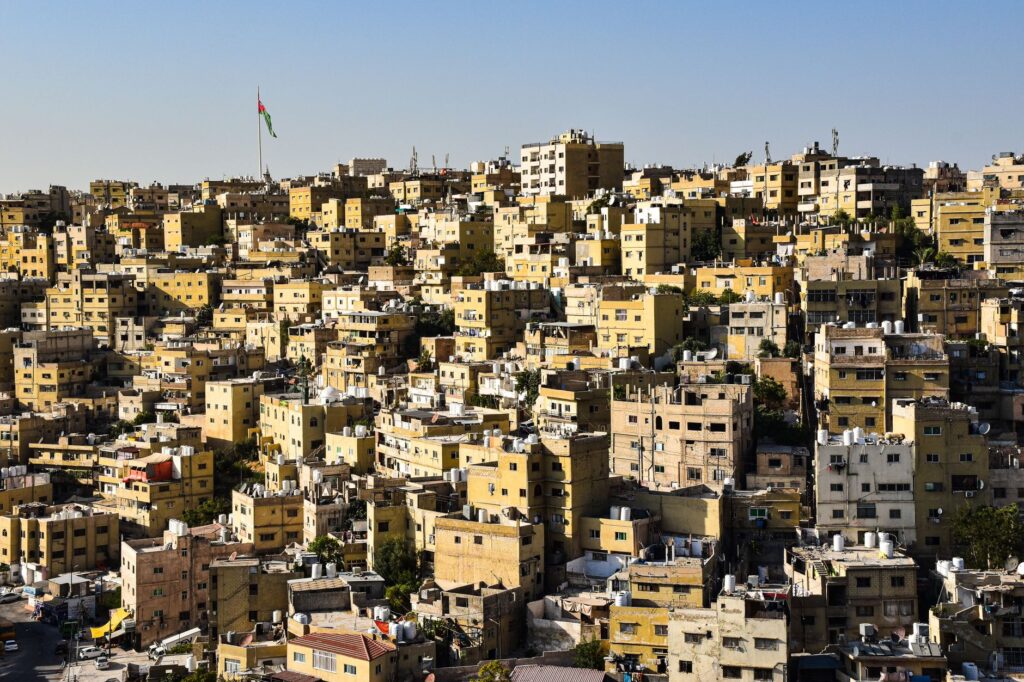
Mornings in this sector of the Amman Governorate begin with light reflecting off pale stone facades—an omnipresent material that grants visual unity to the neighborhoods. Local residents walk along streets that retain the memory of old rural paths, transformed today into neighborhood arteries where small grocery stores, artisanal bakeries, and family-run workshops set the measure of the hours.
The layout of these pathways responds to an organic expansion that prioritizes pedestrian access within the internal residential nuclei. Sidewalks, although irregular in some stretches due to the rugged topography of the plateau, facilitate everyday encounters among neighbors who greet each other in a leisurely manner. The proximity to main communication routes does not alter the general tranquility of the residential alleys, creating an atmosphere of an integrated village within the metropolitan periphery of the capital.
Furthermore, the integration of public spaces encourages generational continuity, allowing elders and youth to share the rhythm of daily routines under the bright plateau sun. Urban planners often note how residential zones expand without losing their foundational character, absorbing contemporary needs while preserving the historical footprints left by generations of farmers and landowners who shaped the surrounding agricultural valleys long before modern infrastructure connected the district to the wider urban sprawl.
Geographical Heritage and Plateau Climate
The geographical location of Marj Al Hamam directly shapes the conditions of its natural surroundings and the daily routines of its inhabitants within Jordan. With a population exceeding eighty thousand people, the locality experiences notable thermal variations between crisp morning plateaus and mild afternoons, modulated by altitude and the proximity of surrounding valleys that define the regional landscape.
This mountainous terrain has historically favored the cultivation of olive trees and dry-farmed fruit orchards, elements that still dot vacant lots and the backyards of single-family homes. The relationship with the land goes beyond mere scenery; it forms part of a cultural continuity where local families participate in seasonal harvesting and the preservation of farming practices inherited across generations.
Winds blowing from the west traverse open fields and soften temperatures during the summer months, turning outdoor spaces into functional extensions of homes. Urban gardens and small plots cultivated with seasonal vegetables demonstrate a persistence of domestic self-sufficiency that survives amidst urban modernization.
Scientific observations of local microclimates indicate that the elevation of the plateau acts as a natural buffer against extreme heatwaves experienced in lower valley floors, creating a healthier living environment. Soil composition, rich in limestone and mineral deposits, naturally supports deep-rooted perennial crops, ensuring that agricultural heritage remains visible even as concrete foundations multiply across the municipality.
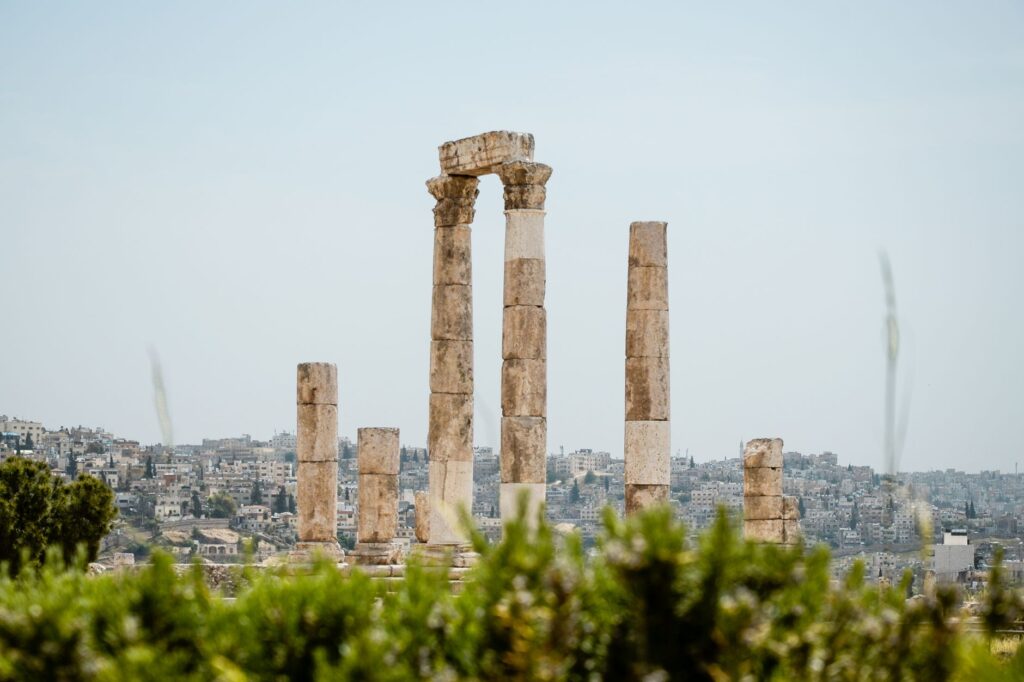
Residential Architecture and Neighborhood Coexistence
The urban development of Marj Al Hamam is characterized by low density compared to the more crowded districts of the Jordanian capital. Dwellings, built predominantly under strict local regulations requiring natural stone cladding, generate a sober and coherent urban aesthetic that defines the visual identity of the place.
Around secondary squares and small neighborhood roundabouts, community life organizes itself spontaneously. Residents from diverse backgrounds converge in local markets and traditional commercial establishments, creating a varied social fabric integrated into the country’s everyday customs.
Architectural volumes are typically structured at moderate heights, allowing sunlight to illuminate interior courtyards and accessible terraces. These horizontal structures foster the visibility of the mountainous surroundings and reinforce the feeling of spatial amplitude against the overcrowding characteristic of other urban centers in the Middle East.
Compliance with civic aesthetic guidelines guarantees that no single building disrupts the horizon, maintaining a harmonious silhouette against the afternoon sky. This architectural discipline honors regional building traditions, transforming residential streets into outdoor galleries of masonry craftsmanship where every carved stone tells a story of local trade skills passed down through master builders.
Amman stone is not merely a building material; it is the physical archive recording the passage of time on every residential facade.
The Importance of Water and Local Resources
The management of water resources constitutes a fundamental axis in the domestic organization of Marj Al Hamam, much like in Jordan as a whole. Storage tanks perched on rooftop terraces serve as visual witnesses to a culture of conservation and responsible consumption that permeates daily household life.
This constant attention to efficient water use is reflected in the selection of native plant species in private gardens and public spaces, where drought-resistant plants predominate, maintaining the greenery of the urban landscape without compromising the region’s water reserves.
Traditional practices of rainwater harvesting and reuse, although modernized through technical channeling systems, continue to form part of the collective consciousness of property owners. Each household assumes its responsibility in conserving this vital resource, integrating water scarcity as a determining factor in landscape design and in routine cleaning and irrigation tasks.
Educational campaigns by municipal bodies and grassroots groups consistently reinforce these conservation habits, reminding residents that ecological mindfulness is essential for long-term sustainability. By utilizing gravity-fed cisterns and greywater filtration units, modern households successfully merge ancestral conservation wisdom with contemporary environmental engineering.
Proximity Economy and Everyday Commerce
Local commerce in Marj Al Hamam relies on a human-scale network of establishments meeting the daily needs of residents without the scale of massive shopping malls. Butcher shops, greengrocers, and spice stores act as intergenerational meeting points.
In these spaces, verbal exchange and personalized attention remain active, contrasting with the accelerated digitization of large urban cores. Local merchants act as informal chroniclers of the neighborhood, keeping alive the stories and anecdotes that make up the municipality’s collective memory.
Customer loyalty toward neighborhood shopkeepers guarantees the economic survival of family businesses against large commercial centers located on the outskirts of the city. This proximity consumption model reinforces social cohesion and ensures that generated wealth remains within the residential community itself.
Transactions here are rarely transactional in the cold modern sense; they involve inquiries about family well-being, discussions regarding seasonal produce quality, and shared reflections on local developments. This interpersonal warmth underpins the resilient economic foundation that shields small enterprises from sudden market fluctuations.
The Role of Culture and Hospitality in the Community
Traditional hospitality stands as an unshakable pillar in the social interactions of Marj Al Hamam. Doors of homes and shops often remain open for unhurried conversation, usually accompanied by bitter cardamom-infused coffee or mint tea.
This daily exchange fosters a strong sense of belonging among inhabitants, who value the relative tranquility of their streets against the fast pace of the major highways connecting the zone to the country’s administrative center.
Family celebrations and religious festivities reinforce these community bonds through the joint preparation of traditional dishes and collective attendance at local places of worship. The oral transmission of popular legends and historical events keeps cultural identity alive against homogenizing globalization.
Cultural resilience in this highland zone is further sustained by informal neighborhood councils that resolve local disputes amicably and organize communal clean-up days, ensuring that civic pride matches the deep-rooted heritage celebrated during national holidays and seasonal milestones.
Practical Guide
How to get there: Marj Al Hamam is accessible from Amman via private vehicles, licensed taxis, and local public transport lines connecting residential neighborhoods with the city center.
When to visit: The spring months (March to May) and autumn months (September to November) offer optimal temperatures for walking through residential streets and agricultural surroundings.
Visitor recommendations: Visitors are advised to dress modestly, respecting local customs, and prioritize local neighborhood shops to support resident livelihoods.
Internal transport: The best way to explore the municipality is on foot along neighborhood paths or by using shared local transport services for longer distances.
The Echo of Sunsets Over Stone Rooftops
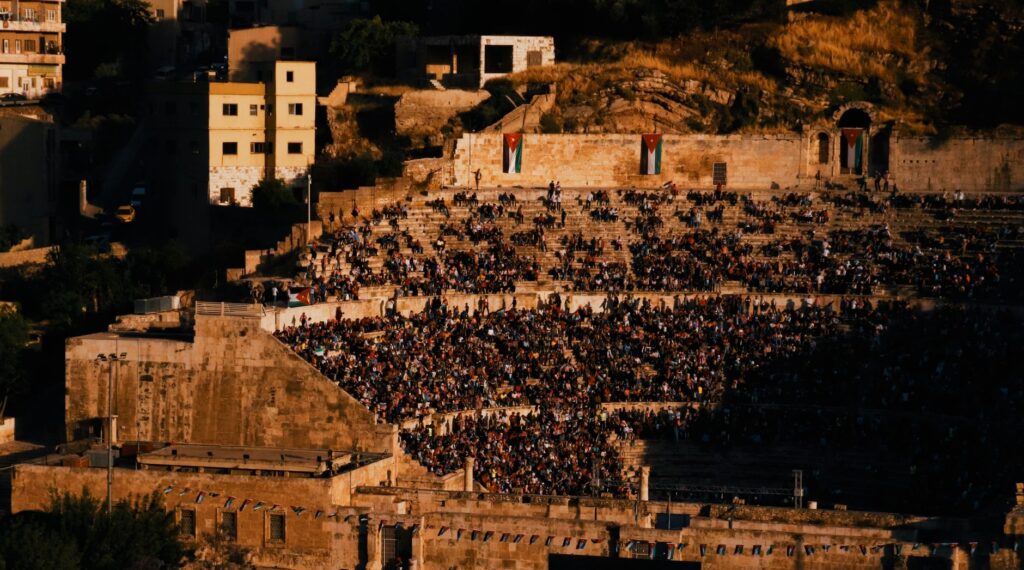
As the sun descends toward the western horizon, the limestone of Marj Al Hamam takes on golden and ochre hues that transform the appearance of residential neighborhoods. In that moment of lighting transition, the sound of the call to prayer merges with the final murmur of the working day in local shops.
Far from mass tourism circuits, this corner of the Amman Governorate endures as a living testament to daily life in Jordan, where traditional architecture, respect for the natural environment, and human warmth continue to mark the passing of days with absolute serenity.
The preservation of this balance between urban development and rural heritage depends largely on conscious decisions made by both permanent residents and those travelers who choose to delve into the most human and least traveled aspect of Jordanian geography.
Ultimately, experiencing this municipality offers a grounding perspective on how communities can embrace modern conveniences without sacrificing their collective soul, inviting every mindful visitor to reflect upon the enduring legacy etched into every stone wall and cultivated hillside.