
The Fluvial Pulse of an Open Metropolis on the Atlantic Coast of the United States
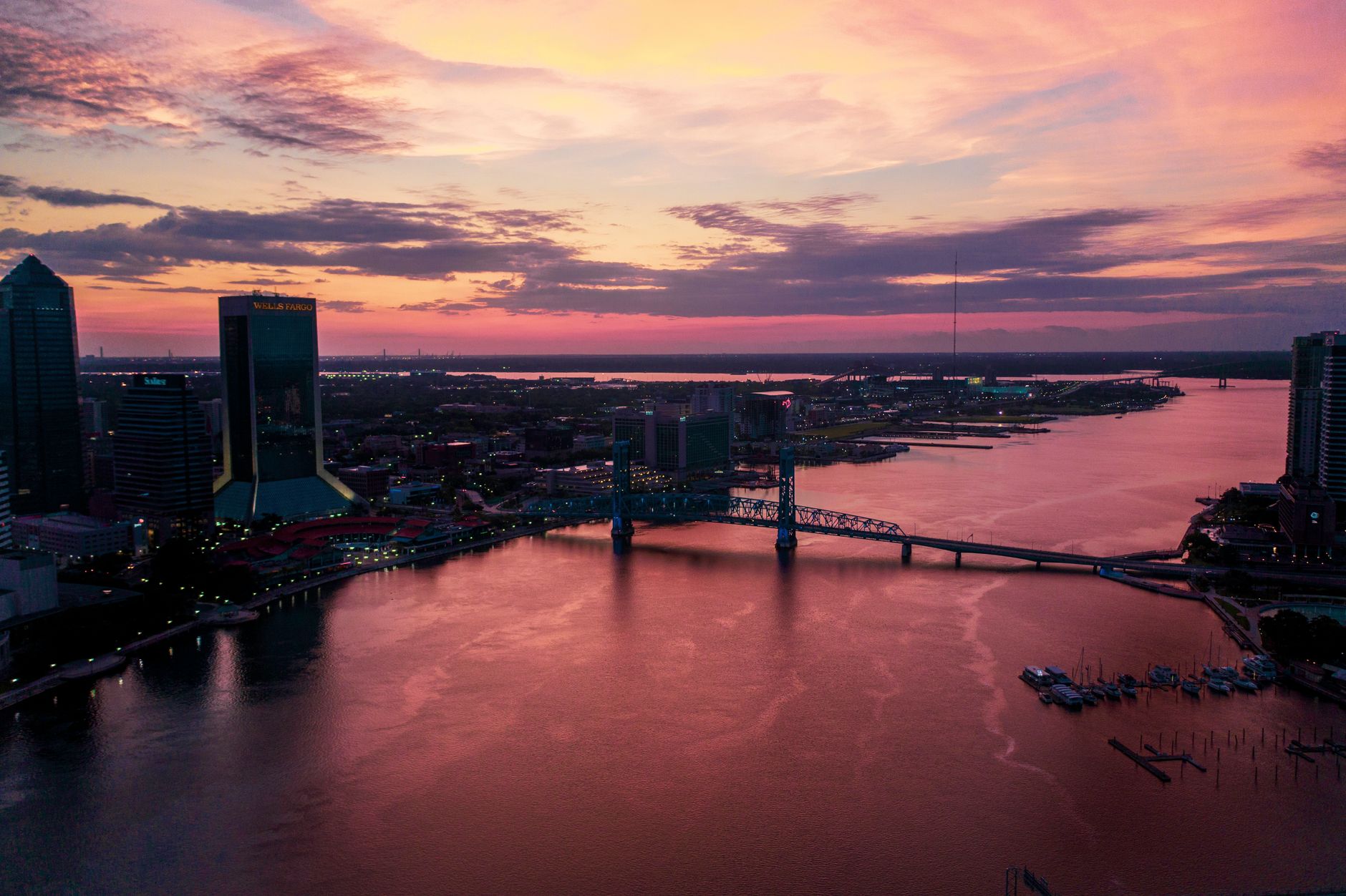
Along the banks of the St. Johns River in Florida, United States, daily life unfolds with a cadence dictated by the tides and the gentle movement of local watercraft. Jacksonville, officially recognized as the most extensive city in the country by land area, is far more than a mere transit point along the Atlantic coast. Far from the tourist-heavy crowds that characterize other enclaves in southern Florida, this municipality organizes its daily rhythm among wide public spaces, historic residential neighborhoods, and an indissoluble bond with the water that traverses its urban geography.
The early history of the area, recorded under names such as Cow Ford due to the historic cattle crossings along the riverbanks, evolved into a thriving urban core with over a million residents. This demographic growth has not diluted the distinctive character of its communities. On the contrary, each district maintains a singular identity where early twentieth-century architecture and neighborhood gathering spaces sustain collective memory against the backdrop of the state’s rapid modernization.
Water is not merely a scenic element, but rather the vertebral axis upon which the earliest trade routes and settlements were founded, giving rise to the current territorial demarcation. The river currents symbolically connect the interior of northern Florida with the vast immensity of the ocean, configuring an ecosystem where aquatic fauna and terrestrial flora coexist seamlessly with urban infrastructure. Residents embrace this coexistence with a profound sense of respect for the natural environment, fully aware that every daily decision directly impacts the health of the river channel and the surrounding marshes.
Residential Architecture and the Fabric of Historic Neighborhoods
Walking through the traditional neighborhoods of Jacksonville, such as Riverside or Springfield, offers a clear understanding of the city’s architectural evolution. Wooden homes featuring expansive porches and gabled roofs reflect a period of reconstruction and architectural prosperity following the great fire of 1901. Along these tree-lined streets, neighborhood interaction does not rely on imposed urban planning, but rather on the natural layout of sidewalks and small local businesses that have served the same families for decades.

Artisan workshops and independent bookstores scattered throughout these sectors act as guardians of local identity. Far from large commercial chains, these establishments foster intergenerational exchange where traditional trades and urban lore are carefully preserved. Local residents actively participate in the conservation of this smaller heritage, deeply conscious that the true authenticity of the city resides in the human scale of its secondary streets.
The preservation of these buildings responds not only to aesthetic criteria, but also to a collective desire to keep alive the material testimony of past generations. The ornamental details of the facades, carved wooden window frames, and open entryways invite the casual passerby to pause and observe the subtle transition between the private space of the home and the public space of the leafy street.
Markets and Daily Provisioning Along the River
The supply of food and consumer goods in Jacksonville maintains a direct relationship with the agricultural and fishing traditions of northern Florida. Local markets, open several times a week, bring together independent producers offering everything from regional citrus fruits to fresh fish caught in nearby marshes. These spaces function not merely as commercial exchange hubs, but as vital nodes where the social life of the community is woven together.
Conversations among market stalls reveal a constant concern for the sustainability of the natural environment and the preservation of local resources. Regular shoppers value the origin of the products and actively support initiatives that promote responsible agricultural practices. This civic commitment to proximity consumption reinforces the economic autonomy of the region and consolidates a network of mutual trust between producers and consumers.
Acquiring goods in these traditional markets fosters a model of conscious consumption that minimizes transportation footprints and directly supports small-scale local economies. Daily interactions between neighbors and vendors strengthen the community fabric, turning the routine weekly shopping trip into an act of cultural affirmation and mutual support.
The true measure of a riverfront city is found in the health of its waters and in the capacity of its inhabitants to protect their shared landscape.
Urban Parks and the Safeguarding of Biodiversity
The vast expanse of Jacksonville encompasses a rich diversity of ecosystems, ranging from wetlands and marshes to sprawling urban parks that function as green lungs. Spaces such as the Jacksonville Arboretum and Gardens allow visitors and residents alike to immerse themselves in native vegetation composed of longleaf pines, centuries-old oaks, and ferns that thrive in the subtropical climate.
The management of these green spaces reflects an ongoing effort to balance urban development with environmental conservation. Neighborhood associations organize periodic clean-up and reforestation days, actively involving local schools in ecological education. This intimate relationship with the natural environment fosters a collective awareness regarding the importance of protecting riparian habitats against the pressures of demographic growth.
The trails that meander through these natural refuges offer a space for tranquility and reflection for those seeking to temporarily escape the urban pace. Observing migratory birds and identifying native plants form part of the everyday activities that bring inhabitants closer to the county’s ecological heritage.
Maritime Heritage and Industrial Memory
The industrial and port history of Jacksonville manifests in its former shipyards and the river transportation infrastructure that connected the city to the rest of the country for decades. Although economic activity has evolved toward services and modern logistics, the traces of that industrial past remain integrated into the current urban landscape, successfully converted into waterfront promenades and cultural centers.
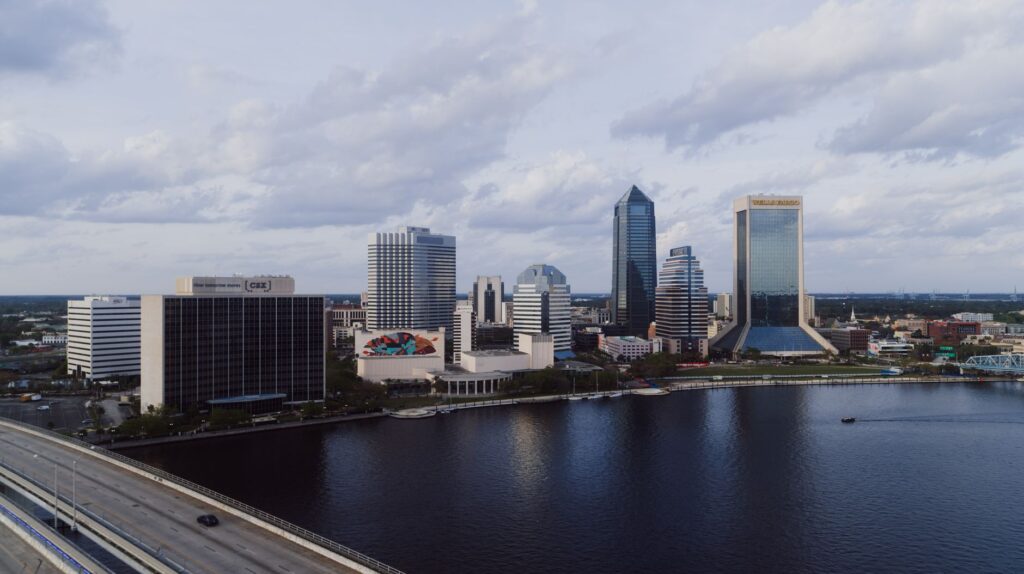
Local archives and community museums document the lives of dockworkers and sailors who built the region’s economic infrastructure. These graphic and written testimonials allow new generations to understand the sacrifices and labor struggles that shaped the city’s current well-being, preventing development from erasing the memory of its working-class foundations.
The reinterpretation of these abandoned industrial spaces into public promenades demonstrates an urban sensitivity that values industrial archaeology as a fundamental part of local identity. The metal structures of the old docks now serve as privileged viewpoints overlooking the water.
Cultural Life and Local Artistic Expressions
The cultural scene in Jacksonville stands out for its diversity and its deep roots in the traditions of the American Southeast. From the jazz that once echoed through the historic clubs of the LaVilla neighborhood to contemporary art exhibitions in community centers, local artistic creation reflects a constant dialogue between African American heritage and contemporary cultural influences.
Murals decorating blank walls throughout the city narrate episodes of local history and pay homage to key figures within the community. These visual expressions democratize art, lifting it out of closed venues and integrating it into the daily experience of those who traverse the streets on foot or by bicycle.
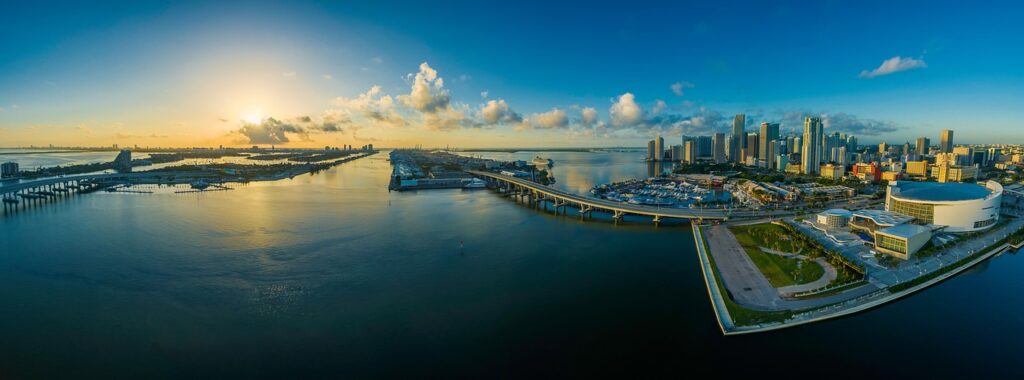
Public libraries and neighborhood cultural centers organize reading workshops, exhibitions by emerging artists, and independent film series that enrich the community’s intellectual life. These freely accessible spaces guarantee that culture remains a shared good accessible to all sectors of the population.
Practical Guide for the Responsible Traveler
How to get there: Jacksonville International Airport (JAX) connects the city with major aviation hubs in the United States. Additionally, the interstate highway network and medium- to long-distance bus services facilitate road access from other parts of Florida and neighboring states.
When to visit: The autumn months (October through November) and spring (March through May) offer temperate temperatures ideal for exploring parks and historic districts on foot, avoiding the intense heat and humidity of the summer months.
Urban transportation: Given the vast territorial extent of the city, rental vehicles or public transportation within central areas are recommended to optimize travel between the various neighborhoods of interest.
Accommodation: The Riverside and San Marco districts house historic inns and moderately scaled hotels that allow for a closer immersion in the residential and commercial life of the community.
Responsible gastronomy: Opt for restaurants and markets that work with local and seasonal ingredients, actively supporting producers in the northern Florida region.
The Serene Horizon of the River Mouth
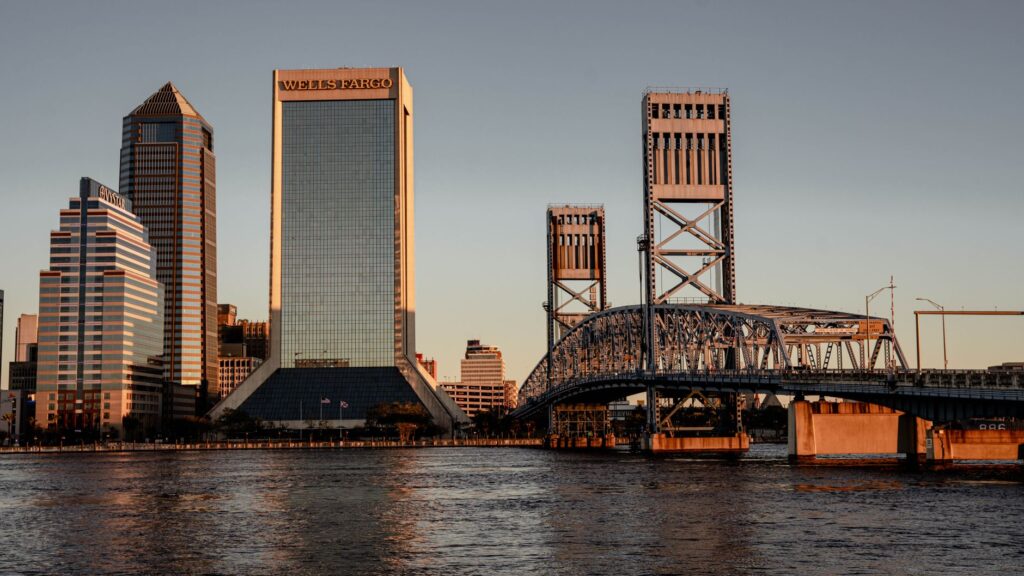
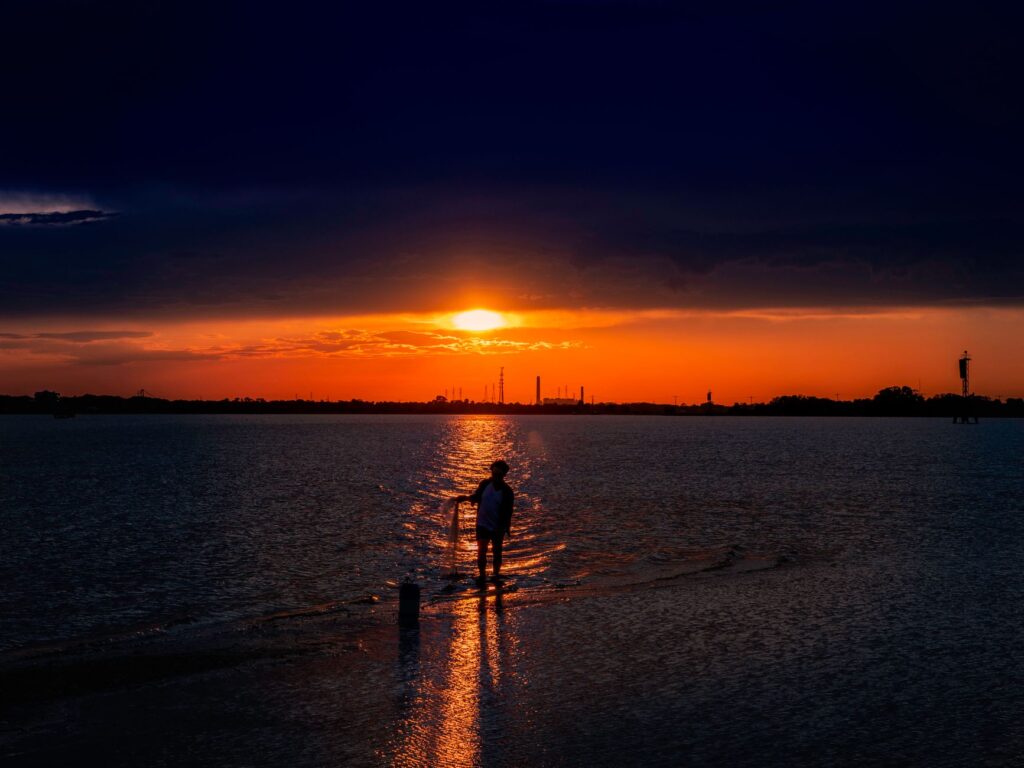
As evening falls, the golden light cast over the waters of the St. Johns River dissolves the urban bustle into a reflective calm that encapsulates the essence of the city. From the benches of the riverfront parks, inhabitants watch the steady flow of the current heading toward the Atlantic Ocean, serving as a silent reminder that time in Jacksonville is measured by the gentle rhythm of its tides and the constancy of its community.