
The Capital of the Sun and Its Pulse in Northwest Peru
In the northwestern corner of Peru, the city of Piura stretches along the banks of the Piura River as a settlement that has successfully challenged the high temperatures of the surrounding desert. With a population exceeding six hundred thousand residents, this urban hub serves as the administrative and cultural engine of the country’s first regional division. Far from being merely a transit zone for northern beaches, the locality preserves a distinct atmosphere where the daily rhythm aligns with the intense morning light and the warm breeze descending from nearby agricultural valleys. The history of Piura dates back to colonial times, when it was founded under the name San Miguel de Piura, becoming one of the earliest Spanish towns in South America. That duality between foundational history and commercial modernity defines the streets of the historic center today, where sober facades and interior courtyards coexist with the steady movement of locals.
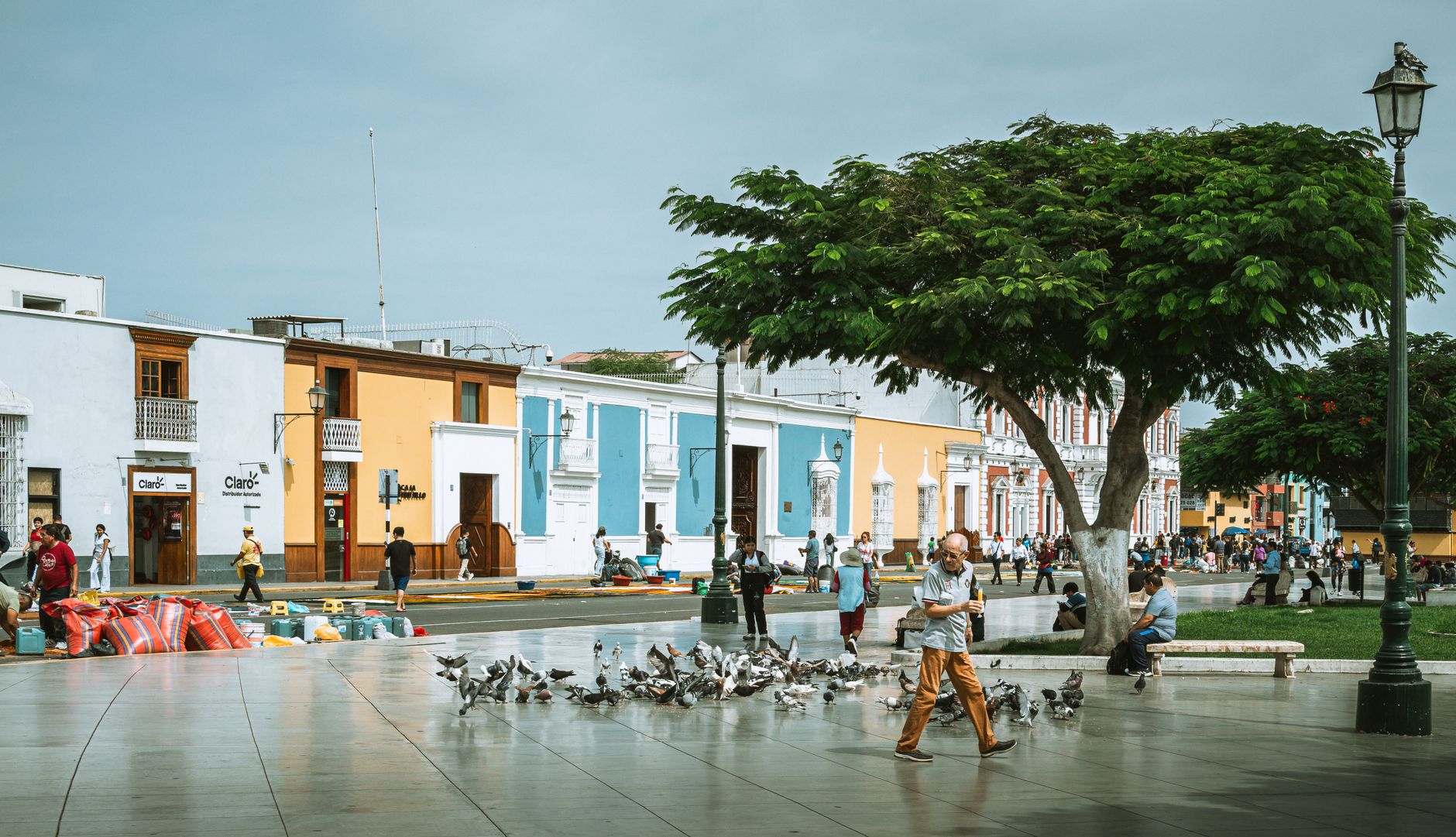
Urban life in Piura strongly gravitates around its public spaces and traditional markets, acting as authentic nerve centers where coastal and Andean traditions intersect. Unlike more fast-paced metropolises, time here seems to expand during the central hours of the day, when the shade of ficus trees in the plazas becomes the most coveted refuge. Residents visit these traditional gathering spots not only to provision their homes but to maintain a community network based on direct interaction and oral memory passed down through generations. The Piuran identity is nourished by this resilient character, forged in an environment where water has historically been a precious resource and where seasonal river floods have tested the adaptability of its neighborhoods.
Traditional Commerce and Provisioning in the Urban Heart
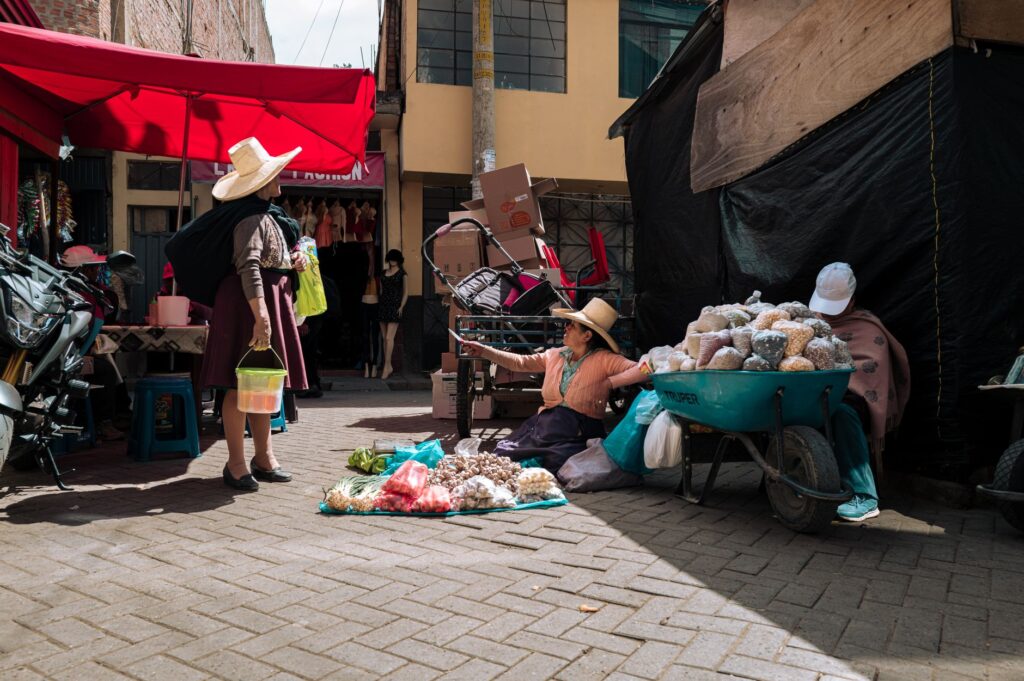
The bustling atmosphere of Piuran markets provides one of the clearest testimonies to the city’s economic and social vitality. In venues like the Central Market and its surrounding streets, daily offerings reflect the region’s agricultural and marine wealth. Stalls display subtle limes from neighboring Chulucanas, purple corn, silk bananas, and a wide variety of fish and seafood brought directly from nearby fishing ports like Paita. This proximity-based trade sustains the livelihoods of hundreds of local families who preserve traditional selling and distribution techniques, resisting the homogenization of large retail chains. The relationship between vendor and buyer relies on mutual trust, an unwritten code turning every transaction into a brief conversation about the weather, prices, or community news.
Beyond agricultural goods, the markets showcase popular crafts, particularly Chulucanas pottery and toquilla straw weaving crafted in nearby towns like Catacaos. These trades, handed down from parents to children, represent a fundamental pillar of the local creative economy and a source of pride for its inhabitants. Artisans carefully select natural fibers and minerals to achieve the dark, geometric finishes characteristic of northern ceramics, an art directly linked to the pre-Hispanic cultures that once inhabited these valleys. The constant presence of these goods in daily life demonstrates that heritage in Piura is not locked away in museums, but worn, used in cooking, and displayed in homes.
The value of a city lies not only in the monumentality of its buildings, but in the ability of its residents to preserve the dignity of everyday trades against modern haste.
Republican Architecture and Shaded Refuges in the Plazas
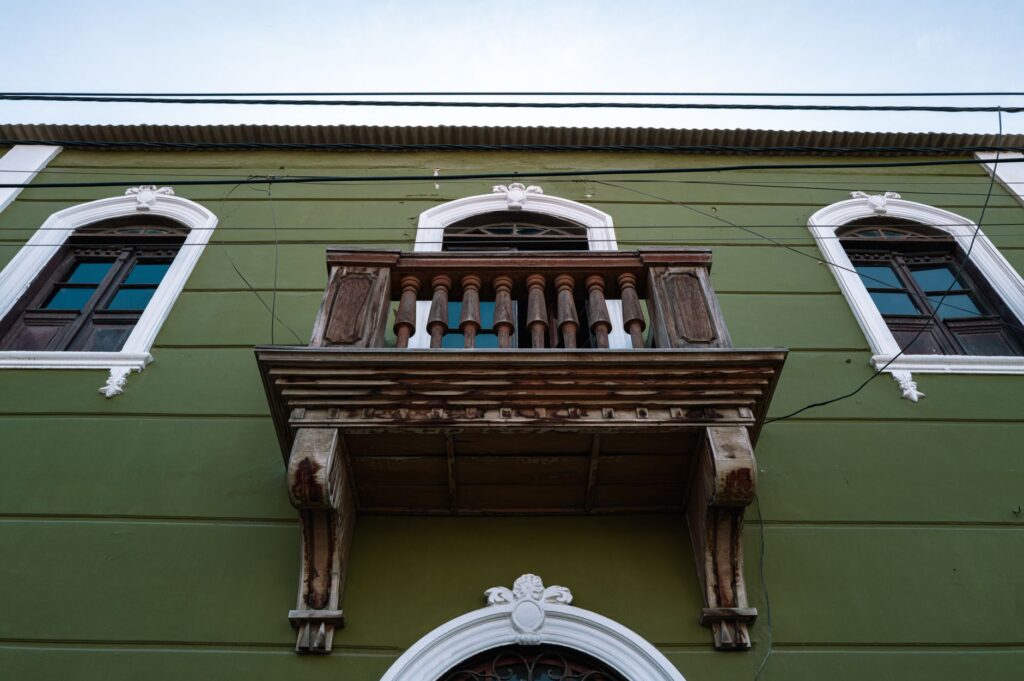
Piura’s urban layout preserves historic buildings of great value reflecting architectural styles from the nineteenth and twentieth centuries. Around the Plaza de Armas, considered one of the oldest and most tree-lined in the country, stand constructions featuring wooden balconies and wide hallways designed to mitigate intense heat. The Cathedral Church, located facing this same square, stands out for its solid presence and subsequent reconstruction following various natural events, maintaining a facade combining neoclassical elements with the sober restraint typical of northern religious architecture. These public spaces are far from merely ornamental; they fulfill an indispensable climatic and social function, offering a green respite where citizens read the newspaper, chat on benches, or simply rest from the relentless sun.
Strolling through adjacent streets reveals old manor houses whose double-leaf doors open into cool entryways, displaying interior courtyards decorated with tropical plants and traditional tiles. Although many of these residences have been adapted to house small shops or offices, their main facades and structures continue to tell the story of an agricultural and commercial elite that flourished thanks to cotton trade and regional exchange. The preservation of this architectural heritage faces constant challenges due to disorderly urban growth and extreme weather conditions, prompting various local associations to demand greater institutional protection to prevent the permanent loss of these urban landmarks.
Northern Flavors: Cuisine as Memory and Territory
Piuran gastronomy constitutes one of the most powerful vehicles for its cultural identity and an undeniable attraction for those seeking to understand the territory through its flavors. Emblematic dishes like seco de chabelo, made with mashed green plantains and beef or pork, or mero ceviche with its unmistakable touch of ají limo and subtle lime juice, encapsulate the fusion between the valley’s agricultural pantry and the wealth of the marine coastline. Unlike other regional cuisines, Piuran cooking is distinguished by the generous use of chicha de jora, a fermented corn beverage serving both as a meal accompaniment and a culinary base providing depth and character to traditional local stews.
Family-run restaurants and traditional picanterías, small establishments run by women inheriting ancestral knowledge, function as true temples of local sociability. In these spaces, food is served in generous portions designed to be shared, fostering a fraternal environment where social divides dissolve. Preserving these recipes is not an exercise in commercial nostalgia, but a vital necessity to maintain community cohesion. Ingredients come from short supply chains, where local farmers and artisanal fishers supply the kitchens daily, guaranteeing the freshness and sustainability of a culinary offer deeply rooted in Piura’s natural surroundings.
Neighborhood Life and the Slow Rhythm of Traditional Districts
Beyond the core center, traditional neighborhoods like Pachitea, Santa Ana, or peripheral sectors that have grown alongside internal migration display the most human and dynamic face of Piura. In these areas, sandy and paved streets fill in the afternoons with the sound of bicycles, children laughing at corners, and neighborhood chats on doorsteps. Neighborhood life is organized around small associations, sports clubs, and community committees that frequently make up for public service deficiencies through solidarity and collective effort. This mutual support network is essential for understanding how a city subjected to recurring climate challenges manages to maintain enviable emotional and social stability.
The integration of new residents, originating mainly from the high Andean provinces of the region, has enriched Piura’s cultural fabric without diluting its original northern character. Neighborhood markets and local religious festivities reveal this harmony between the coast and the highlands, where processions of the Lord of Ayabaca—with deep devotion throughout the region—mobilize thousands of faithful in massive displays of faith. These events demonstrate that popular religiosity and cultural expressions act as social cement, uniting diverse communities under a shared sentiment of belonging and respect for common traditions.
The true pulse of a region is discovered when leaving the official itinerary and observing how its inhabitants ingeniously solve the daily challenges of climate and labor.
Responsible Practices for Visitors to the Region
Tourism in Piura and its surroundings requires a conscious and respectful attitude on the part of travelers, given that the area’s ecological and social balance is fragile. It is essential to choose local service providers, from community guides to small accommodations and traditional restaurants, ensuring that economic expenditure directly benefits families in the area. Likewise, the responsible use of water is an absolute priority in this desert region, meaning that minimizing unnecessary consumption in hotels and adopting daily conservation habits should be a constant rule for any visitor committed to the destination’s sustainability.
In the cultural sphere, respect for local customs, moderation in excessive bargaining at artisan markets, and fair valuation of the work of artisans from Catacaos or Chulucanas are indispensable practices for fostering ethical exchange. Travelers must remember they are visiting communities with distinct dynamics and deep identity roots, where foreign presence should integrate without disrupting daily harmony. Supporting the conservation of historical heritage, avoiding plastic waste in natural areas, and consuming seasonal products are simple actions ensuring tourism acts as a preservation tool rather than a degradation factor.
Practical guide
How to get there: Capitán F.A.P. Guillermo Concha Iberico International Airport (PIU) receives daily flights from Lima. Access is also possible by road via regular interprovincial bus services connecting Piura with major cities along the Peruvian coast.
When to visit: The best time to tour the city and its surroundings spans from May to December, when temperatures are more moderate and intense seasonal summer rains are avoided.
Local transport: Urban travel relies primarily on authorized motor-taxis and city buses, offering economical connections between the historic center and peripheral neighborhoods.
Accommodation: Hotel options range from restored colonial houses operating as small boutique hostels downtown to modern establishments geared toward business and family tourism.
Recommended gastronomy: Essential dishes to try include seco de chabelo, mero ceviche, copús, and traditional chicha de jora at authorized picanterías in the urban core.
Practical recommendations: Visitors are advised to bring broad-spectrum sunscreen, a hat, lightweight cotton clothing, and to stay consistently hydrated due to the high temperatures of the desert environment.