
The Timeless Silhouette Above the Adriatic
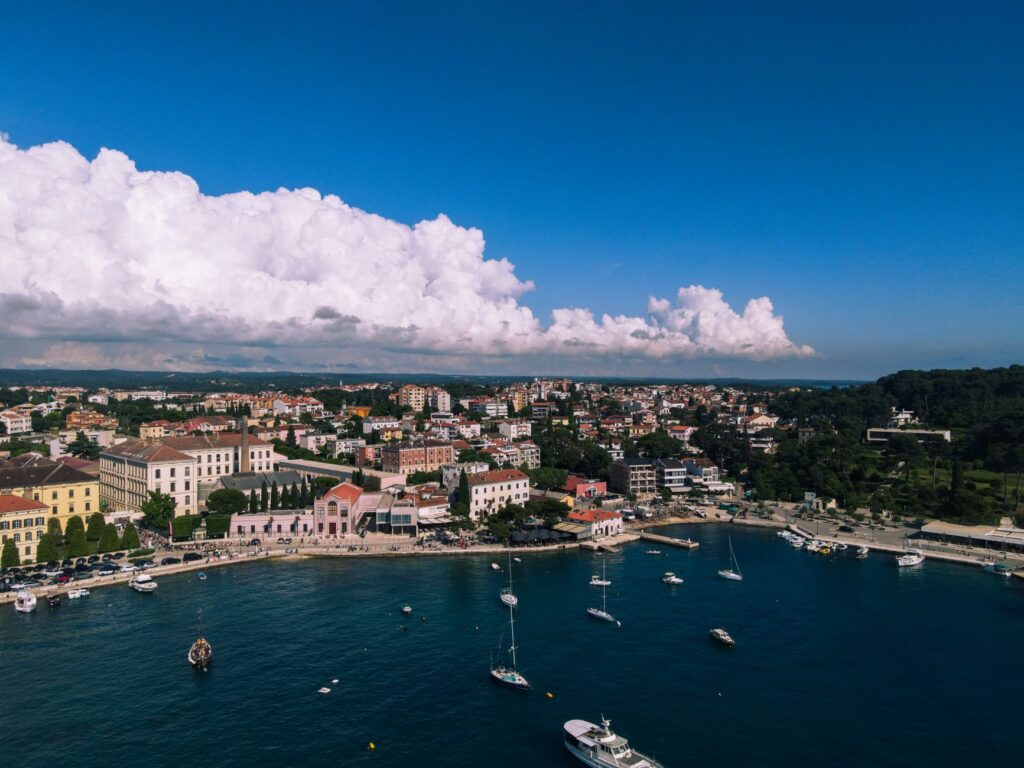
At the southernmost tip of the Istrian Peninsula, the stony silhouette of Pula emerges as a monumental testimony that has withstood the passage of centuries. The presence of limestone in every corner of the historic center is not merely an architectural element, but the living fabric that sustains the memory of the city in Croatia. Far from being a mere archaeological backdrop, this coastal territory functions as a dynamic organism where the marine breeze of the Adriatic Sea mingles with the scent of pine trees and the daily bustle of its residents.
The urban layout of the town responds to overlapping layers of history ranging from antiquity settlements to Venetian and Austro-Hungarian influences. Each era has left a recognizable mark on squares, facades, and paved alleys that invert the notion of linear time, transforming the daily walk into an inadvertent archaeological journey. Residents walk through these streets with the naturalness of those who inhabit an open museum, where sun-faded facades guard stories of sailors, merchants, and artisans.
The Amphitheater and the Monumental Scale of the Empire
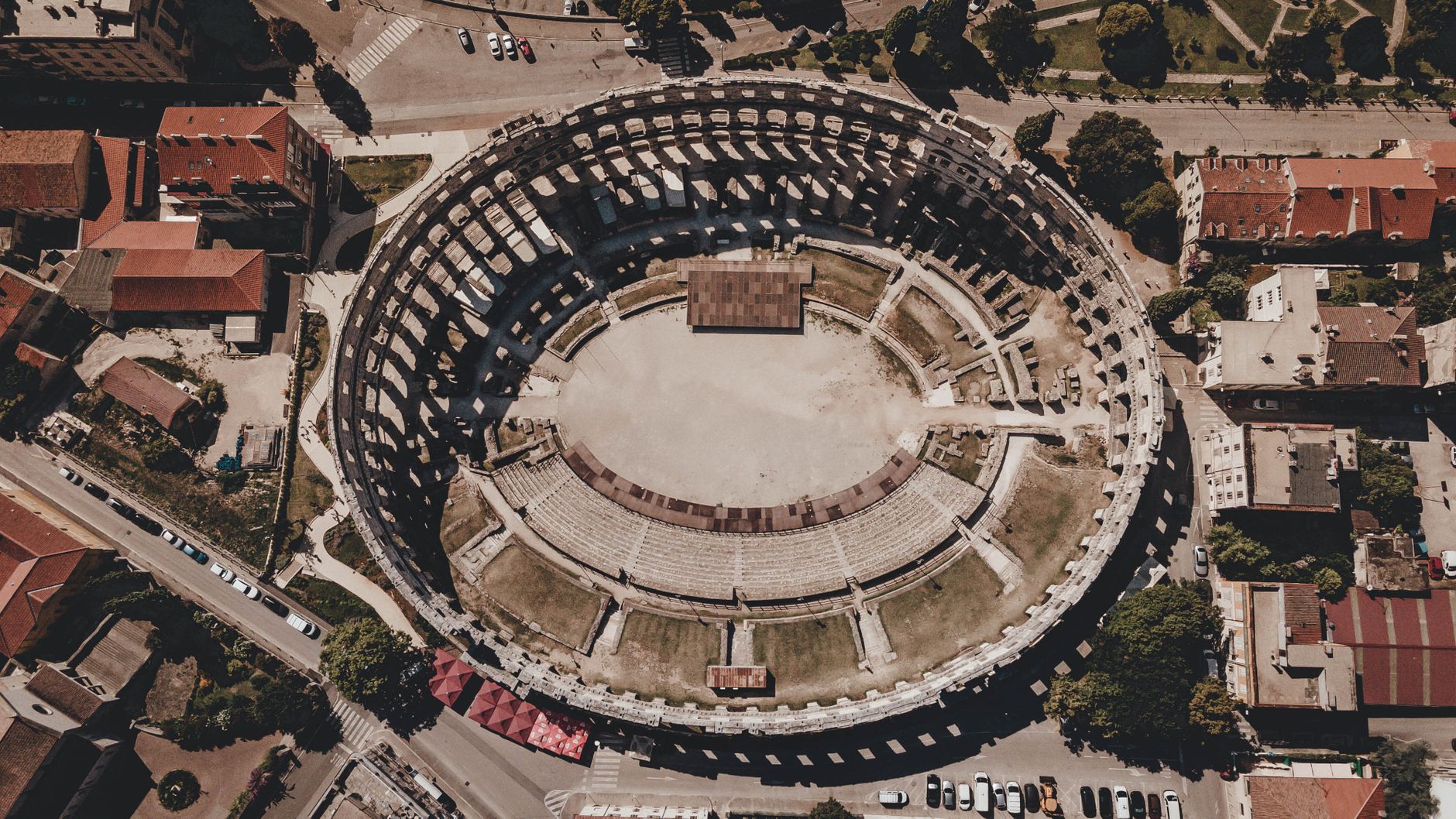
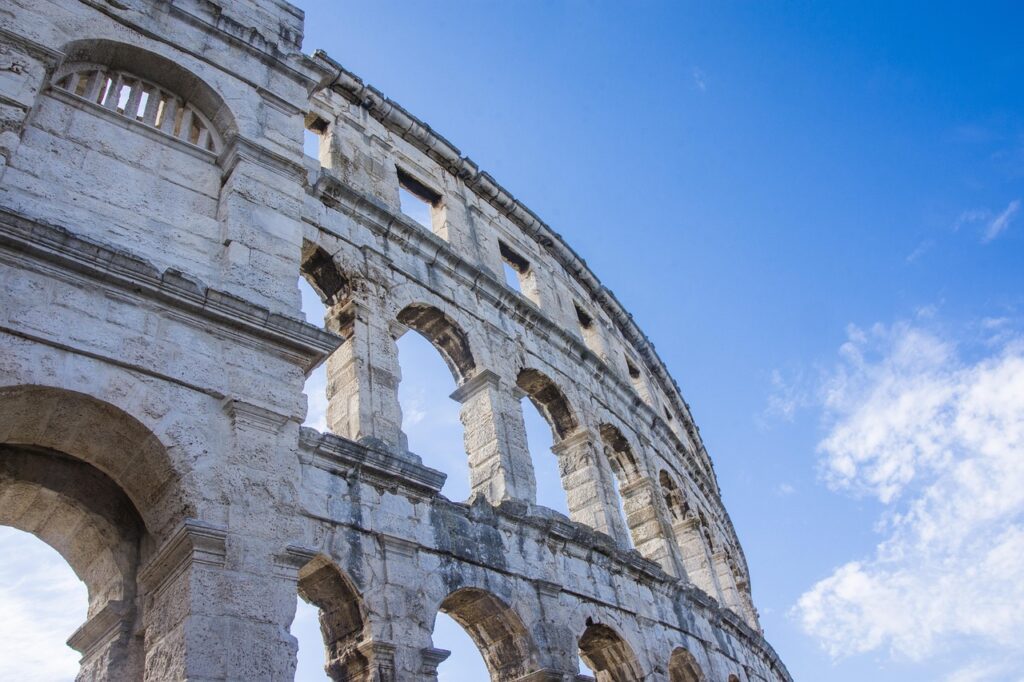
The region’s most celebrated landmark, the imposing Roman arena located just steps from the coast, defines the monumental scale of Pula. Built in the 1st century AD, this white stone colosseum stands out not only for its excellent state of preservation, but for its organic integration into the contemporary urban fabric. Unlike other isolated sites in rural areas, Pula’s amphitheater coexists daily with urban traffic, seagulls, and passersby crossing its vicinity toward the port.
During the evening hours, when the golden light of sunset falls upon the limestone arches, the monument acquires a warm hue that evokes its original function as a civic gathering place. The carved stone blocks, joined without mortar using classical engineering techniques, bear the weight of centuries while hosting cultural events that continue to give life to the venue. This constant dialogue between monumental past and citizen present constitutes one of the most unique identities of the Croatian coast.
The Mercantil Pulse of the Central Market
Away from strictly monumental routes, Pula’s central market offers an accurate portrait of daily life and local identity. Conceived at the beginning of the 20th century with an iron and glass structure characteristic of the industrial era, this space concentrates the commercial activity of Istrian producers. From early morning hours, stalls fill with vegetables from nearby gardens, freshly caught fish from the gulf, and olive oils produced in family estates in the surrounding countryside.
Verbal exchanges between vendors and buyers reflect the cultural diversity of the region, where Croatian, Italian, and Slovenian traditions coexist. Conversations about the weather, tides, and the quality of the annual harvest structure the daily rhythm of this market. Buying directly from local farmers allows one to understand the deep bond linking the population with the surrounding territory, a tie based on respect for seasonal cycles and proximity gastronomy.
Venetian Alleys and Hidden Squares
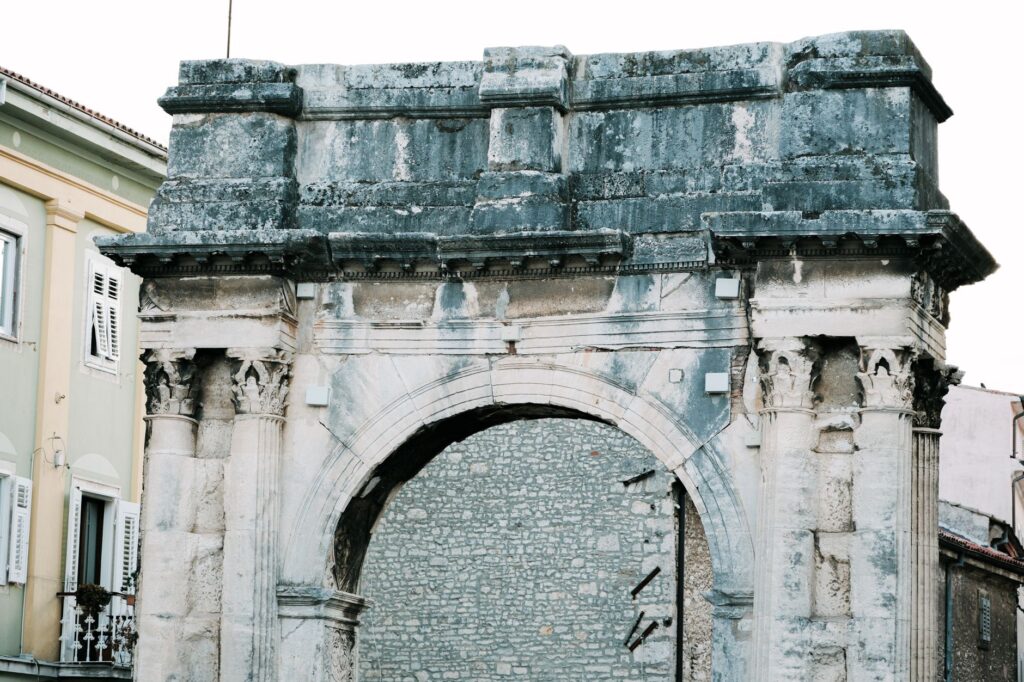
Following the collapse of the Roman world and successive medieval transformations, the Most Serene Republic of Venice imprinted its character on Pula’s urban layout. The narrow streets of the historic center, designed to protect from the wind and make the most of the shade, open into small squares where stone fountains and the lions of Saint Mark recall centuries of maritime dominance. Walking through these passages demands a leisurely pace, attentive to architectural details that go unnoticed on main avenues.
In these corners, neighborhood life unfolds on the terraces of traditional cafes, where residents read the local press or converse beneath grapevines. The superposition of architectural styles, combining gothic arches with renaissance windows and baroque balconies, evidences the cultural porosity of a port city historically open to influences from the Mediterranean and Central Europe. This stylistic heterogeneity grants old neighborhoods a unique visual texture that enriches the visitor’s experience without resorting to commercial artifices.
Maritime Heritage and Industrial Legacy
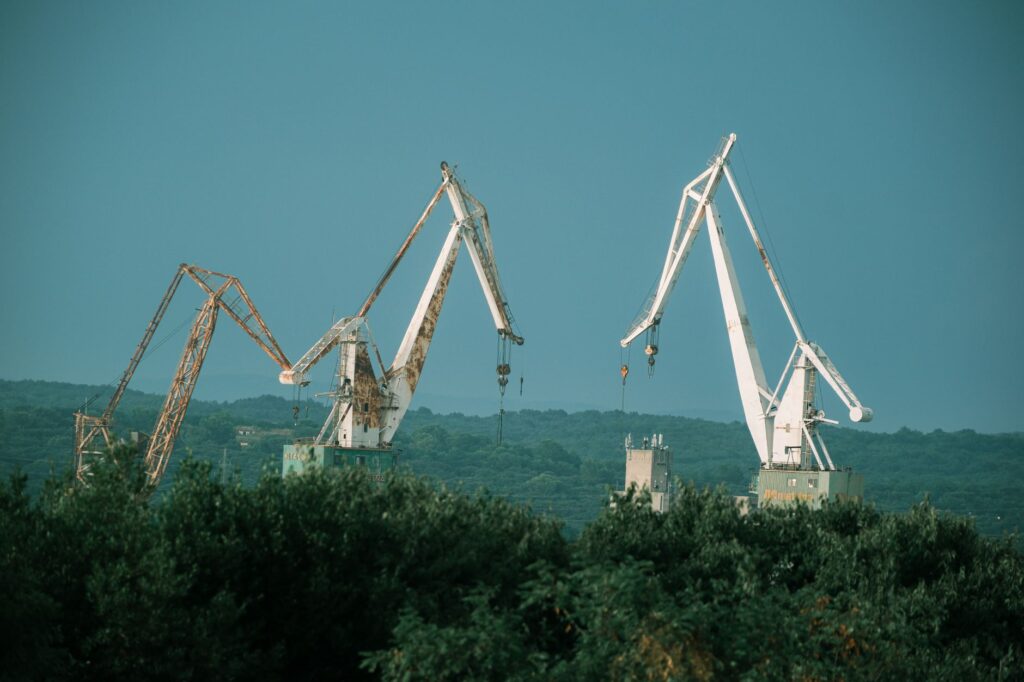
The history of Pula cannot be understood without its status as a strategic port, a vocation that reached its peak during the Austro-Hungarian period when the city functioned as the empire’s main naval base. Shipyards, former arsenals, and converted military barracks today form a landscape of industrial archaeology that contrasts with classical ruins. This manufacturing and naval legacy adds an additional layer of complexity to the urban identity, reminding us that the sea has always been a source of work and sustenance.
Today, some of these spaces with an industrial vocation have been reclaimed for citizen and cultural use, transforming cargo piers into promenades where the symbiotic relationship between the city and water is celebrated. The large timbers of the docks and rusted metal structures converse with traditional fishing boats that continue to set out before dawn. The preservation of this working-class memory is essential to understanding the socioeconomic evolution of the Istrian Peninsula over the past two centuries.
Green Corners and Environmental Sustainability
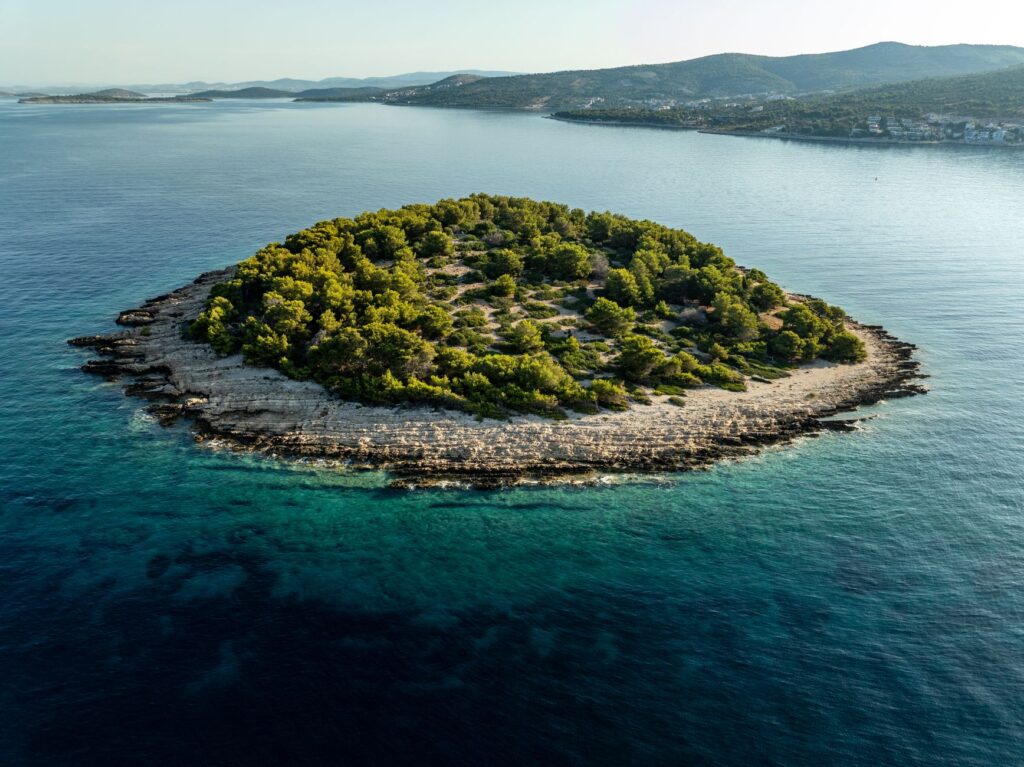
Just minutes from the historic center, the Verudela Peninsula and the forest parks bordering the coast offer a natural respite characterized by native Mediterranean vegetation. These protected spaces allow visitors to observe local flora and fauna in their natural habitat, integrating environmental conservation with responsible tourism. Municipal public space management policies prioritize the protection of coastlines against overcrowding, encouraging pedestrian access and bicycle use.
The balance between urban development and the preservation of coastal ecosystems represents one of the greatest challenges for Adriatic communities. In Pula, awareness of the fragility of the natural environment translates into local initiatives aimed at reducing plastic waste and protecting Posidonia seagrass meadows. Visitors thus encounter a destination that values both its stony heritage and ecological wealth, promoting a stay respectful of the rhythms of the place.
Practical guide
Planning a trip to Pula requires paying attention to a series of practical recommendations to enjoy the destination responsibly and without setbacks:
- How to get there: Pula Airport (PUY) receives seasonal international connections, while overland the city is connected by regular bus services with Zagreb, Rijeka, and Trieste.
- Urban transport: The historic center is entirely pedestrianized and can be easily explored on foot. To travel to the beaches of Verudela or the surroundings, the urban bus network operates efficiently throughout the year.
- Best time to visit: Spring months (May and June) and early autumn (September and October) offer pleasant temperatures and lower tourist influx, allowing visitors to explore the heritage in tranquility.
- Local gastronomy: It is recommended to try dishes based on fresh seafood, extra virgin Istrian olive oil, and traditional pasta known as fuži, accompanied by local truffles.
- Rules of conduct: Visitors are requested to respect residential areas, avoid excessive noise in historic squares during the night, and use the recycling bins provided on public streets.
Sunset Over the Illuminated Shipyards
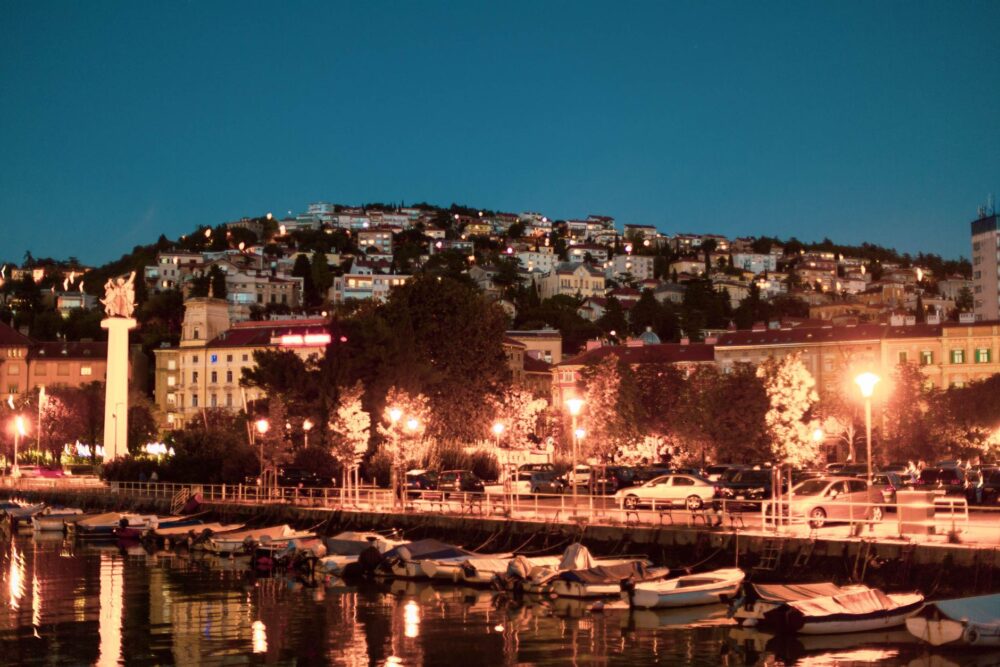
As the sun begins to descend toward the horizon of the Adriatic Sea, the silhouette of Pula’s large industrial cranes, popularly known as the luminous giants, stands out against a sky of orange and violet tones. This mechanical and natural spectacle summarizes the duality of a locality that does not disown its working-class past or its monumental vocation. At the docks, fishermen haul in their nets while the last rays illuminate the ancient walls, creating an atmosphere of serene continuity.
The experience of walking along the coast at this time of day invites reflection on the evolution of historic cities that manage to stay alive beyond tourist postcards. Pula thus reveals itself not as a static destination, but as a shared home where every stone holds the echo of those who inhabit it, inviting the traveler to contemplate the landscape with the attention and respect deserved by a territory deeply rooted in its own history.