
An Urban Landscape in Transition Within the Heart of Goicoechea
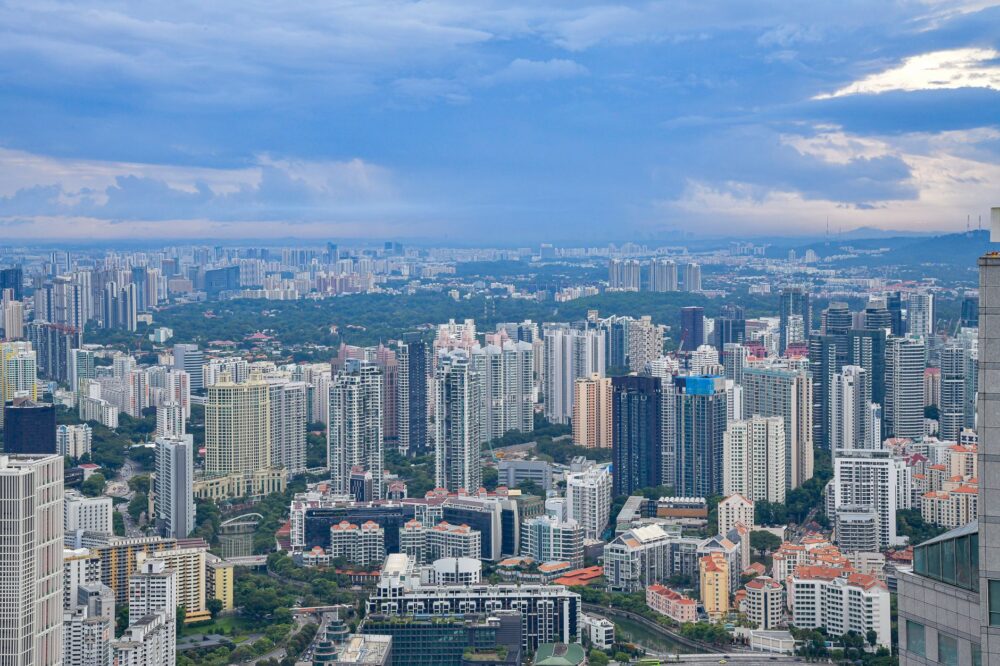
Located in the canton of Goicoechea, within the province of San Jose, the district of Calle Blancos represents one of those urban scales where the recent history of Costa Rica can be read at street level. At an elevation hovering around 1,175 meters above sea level, this territory maintains a steady height that softens the climate of the central plateau. Far from mass tourist circuits, the locality unfolds as a mosaic of residential neighborhoods, small mechanical workshops, traditional shops, and thoroughfares connecting the northern capital with the rest of the valley. Daily life here flows to the rhythm of morning routines, when residents roll up the metal shutters of their local convenience stores and pedestrians walk toward bus stops beneath a clear morning sky.
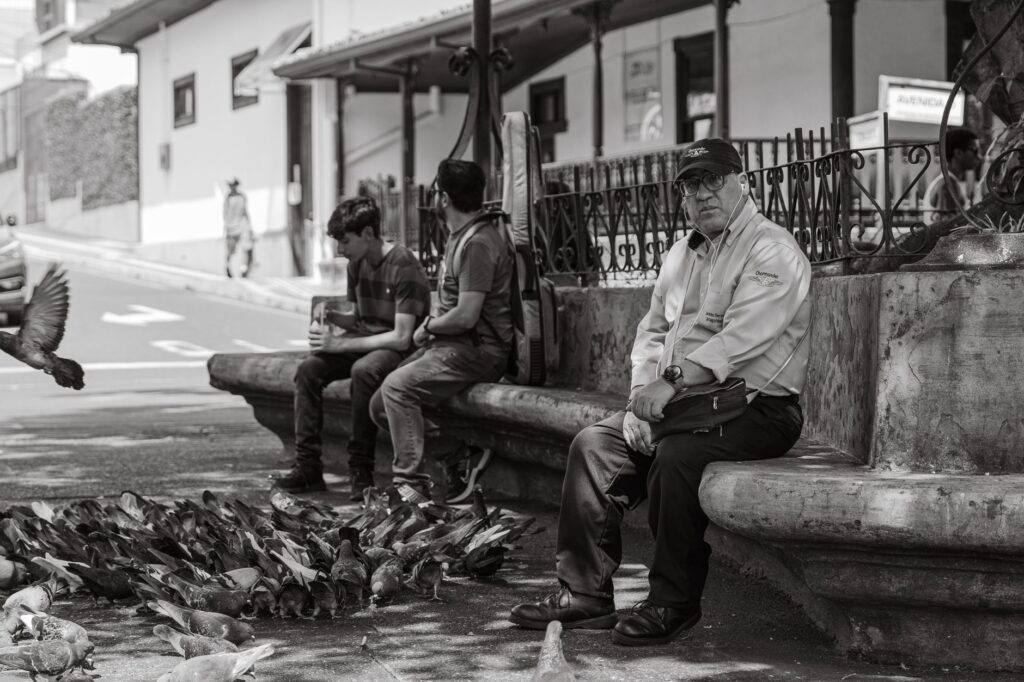
The district’s layout reveals an organic evolution, where demographic growth has transformed former coffee farms into areas of high residential and commercial density. Nevertheless, the street corners retain a human scale where neighbors greet each other by name and conversations flow freely on the sidewalks. The presence of local institutions, educational centers, and small parks defines an environment where community identity remains the primary driver of daily coexistence. Here, the pulse of time is not measured by grand historical monuments, but by the constancy of everyday labor and the shared memory of its inhabitants.
The Memory of Labor and the Industrial Fabric
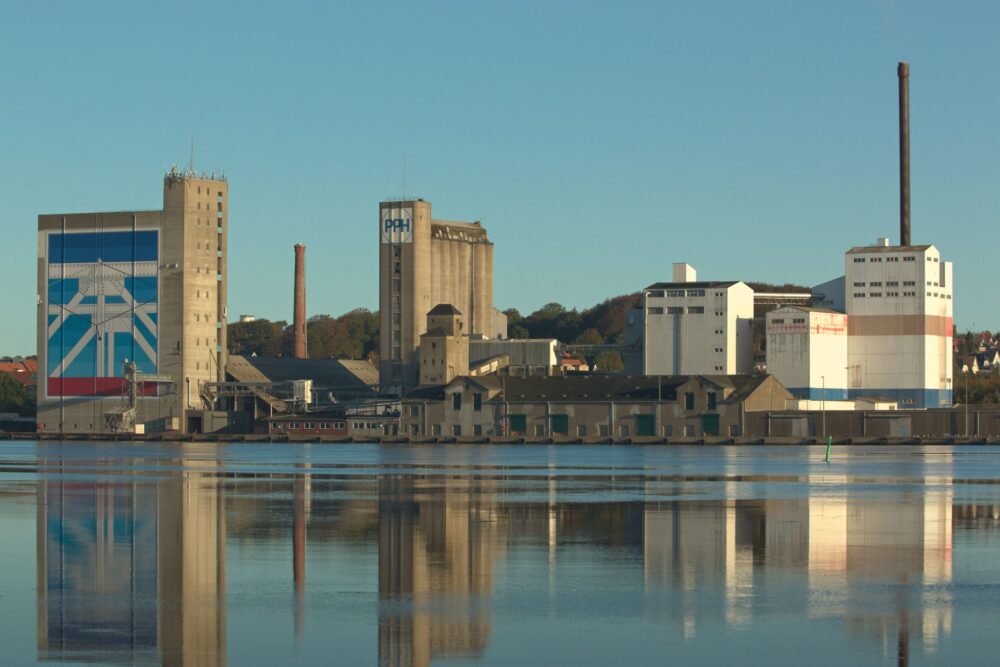
The identity of Calle Blancos is deeply tied to its industrious character. Since the mid-20th century, this area of the Goicoechea canton experienced gradual industrial development that attracted families from various regions of the country in search of opportunities. Small factories, storage warehouses, and carpentry and metalwork shops set up among the homes, creating a unique coexistence between domestic life and productive activity. This manufacturing profile molded a culture of effort that still permeates the character of its streets and defines the pride of its long-standing residents.
Walking through its secondary streets reveals small family businesses passed down from generation to generation. Artisanal bakeries where the aroma of baked bread blends with the afternoon air, traditional shoe repair shops, and neighborhood hardware stores make up a self-sufficient economic ecosystem. Although metropolitan modernization has brought shopping centers and distribution chains, small commerce maintains its relevance thanks to the loyalty of local clientele. This economic resilience acts simultaneously as an act of cultural preservation, protecting the social fabric against urban uniformity.
Residential Architecture and Domesticity in the Valley
The architecture of Calle Blancos reflects the transformation of Costa Rican housing over recent decades. Single and two-story masonry houses predominate, featuring open entryways, decorated metal grilles, and small front gardens that bring greenery to the concrete landscape. Many of these constructions date back to the era when the district began to populate massively, combining functional elements with ornamental details characteristic of the urban working class of the Central Valley.
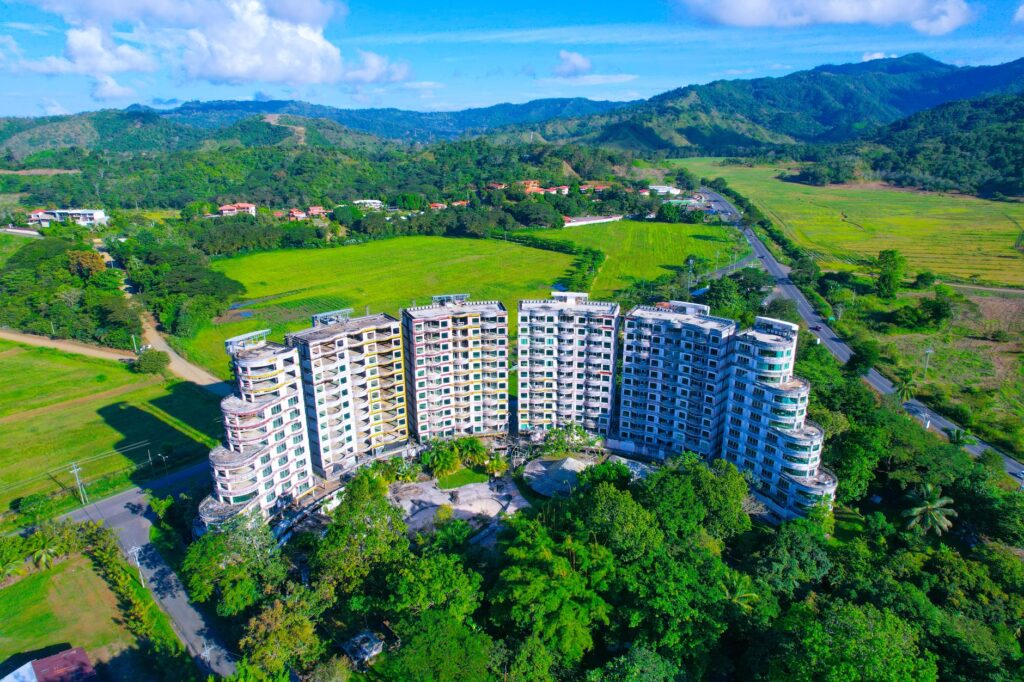
As the urban sprawl has expanded, the real estate typology has incorporated apartment complexes and gated residential areas, generating an interesting visual contrast between the traditional neighborhood home and the new housing density. Yet, the neighborhood spirit persists in the entryways and tree-lined sidewalks where residents pause to converse as evening falls. The relationship between private and public space resolves harmoniously, allowing the street to remain a place of encounter, children’s play, and neighborly life.
Spaces of Encounter and Community Life
Social life in Calle Blancos revolves around its sports fields, children’s parks, and local temples, which serve as neuralgic points where different generations converge. During weekends, the soccer fields become the improvised stage for neighborhood tournaments that bring entire families together, strengthening ties of proximity. Around these spaces, street vendors offer traditional shaved ice and local treats, completing a characteristic snapshot of Costa Rican urban life.
Likewise, community development associations play a fundamental role in organizing cultural activities and neighborhood improvements. These citizen initiatives foster a sense of belonging and allow environmental needs to be addressed collaboratively. The active participation of residents in local management demonstrates that, despite being part of an ever-expanding metropolis, Calle Blancos retains the soul of a town where everyone recognizes and looks out for one another.

Everyday Flavors: The Market and the Local Table
The gastronomy present in Calle Blancos is a faithful reflection of the traditional Costa Rican diet, enriched by the supply of fresh produce arriving daily from nearby agricultural zones. In local diners and family-run eateries, the daily menu centers around morning rice and beans accompanied by sour cream, sweet plantain, and selected-grain coffee. At noon, the casado—an emblematic dish composed of rice, beans, meat, vegetable hash, and tortillas—gathers workers and students around wooden tables where conversation is just as important as the meal.
Neighborhood grocery shops, true centers of socialization, offer everything from seasonal fruits to traditional sweets, keeping alive a model of close and human provisioning. In these establishments, commercial transactions are accompanied by exchanges of local news and cordial greetings. Food in this corner of Goicoechea does not seek high international cuisine, but rather the comfort of homemade cooking, the authentic taste of local ingredients, and the warmth of family service.
The value of a district does not reside in its stone monuments, but in the shared memory of those who work and walk its streets every morning.
Mobility and the Daily Pulse of the Streets
Getting around Calle Blancos responds to the dynamics inherent to a sector densely connected to the capital’s core. Urban bus routes consistently link the district with downtown San Jose and neighboring cantons, transporting thousands of workers and students during peak hours. This constant flow gives the main streets an accelerated rhythm during the early hours of the day and at dusk, contrasting with the calm found in residential passages during central hours.
For visitors who prefer exploring on foot, the district offers the opportunity to observe the coexistence of vehicular traffic and pedestrians. The sidewalks, though irregular in some sections due to undulating topography, invite travelers to discover architectural and commercial details that go unnoticed from a vehicle. Unhurried walking reveals the true human dimension of the place, where every corner holds a small story of effort and daily life.
Urban Sustainability and Responsible Visitor Choices
In recent years, local management and citizen initiatives in Calle Blancos have focused on the need to promote more sustainable practices in the urban environment. Selective waste collection, the creation of new green spaces, and awareness regarding efficient water and energy use are priority topics on the community agenda. For the responsible traveler, this implies adopting a respectful attitude toward the environment, minimizing environmental impact, and directly supporting the local economy by shopping at neighborhood businesses.
Proximity and conscious tourism in metropolitan districts of this kind invite travelers to value authenticity above ostentatious consumption. Respecting neighborhood coexistence rules, using public transport, purchasing products in local markets, and maintaining a respectful dialogue with residents are essential actions. In this way, visitors integrate harmoniously into the human landscape, contributing to the preservation of a local identity that survives and reinvents itself daily.
Practical guide
How to get there: Calle Blancos is integrated into the canton of Goicoechea, northeast of San Jose. From the city center, it is easily accessible by urban bus or via taxi and private transport services in a journey of approximately fifteen minutes, depending on traffic.
When to go: The climate in this zone of the central plateau is pleasant year-round. The dry season, running from December to April, offers clear mornings ideal for walking, while the rainy season (from May to November) features afternoon showers that freshen the atmosphere.
Where to eat: Traditional diners and eateries located near the central park and main thoroughfares offer homemade menus at accessible prices. Trying the traditional casado and local coffee is highly recommended.

Accommodation: Although the district is eminently residential and commercial, its proximity to downtown San Jose allows travelers to stay in capital boutique hotels or guesthouses and commute easily.
Traveler recommendations: Comfortable footwear is advised due to variations in sidewalk levels, carrying cash for minor purchases in local grocery shops, and maintaining a respectful attitude toward residents’ schedules and tranquility.
The Reflection of a Living Community
At the end of the journey, Calle Blancos leaves the impression of being a territory where authenticity remains outside conventional tourist circuits. There are no grand monumental postcards or artificial attractions here, but rather the sober beauty of a community that works, coexists, and evolves with dignity. The kindness of its people, the persistence of its small businesses, and the unhurried rhythm of its afternoons shape an intimate and revealing travel experience. Bidding farewell to its streets, the traveler understands that a destination’s true value lies in its capacity to display human life in its most genuine and everyday state.