
Terrain and Landscape at the Desert Gateways
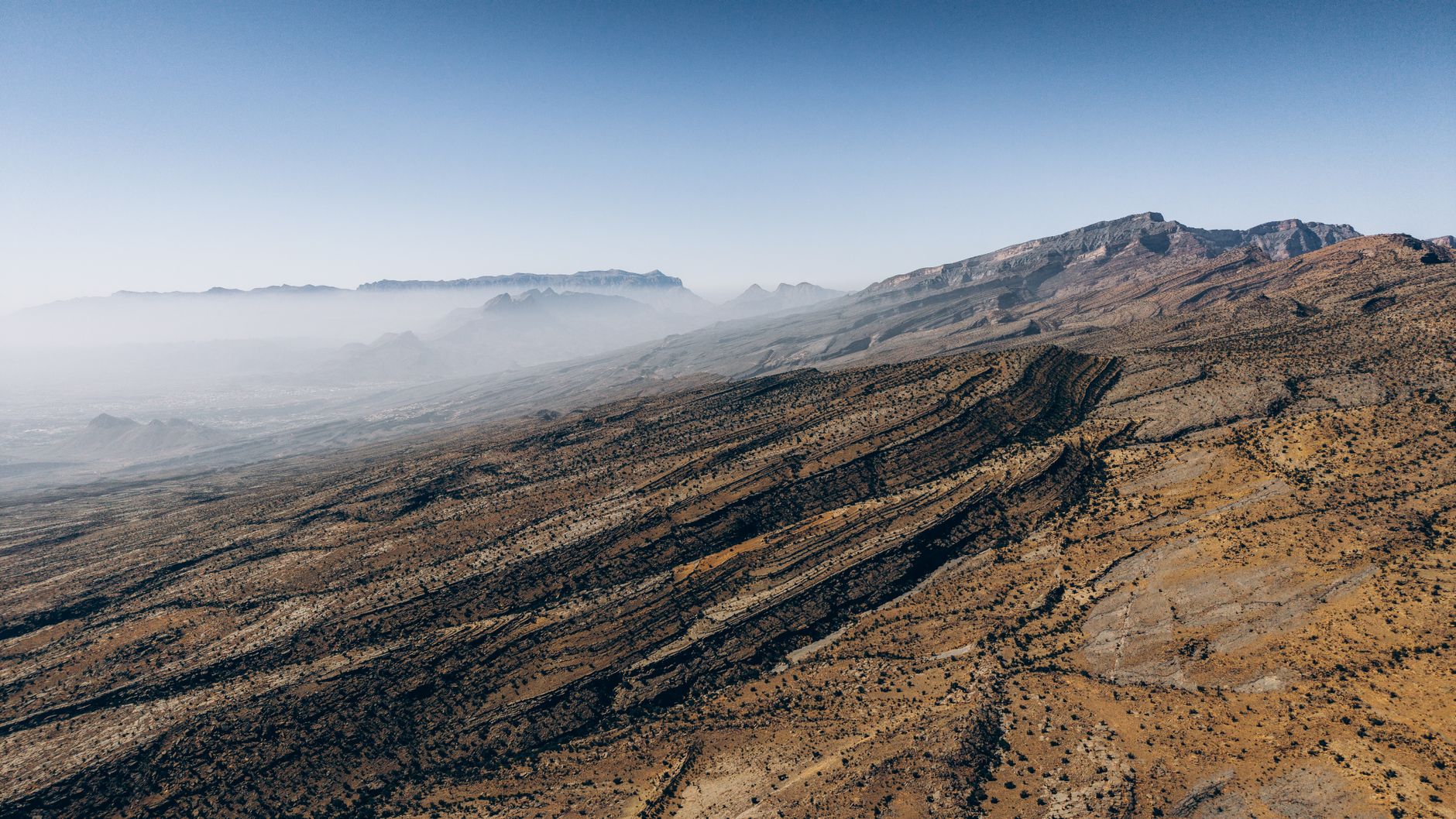
The geography of Ibrā’, located in the Eastern Governorate of Oman, unfolds as a vast mosaic where mountain foothills converge with the vastness of the sands. This Omani enclave, at an average altitude of around four hundred meters above sea level, offers a unique environment for hiking and exploration on foot. Far from overcrowded routes, the trails surrounding the municipality invite visitors to understand a landscape marked by ancient erosion, dry riverbeds, and traditional falaj systems that have sustained agricultural life for centuries. Planning a walk in this region requires a deep understanding of the physical environment, where aridity and high seasonal temperatures impose a slow, respectful pace regarding available resources.
The architectural and cultural heritage of the area adds a fascinating historical dimension to any hiking itinerary. Adobe watchtowers, restored fortresses, and traditional neighborhoods such as Al Minzafah or Al Aqur stand as landmarks that converse with the surrounding nature. Preparing a route in Ibrā’ is not limited to physical effort; it requires immersing oneself in the understanding of a community that has successfully coexisted with water scarcity and harsh climate through exemplary community organization. Each trail connects vestiges of a commercial and agricultural past that deserve to be traversed with the utmost discretion and environmental awareness.
Physical Conditioning and Climate Preparation
Tackling the trails of Ibrā’ requires a realistic assessment of physical condition and rigorous acclimatization to the meteorological conditions of Oman’s interior. Daytime temperatures can rise drastically, especially between the spring and autumn months, making hydration management a critical factor for survival and comfort. Hikers must train cardiovascular endurance and muscular strength on uneven terrain, carrying the necessary weight of water and equipment before venturing beyond urban limits. Fatigue accumulated from dry heat manifests subtly, making it essential to recognize early symptoms of dehydration to prevent serious incidents in remote areas.
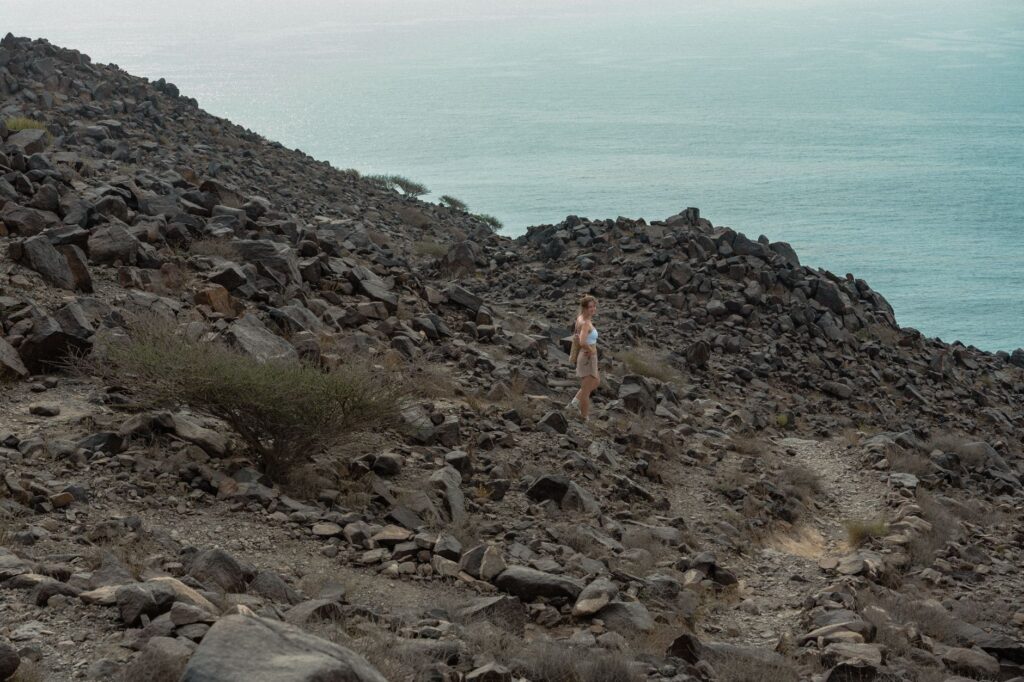
Personal gear must be selected with technical rigor, prioritizing lightweight, long-sleeved garments and breathable fabrics that protect against direct solar radiation without compromising body perspiration. UV-protection sunglasses, a wide-brimmed hat, and the constant use of broad-spectrum sunscreen are non-negotiable items in the backpack. Likewise, footwear must offer firm ankle support and a sole adapted to rocky and sandy surfaces, minimizing the risk of sprains on sections where terrain loses stability due to fine sand or loose stones.
Seasonal Climate and Safe Time Windows
Understanding the region’s annual thermal cycle is the cornerstone for designing a safe and enjoyable route plan. During the winter months, spanning from November to February, daytime temperatures moderate considerably, offering the best time windows for medium and long-distance hiking. Despite this, nights in the desert and plateau areas can experience noticeable temperature drops, requiring a light insulating layer in the pack. The summer season, conversely, completely discourages pedestrian activity during midday hours due to extreme heat that easily exceeds recommended safety thresholds.
Daily planning must be strictly governed by sunrise and sunset hours. Starting hikes at dawn allows visitors to take advantage of the day’s coolest temperatures and complete main sections before solar radiation reaches maximum intensity. It is essential to calculate travel times with a generous safety margin, avoiding any situation that forces walking under the midday sun. Local weather forecasts must be constantly monitored, paying special attention to potential strong winds kicking up dust or sporadic storms in surrounding mountainous areas, which can unpredictably alter trail conditions.
Access Logistics and Mobility in the Region
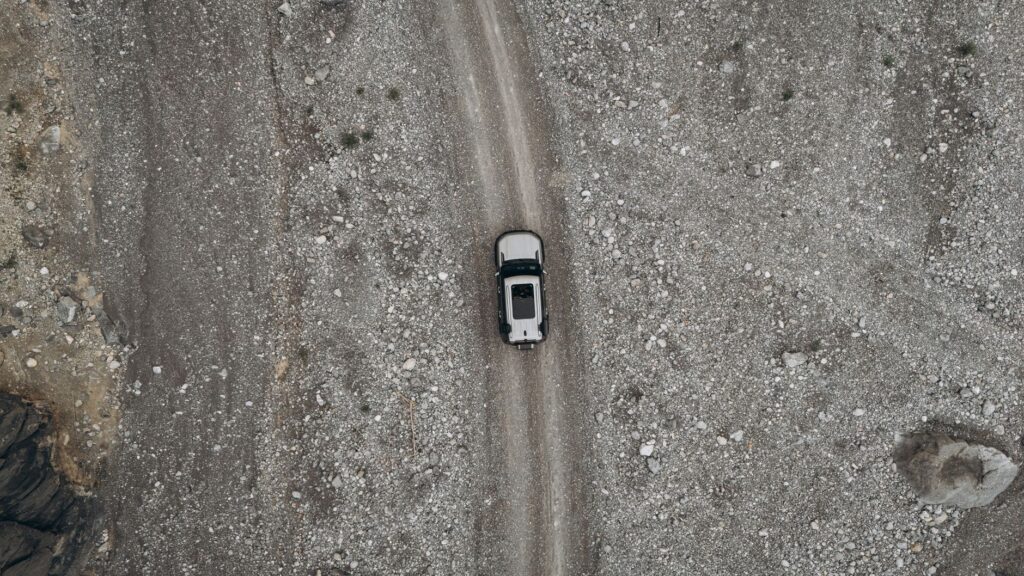
Arriving in Ibrā’ and moving toward trailheads demands methodical logistical coordination. The municipality is connected to the Omani capital via paved roads allowing smooth transit, but access to peripheral trails or wadi beds often requires four-wheel-drive vehicles or an additional approach walk from authorized parking spots. It is advisable to check the mechanical condition of transportation means before leaving main routes, as mobile phone coverage can become intermittent or nonexistent as one ventures deeper into isolated geographical areas.
Logistical self-sufficiency is a guiding principle for any expedition in this territory. There are no drinking water sources or supply points along most natural trails, meaning every hiker must carry all necessary water and provisions for the estimated route duration, always adding an emergency reserve. Having detailed offline maps, a satellite navigation device, and a traditional compass ensures orientation in a landscape where visual reference points can appear homogeneous and confusing for visitors unfamiliar with local topography.
Safety, Protocols, and Emergency Management
Safety in Ibrā’s natural environment rests on rigorous prevention and absolute respect for personal and environmental limits. Before embarking on any itinerary, it is imperative to inform family members, lodging providers, or local authorities about the chosen route and expected return time. In the event of physical setback, injury, or equipment failure, staying in a visible location while conserving available energy and water is the wisest course of action while awaiting rescue services or fellow trail users.
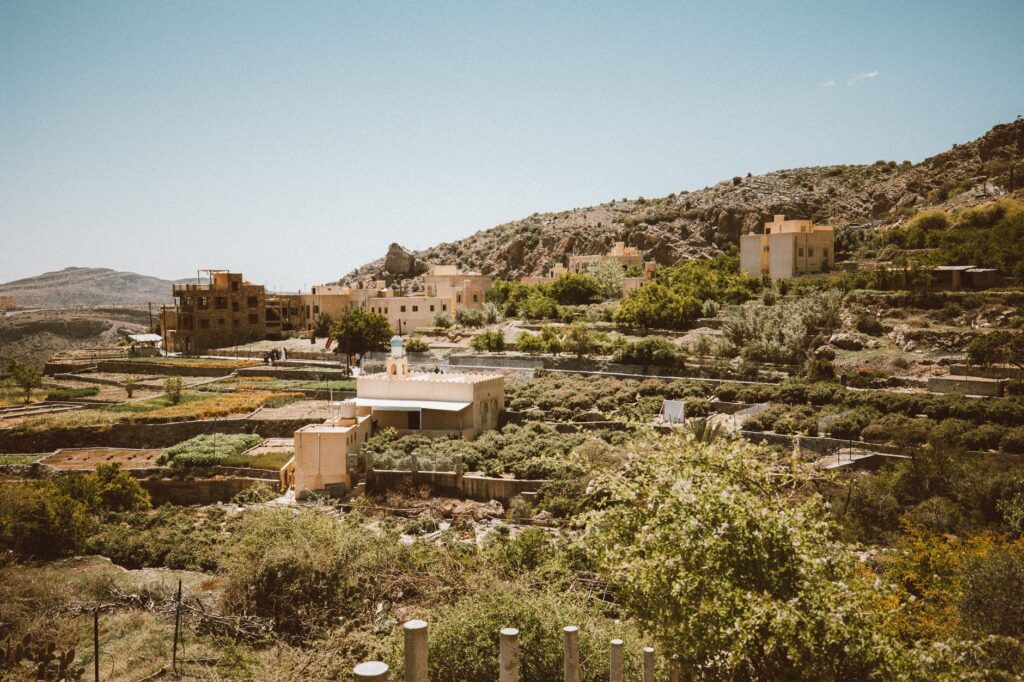
Understanding the local biological environment also forms part of integral safety. Although dangerous wildlife rarely crosses hikers’ paths, it is prudent to shake out footwear and clothing before putting them on, avoid placing hands into rocky crevices or cavities, and maintain attention on the terrain to prevent stumbles or stings from native insects and arachnids. Prudence when walking on exposed rocks or skirting wadi banks prevents most accidents associated with unstable sandy and clay soils.
True desert adventure does not lie in rashly defying its elements, but in understanding its ancient silence and advancing with the humility of one who knows they are a temporary guest in a sovereign territory.
Minimum Impact and Natural Heritage Conservation
Transit through the fragile ecosystems surrounding Ibrā’ imposes an inescapable ethical responsibility: leaving the trail in the exact condition in which it was found. The proliferation of plastic waste and the alteration of geological or historical formations represent a direct threat to the landscape’s integrity. All waste generated during the excursion, no matter how small, must be carried back in the backpack for proper urban disposal. Damaging ancient falaj irrigation structures, carving inscriptions into rocks, or disturbing native vegetation adapted to water scarcity is strictly prohibited.
Respecting local communities and their traditions constitutes another backbone of sustainable hiking in the region. Dressing modestly, asking permission before photographing individuals or private property, and avoiding unnecessary noise preserve the tranquility and harmony of the rural environment. Interaction with residents must be based on courtesy and the appreciation of a lifestyle rooted in traditional Omani hospitality, ensuring that the presence of foreign visitors contributes to an enriching and friction-free cultural exchange.
Practical guide
Location: Ibrā’, Eastern Governorate, Oman.
Average altitude: Approximately 446 meters above sea level.
Getting there: Access via paved highway from Muscat using private or rental vehicles, with a four-wheel-drive recommendation for exploring wadi areas and peripheral dirt tracks.
Best time of year: Winter months (November to February), when daytime temperatures are moderate and suitable for hiking.
Recommended gear: Lightweight, breathable long-sleeved clothing, mountain footwear with high-traction soles, UV-protection sunglasses, hat, sunscreen, offline maps, and an abundant water reserve.
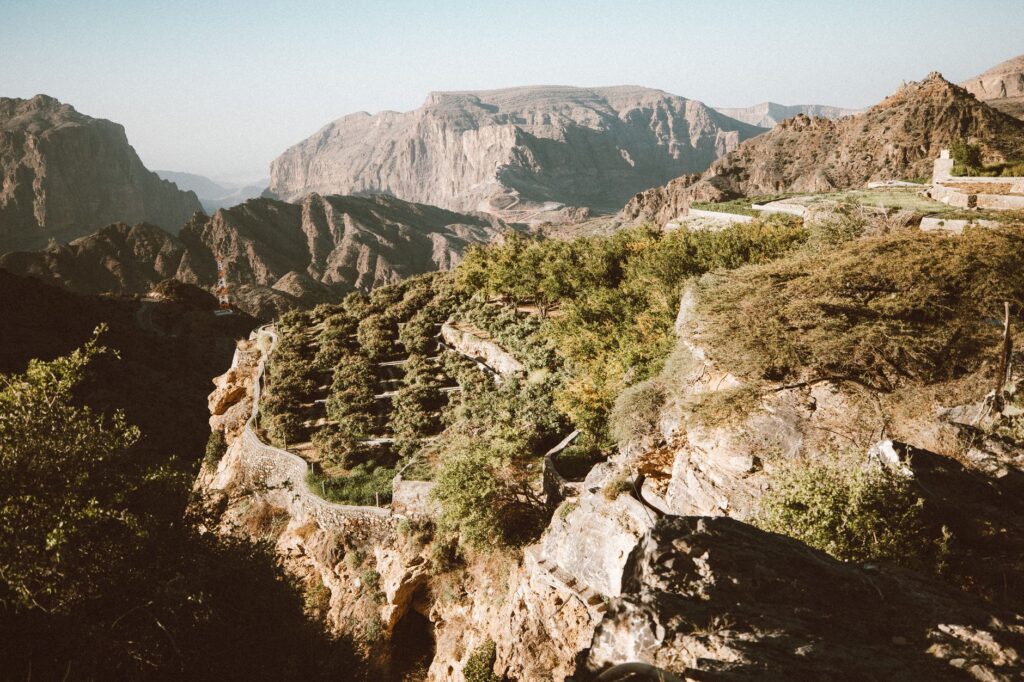
Safety rules: Inform others of the planned route, avoid midday hours in summer, ensure water self-sufficiency, and carry reliable navigation devices.
Conservation: Strictly apply leave-no-trace principles, respect traditional falaj water systems, and maintain a respectful attitude toward local culture.
The most valuable footprint a walker can leave behind is the respectful silence of their passing and the firm commitment to preserving the landscape intact for future generations.