
Geological Origins and Relief in the Lands of Sarthe
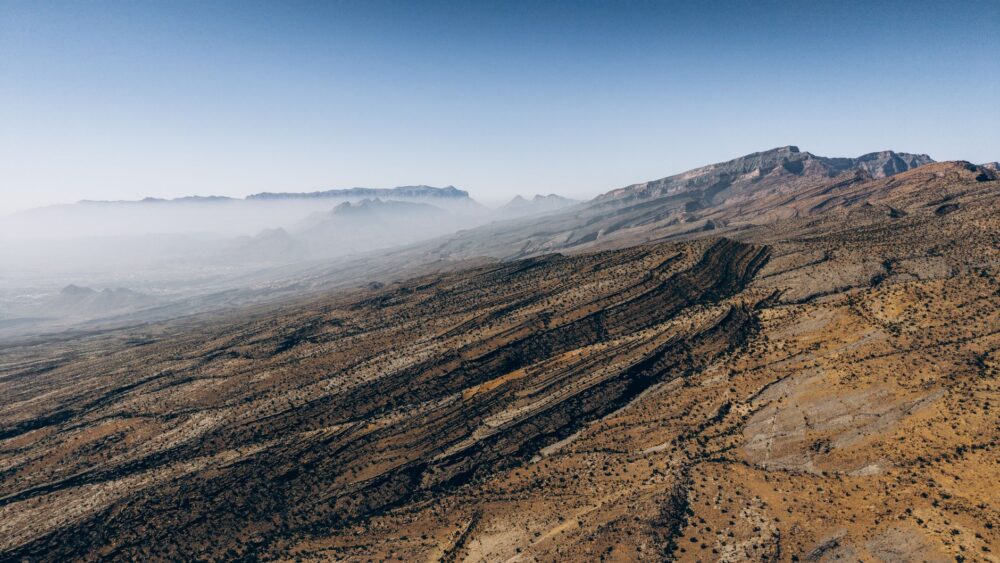
The geology of Le Mans, located in the Sarthe department of France, is defined by a sedimentary platform gradually carved by fluvial action. The Sarthe River and its tributaries have sculpted over millennia a relief characterized by gentle slopes, alluvial terraces, and limestone outcrops overlooking the valleys. This terrain configuration not only shapes the visual landscape but also dictates the hydrological behavior of the entire region.
Local elevations, although modest compared to major mountain ranges, present formations of high geomorphological interest. Limestone strata and clay and sand deposits accumulated since secondary and tertiary periods form a mosaic of soils where natural drainage varies notably between higher grounds and river floodplains. This permeable substrate allows rainwater infiltration toward underground aquifers that feed local springs of great ecological importance.
The study of these formations reveals a history of marine sedimentation and subsequent emergence, a process leaving a recognizable footprint on terrain profiles. Regional geology experts highlight how terrain elevation changes facilitate the creation of local microclimates, where sun exposure and protection against prevailing winds generate favorable conditions for vegetation adapted to well-drained soils.
Highland Ecosystems and Biodiversity in Local Reliefs
On higher grounds and slopes bordering the valleys of Le Mans, a plant cover develops, adapted to thermal oscillations and seasonal scarcity of surface moisture. Here, mixed broadleaved forests, dominated by oaks and beeches, intertwine with historically introduced conifer stands, creating complex habitats for native fauna.
The fauna inhabiting these ecosystems shows notable resilience against surrounding human pressure. Birds of prey such as the common buzzard utilize thermal currents generated over terrain elevations to soar above fields in search of small mammals, while in the undergrowth various amphibian and reptile species find shelter in leaf litter and seasonal wetlands.
Ecological corridors connecting wooded areas with the Sarthe River banks play a fundamental role in preserving biodiversity. These natural pathways allow safe fauna movement between different habitat patches, facilitating genetic exchange and the recolonization of degraded areas following environmental disturbance episodes.
Fluvial Dynamics and Surrounding Wetlands
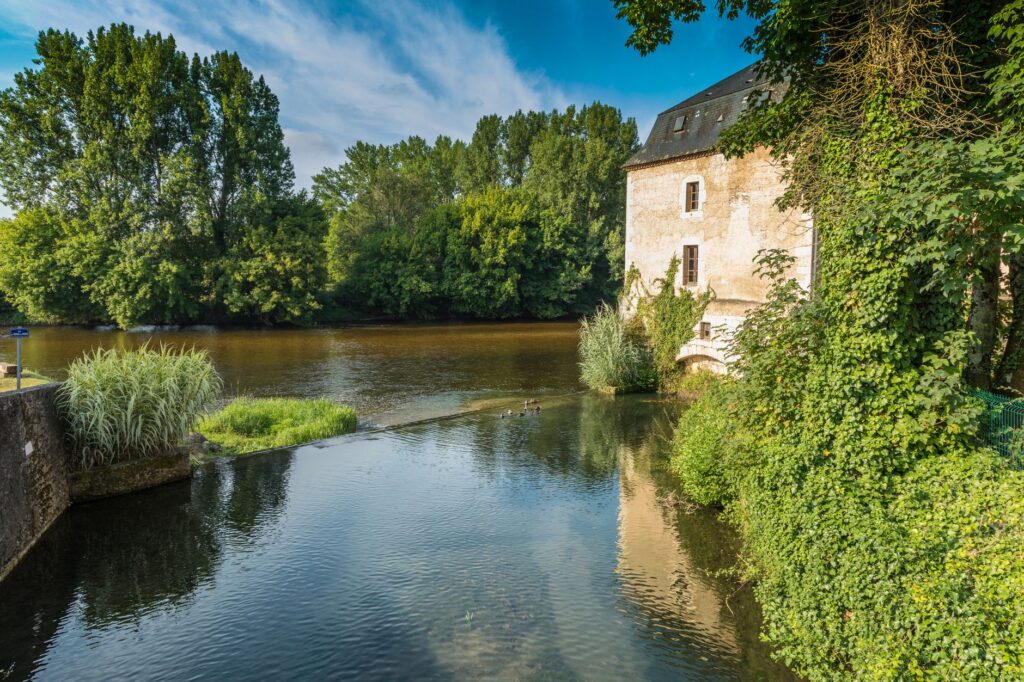
Water is the structuring element of the landscape in Le Mans. The Sarthe River, the area’s main hydrological axis, defines a system of floodplains and peripheral wetlands acting as natural sponges, regulating river flows during flood periods and releasing moisture during drier summer epochs.
These wetlands host a rich community of hydrophytic plants and serve as resting and feeding areas for numerous migratory birds traveling along the European Atlantic corridor. The interaction between flowing waters and clayey riverbanks favors the proliferation of reed beds and willow groves, which in turn act as natural filters capable of retaining sediments and nutrients from agricultural runoff.
The conservation of these aquatic habitats requires constant monitoring of water quality and maintenance of ecological flows. Local authorities and various environmental associations collaborate in monitoring programs aimed at eutrophication prevention and protecting native fish species against competition from invasive alien species.
Safety and Best Practices on Regional Trails
Exploring the trails and natural reliefs of Le Mans requires adopting environment-respectful behavior and awareness of physical terrain limitations. Although elevations do not entail high-mountain technical complexity, trekking routes and rural paths can become slippery during winter months due to frequent rainfall and mud accumulation on clayey slopes.
It is essential for visitors to stay strictly on marked trails to prevent slope erosion and fragmentation of sensitive habitats. Transit outside established routes accelerates soil degradation and harms pioneer vegetation fulfilling a vital role in consolidating steeper slopes.
Likewise, wildlife observation must be conducted from a prudent distance without employing call-emitting devices or baits altering natural animal behavior. Responsible use of the natural public space ensures that both residents and visitors can continue enjoying this ecological heritage without compromising its long-term integrity.
Key Seasons for Nature Observation
The ecological calendar of Le Mans is marked by pronounced seasonal transitions radically transforming the landscape and naturalistic observation opportunities. Spring presents itself as the period of maximum biological activity, with undergrowth plant species blooming and peak reproduction of local birdlife.
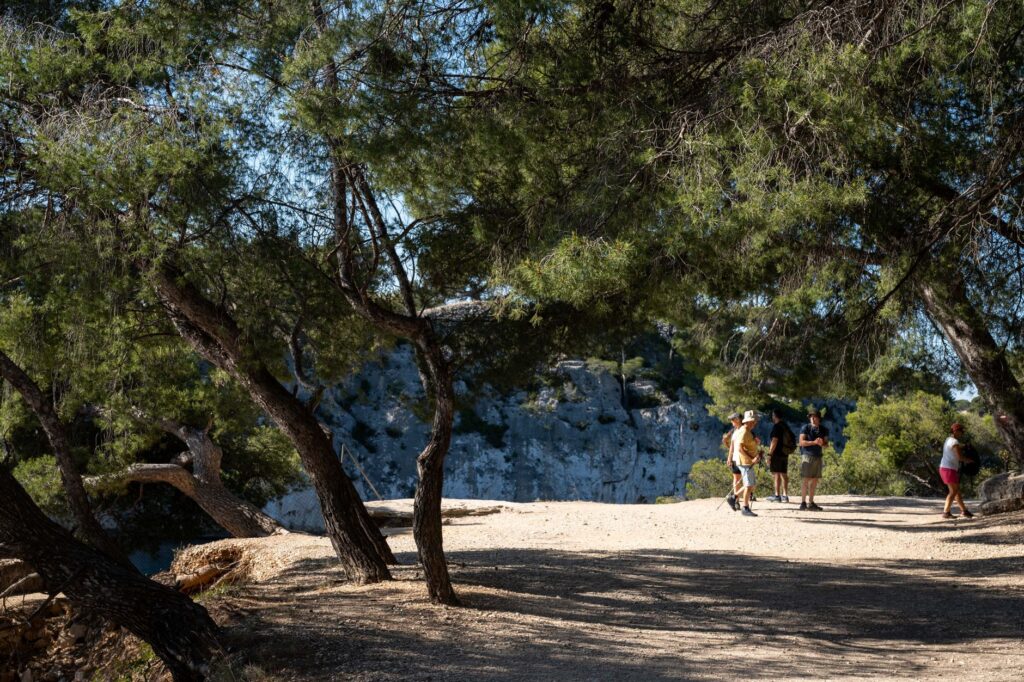
During summer months, warmer temperatures and reduced precipitation force fauna to concentrate near watercourses and shaded forest areas. This is a favorable season for studying pollinating insects and contemplating drought-adapted steppe vegetation colonizing poorer soils exposed to sunlight.
Autumn, meanwhile, offers a singular chromatic spectacle as oak and beech forests adopt ochre and golden hues. This season coincides with the migration of numerous bird species and the fruiting period of fungi and wild berries, essential elements sustaining fauna before winter arrival.
Historical Heritage and Its Integration into the Landscape
The relationship between human activity and the natural environment in Le Mans has deep roots extending from Gallo-Roman times to the present. The historic city center, known as Cité Plantagenêt, stands strategically on a hill dominating the Sarthe River, taking advantage of defensive and visual control benefits offered by local relief.
This historic settlement has evolved in close dependence on surrounding natural resources. Historical limestone quarries, now inactive, served to erect walls and monumental buildings characterizing urban architecture, integrating local geological materials into the territory’s cultural identity.
Today, architectural heritage management and protection of the surrounding natural environment are understood as two sides of the same coin. Spatial planning plans seek to preserve green belts surrounding the urban core, ensuring city growth does not isolate local ecosystems or interrupt river ecological corridor continuity.
Conservation Efforts and Environmental Management
Faced with challenges arising from climate change and urban pressure, local administration and citizen groups have intensified environmental restoration and protection initiatives throughout the Sarthe territory. Current projects focus on reforesting degraded areas with native species, better suited to withstand thermal and hydrological variations projected for coming decades.
Environmental education plays a central role in these conservation strategies. Through informative panels and interpretive trails enabled in peripheral natural areas, citizen awareness is fostered regarding local ecosystem fragility and the importance of adopting sustainable habits in daily life.
The preservation of Le Mans’ natural spaces does not depend solely on restrictive regulations, but on the collective understanding that every human action impacts the balance of rivers and forests sustaining regional life.
Biodiversity indicators show stabilization in populations of several key species, demonstrating the relative efficacy of measures adopted to date. However, experts warn vigilance must remain active to address new threats, such as invasive alien species proliferation and progressive habitat fragmentation by transport infrastructure.
Sustainable Tourism Practices in the Territory
The development of responsible nature tourism in Le Mans relies on promoting low-impact activities, such as hiking, mountain biking on authorized tracks, and botanical and ornithological observation. These practices allow travelers to connect directly with the territory’s ecological and scenic values without generating significant environmental alterations.
Visitors are encouraged to use public transport or the cycling path network to access peripheral natural areas, thereby reducing carbon footprints associated with travel. Likewise, consumption of local products from proximity agriculture and livestock contributes to sustaining the rural economy and maintaining the region’s traditional landscape mosaic.
Rigorous trip planning, considering weather conditions and local access regulations for certain protected areas, is the best tool to guarantee an enriching and environmentally respectful stay.
Practical guide
How to get there: Le Mans features excellent railway connections from Paris via high-speed trains, alongside a main road network facilitating private vehicle access from different regions of France.
When to go: Spring months (April to June) and early autumn (September to October) offer the best climatic and scenic conditions for exploring outdoor natural spaces.

What to bring: Waterproof mountain footwear, layered clothing adequate for sudden weather changes, binoculars for wildlife observation, and updated topographic maps of the region.
Local regulations: Lighting fires in forest areas, camping outside designated spaces, and dumping waste of any kind in river channels or on trails are strictly prohibited.
Tourist office: The central tourist information office provides detailed guides on hiking trails, conservation regulations, and environmental activity schedules throughout the Sarthe department.
Sustainable accommodation: Numerous rural establishments and hotels adhere to European ecological labels guaranteeing efficient energy management practices and waste reduction.
Local mobility: Rental bicycle usage and the interurban bus network facilitate low-impact travel between the urban core of Le Mans and surrounding natural enclaves.