
The Fluvial Memory of Corroios
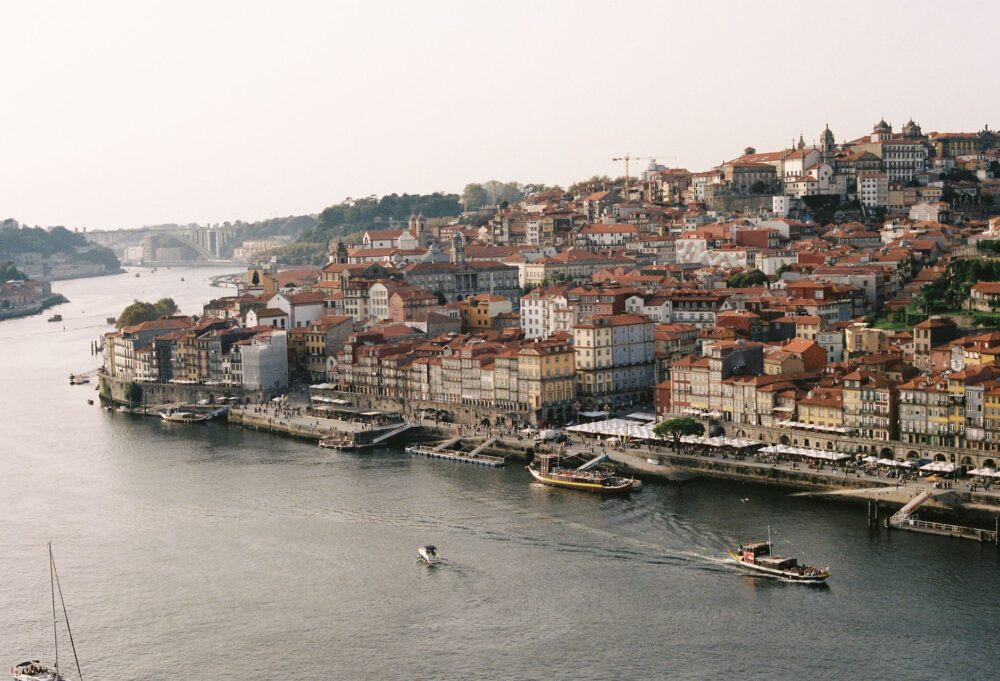
A few short miles from the bustling Portuguese capital, the municipality of Seixal harbors within its third administrative division a corner where brackish water dictates the rhythm of the hours. Corroios unfolds along the margins of the estuary, a territory where solid ground yields to channels and marshes that for centuries nourished both the local economy and neighborhood larders. Walking through its streets means understanding that geography is not an accident, but a recipe prolonged through time.
This Portuguese enclave’s relationship with water is not limited to scenery; it defines how households organize their daily nourishment. From ancient tide mills to modern food markets, subsistence has historically depended on the ability to read the tides. Local fishermen and farmers have passed down through generations practical knowledge regarding which species to seek in the mud and which vegetables to sow in alluvial soils.
In the squares and small plazas of Corroios, the morning routine begins with the arrival of fresh bread and the opening of small stalls where seasonal goods are negotiated. Here there is no room for industrial haste; shopping is a social act, a constant dialogue among neighbors who select the catch of the day with the same care they apply to potatoes harvested in the gardens of the deeper Setúbal region.
The Pulse of the Market and Estuary Produce
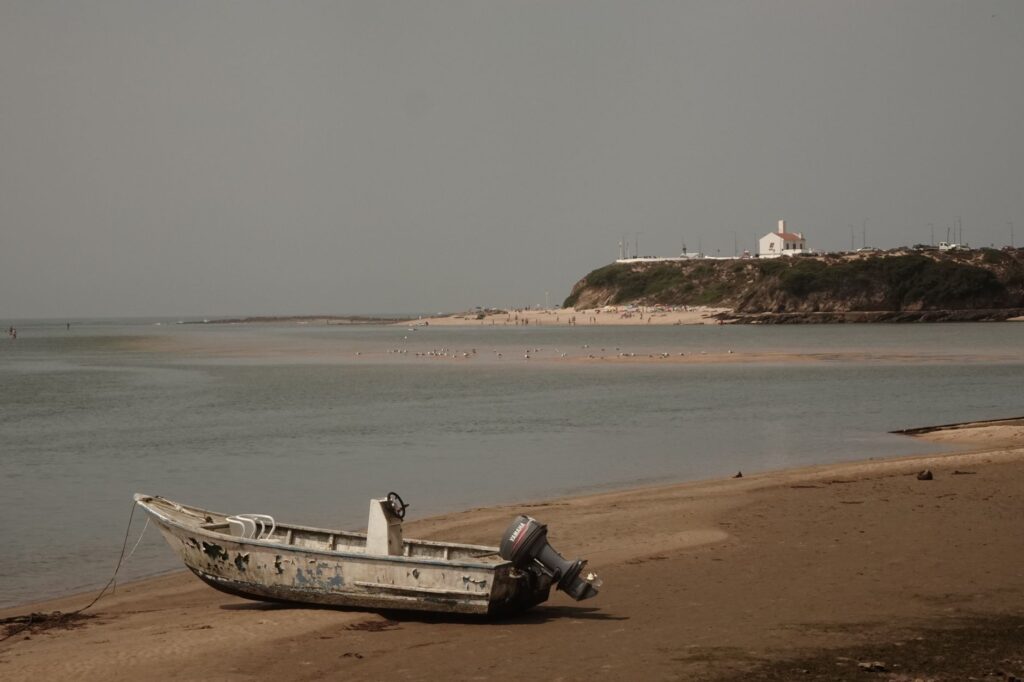
The gastronomic heart of any community resides in its points of exchange. In Corroios, local markets act as the exact thermometer of daily life. Every morning, the counters are covered with the fruits of a maritime tradition adapted to the specific conditions of the Tagus estuary. Cockles, clams, and bottom-dwelling fish that tolerate the blend of fresh and salt water star in household casseroles.
The daily cooking of this corner of Portugal values simplicity above any artifice. Culinary techniques seek to enhance the original flavor of the produce without masking it with complex sauces. A drizzle of extra virgin olive oil, finely chopped garlic, fresh cilantro, and a pinch of sea salt suffice to transform the morning catch into a memorable lunch. This restraint in the kitchen reflects an ethic of resourcefulness where nothing goes to waste.
Respect for seasonality is an unwritten rule that residents follow rigorously. When the water cools with the arrival of winter, dense soups of pulses and vegetables gain prominence on tables, incorporating pieces of pork or local sausages that provide energy and warmth. In warmer months, the diet lightens with octopus salads, charcoal-grilled sardines, and fruit harvested in peri-urban orchards.
The Architectural Heritage of the Tide Mills
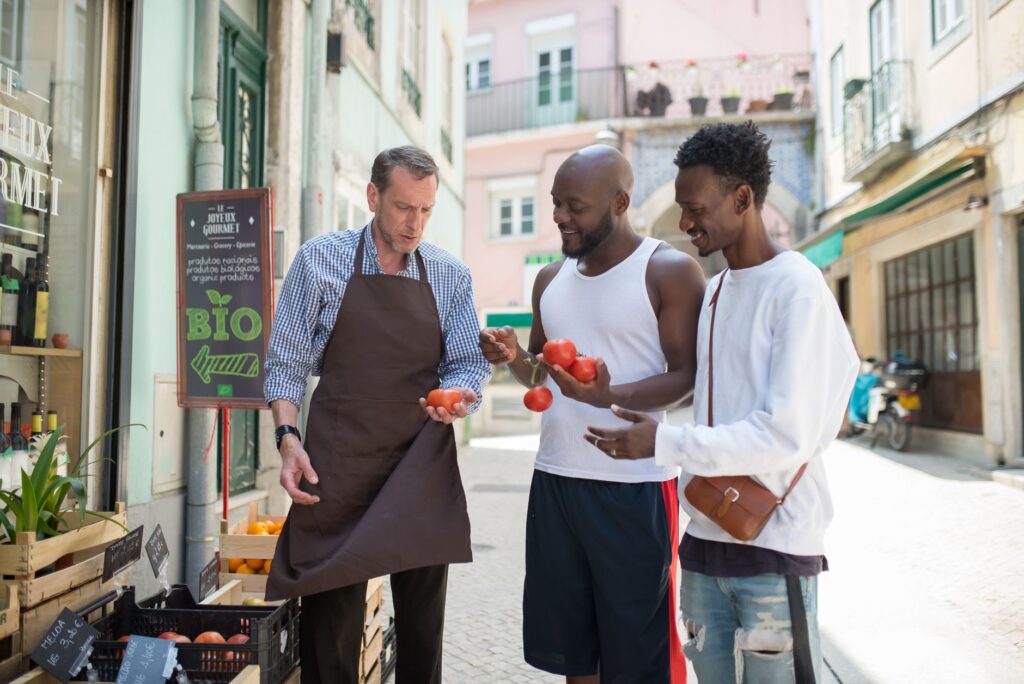
It is impossible to understand the identity of Corroios without looking toward its most emblematic industrial heritage: the tide mill. Built by harnessing the power of water rising and falling with the estuary tides, this historical monument recalls that grain was as vital to the local economy as fishing itself. The milling of wheat and corn transformed grain into fine flour, an indispensable base for bread and traditional sweets.
The former operators of these hydraulic mechanisms lived in tune with the lunar calendar. They knew precisely when to close the sluice gates to retain water and when to release it to turn the heavy millstones. This technical knowledge, preserved today as cultural testimony, demonstrates a balanced coexistence with the natural environment well worthy of the curious traveler’s attention.
The tide not only moves the millstones; it also moves the memory of a people who learned to measure time by the water level.
Today, the stone structures dotting the coast serve as a visual reminder of a hardworking past. Although modern machinery has displaced artisanal hydraulic power, residents continue to visit local bakeries to purchase loaves made with sourdough and baked over wood fires, keeping alive the link between historical grain and the contemporary table.
Daily Life in Neighborhood Squares
Beyond monuments and markets, the soul of Corroios is experienced in its residential neighborhoods and the daily coexistence of its more than fifty thousand inhabitants. Sunday mornings feature an unalterable ritual: families gather on terraces to enjoy a bica—the Portuguese espresso—accompanied by a pastel de nata or toast with artisanal butter.
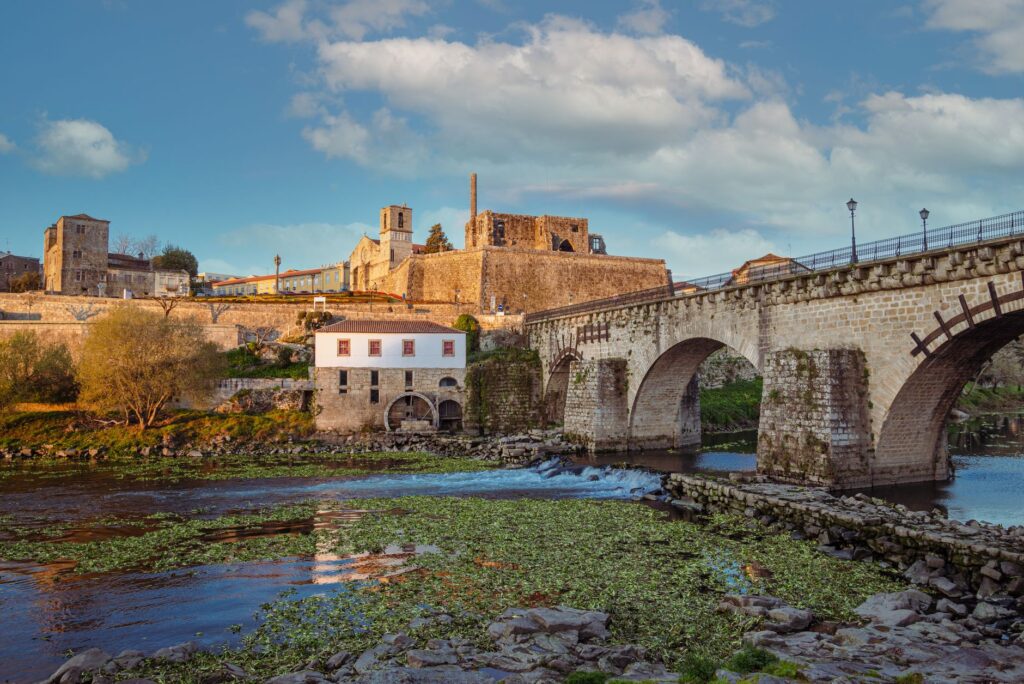
Neighborhood shops, traditional grocery stores that resist the pressure of large supermarkets, continue to serve as centers of neighborhood information. In these small establishments, conversations revolve around the weather, vegetable prices, and local festivities. It is here that visitors can perceive the true texture of community life, far from mass tourism circuits.
Neighborhood associations play a crucial role in preserving traditions. Cultural and recreational clubs organize traditional cooking workshops, choral gatherings, and gastronomic fairs that reclaim nearly forgotten recipes. These initiatives ensure that younger generations do not lose contact with the flavors that defined their grandparents’ childhoods.
Sustainability and Responsible Visitor Choices
Contemporary tourism in Corroios demands a conscious and respectful attitude toward the delicate balance of the estuary. The marshes are not merely a scenic attraction, but fragile ecosystems that shelter migratory birds and rich aquatic biodiversity. Travelers choosing this destination must adopt responsible practices, such as minimizing plastic use, supporting local commerce, and respecting protected areas.
Opting for walking or cycling to explore riverside paths allows visitors not only to reduce their carbon footprint but also to discover architectural details and natural corners that go unnoticed from a car. Likewise, dining in local restaurants that prioritize regionally sourced ingredients directly contributes to the economy of small producers.
Traveling with awareness means understanding that our passage through a territory must leave the lightest possible footprint while enriching the social fabric that welcomes us.
Water management and the protection of fishery resources are topics of constant debate among residents. Fostering an open dialogue between visitors and hosts helps build a sustainable tourism model that values authenticity over rapid consumption.
Recipes and Flavors of the Portuguese Estuary
The home cooking of Corroios draws directly from the riverside pantry and the agricultural tradition of the Setúbal peninsula. Among the most representative dishes are fish stews with potatoes and peppers, where the broth acquires a unique depth thanks to a slow-cooked base of onion and tomato. Aromatic herbs, especially cilantro and mint, bring freshness to broths and seafood soups.
Another culinary pillar is the use of salted cod, prepared in multiple ways depending on the occasion. Although not exclusive to the estuary, the way Corroios households combine it with sautéed onion, olive oil, and matchstick potatoes—the classic bacalhau à brás—demonstrates a culinary mastery based on simplicity and fine produce.
Traditional desserts and sweets complete the dining experience. Olive oil cakes, sponge cakes, and conventual pastry specialties still crafted in nearby convents highlight the historical influence of Portuguese baking on the municipality’s daily life.
Practical guide
How to get there: Corroios boasts excellent rail and river connections from Lisbon. The Fertagus train line connects the capital to Corroios station in minutes, crossing the bridge over the Tagus. Access is also possible via ferry services and metropolitan buses.

When to go: Spring and autumn offer mild temperatures ideal for exploring estuary paths and enjoying open-air markets without crowds. Summer months concentrate local festivities and gastronomic fairs.
Where to eat: The surroundings of the municipal market and the canal margins host small taverns and family-run restaurants serving fresh estuary fish and traditional Portuguese dishes.
Useful tips: Respect local regulations in protected marsh areas, shop in traditional stores to support the local economy, and wear comfortable footwear for walking along riverside promenades.