
There is an exact moment in travel when time ceases to be measured by the ticking of a clock and begins to be measured by the accumulation of aromas, textures, and shared silences around a table. Food is neither a mere procedure to satisfy appetite nor an accessory resource of tourism; it is, in its deepest sense, the most honest archive that peoples possess. When we sit down to eat in a territory that is not our own, we attend a silent ceremony where geography, climate, hardships, and human generosity condense into a single bite.
The landscape served on the plate
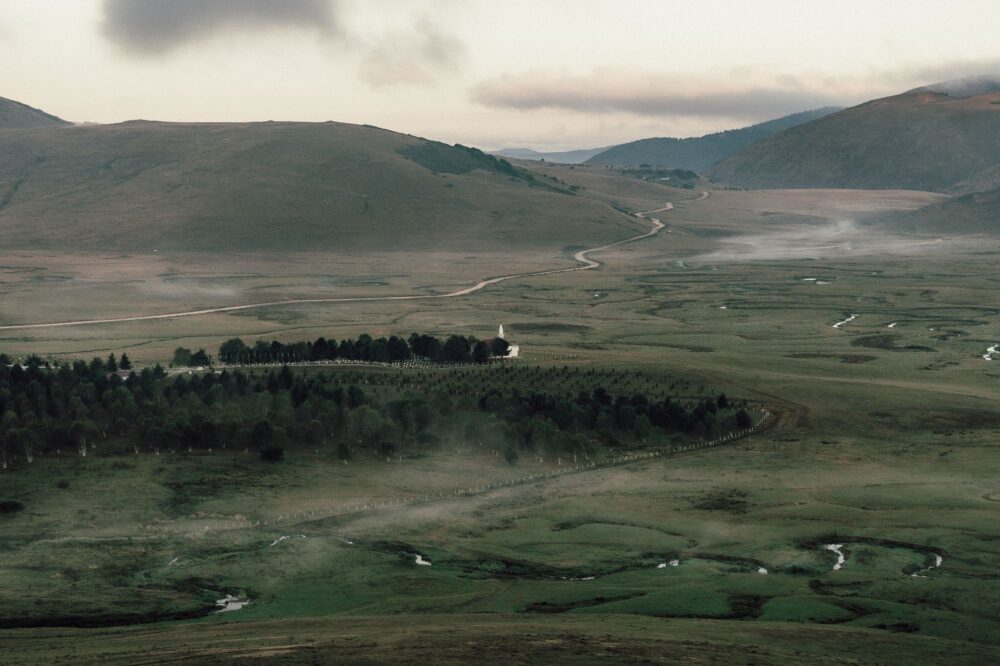
Looking at a landscape from a train window or walking through its hills offers us a visual understanding of the world, but it is in the local kitchen that this same landscape acquires physical density and intimate meaning. The plants that resist drought in arid soils, the fish that obey the capricious rhythm of the tides, or the animals that graze on steep slopes end up transforming, through the accumulated wisdom of generations, into stews, breads, and preserves that explain the place better than any academic treatise. Each ingredient bears the imprint of the climate that gave it birth and the tenacious effort of those who learned to extract sustenance from the earth without exhausting it.
Patience as an invisible ingredient
We live in an era that has declared war on slowness, where everything must be available immediately and without effort. However, the traditional cuisine of different corners of the planet is a constant reminder that valuable things demand time. Long fermentations, slow-fire cooking, the sun-drying of fruits, or the patient curing of meats are acts of resistance against contemporary haste. Sitting before a dish that has taken hours, or even months, to prepare invites us to slow our pulse and tune in to a more human and respectful temporality.
Hospitality and the shared table
In almost all cultures, offering food to the traveler is the primordial gesture of hospitality. No matter how different languages may be or how distant customs are, sharing bread or wine establishes an immediate truce with the strangeness of the world. Across the table, the host ceases to be a stranger and the traveler ceases to be an intruder, becoming instead a guest. It is in this space of exchange that food fulfills its most noble function: building bridges between different realities and reminding us that, despite our differences, we all share the same basic needs for sustenance, shelter, and affection.
The flavor of collective memory
The flavors of childhood and one’s own land have an almost magical capacity to evoke distant memories, but flavors discovered along the way also build lasting memory. A typical dish tasted in a small mountain village or in a bustling market of a port city becomes an emotional anchor. Through taste, travel transcends the purely aesthetic experience and installs itself in the body. Years later, a scent or a texture will be capable of transporting us immediately back to that sunset, returning the entirety of the landscape to us.
The responsibility of the wandering diner
Understanding cuisine as living heritage also implies assuming ethical responsibility as travelers. Consuming consciously, valuing the local product over global standardization, and respecting the natural cycles of production are ways to care for the territories we visit. The attentive traveler knows that every choice at the table has an impact, and that eating locally is also a way to protect the cultural diversity of the planet. At the end of the day, savoring the world with respect is the best way to thank it for its infinite hospitality.