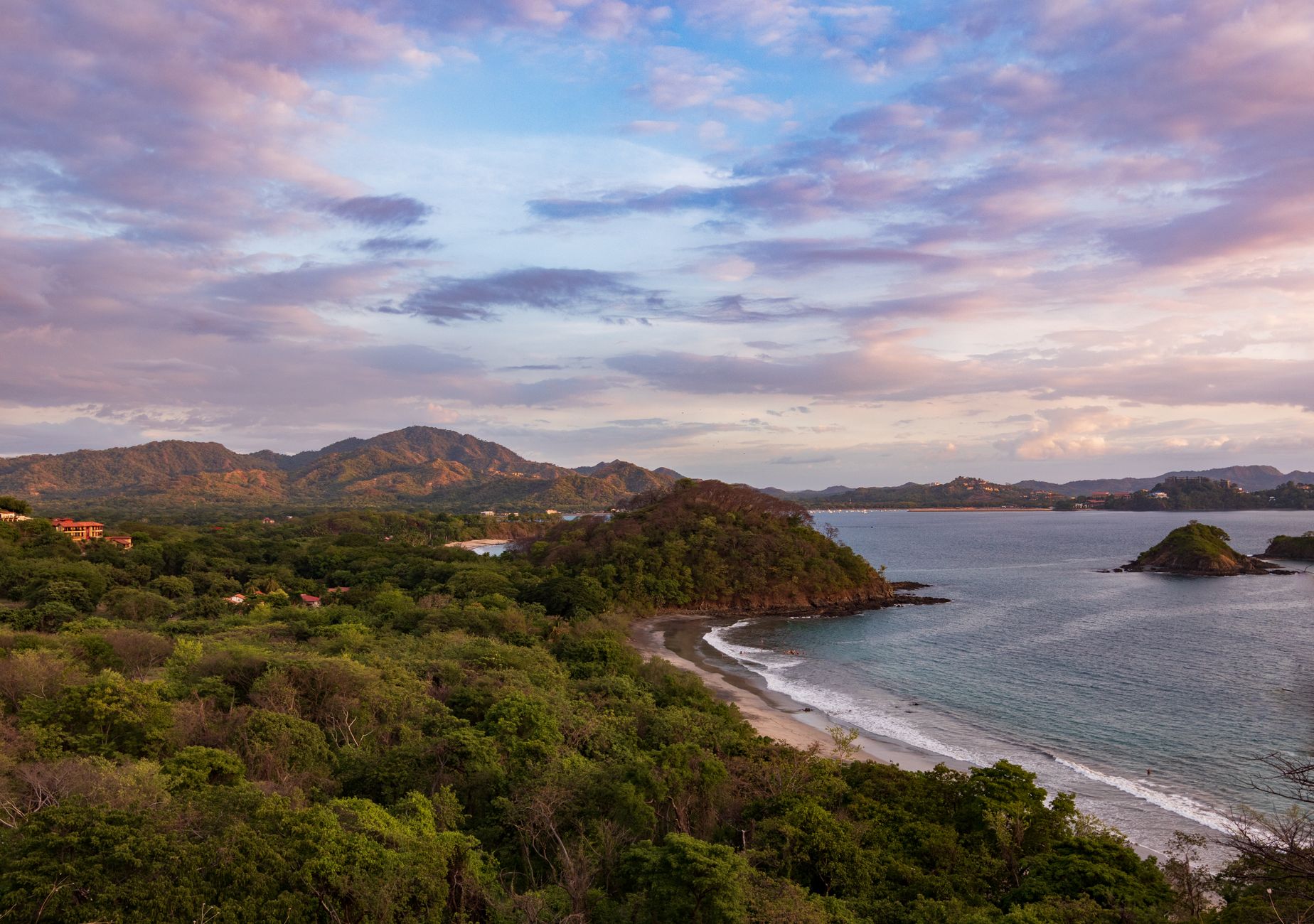

Northwestern Costa Rica holds a landscape few associate with the tropics: vast wooded savannas, forests that shed their leaves in summer, and volcanoes rising above thirsty plains. This is the tropical dry forest, an ecosystem as unique as it is threatened. The Guanacaste Conservation Area, inscribed on the UNESCO World Heritage List in 1999 and extended in 2004 with the addition of 15,000 hectares from the Santa Elena estate, stands as one of the finest examples of this habitat in the Americas.
But its value lies not only in what it preserves, but in what it has managed to recover. For centuries, these lands were cleared for pasture, logged, and hunted without restraint. Today, thanks to a management model that combines state-protected areas, scientific research, and local participation, the dry forest is expanding once more. This report explores how a territory once on the brink of degradation has become a global laboratory for ecological restoration.
A corridor of life between the Pacific and the Caribbean
The Guanacaste Conservation Area spans 147,000 hectares, of which 104,000 are terrestrial and 43,000 marine. Its most distinctive feature is the altitudinal gradient: a nearly 100-kilometer continuum descending from the Pacific coast to the Caribbean lowlands, traversing a variety of ecosystems that few protected areas in the world can match.
Along the way, mangroves, lowland rainforests, cloud forests, oak forests, and savannas with gallery forests succeed one another. The highest point is Rincón de la Vieja volcano, at 1,916 meters above sea level. This uninterrupted connection between the ocean and volcanic peaks allows species migration, genetic exchange, and complex ecological processes that depend on landscape continuity.
Restoring the dry forest is not just an ecological achievement: it is proof that a degraded ecosystem can function again if given time, space, and protection.
UNESCO highlights that the site harbors the best dry forest habitats from Central America to northern Mexico. Most dry forests in the region are mere fragments; here, by contrast, a vast continuous block has been conserved, allowing the natural regeneration of species that had locally disappeared.
The dry forest: a forgotten and essential ecosystem
The tropical dry forest is one of the most threatened ecosystems on the planet. Unlike rainforests, which receive constant attention, dry forests have historically been overlooked by conservation. Their apparent aridity made them easy targets for agricultural and livestock expansion.
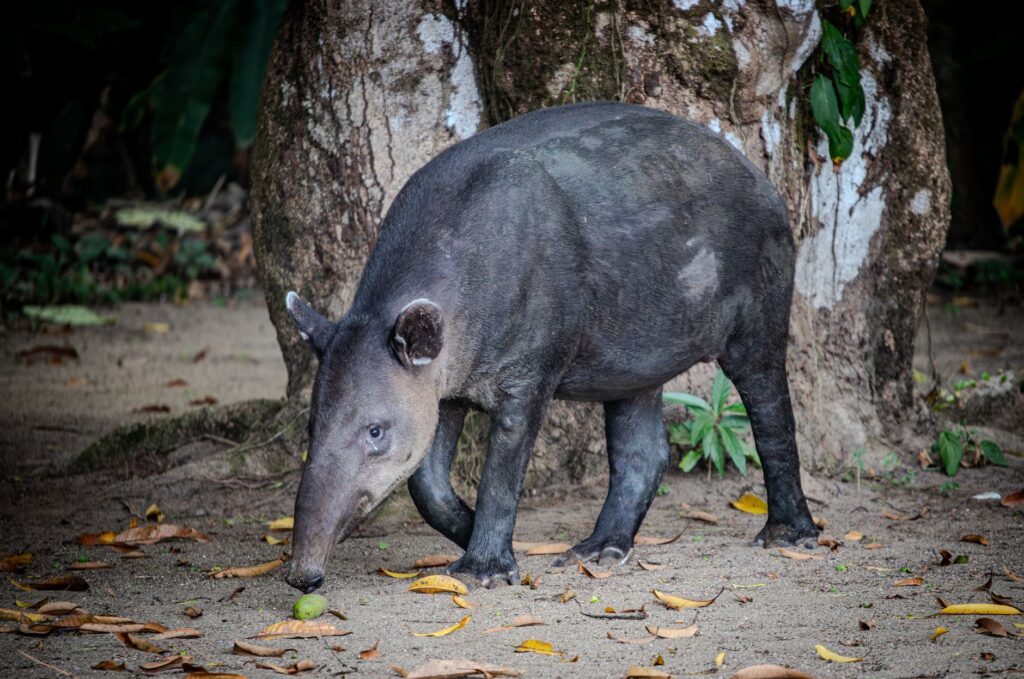
Yet their biodiversity is extraordinary. In Guanacaste, more than 7,000 plant species and over 900 vertebrates have been confirmed. Notable mammals include the endangered Central American tapir, at least 40 bat species, jaguars, pumas, ocelots, and several primate species. Birds number around 500 species, including the endangered Great Green Macaw and the Great Curassow, which is vulnerable.
Reptiles are also protagonists: the American crocodile and the spectacled caiman find refuge here. On the beaches, several sea turtle species nest, including the critically endangered leatherback and the vulnerable olive ridley, with a massive breeding population. Invertebrate diversity is equally astonishing: an estimated 20,000 beetle species, 13,000 ants, bees, and wasps, and 8,000 butterflies and moths.
From exploitation to regeneration: a story of resilience
The history of the Guanacaste Conservation Area is also a story of transformation. For roughly four centuries, the region was exploited opportunistically: forests were cleared for pasture, timber was extracted, and hunting was indiscriminate. Poor soils, erratic climate, and geographic isolation limited the intensity of these activities, but the cumulative impact was severe.
The turning point came in 1971 with the creation of Santa Rosa National Park. From there, new protected areas, a wildlife refuge, and an experimental forest station were added. Most of the land is state-owned, though a corridor belongs to the National Parks Foundation. The integrated management has a dual objective: conservation and restoration.
Today, the natural regeneration of the dry forest is visible. Species that had vanished from the area have returned, and the ecosystem is once again functioning as a carbon sink and water regulator. This process has been possible thanks to a combination of legal protection, scientific research, and payment for environmental services programs.
A marine and coastal mosaic of high value
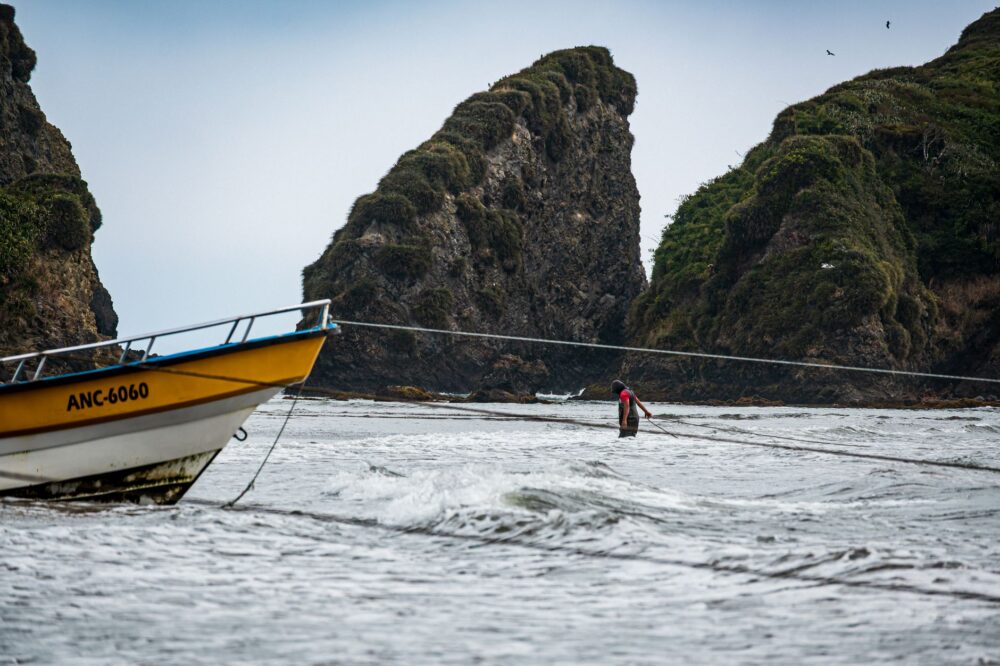
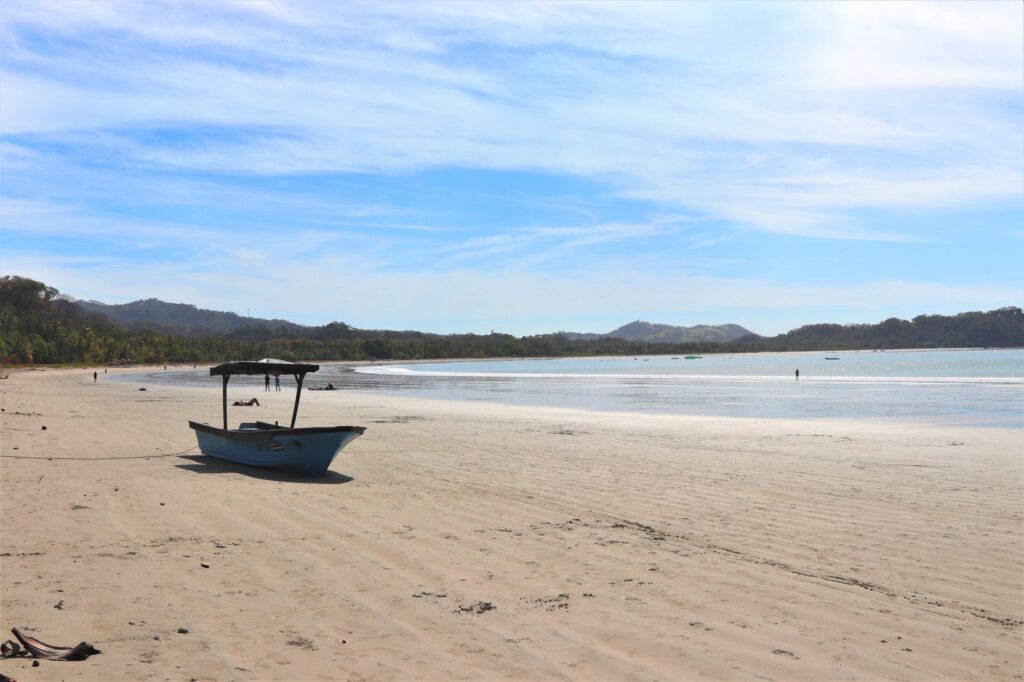
The coastal-marine interface of the protected area is largely intact, a rarity in a region where coasts have suffered disproportionate human pressure. The marine component includes nearshore islands and islets, mostly uninhabited, as well as estuaries, coral reefs, algal beds, mangroves, sandy and cobble beaches, dunes, and wetlands.
Nutrient-rich cold upwelling currents off the Pacific coast generate exceptionally high marine productivity. This sustains a diverse food chain that includes fish, seabirds, and mammals. UNESCO notes that the site contains 37 wetlands and about 20 kilometers of beach where sea turtles nest.
The integrity of the coast and sea is no accident: it results from remoteness, rocky and swampy terrain, and decades of conservation efforts that have limited uncontrolled commercial fishing and mass tourism development.
However, not all news is good. Fishing by local communities has shown a decrease in catch size and an increase in effort required, indicating declining fish populations. UNESCO warns that stronger marine conservation efforts are needed to address unregulated commercial and sport fishing, as well as to manage coastal tourism.
Volcanoes, rivers, and the water that sustains life
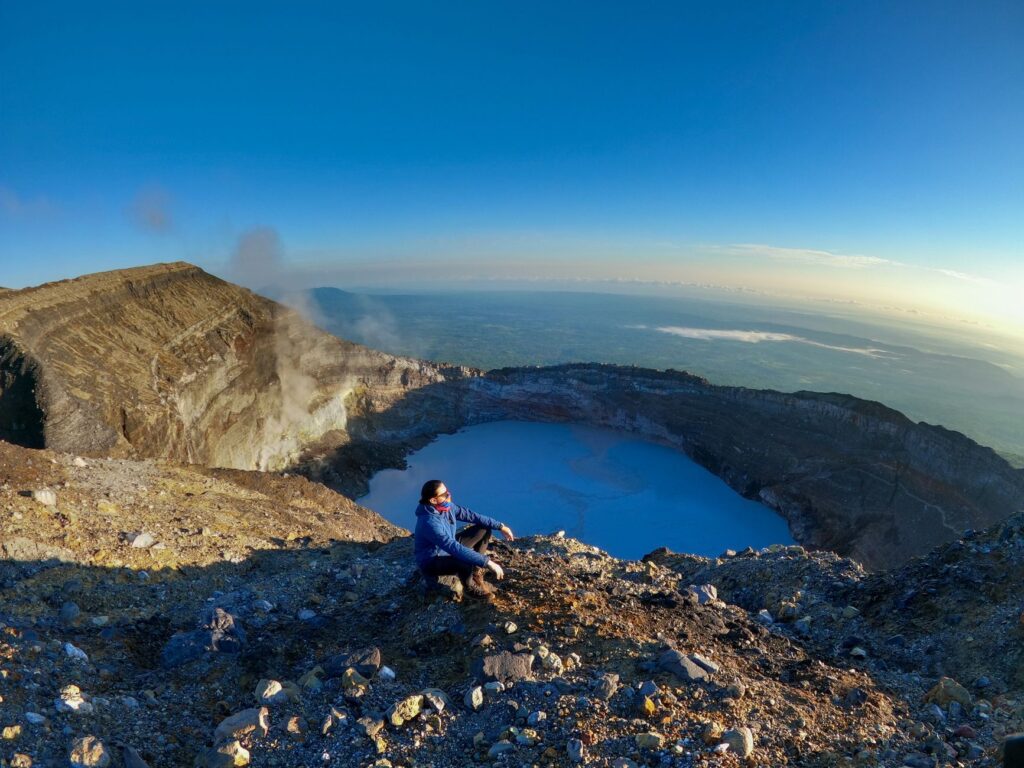
Rincón de la Vieja, with its three craters and a lagoon, is the geological heart of the area. At least 32 rivers and 16 intermittent streams originate on its slopes, flowing into the Tempisque River, vital for agricultural irrigation in Guanacaste province. This water network connects the highlands with the plains and coastal mangroves and is essential for aquifer recharge.
Conserving the highland forests guarantees the regulation of the water cycle. Without forest cover, erosion and runoff would increase, affecting both ecosystems and human activities. Therefore, the protected area not only conserves biodiversity but also provides essential environmental services for the region.
Research and education: science for conservation
The Guanacaste Conservation Area is also an open-air laboratory. The Experimental Forest Station and associated research programs have documented the recovery of the dry forest, the behavior of key species, and ecological succession processes. These data are fundamental for designing restoration strategies elsewhere in the world.
Environmental education is another pillar. Outreach programs have been developed for schools and local communities, aiming to ensure that the population values and protects the natural heritage. The participation of technical, local, and regional councils in management ensures that decisions incorporate the knowledge and needs of those who live in the area.
Persistent threats and the necessary balance
Despite the achievements, the area faces pressures. Agriculture outside the site’s boundaries contaminates with pesticides, diverts water for irrigation, and introduces exotic grasses. Increased tourism, road construction, and hydropower projects require careful weighing of benefits and negative impacts.
In the marine realm, unregulated commercial and sport fishing remains a challenge. Regulating coastal tourism is another pending task. UNESCO recommends strengthening sustainable financing schemes to improve management’s operational capacity in the face of these challenges.
The balance is delicate: the goal is to conserve a unique ecosystem without excluding local communities, who also depend on natural resources. The Guanacaste model bets on integration: conservation, restoration, and local development in a single strategy.
Guanacaste, a model for the world
The Guanacaste Conservation Area is not just a destination for naturalists. It is a demonstration that environmental degradation can be reversed. Its history shows that political will, scientific research, and community participation can transform an exploited landscape into a sanctuary of biodiversity.
At a time when climate change threatens ecosystems worldwide, Guanacaste offers a lesson of hope. The dry forest, once ignored, beats again. And with it, the species that depend on it and the communities that have learned to live with their surroundings.
Practical guide
To visit the Guanacaste Conservation Area, the best time is the dry season, from December to April, when roads are more passable and wildlife concentrates around water sources. The green season, from May to November, offers lush landscapes but frequent rains.
The main access point is the city of Liberia, which has an international airport. From there, you can reach Santa Rosa National Park, the Rincón de la Vieja sector, and other areas of the complex. It is advisable to bring water, sunscreen, insect repellent, and suitable footwear for hiking.
Activities include hiking, bird and wildlife watching, visits to turtle nesting beaches, and volcano tours. Hiring certified local guides is important to minimize impact and maximize the experience. Respect for conservation rules is essential: do not feed animals, stay on trails, and do not leave waste.
For more information, consult the website of Costa Rica’s National System of Conservation Areas (SINAC) and the UNESCO World Heritage page dedicated to the site. Park entrance fees contribute to the maintenance of protected areas.