The Pulse of Andean Paramos: How Bofedal Restoration and Community Governance Transform Conservation in Sangay National Park
High in the equatorial Andes, a pioneering alliance among indigenous communities, hydrologists, and park rangers is rewriting the future of high-altitude wetlands in the face of climate change.
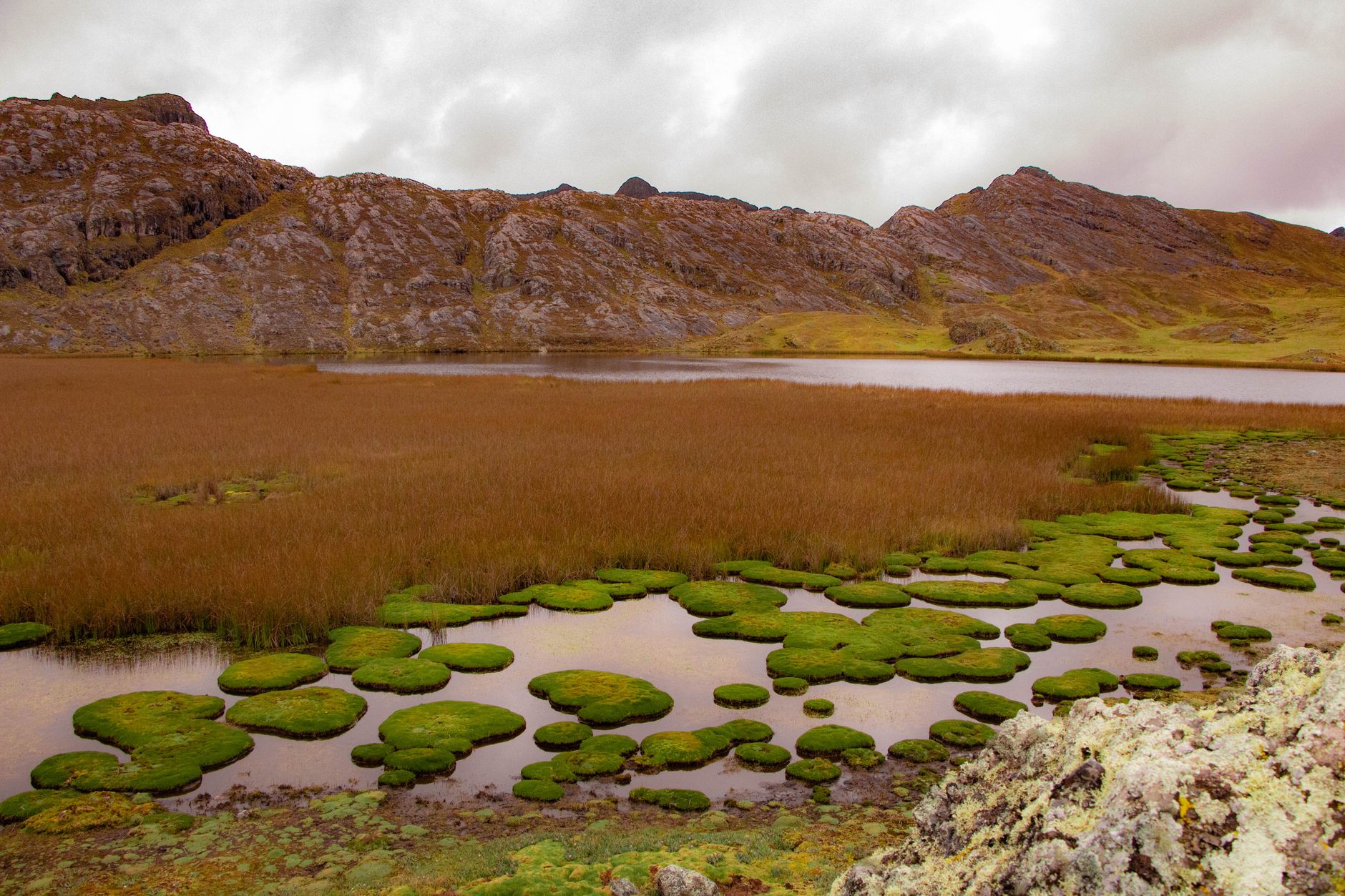
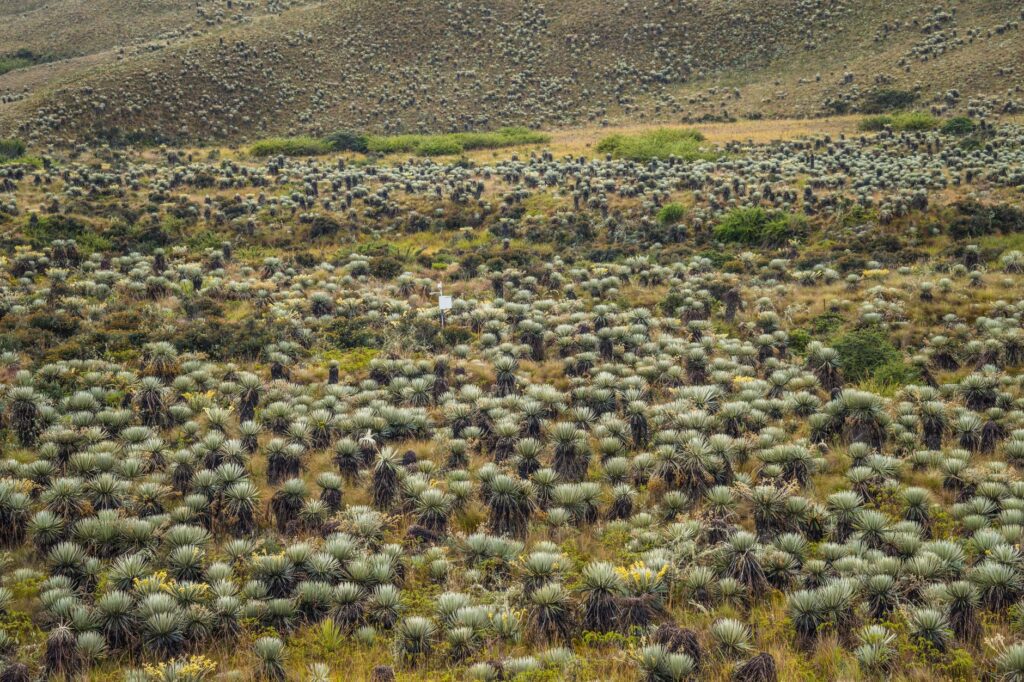
At more than four thousand meters above sea level, where the air grows thin and the wind relentlessly sculpts volcanic rock, the bofedales of Sangay National Park unfold a green, spongy carpet that defies the apparent aridity of the páramo. These vegetation formations, dominated by moss cushions and high-mountain adapted plants, act as the vital sponges of the Ecuadorian hydrological system. They retain moisture from nocturnal mists and sparse precipitation, releasing it slowly and steadily toward the lower valleys where the rivers that sustain the region’s agricultural and urban life originate.
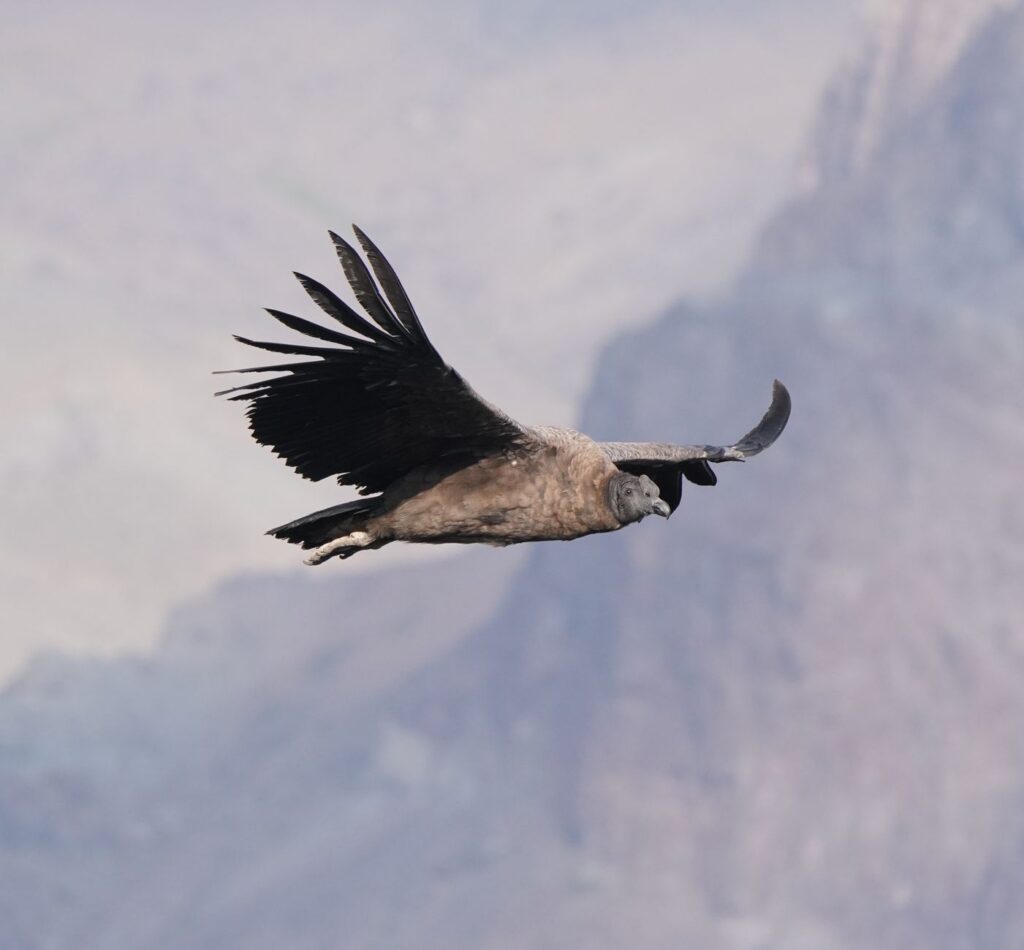
For decades, however, this millenary equilibrium was threatened by the pressure of intensive grazing and the opening of drainage ditches designed to create temporary pastures for cattle. The progressive desiccation of the peat layers caused the irreversible loss of endemic biodiversity, such as the Andean condor and the spectacled bear, while accelerating the release of carbon accumulated in the soil for millennia. Faced with this panorama of silent degradation, local communities and scientists understood that conservation could no longer depend solely on prohibiting use, but required active ecological restoration based on traditional knowledge.
The main challenge lay in reversing hydrological erosion without altering the natural dynamics of the high-altitude wetlands. Environmental technicians, in close dialogue with wise members of indigenous communes settled on the slopes of the Sangay volcano, designed a restoration strategy using dry-stone dams and blocks of dehydrated peat that slow the water flow, allowing the water table to regain its original level. This collective effort demonstrates that repairing fragile ecosystems is a technical process, but above all, a deeply social one.
The Invisible Architecture of High-Altitude Wetlands
To understand the magnitude of the intervention in Sangay National Park, one must delve into the complex structure of a mature bofedal. It is not merely a muddy tract of land, but a complex ecosystem where anaerobic bacteria, dense root systems, and a compacted layer of organic matter reaching several meters in depth coexist. This matrix acts as a natural filter that purifies water and regulates the biogeochemical cycles of the Amazonian and Pacific watersheds.
Hydrological studies conducted in the area reveal that one square meter of restored bofedal is capable of storing up to ten times more water than conventional grazing soil. This retention capacity is crucial during prolonged drought periods exacerbated by global climate change. Hydrological restoration is not an aesthetic luxury, but a necessity for regional water security. When artificial ditches are blocked and water spreads once again in thin sheets over native vegetation, characteristic plant species such as Distichia muscoides recover their turgor and vigor in just a few seasons.
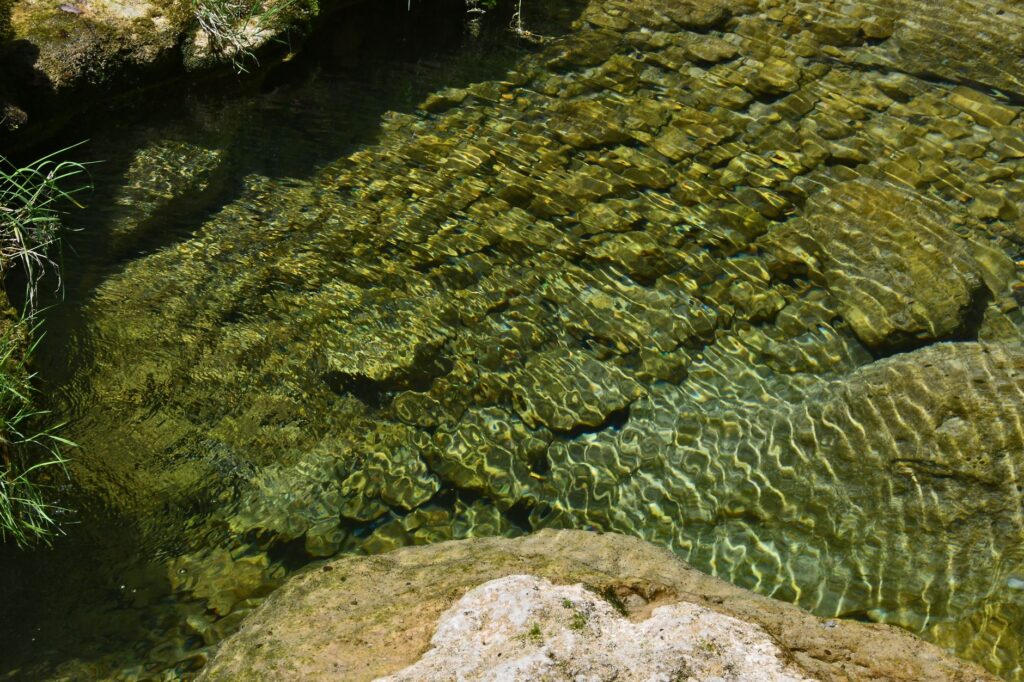
This physical recovery brings back wildlife. Migratory and resident aquatic birds, such as the Andean gull and torrent duck, once again find safe shelter and feeding zones in the restored water mirrors. Endemic amphibians, severely affected by changes in water temperature and acidity, also show signs of repopulation in slowly regenerating pools.
Community Governance and the Rebirth of the Minga
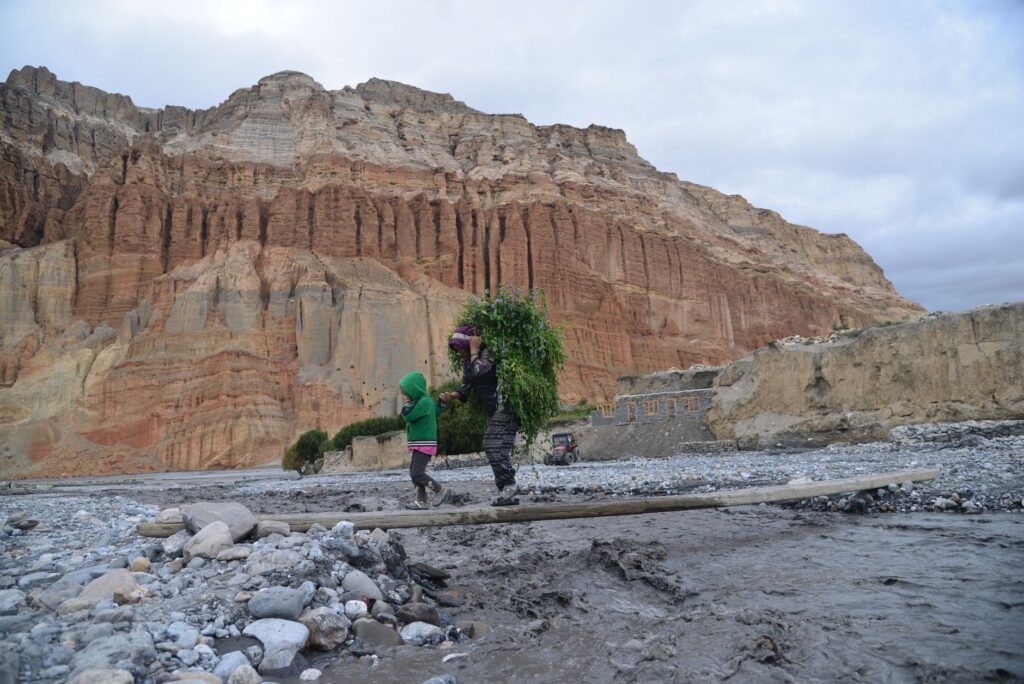
The success of the restoration in Sangay is measured not only in re-wetted hectares or recovered water flows, but in the revitalization of traditional forms of community organization. The minga, an ancestral system of collective and reciprocal labor, has become the main engine of fieldwork. Men, women, and youth from surrounding communities organize into squads to transport stones, place local wooden stakes, and monitor the condition of dams during the months of heaviest rainfall.
This local ownership of the project guarantees its long-term sustainability. Unlike interventions imposed from urban government offices, water management guidelines are debated and approved in community assemblies where the scientific rigor of biologists intersects with meteorological observations accumulated by generations of shepherds. Western science and indigenous wisdom form an indestructible symbiotic alliance here.
The water running down these rivers belongs to no one in particular and to all of us; caring for it at the summit guarantees the harvest in the valley.
In addition to physical work in the páramo, communities have established environmental surveillance committees responsible for regulating livestock load in areas adjacent to the park. Total exclusion zones have been designated where cattle are strictly barred, allowing native vegetation to act as a natural sanitary cordon protecting the bofedales from agricultural runoff pollution.
Citizen Science and Participatory Hydrological Monitoring
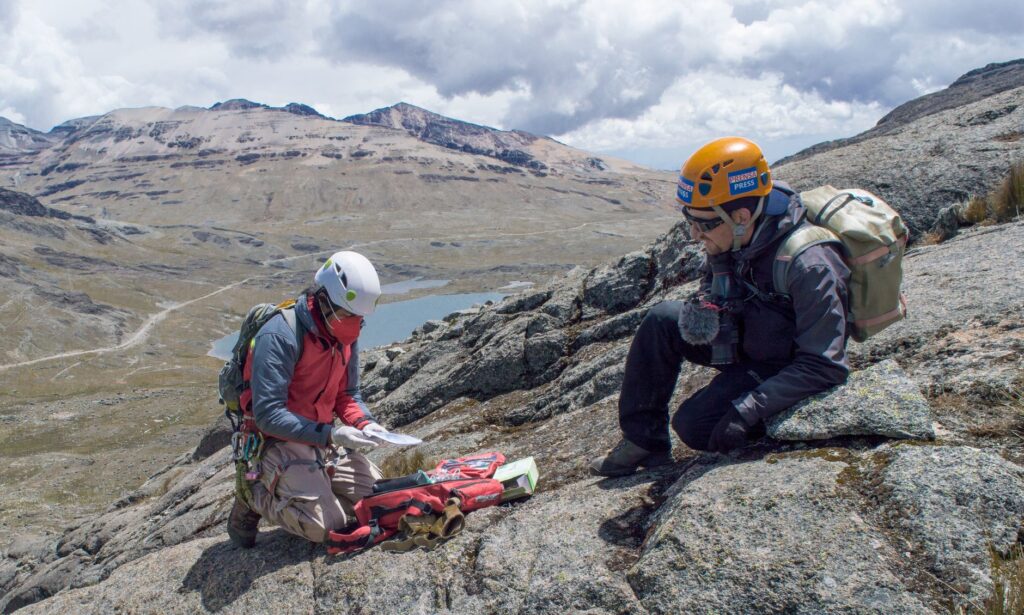
The technical tracking of the restoration does not rest solely on distant academic institutions. Through capacity-building workshops promoted by the Ministry of Environment and non-governmental organizations, youth from local communities have been trained in the use of piezometers, rain gauges, and portable water quality testing equipment. This data, collected weekly, feeds open scientific information databases that evaluate the effectiveness of the constructed dams.
This participatory approach has transformed how local inhabitants perceive scientific research, removing it from the elitist image of the past. Today, local herders are capable of interpreting water table graphs and correlating monthly precipitation with the water retention of the bofedales. Turning the guardians of the territory into field researchers is the strongest safeguard against institutional neglect.
The results of this rigorous monitoring have been presented at international water management forums, positioning Sangay National Park as a global benchmark in ecosystem-based adaptation. The transfer of this methodological model to other regions of the central and northern Andes is already underway, proving that local solutions can inspire public policies on a continental scale.
Contemporary Challenges: Sustainable Livestock and Demographic Pressure
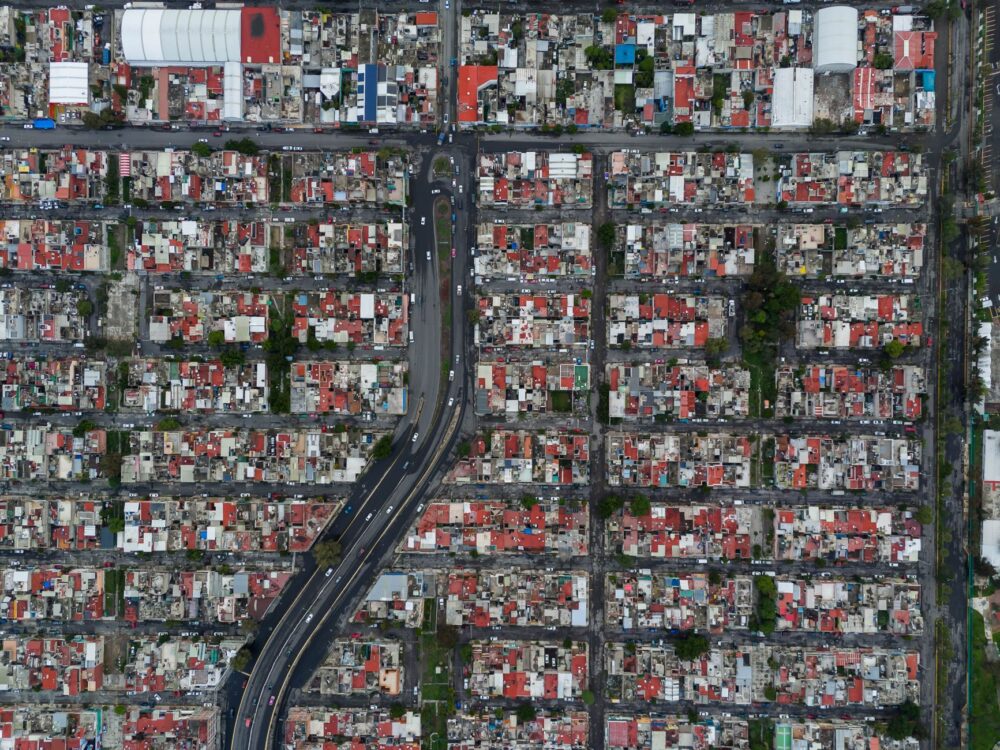
Despite clear progress in wetland recovery, the territory faces persistent threats that demand constant vigilance. Growing beef demand in regional markets and the scarcity of arable land in lower areas drive some ranchers to attempt expanding the agricultural frontier toward the national park’s buffer zones. Pressure on land and water resources remains a latent source of tension.
To mitigate this conflict, park authorities, in collaboration with agricultural cooperatives, have promoted productive conversion programs oriented toward high-efficiency intensive livestock farming on improved pastures outside the protected area. Through paddock rotation and supplemental feeding, producers achieve higher milk and meat yields from a smaller intervened surface area, drastically reducing the temptation to encroach on fragile páramo ecosystems.
Additionally, direct economic incentives have been implemented for families actively participating in retention dam maintenance and the reforestation of ravines with native species such as ñucacho and polylepis. These payments for environmental services, financed through international conservation funds and specific tourism fees, recognize the economic value of custodial work performed by communities.
Environmental Education and Generational Turnover in the Mountains
The future of conservation in Sangay National Park critically depends on the emotional and cultural connection that new generations maintain with their natural environment. In rural schools located in the park’s areas of influence, the school curriculum has been adapted to include specific modules on high-mountain ecology, water management, and traditional soil management techniques.
Children and teenagers participate in weekend camps where they take guided hikes led by local elders and park rangers, learning to identify spectacled bear tracks and recognize medicinal plants growing along wetland margins. These practical experiences aim to prevent massive rural exodus to major cities, showing youth that living in the mountains and protecting their natural heritage can be a dignified, sustainable life project.
Recently promoted nature photography and participatory mapping workshops have allowed young people to document the transformation of their landscapes, generating tangible local pride. When a community documents how water returns to a wetland that was once dust, the relationship with the territory transforms radically.
Our grandparents used to say the páramo is a living being that breathes; if we take away its water, the mountain dies of thirst, and we die with it.
Practical guide
How to get there
The main access to Sangay National Park is from the city of Riobamba or Macas, crossing the cordillera via secondary paved roads and compacted dirt stretches that require four-wheel-drive vehicles, especially during the rainy season between October and May.
Recommended season
Months with the most stable weather conditions and less cloud cover for observing volcanoes and high-altitude bofedales span the period between June and September, though high mountain weather is notoriously unpredictable and requires complete gear for rain and extreme cold.
Accommodation and services
Community-based tourism initiatives exist in the buffer zone communities, offering basic rural lodging, meals based on local produce, and certified native guides for acclimatization hikes and interpretive trekking.
Visitor regulations
Registering at Ministry of Environment checkpoint posts before entering park trails is mandatory. Pets, extraction of flora or fauna, single-use plastics, and campfires in páramo zones are strictly prohibited.
The Eternal Reflection in the Lakes of Sangay
At dusk, when clouds retreat and reveal the snowy peaks of Tungurahua and Sangay volcanoes, golden light fractures into thousands of small water mirrors dotting the restored bofedales. In that absolute silence, broken only by the whistling cordillera wind and the distant call of a curiquingue, the true dimension of human effort becomes apparent. Wounded earth has begun to heal thanks to the patience of those who never abandoned the páramo.
Walking today through these recovered vegetative cushions confirms that the global environmental crisis generates not only dystopias, but also admirable local responses. The alliance between science and ancestral memory proves it is possible to return water to its course and the mountain to its original balance. As long as the bofedales breathe beneath the freezing Andean light, the heartbeat of the future remains intact.
ATLAS LUME · BEFORE YOU GO
A story that continues at the destination
DocumentsCheck visas, health requirements and document validity with official sources.
BookingsConfirm the final price, taxes and conditions directly with the provider.
Responsible travelRespect local communities, heritage and ecosystems.