
The Steel Backbone That Defied the Patagonian Desert
The southern territory of Argentina has historically been defined by immensity, relentless winds, and a geography that imposes severe restrictions on human mobility. In this context of desert vastness, the realization of the Patagonian Railway represented not merely an act of civil engineering, but an assertion of sovereignty and a logistical lifeline that fundamentally transformed connectivity between the Atlantic coast and the Andes mountain range. The route linking the Río Negro capital of Viedma with the tourist hub of San Carlos de Bariloche constitutes one of the most unique railway feats in the Southern Cone, designed to master a territory where water scarcity and extreme temperature fluctuations test both materials and human will.
Since its origins in the early decades of the twentieth century, the line was conceived as a strategic corridor to break the secular isolation of productive valleys and cordilleran communities. Spanning over eight hundred kilometers, the train winds through a fascinating landscape transition that shifts from the river bluffs of the Río Negro to the infinite solitude of the central plateau, before finally merging with Andean forests and glacial lakes. This report examines technical evolution, maintenance challenges in an implacable geographic environment, and the cultural value of a journey that resists the passage of time against the hegemony of automotive transport.
The Origins and the Titanic Enterprise of Uniting the Atlantic with the Andes
The genesis of this rail link responded to a state vision of territorial integration that gained momentum under the development plans of Argentine national territories. The necessity to transport coal, sheep wool, and basic supplies westward, as well as to provide an outlet for the fruit production of the Alto Valle and the bounty of the Andean earth, prompted the National Congress to authorize preliminary surveys. Engineers faced a formidable barrier: the Patagonian steppe entirely lacked prior infrastructure, paved roads, and stable sources of fresh water to feed the steam locomotives that dominated the era.
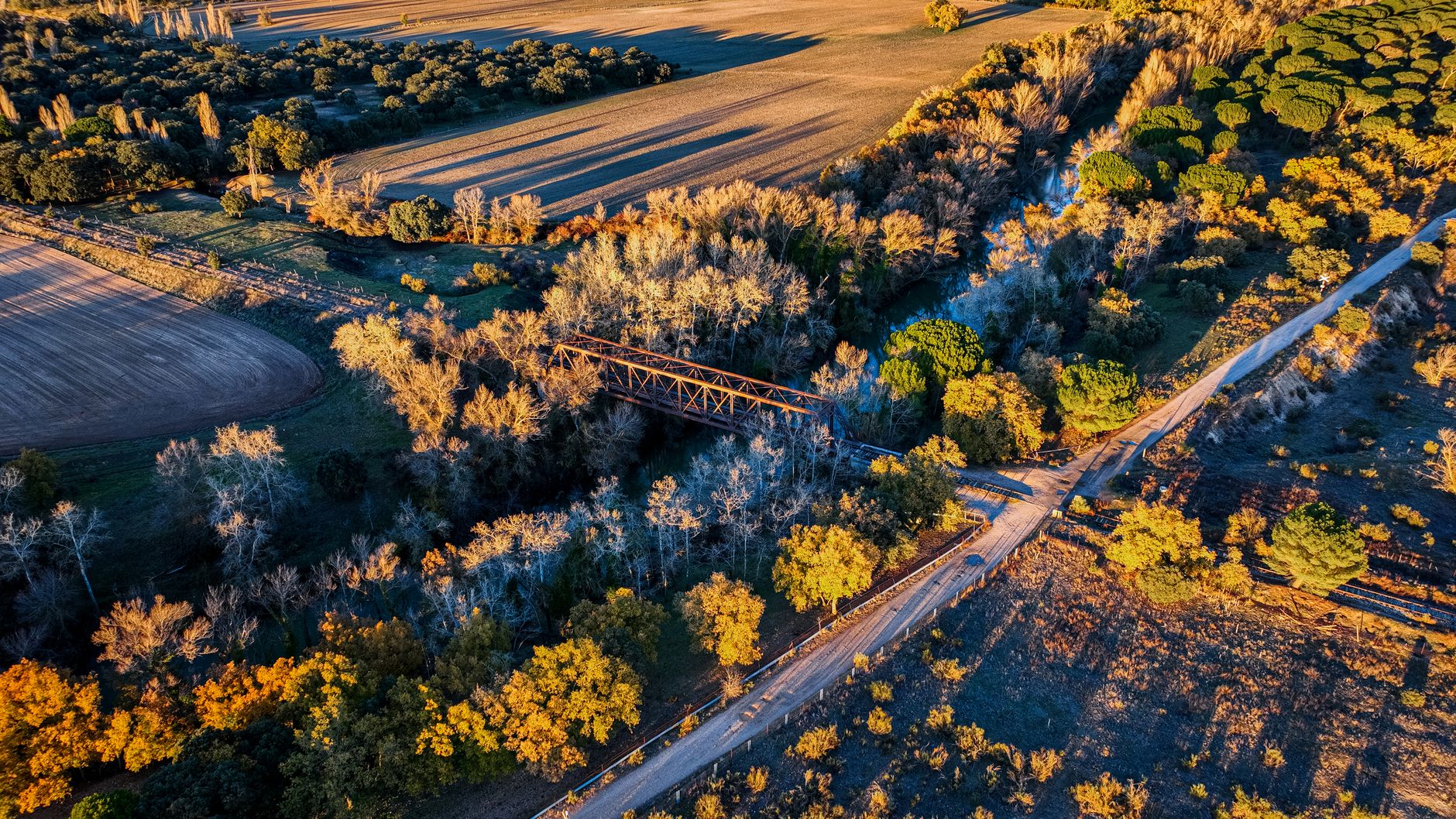
Construction advanced at an extremely slow pace due to international economic crises, difficulties in importing steel and coal from Europe, and the logistical complexity of supplying workers in the middle of nowhere. Each kilometer of track laid across the stony ground required massive imports of red quebracho ties from the northern part of the country and rails manufactured in British steel mills. Despite political and budgetary setbacks, the determination of pioneers allowed the tracks to reach the cordillera, consolidating a milestone that would permanently transform the demographics and economy of northern Patagonia.
«The rail across the steppe was not merely a means of transport; it was the civilizational pulse that kept entire communities alive amidst the Patagonian silence.»
Topographic and Climatological Challenges in the Infinite Steppe
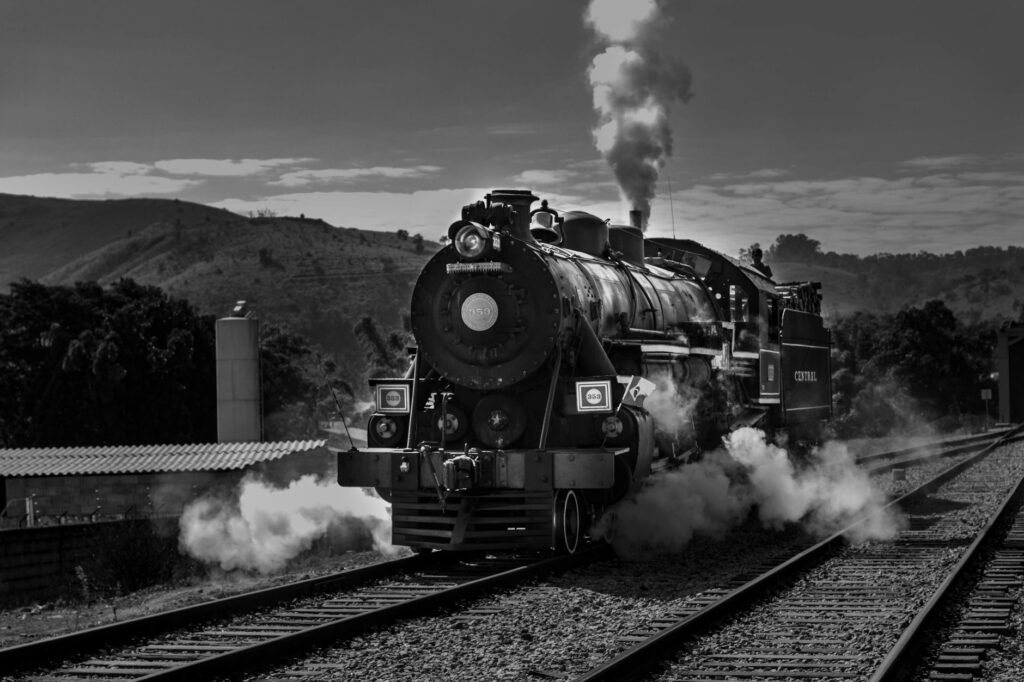
Operating a railway line across the Patagonian plateau exposes the infrastructure to one of the most severe climates on the planet. During winter months, snowstorms and intense frosts generate ice accumulations on the rails that can interrupt traffic for days, demanding the constant deployment of snowplow units and maintenance crews stationed at remote outposts. Conversely, summer brings gale-force Patagonian winds that kick up dust clouds capable of eroding mechanical components and hindering engineer visibility.
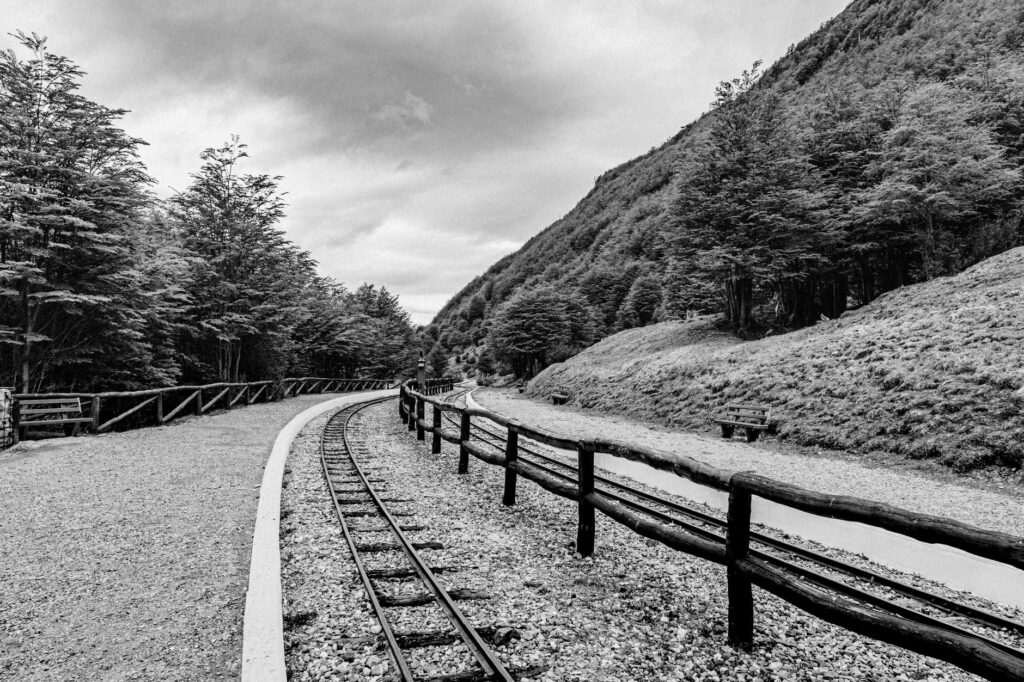
The topography, although seemingly flat from a distance, features constant undulations, deep canyons, and basaltic mesas that forced route planners to design tight curves and steep gradients. Water management in this arid environment historically constituted the greatest operational headache. Old stations relied on complex systems of wells and elevated tanks to supply boilers, a logistics system that evolved dramatically with the arrival of diesel traction in the second half of the twentieth century, allowing greater autonomy and reliability on long-distance runs.
Railway Architecture and Identity in Desert Stations
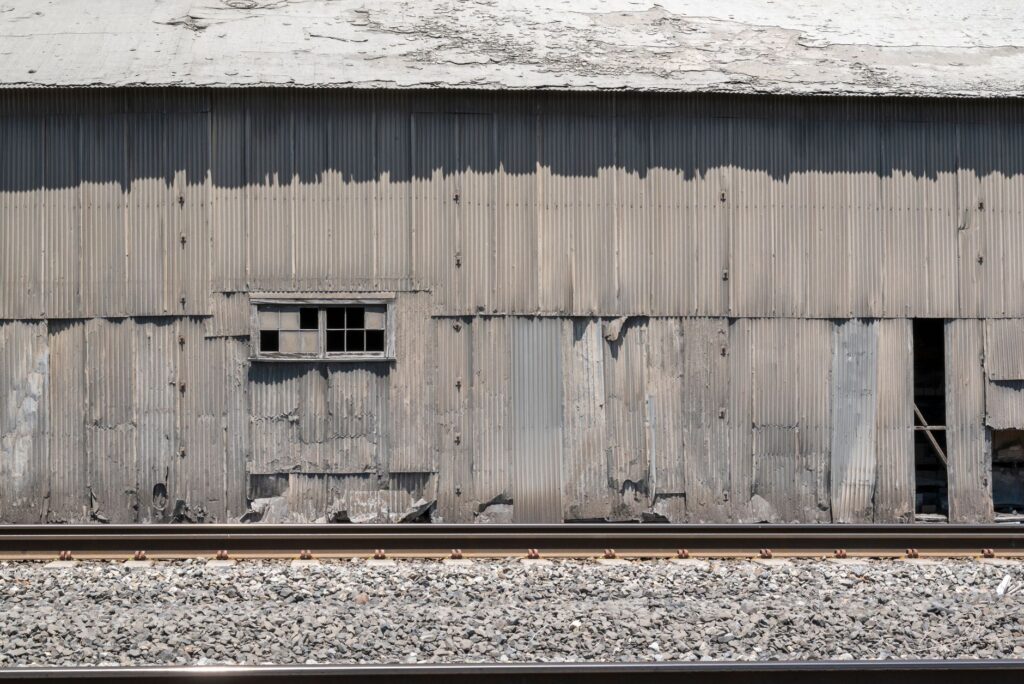
The stations marking the route between Viedma and Bariloche act as true civilizational milestones and witnesses to functional architecture adapted to the elements. Built largely with iron profiles, corrugated sheeting, and solid masonry structures, these buildings responded to a standardized pattern prioritizing weather resistance over ornamentation. Around these enclaves emerged small human settlements whose survival depended entirely on the weekly arrival of the convoy.
Today, many of these stations have seen their original role diminished due to rural depopulation and the retreat of traditional freight transport, but they retain profound heritage value. Buildings such as those in San Antonio Oeste or Ingeniero Jacobacci display a melancholic industrial aesthetic that dialogues with vast open horizons. The preservation of these properties not only protects the technical memory of the country, but also keeps alive the identity of a railway town that forged its character between the whistle of locomotives and the immensity of the steppe.
The Diesel-Electric Era and the Modernization of Rolling Stock
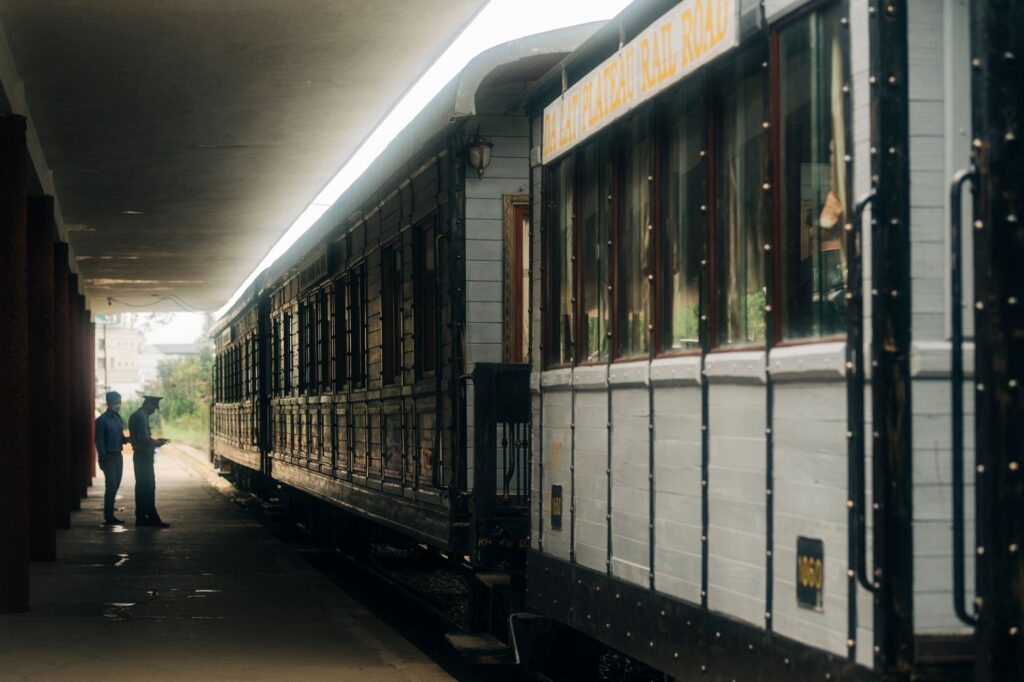
Over the decades, the obsolescence of the steam locomotive fleet necessitated a vital technological renewal for the line’s survival. The incorporation of diesel-electric locomotives, primarily of American and domestic manufacture, marked a turning point in operational efficiency, drastically reducing travel times and increasing freight capacity. This technological leap allowed the Patagonian Railway to remain competitive against the advancement of paved highways and automotive passenger transport.
Likewise, passenger cars were gradually modernized to offer a comfort standard aligned with the demands of contemporary tourism and local residents who depend on this social service. The inclusion of sleeper cars, pullman coaches, and baggage cars adapted for private vehicles has transformed the travel experience, turning what was once a journey of pure survival into a scenic excursion of high international appeal, valued for its leisurely pace and digital disconnection.
Current Socioeconomic Role and Impact on Local Communities
Beyond its undeniable tourist appeal, the train fulfills an irreplaceable social function for the settlements and towns of Río Negro’s Southern Line, where mobility options are extremely limited. For inhabitants of these isolated communities, the railway acts as an umbilical cord guaranteeing the supply of food, medicine, mail, and construction materials, while facilitating access to larger urban centers for medical care or administrative procedures.
Service management, currently under provincial jurisdiction through the company Tren Patagónico S.A., delicately balances budgetary constraints with the obligation to maintain accessible fares for lower-income populations. This public service approach highlights that the viability of the line is not measured solely in terms of direct financial profitability, but in its capacity to structure territory, anchor rural populations, and sustain social cohesion in one of the country’s most geographically challenging regions.
The Onboard Experience: A Journey at the Leisurely Pace of the Steppe
Traveling on the Patagonian Railway is an immersion into a different temporal dimension, where time is measured in golden sunsets over the plateau and the slow metamorphosis of the exterior landscape. As the train progresses, passengers share stories in the corridors, enjoy regional gastronomy in the dining car, and observe native wildlife—curious guanacos, rheas, and raptors—that watch the passage of the convoy with little perturbation.
This journey offers a unique perspective inaccessible from the main highway. The traverse culminates apoteotically when the aridity of the steppe abruptly gives way to coihue forests and the imposing backdrop of Andean lakes and mountains as one approaches Bariloche. It is a visual and emotional transition that summarizes Argentine geographic diversity and fully justifies the ongoing relevance of this historical rail corridor.
Practical guide
Planning a journey aboard the Patagonian Railway requires understanding frequency dynamics and the logistical nature of a long-distance service in Patagonia.
- Frequencies and Reservations: The regular passenger service generally operates with one or two weekly frequencies between Viedma and San Carlos de Bariloche, varying according to high or low season. Securing reservations for tickets and sleeper cabins months in advance through the official Tren Patagónico website is strictly mandatory.
- Service Classes: The formation typically includes First Class, Pullman Class, and Sleeper Cabins (accommodating two passengers). For full journeys, the sleeper cabin option is highly recommended for comfort and privacy.
- Luggage and Vehicles: The train allows passengers to check bulky luggage and offers, on specific formations, the option to transport private cars in ramp cars, a highly valued logistical facility for exploring the region.
- Climate and Clothing: Temperatures on the Patagonian steppe can drop drastically even in summer, especially at night. Layered clothing and windproof outerwear are strongly advised, along with sunscreen and sunglasses to counter the glare in arid zones.
- Connectivity: Throughout much of the journey across the central plateau, mobile phone service is non-existent. The trip should be embraced as a genuine opportunity for digital disconnection.
«When the last carriage slips into the shadow of the Andes, the Patagonian steppe reclaims its eternal silence, holding within its rails the indelible echo of human endeavor.»