
The Iron Gate Between Two Worlds: Geography and Geometry of the Great Steppe
The vast expanse of central and eastern Anatolia has historically presented a formidable logistical challenge for any empire or nation seeking to unify its extremities. Between the bustling modern capital of Ankara and the remote border city of Kars, the tracks of the historic Trans-Anatolian Railway wind through an unforgiving geography. This rail line is not merely a means of transportation; it stands as a living monument to nineteenth-century engineering adapted to one of the most demanding topographies on the Eurasian continent.
For decades, the railway route linking Turkey’s political heart with the gates of the Caucasus has served as the economic and social backbone for communities isolated by high altitude. The steppe plateaus, frequently exceeding two thousand meters above sea level, impose extreme climatic conditions that test both the resilience of materials and the expertise of contemporary railway operators.
Understanding the magnitude of this route requires looking beyond the windows of its carriages. Every kilometer of track tells a story of monumental excavations carved out with pickaxes, of metal bridges imported from European workshops in the late nineteenth century, and of territorial planning aimed at consolidating state sovereignty over a vast and sparsely populated landscape.
The Original Layout: Pioneers of the Ottoman Empire and the Republican Vision
The origins of this railway network lie in the final years of the Ottoman Empire, when European powers competed for control of trade routes toward the Middle East and Central Asia. The ambitious project to connect Istanbul with Baghdad and the Russian foothills prompted concessions for strategic lines to international consortia; however, it was under the birth of the Turkish Republic under Mustafa Kemal Atatürk that the route toward Kars acquired its true geopolitical and backbone-forming dimension.
The German and French engineers who designed the initial sections faced steep elevation changes and an absolute lack of prior infrastructure in the high plains of Sivas and Erzurum. Overcoming these obstacles required designing sinuous horseshoe curves and constructing countless tunnels bored directly into the volcanic basalt rock.
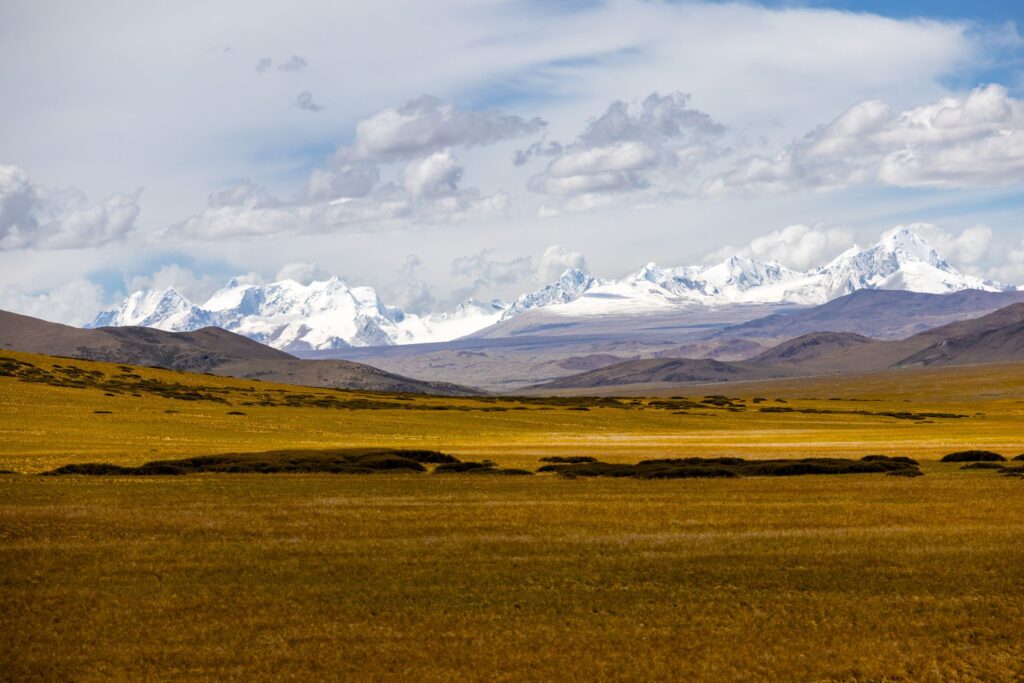
As the tracks advanced eastward, the landscape transformed radically, transitioning from the arid hills of the center to enclosed river valleys and, finally, the open yet freezing plains surrounding Mount Ararat and the borders with Armenia and Georgia. Integrating these peripheral territories through the railway transformed the local economy, facilitating the outflow of agricultural and mineral products toward the ports of the Black Sea and the Aegean Sea.
Engineering Against the Abyss: Topographic Challenges and Century-Old Structures
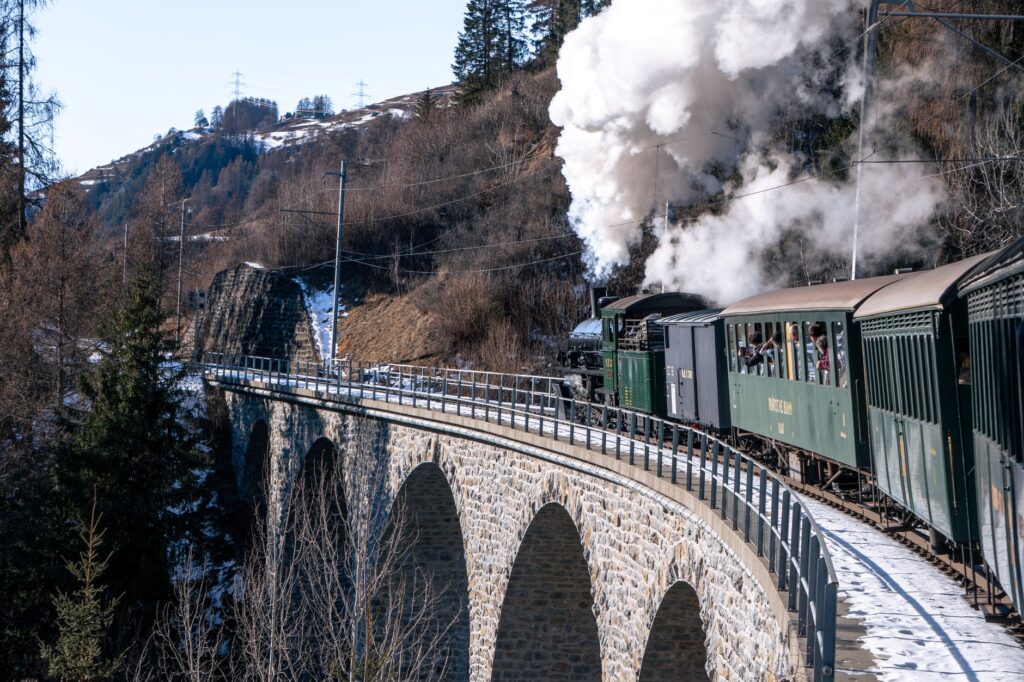
One of the greatest technical attractions of the journey lies in the audacity of its structural solutions. Crossing the gorges of the Euphrates River and the numerous tributaries descending from the Armenian summits required erecting lattice metal viaducts that continue to bear the heavy passage of freight and passenger formations today. These structures, subjected to drastic thermal expansion between scorching summers and sub-zero winters, demand constant and artisanal maintenance.
The geological terrain of eastern Anatolia is intrinsically dynamic due to high seismic activity. Consequently, the foundations of the historic bridges and original retaining walls were conceived with unusual structural flexibility for their time, allowing them to absorb vibrations and tectonic movements without suffering catastrophic collapses.
In addition to bridges, tunnels represent genuine feats of human engineering. Built in many cases without heavy machinery at the beginning of the twentieth century, their narrow cross-section limits the passage of high-cube containers today, which has driven recent modernization and clearance-widening programs without altering the protected architectural heritage of the historic stations.
The Logistics of the White Winter: Operating at Minus Thirty Degrees
Winter in eastern Turkey’s plateaus grants no truce. Between the months of November and April, massive snowfalls and gale-force winds locally known as the Kars blizzard systematically block the region’s roads and highways. In this adverse scenario, the railway becomes the sole logistical lifeline capable of guaranteeing the supply of fuel, food, and the transport of passengers.
To keep the line operational, maintenance services employ locomotives equipped with high-powered front snowplows and rotary turbines capable of clearing meters of compacted snow accumulated in rocky trenches. Punctuality under these extreme conditions depends on millimeter-level communication between centralized interlocking posts and track crews deployed at high-altitude stations.
Winter logistics also affect rolling stock management. Pneumatic braking systems and electrical circuits suffer constant freezing, forcing operators to keep convoys running continuously or housed in conditioned depots during long nights when thermometers can plunge to thirty degrees below zero.
Railway Architecture: Volcanic Stone Stations and Social Memory
Beyond tracks and bridges, the journey along the Trans-Anatolian route offers an exceptional architectural catalog. The main stations, built predominantly from the region’s characteristic dark volcanic stone of Kars and Erzurum, exhibit a sober functional elegance that merges late Ottoman architectural elements with European industrial rationalism.
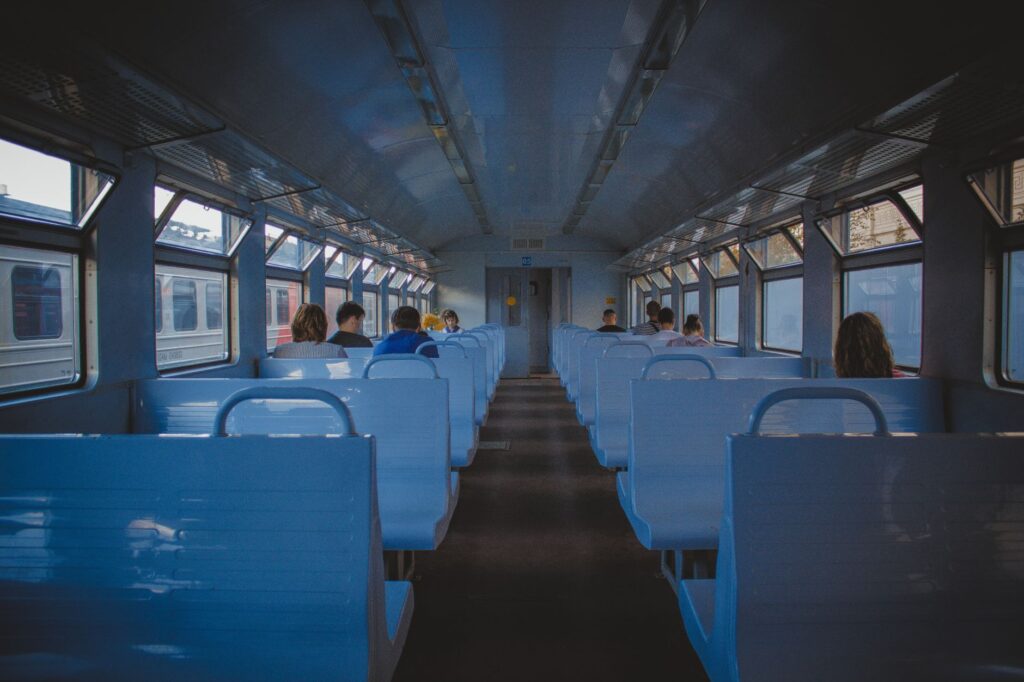
These buildings served more than a technical function; they acted as civic hubs in the middle of the steppe immensity. Entire neighborhoods, grain warehouses, and cooperatives grew around the stations, structuring the daily lives of generations of railway workers and their families, creating closed yet deeply rooted communities tied to the territory.
Today, many of these secondary stations have lost regular traffic due to rural depopulation and the primacy of road transport, yet they retain a melancholic dignity. Some have been restored as small local museums or tourist stops for the celebrated winter weekend express train.
The Tourism Resurgence: The Phenomenon of the Eastern Express
In recent years, the railway corridor between Ankara and Kars has undergone a radical transformation in public perception, shifting from an underfunded public service line to one of Eurasia’s most coveted tourism products. Known as the Eastern Express (Doğu Ekspresi) and its specialized tourist variant, the service has gone viral globally, attracting travelers hungry for authenticity and slow travel.
This renaissance has had a direct economic impact on local economies in traditionally disadvantaged provinces. Boutique hotels in historic Kars mansions, stone-carving workshops, and local gastronomy—anchored by gravyer cheese and roasted goose dishes—have found a steady clientele with higher purchasing power among the train’s passengers.
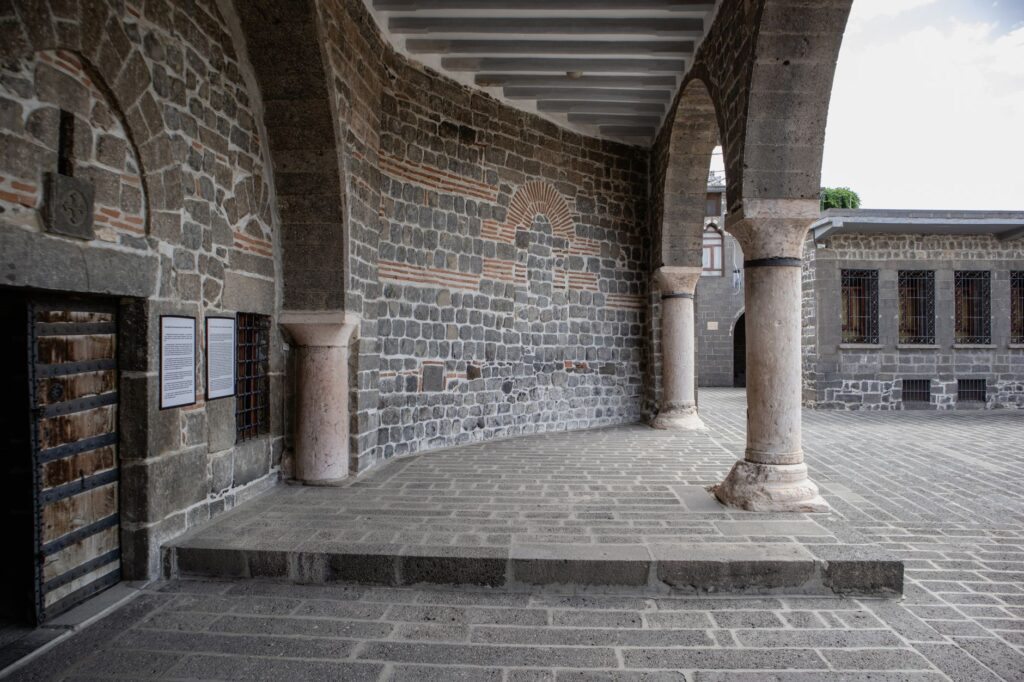
However, this commercial success poses new operational challenges for the state railway company TCDD, which must balance soaring demand for tourist berths with the obligation to provide accessible, reliable transport for local residents who depend on the line daily.
The train is not merely a means of shortening distances across the vast Anatolian steppe; it is a rolling archive where community memory, climatic harshness, and technical audacity merge into a single uninterrupted journey.
Transcontinental Connectivity: From the Caucasus to the Modern Silk Road
The horizon of the Trans-Anatolian Railway does not stop at Kars. Thanks to the recent inauguration of the Baku-Tbilisi-Kars railway corridor, this historic infrastructure has been fully integrated into the ambitious international project known as the Middle Corridor, which seeks to connect China with Western Europe via the Caspian Sea and the Caucasus, bypassing traditional northern routes.
This international connection has required modernizing signaling systems, adapting sections for high-capacity mixed traffic, and constructing intermodal logistics facilities capable of handling container transshipments between different track gauges at regional borders.

Thus, a line originally conceived to consolidate the internal administration of the Turkish state has transformed into a strategic cog in twenty-first-century commercial geopolitics, proving that classical railway infrastructure, properly modernized, remains unbeatable in energy efficiency and large-scale freight capacity.
Practical guide
Planning a rigorous journey along this historic railway corridor requires understanding the operational and logistical particularities of the Anatolian region.
- How to get there: The western starting point is Ankara Station (Ankara Garı), perfectly connected to Istanbul via frequent high-speed rail (YHT) services.
- The main journey: The complete trip between Ankara and Kars spans approximately 1,300 kilometers and requires around 26 hours of continuous travel aboard long-distance passenger trains.
- Tickets and reservations: Due to overwhelming demand for the tourist train (Turistik Doğu Ekspresi), berths must be booked months in advance via the official TCDD portal or through authorized agencies. Regular service tickets open for sale with a shorter lead time.
- Best time to visit: The months of January and February offer extraordinary winter landscapes and the classic experience of the snowy steppe, though they demand maximum flexibility regarding potential delays from severe storms. Autumn (September and October) stands out for climatic stability and the golden tones of the plateau.
- Recommended gear: High-mountain thermal clothing, slip-resistant footwear for icy platforms at intermediate stations, and light provisions, although trains feature a basic dining car service.
Silence on the Rails: The Last Light on the Kars High Plains
When the night convoy finally halts its progress in the eastern confines of Kars, the bustle of the journey yields to a reverential silence that only vast steppe expanses can grant. The imposing silhouette of the medieval citadel is etched against a twilight sky tinted in violets and copper tones, while the locomotive’s condensed steam slowly dissipates in the freezing night air.
In that final moment, the traveler understands that the true value of this crossing lies neither in speed nor in ephemeral luxury, but in the silent persistence of iron upon the earth. The wooden ties and steel profiles, laid more than a century ago by anonymous hands, continue to unite worlds, defy abysses, and offer a privileged window into the eternal geometric grandeur of Anatolia.