
The Invisible Geography of Deep Water
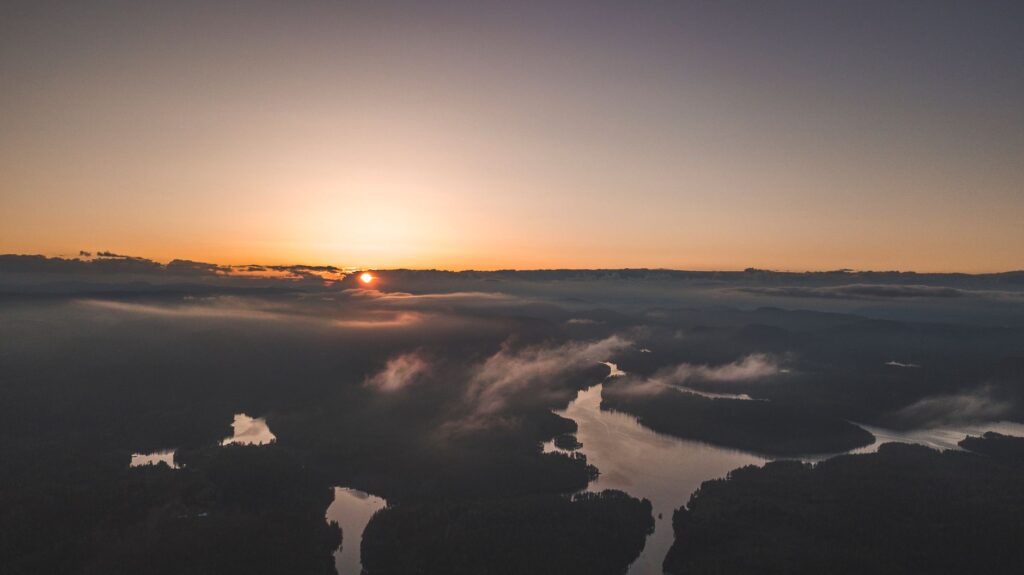
In the northwestern corner of the Iberian Peninsula, where the Miño River meanders to carve valleys of lush Atlantic vegetation, the earth conceals a secret of tectonic origin. Ourense is not merely a city of noble stone and Roman bridges; it is, by absolute right, one of Europe’s premier thermal capitals. Beneath the urban asphalt and the riverbed pulsates a network of geological faults that act as natural chimneys, pushing mineral-medicinal waters to the surface at temperatures exceeding sixty degrees Celsius. This phenomenon, independent of active volcanism, stems from a deep hydrogeological cycle where precipitation from the surrounding mountains filters kilometers underground, gradually warming via the geothermal gradient before emerging enriched with essential minerals.
The history of this territory is inextricably linked to this latent thermality. The Romans, acute connoisseurs of hydraulic engineering and the healing properties of hot waters, established a strategic enclave here known as Aquae Originis, capitalizing on the virtues of the As Burgas springs. Far from serving as a mere leisure resource, water in antiquity functioned as the backbone of physical and community health. Today, the recovery of these public and private bathing spaces has transformed the urban landscape, seamlessly integrating contemporary architecture of steel and glass with the centuries-old granite ashlar masonry that defines Galician identity.
For the contemporary traveler seeking genuine wellness tourism, exploring Ourense involves understanding a very specific liturgy. It is not about visiting a commercial spa detached from its surroundings, but rather tuning into a biological rhythm dictated by the temperature and chemical composition of each spring. The bicarbonate, sodium, and fluoride-rich waters bubbling up along the banks of the Miño possess proven sedative, anti-inflammatory, and dermatological properties. Each open-air pool or rehabilitated bathhouse functions as an observatory of the river landscape, where rising steam contrasts sharply with the crispness of the Atlantic air.
The Architecture of Steam and Stone
The dialogue between architecture and thermal water in Ourense constitutes an exercise in landscape respect and technical functionality. Along the banks of the Miño, popularly known as the thermal walkway, infrastructures range from nineteenth-century tradition to refined avant-garde design. Oak and chestnut timber walkways allow visitors to traverse the various bathing enclaves without disrupting the fragile riparian ecosystem, where alders and willows dictate the seasonal rhythm.
At Chavasqueira and Outariz, architectural design draws clear inspiration from the aesthetics of traditional Japanese bathhouses, masterfully adapted to the Galician context. Here, dry stone walls and slate roofs protect the immersion pools where water flows continuously, guaranteeing permanent renewal without artificial chemical additives. This constructive rigor is far from purely aesthetic; it responds to the imperative need to preserve the organoleptic properties of a natural resource that loses its therapeutic virtues if subjected to intensive chlorination or prolonged storage.
Integrating these enclosures into the river environment demands meticulous maintenance involving local geologists, hydrologists, and architects. The seasonal floods of the Miño River, which can drastically alter water volume during winter, have required the design of reversible or elevated structures. Ourense’s thermal engineering demonstrates that intervening in nature without violating its balance is entirely possible, creating a sanctuary where the human body regains tranquility through direct contact with primordial elements: stone, hot water, and noble wood.
Liturgy and Wellness: The Clinical Benefits of Fluvial Hydrotherapy
Immersing oneself in Ourense’s mineral-medicinal waters transcends the simple experience of muscular relaxation; it constitutes a hydrotherapy treatment validated by medical tradition and supported by constant physico-chemical analyses. The characteristics of the springs vary slightly across the city, offering a unique therapeutic range. The As Burgas springs, for instance, stand out for their sulfurous and fluoridated waters, particularly indicated for skin conditions and chronic rheumatic pathologies.
The traditional immersion protocol advises a leisurely progression. It begins with an acclimatization shower, followed by a gradual entry into the hottest pool, concluding with a brief resting period in the shaded lounge areas set beneath native trees. This controlled thermal shock stimulates the circulatory system, promotes peripheral vasodilation, and facilitates the elimination of toxins accumulated from everyday stress. Thermal medicine specialists insist that the true value of these stays lies in the mental detachment that accompanies the physical process.
blockquote>The hot water in Ourense is not a recreational artifice, but a living geological vestige connecting the contemporary traveler to the most ancient memory of the Iberian Peninsula.
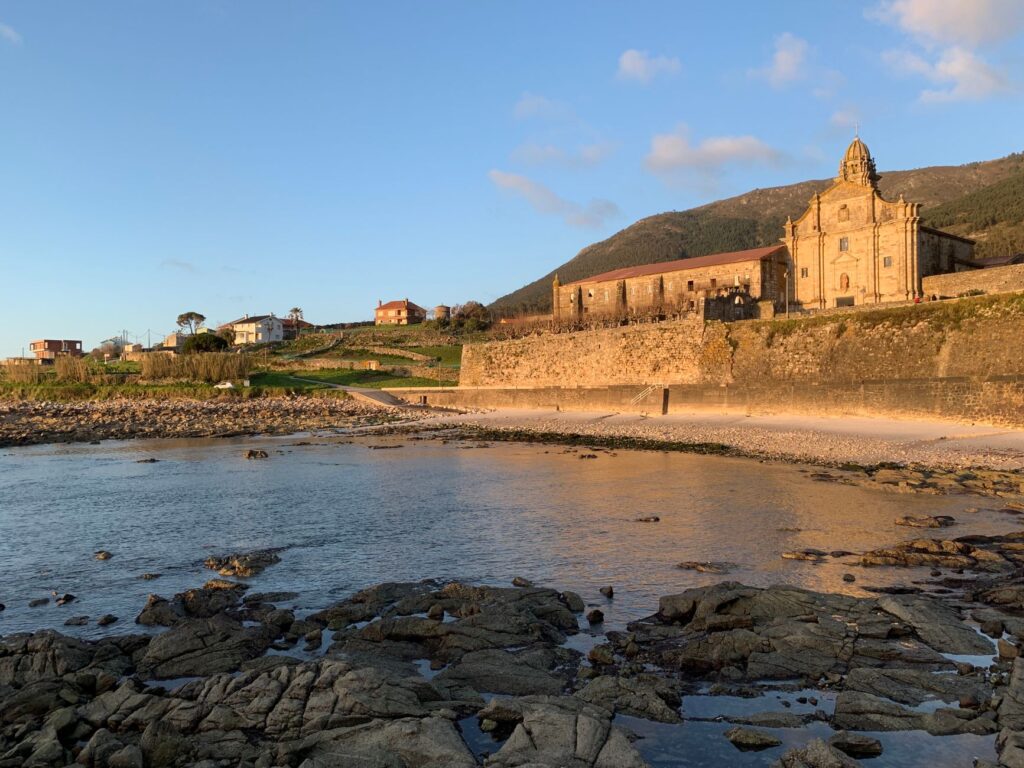
The respectful silence prevailing in public thermal enclosures fosters a form of collective meditation. Far from the bustle of conventional urban centers, bathers share an introspective space where conversations are reduced to the murmur of the river and the sound of steam dissipating into the crisp morning air. This tranquil atmosphere is, in itself, a therapeutic agent as potent as the minerals dissolved in the water.
Historical Heritage Linked to the Water Route
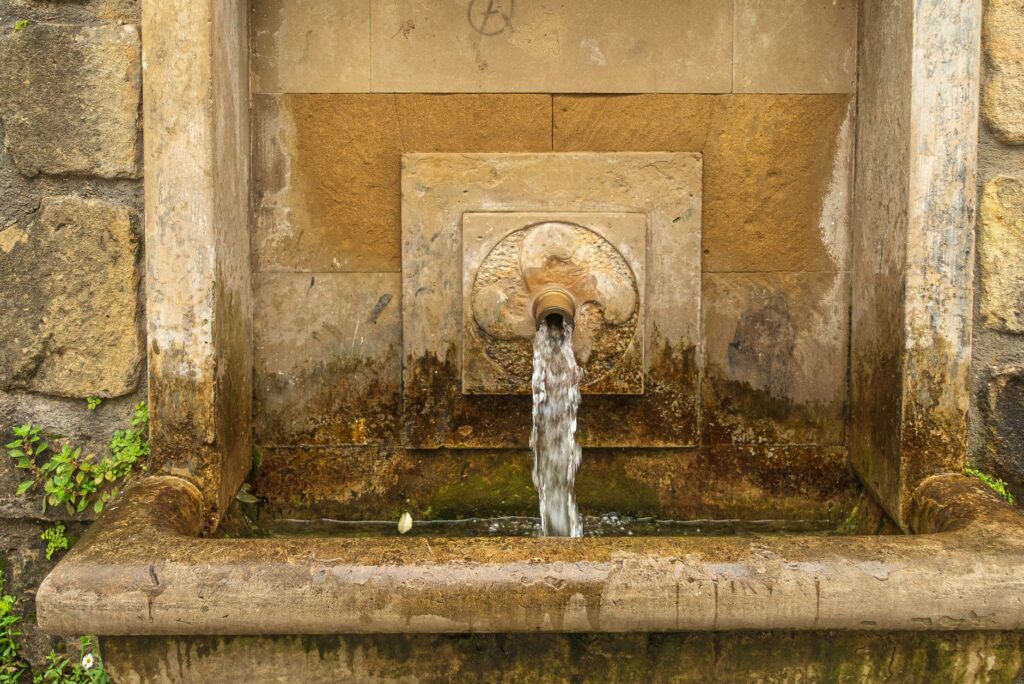
Understanding Ourense’s thermal culture requires turning one’s gaze toward its historic center, a labyrinth of cobbled alleys where granite stone recounts centuries of commercial and ecclesiastical history. Just a few meters from the Cathedral of San Martiño, the As Burgas spring greets visitors with a monumental nineteenth-century neoclassical fountain enclosing the archaeological remains of an ancient Roman structure. This triple spout, from which three hundred liters of water flow permanently per minute at a constant temperature of sixty-seven degrees Celsius, serves as the symbolic heart of the city.
Over the centuries, this steady flow has nourished not only the hygiene and health of its inhabitants, but also their collective imagination. Around As Burgas, legends were woven concerning miraculous healings and pagan cults Christianized with the advent of the Middle Ages. The recovery of thermal pools in recent decades has revalued this intangible heritage, connecting the Roman and medieval past with the demands of twenty-first-century travelers who demand authenticity and cultural roots.
A stroll through the historic core also reveals civil architecture where stone arcades and wrought-iron balconies shield against the Atlantic climate. Within this fabric, ancient taverns and cellars offer the perfect complement to the thermal experience: a gastronomy based on local produce such as octopus a feira, Ribeiro wines, and Ribeira Sacra reds, closing a circle of well-being that encompasses both bodily care and sensory enjoyment.
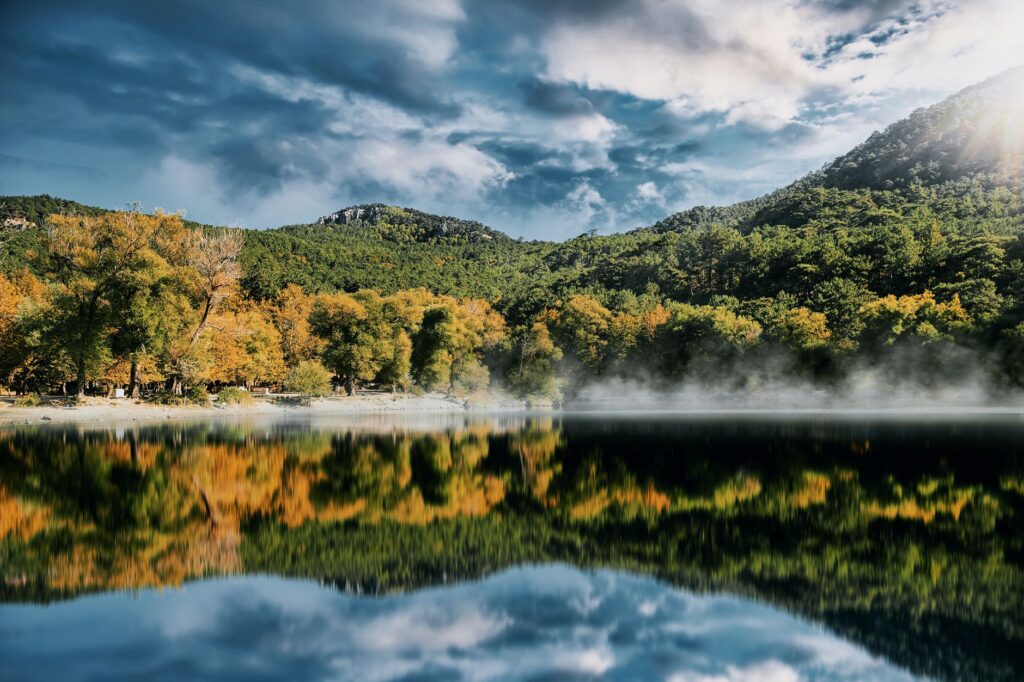
Sustainability and Management of the Thermal Resource
The rise of wellness tourism poses significant challenges in terms of environmental management and the preservation of water resources. In Ourense, local administration and the scientific community work closely together to guarantee that the increase in visitors does not compromise the flow or purity of subterranean springs. Unlike other mass-marketed thermal destinations where water is chemically treated and artificially recirculated, the Ourensan model relies on open, natural flow.
This continuous-flow system ensures that water used in the pools returns purified to the Miño River bed after meeting strict ecological protocols, avoiding any alteration of the fluvial ecosystem. The preservation of urban thermalism demands a delicate balance between tourist accessibility and hydrogeological protection. The pools feature limited capacities and daily bacteriological controls carried out by specialized laboratories, guaranteeing optimal health standards without altering the original mineral composition.
For the conscious traveler, this commitment to sustainability adds immeasurable ethical value to their experience. Knowing that the hot bath in which they relax forms part of a rigorously protected natural cycle transforms leisure into a respectful and enriching experience. The city thus positions itself as an international benchmark in the intelligent management of thermal heritage, demonstrating that tourism development can walk hand in hand with environmental conservation.
The River’s Rhythm: Flora and Fauna in the Fluvial Corridor
The surroundings of Ourense’s thermal baths also constitute a first-rate ecological corridor. The Miño River, along its urban and suburban stretches, acts as a sanctuary of biodiversity where native Atlantic riparian woodland species coexist with a rich aquatic avifauna. While enjoying an open-air hydrotherapy session at Outariz or Muiño da Vega, spotting grey herons, kingfishers, or cormorants using the riverbanks as hunting grounds and resting areas during migratory routes is entirely common.
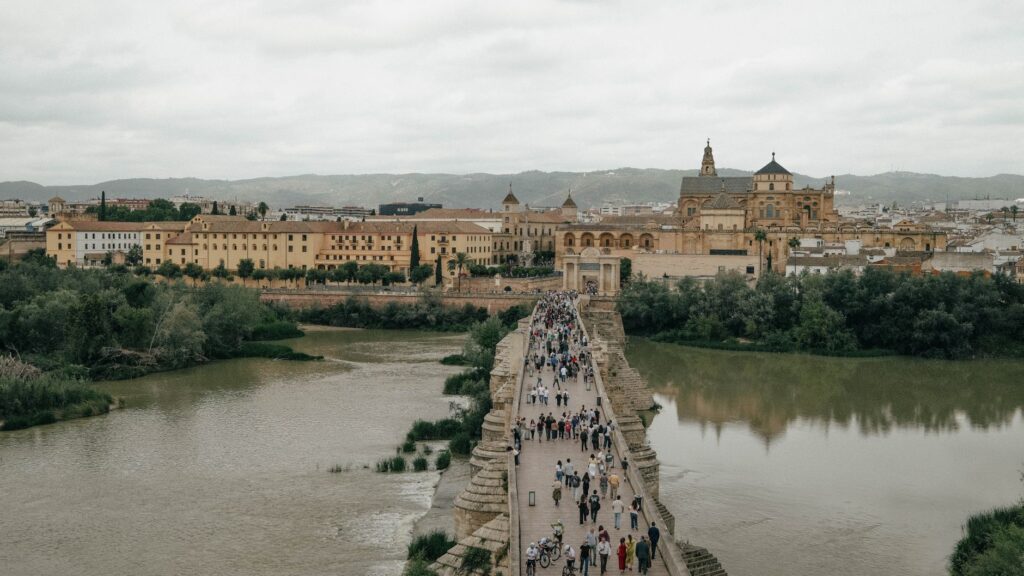
This direct contact with nature right within the urban fabric represents one of Ourense’s thermalism’s greatest appeals. Dense riparian vegetation, composed of ash trees, alders, birches, and willows, acts as a natural acoustic screen that isolates bathers from city noise, creating a microclimate of absolute calm. In autumn, the landscape turns ochre and gold, while spring returns floral bursts to surrounding hillsides, enriching the traveler’s sensory palette.
The conservation of this green corridor has been a priority in sustainable urban planning projects developed over the past decade. Restricting vehicular traffic on river margins and exclusively designating pedestrian and cycling paths have consolidated a slow-mobility model that invites visitors to explore the territory on foot, attuning to the unhurried pace of water and earth.
Practical guide
How to get there
Ourense boasts excellent rail connections, most notably the high-speed AVE train linking the city’s intermodal station with Madrid in just over two and a half hours. By road, it is easily accessed via the A-52 highway from Vigo and Benavente.
When to go
Any time of year is favorable, though autumn and spring offer an ideal thermal contrast between water temperature and exterior air. Winter, with its misty river mornings, lends open-air baths a particularly evocative atmosphere.
Recommended accommodations
Hotel Oca Gran Hotel in Ourense, located right in the historic center, combines classical elegance with modern comfort. For stays more focused on holistic wellness, thermal establishments with lodging on the outskirts offer specialized hydrotherapy packages.
Bathing rules and etiquette
Flip-flops, swimwear, and tied-back hair are mandatory. Constant hydration before and after bathing is strongly advised, and each immersion should be limited to a maximum of twenty minutes to prevent dizziness or blood pressure drops.
Local gastronomy
Sampling octopus a feira in the traditional taverns around the As Burgas neighborhood is a must, accompanied by Cea bread and white wine from the Ribeiro designation of origin.
The Echo of Water in the Traveler’s Memory
As evening mist begins to lift over the gentle waters of the Miño and pool steam merges with twilight shadows, Ourense reveals its most intimate truth. It is not merely a health destination or a catalog of well-preserved thermal infrastructure; it is, above all, an invitation to stop time. In this corner of Galicia, where the earth itself transpires warmth and minerals, the traveler realizes that true contemporary luxury does not lie in accumulating accelerated experiences, but in the capacity to tune into nature’s unhurried pulse.
Sitting on centuries-old stone after an immersion session, feeling the contrast of cool air on the skin and the lingering warmth deep within the body, equates to a subtle rebirth. The waters of As Burgas, Chavasqueira, and Outariz continue to flow undaunted, exactly as they did when Roman legionaries unlaced their sandals on these very banks. Upon leaving the city, the traveler takes away not only the memory of an unmatched river landscape, but the comforting certainty that sanctuaries still exist where time finally pauses to make room for what is essential.