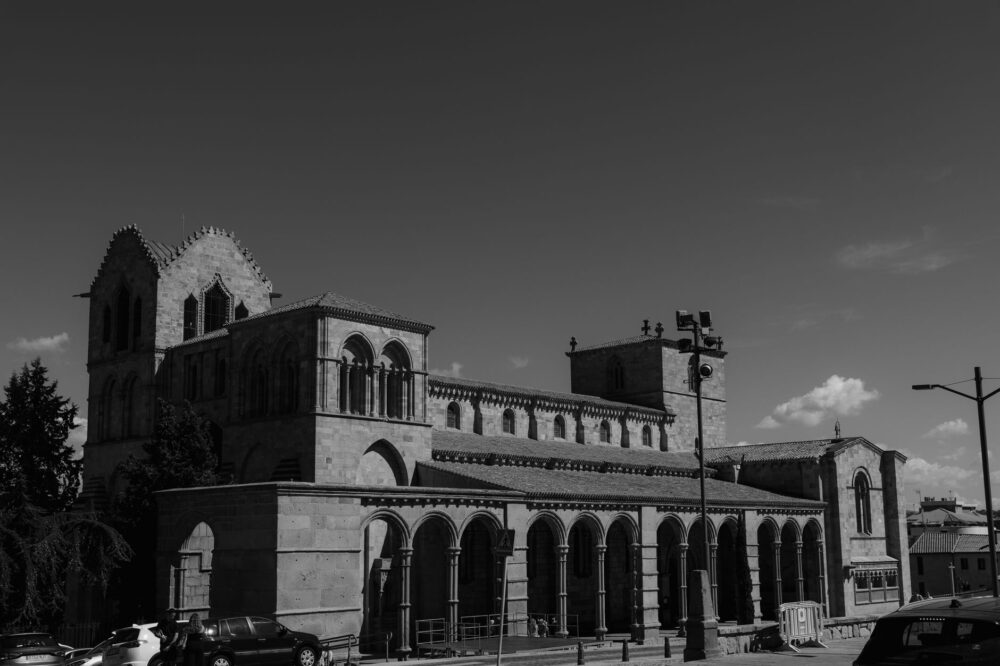

The bells of San Martiño Cathedral barely manage to pierce the morning mist rolling down the Miño valley, wrapping Ourense’s Roman bridges in a dense, mineral humidity. Just a few meters from the riverbed, in the heart of the old quarter, the forged iron doors of the Central Market swing open with the precision of a secular rite. There is no fanfare in this awakening; only the dull echo of chestnut wood crates sliding across hydraulic tile floors and the husky murmur of vendors recognizing their regular patrons by the sound of their footsteps. Here, in Galicia’s only inland provincial capital, the pantry does not pander to fleeting trends, but to a geography sculpted by water, stone, and a century-old isolation that has preserved the formulas of flavor intact.
This report delves into the inner workings of a food stronghold where the produce of the land and the river maintains its ancestral hierarchy. Through interviews with veteran stallholders, riverside producers, and chefs who reinterpret traditional repertoires without betraying their memory, we examine how this market and its immediate surroundings sustain one of the most unique gastronomic identities on the Iberian Peninsula. Far from being a mere supply depot, the building and its influence on the region operate as a living archive where each product tells a story of survival, climate, and community communion.
The Architecture of Cold and Stone
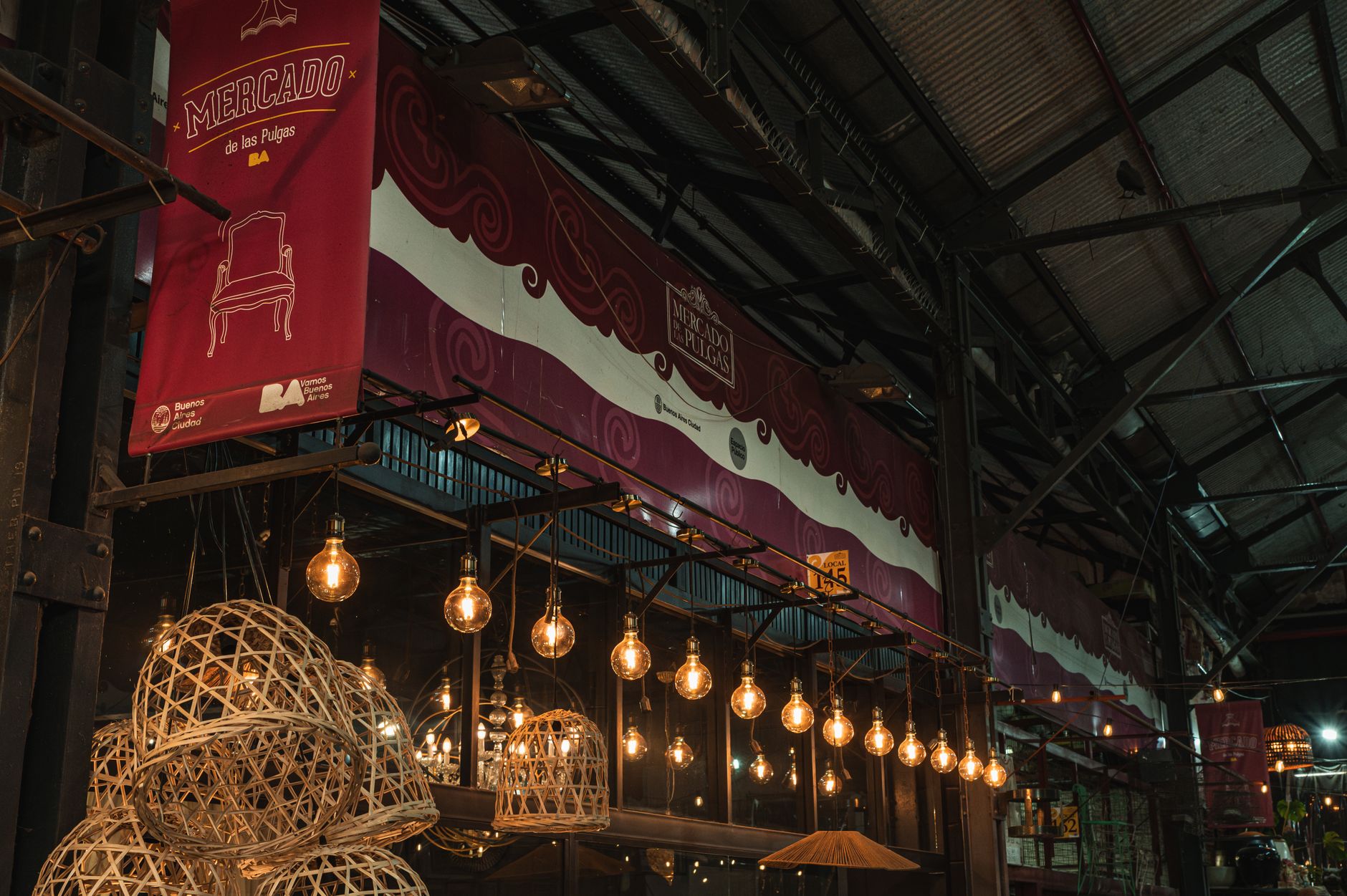
Inaugurated in the early 20th century and subjected to various respectful interventions on its original layout, the Ourense Central Market building is an exercise in functional architecture adapted to the needs of fresh produce. Its granite masonry walls act as a natural thermal barrier, protecting the goods from the summer extremes and winter frosts characteristic of inland Galicia. Upon crossing the threshold, the zenithal light filtered by the skylights illuminates an orderly mosaic of stalls where riverside market gardens coexist with the mycological treasures of the surrounding mountains.
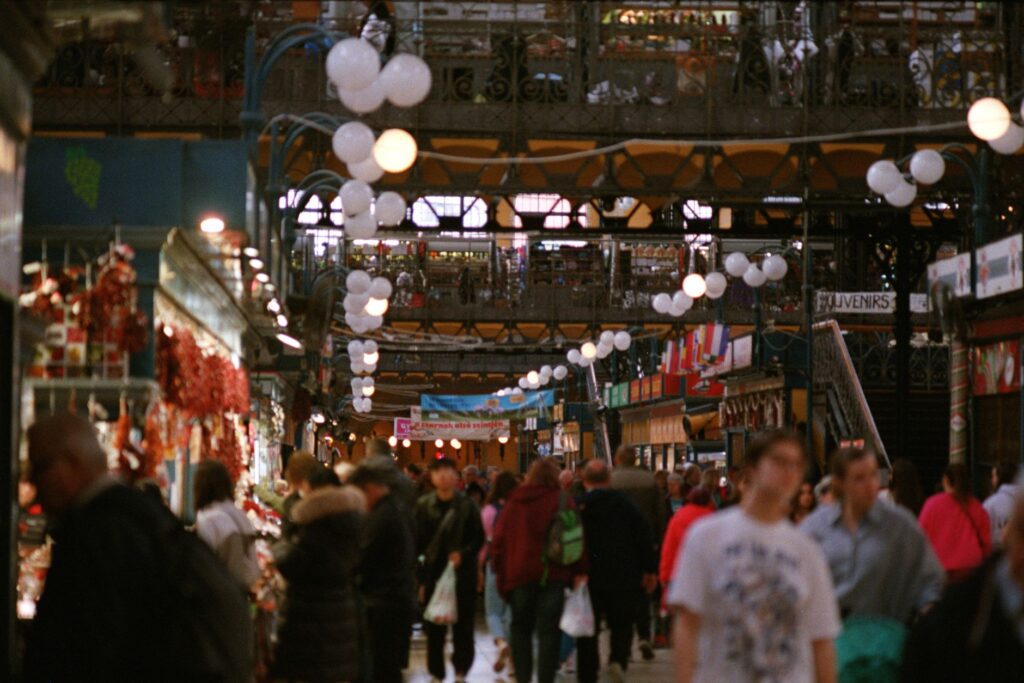
The interior layout is not whimsical; it obeys a climatic and conservation hierarchy. On the ground floor, closer to the water table and ventilated by cross-drafts, are the fresh fish and seafood stalls, arriving every dawn from Atlantic coast fish markets thanks to a transport network that has shortened distances without diminishing quality. Line-caught hake, octopus from the rias, and mollusks share space with river species such as trout and sea trout, caught in the trout preserves of the Miño and Sil rivers under strict local sustainability regulations.
The Guardians of the Counter
Behind each stall lie family sagas accumulating decades of empirical knowledge about seasonality, optimal ripeness, and the proper handling of each ingredient. Doña Carmen, who has sold vegetables for over forty years in the north wing, points with a precise gesture to some wild chard and medium-sized turnip greens. «The secret isn’t just in the soil, but in how rainwater runs clean down from the mountains and rests in the terraced plots before the plant drinks it», she explains while carefully trimming the withered leaves of a cabbage.
This constant dialogue between producer and customer is what distinguishes the market from impersonal supermarkets. Here, purchases come with advice included. If a product falls short of expectations due to a bad weather spell, the vendor does not hesitate to advise against the purchase or suggest an alternative. It is a relationship based on trust and accountability before a demanding clientele that cooks daily at home with the same rigorous standards as a fine dining restaurant.
The Pantry of the River Valley and Mountains
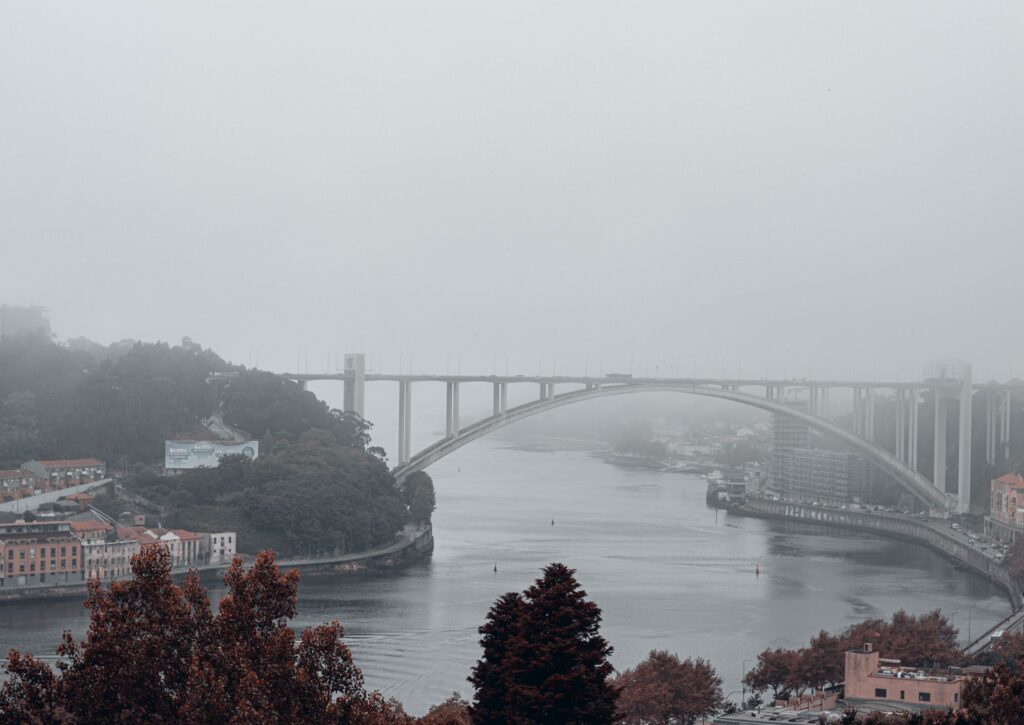
The perimeter feeding the Ourense market is a territory of extreme geographical contrasts. Just a few kilometers from the urban center, the river valleys of the Miño and Avia form warm microclimates where crops thrive that would seem impossible elsewhere in Galicia. O Couto peppers, renowned for their thin skin and characteristic sweetness, share the spotlight with winter pumpkins, green beans, and an infinite variety of legumes grown in small self-consumption plots.
On the surrounding slopes, where the terrain steepens and gives way to oak and chestnut forests, mushroom foraging forms another pillar of the autumn season. Cep mushrooms, Caesar’s mushrooms, and chanterelles arrive at the stalls straight from the hands of locals combing the mountains at dawn.
The Ourense mountain gives nothing away; it demands patience, respect for lunar cycles, and an encyclopedic knowledge of the shady groves where moss retains just the right amount of moisture.
This economy of subsistence and resourcefulness has deeply permeated the province’s everyday cuisine.
Octopus, Embers, and the Memory of Water
It is impossible to understand Ourense’s gastronomic culture without examining its symbiotic relationship with the quintessential cephalopod and the thermal springs bubbling throughout the city. Although Ourense has no sea, it is one of the world capitals of octopus, a tradition consolidated by the female vendors known as pulpeiras who historically descended from the Carballiño region to livestock fairs and urban markets.
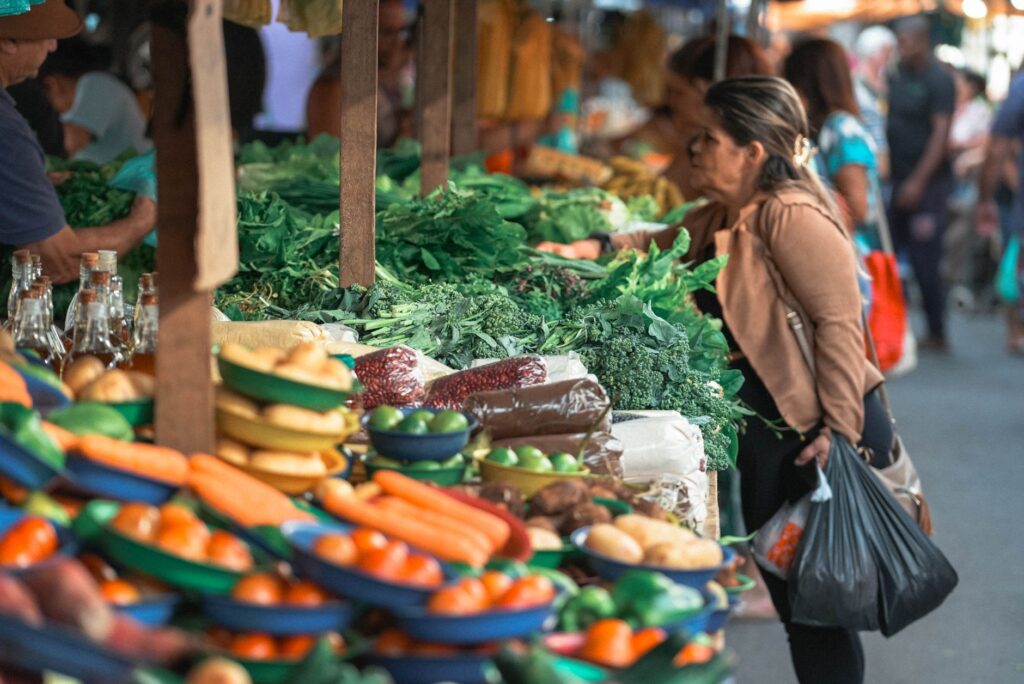
In the surroundings of the market, several century-old establishments continue to prepare pulpo á feira in large copper cauldrons, keeping alive a technique where water, coarse salt, pimentón, and extra virgin olive oil act as the sole components. This rigor in simplicity is the exact reflection of the area’s culinary philosophy: stripping the product of artifice so it can speak for itself. The texture must be firm on first contact yet melting on the palate, a cooking point achieved only after decades of craftsmanship and sensitivity to the behavior of fire.
Wines That Defy Time
No visit to the Ourense market and its surroundings would be complete without crossing the border of its wines, protected under denominations of origin such as Ribeiro, Valdeorras, or Monterrei. In the market aisles, some traditional stalls offer small tastings of wines made from native varieties like Treixadura, Godello, or Mencía—grapes rescued from oblivion thanks to the efforts of local winemakers committed to reviving vineyards on impossible terraced slopes.
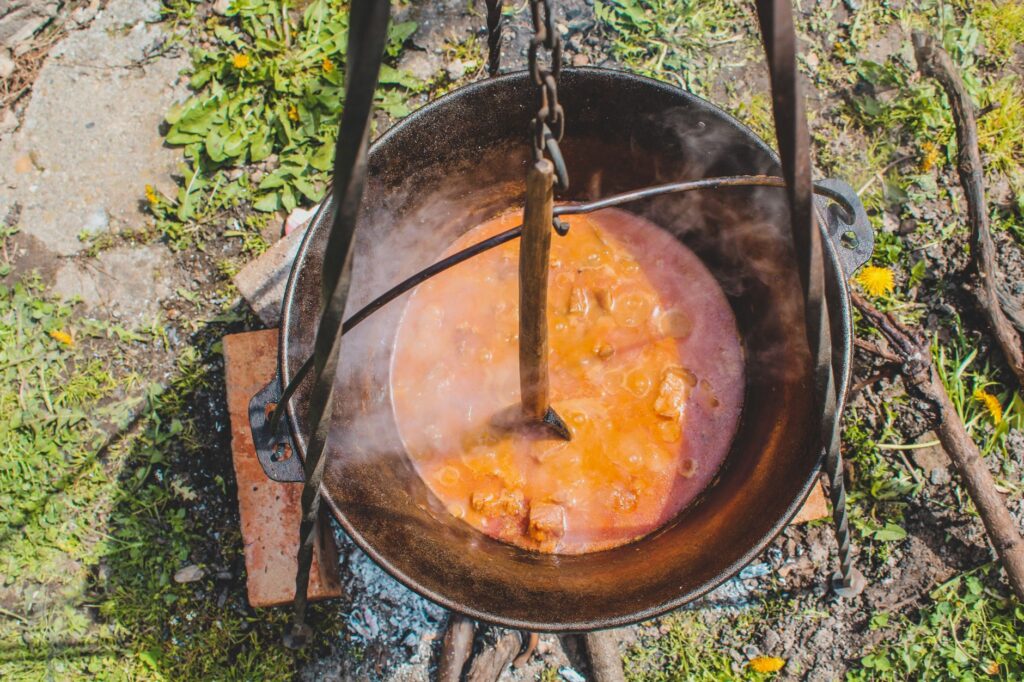
These wines, endowed with vibrant acidity and a minerality marked by slate and granite soils, are the natural accompaniment to hearty inland cooking. The balanced acidity of a Ribeiro white cuts through the richness of pork cold cuts made during the winter slaughter, while the Atlantic reds of Ribeira Sacra provide notes of red fruit and underbrush that complement game stews and Galician beef roasts.
Practical guide
How to get there: Ourense features high-speed rail (AVE) connections placing it just over two hours from Madrid. By car, it is mainly accessed via the A-52 highway from Sanabria or Vigo, and the N-120 from Ponferrada.
When to visit: The Central Market is open Monday through Saturday during morning hours (8:00 AM to 2:00 PM). Autumn and spring offer the best contrasts in fresh produce, with the mushroom season peaking in October and November.
Where to eat: In the immediate vicinity of the market, historic spots like the A Casiña bar and the taverns on Rúa do Paz offer traditional tapas based on the day’s catch. For a more formal experience, restaurants in the old quarter combine classic recipes with contemporary techniques.
Shopping tips: Visitors are advised to arrive early in the morning to find the widest variety of fresh fish and freshly cut garden vegetables. Carrying cash is recommended, though an increasing number of stalls accept electronic payments.
The Invisible Beat of Stone
As commercial activity winds down and the metal shutters begin to close at midday, the Central Market regains a solemn stillness that reveals the true scale of its architecture. In the surrounding streets, vapor from open-air thermal springs blends with chimney smoke and the persistent aromas of pot-brewed coffee and burning wood. Ourense remains a city that defends itself from the outside through its flavors, a refuge where modernity has failed to erase the trace of clay and torrent. Sitting down at a table in this pocket of stone is, ultimately, an act of faith in the permanence of the authentic—a reminder that the finest gastronomic treasures are never loudly proclaimed, but instead guarded zealously in the depths of the valleys, waiting for the patient traveler to dare discover them.