
The Geometry of Sun and Salt in the Far South
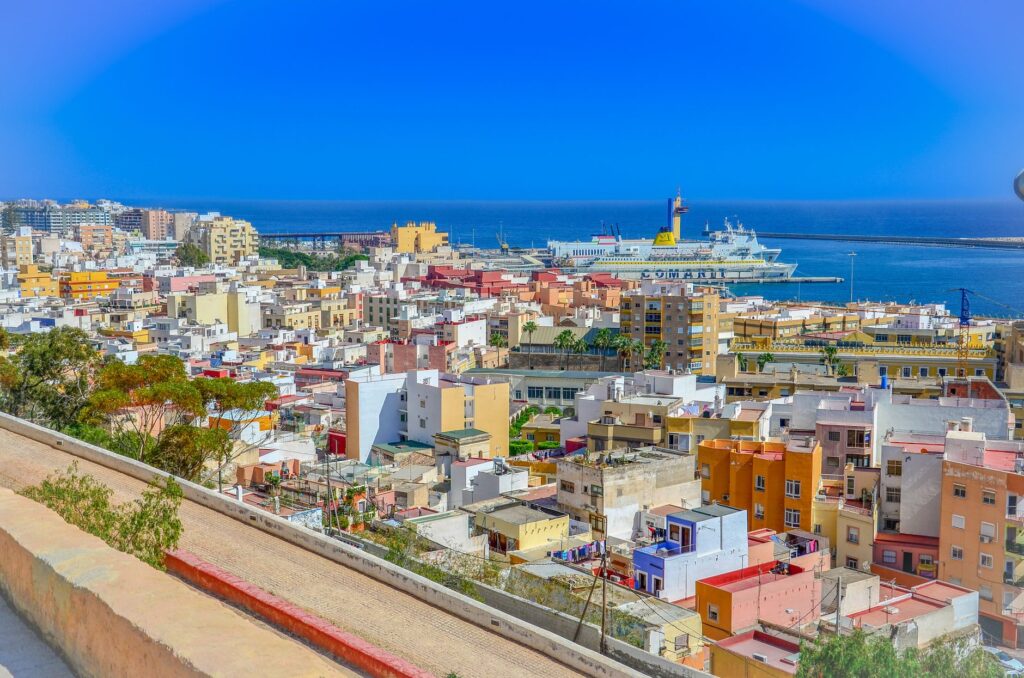
The traveler crossing the province of Almería in search of the keys to its cuisine soon understands that the table here is not a simple receptacle for products, but the result of a millenary negotiation with scarcity. At the southeastern tip of the Iberian Peninsula, where scarce rainfall turns the landscape into a geography of dry ravines and volcanic silhouettes, feeding the population has historically required superlative agronomic intelligence. The relentless light of Cabo de Gata and the dry western winds are not merely meteorological accidents; they are the conductors of an invisible orchestra that determines what grows, how it is preserved, and how such a scarce resource is transformed into a marvel of flavor. In this confine where the desert meets the sea, the local larder defies every cliché about the green and humid peninsula.
To understand this territory, one must dive into its neuralgic core—that point where the fish brought in at dawn from the port converges with the harvests of the interior and coastal valleys. Almería’s Central Market, erected in the late 19th century under the canons of iron and glass architecture, operates today as a living organism where the memory of several civilizations beats. Here, the echoes of the Andalusian heritage—with its mastery of preserves, aromatics, and precise frying—intersect with the contemporary urgency of a land that feeds half of Europe. Walking through its aisles in the early morning hours is to witness an uninterrupted performance of local commerce, where vendors proclaim the virtues of goods that exist only in this corner of the map. The market is not a mere supply point, but the living archive where the community of Almería validates its identity every day through the palate.
Iron Architecture and Commercial Pulse
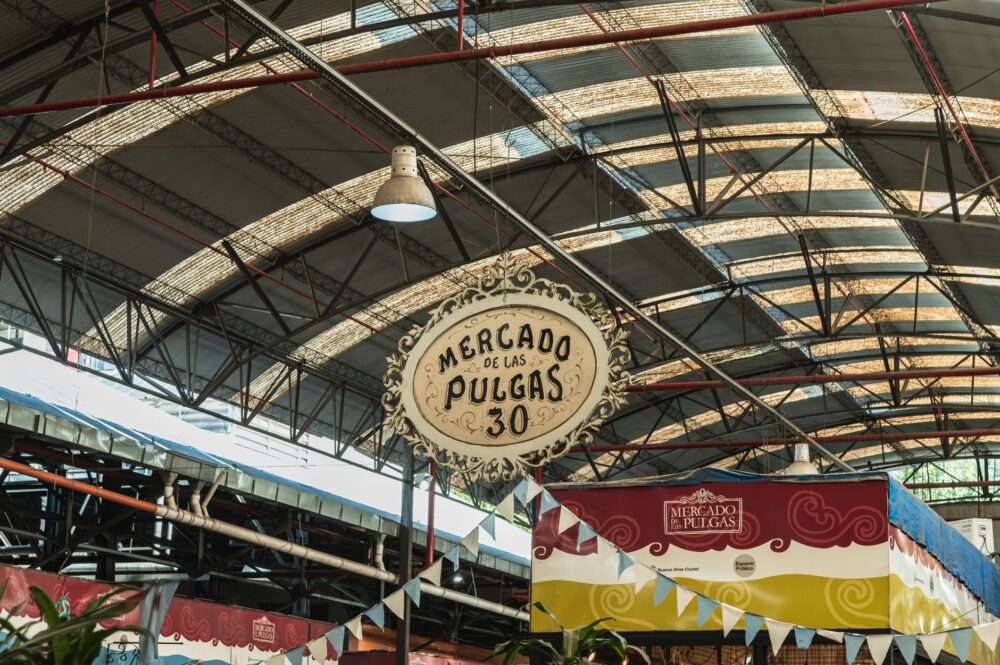
Officially inaugurated in 1893 following a complex project designed by municipal architect Trinidad Cuartara, the Central Market—popularly known as the Plaza de Abastos—marked a radical break with the city’s traditional mercantile habits. Its cast-iron structure, inspired by the great railway stations and Parisian markets of the era, allowed for unprecedented zenithal lighting and cross-ventilation, which was essential for keeping fish fresh under scorching summer temperatures. Upon entering through its main doors, the gaze rises toward the metallic trusses supporting the roof, an industrial framework that contrasts vividly with the chromatic explosion unfolding in the stalls below. The cast-iron columns and exposed brick walls hold the secret of decades of transactions, friendly arguments over the quality of produce, and a constant flow of buyers seeking excellence in their daily provisions.
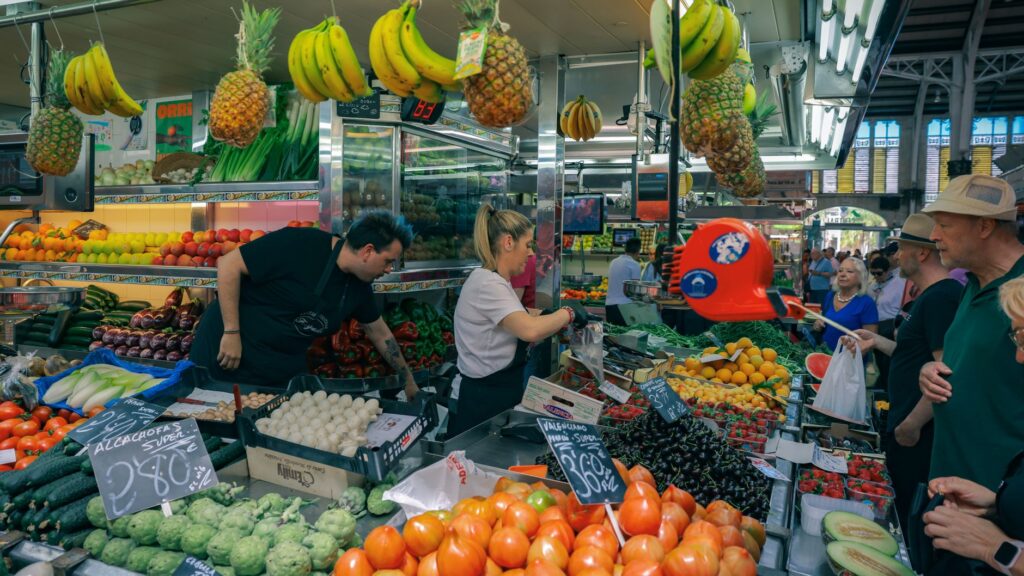
The interior layout reflects an almost perfect zoning of the province’s resources. In the aisle dedicated to sea products, the stainless steel counters gleam under white lighting that enhances the cobalt blue of blackbellied rosefish, the living silver of sardines, and the fiery red of Garrucha’s red prawns. Simultaneously, the produce stalls display a geometric perfection that often generates misunderstandings in the unwary traveler. This is not commercial artifice, but the culmination of a unique productive model in the world: the plastic sea of western Almería, a kilometer-long surface of greenhouses that has turned this arid strip into the great horticultural pantry of the continent. The technical precision in covered cultivation allows for harvesting native tomato varieties, thick-fleshed peppers, and crisp-skinned zucchini with freshness standards difficult to match in other peninsular latitudes.
The Hydrological Miracle of Western Almería
A few kilometers westward from the capital, the landscape changes drastically into what sociologists and agronomists call the Poniente almeriense. Municipalities like El Ejido, Roquetas de Mar, or La Mojonera form a surreal landscape seen from the air: a white, continuous blanket of plastic reflecting the sun’s rays, creating an artificial microclimate that optimizes every drop of available water. What might look like landscape aggression to the unprepared visitor is actually a sophisticated ecosystem of agrarian engineering based on extreme water saving and biological pest control. Here, traditional farmland has been replaced by layers of beach sand and manure—the celebrated *enarenado* system—which acts as a natural thermal insulation and retains scarce nighttime moisture.
In this territory of covered plains, the relationship with water is a matter of economic and cultural survival. Local farmers have perfected localized drip irrigation systems that make use of every last molecule of underground aquifers and desalination plants, turning Almería into a global benchmark for water efficiency within intensive agriculture. The fruits born beneath these structures do not seek industrial standardization; on the contrary, the best producers recover traditional seed varieties such as the *Pera de Almería*, *Raf*, or *Muchamiel* tomatoes, seeking that millimetric balance between acidity and natural sugars that is only achieved when the plant suffers slightly from groundwater salinity. The true secret of Poniente lies in this constant tension between the aridity of the environment and the human intelligence that manages to extract sweetness and fleshiness from a seemingly sterile soil.
The Seafaring Liturgy: From Trawling to the Red Prawn
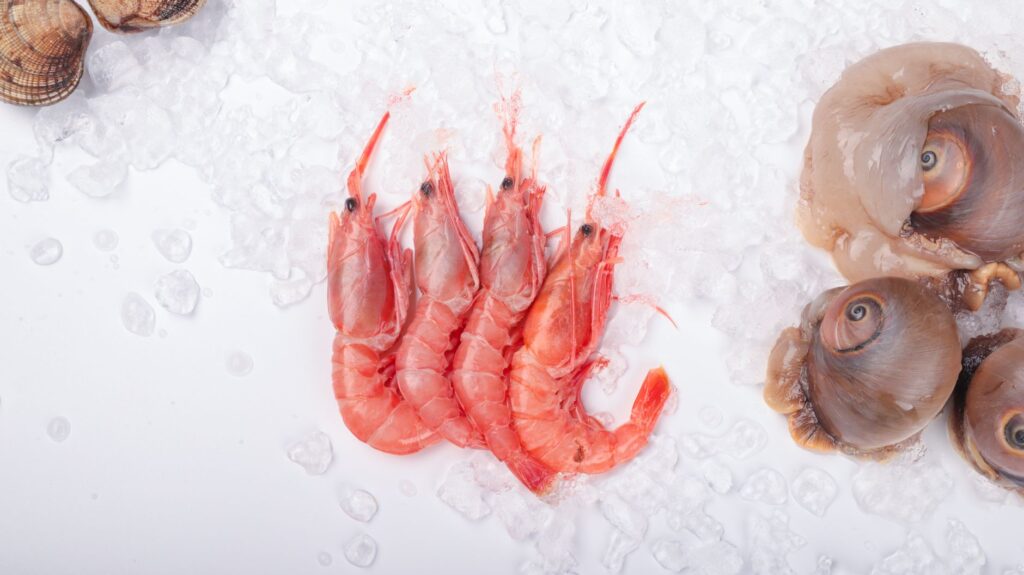
If Poniente’s vegetable garden provides color and sugar, Almería’s sea injects iodine and saline depth that define the provincial cuisine. The fishing fleet operating in ports such as the capital, Adra, or Garrucha fishes in waters of great bathymetric wealth, where sandy and rocky bottoms harbor species of exceptional quality. The undisputed jewel of this underwater crown is the Garrucha red prawn (*Aristeus antennatus*), a crustacean captured via traditional deep-sea trawling known for its intense scarlet color and a concentration of marine flavor in the head that leaves the most demanding diner speechless. Its ideal cooking method is radically simple: barely a few seconds on a hot griddle with a touch of coarse salt so that the heat awakens the juices without altering the buttery texture of its flesh.
Alongside the red prawn, the market and local fish auctions bustle with less media-friendly species that are fundamental to popular recipes. The John Dory (*Zeus faber*), with its firm loin and characteristic black ocelot spot, is filleted to prepare gelatinous broths or fried in thick slices after a light dusting of durum wheat flour. Horse mackerel, Atlantic mackerel, and wedge sole—the latter true shallow-water delicacies—complete a range where the exact fat of oily fish contrasts with the acidity of local citrus and extra virgin olive oil from the Vélez region. Eating fish in Almería is an exercise in absolute respect for the product, where heavy sauces are banished in favor of preparations celebrating current freshness.
The Recipe Book of Scarcity: Migas, Gurullos, and Broths
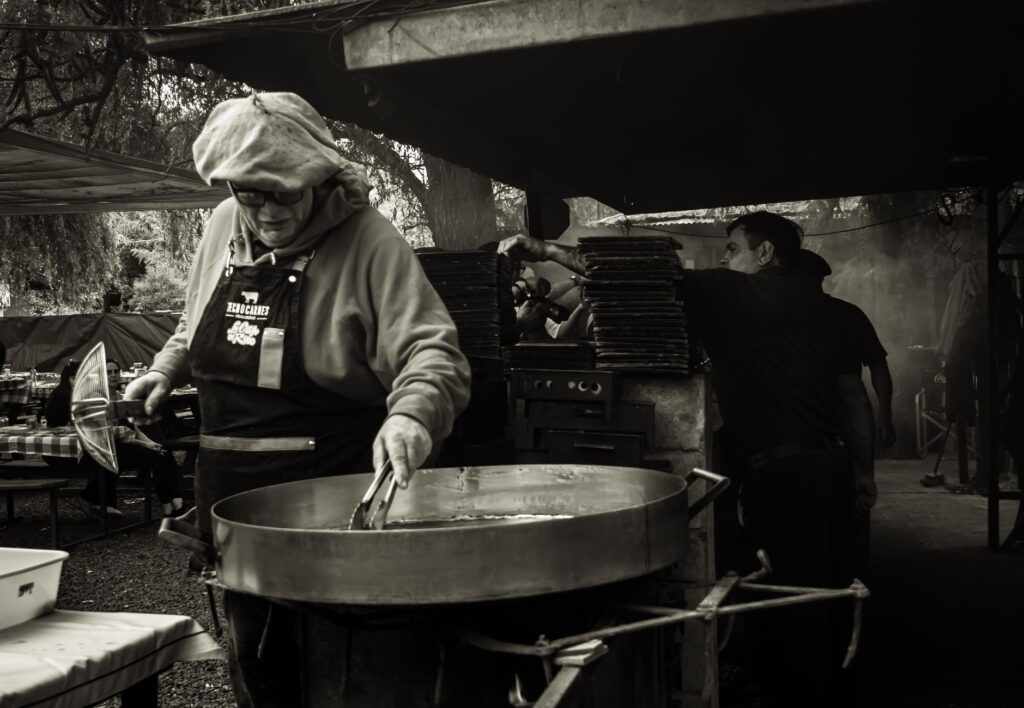
Almería’s culinary anthropology is anchored in the necessity of transforming humble ingredients into comforting, caloric dishes capable of sustaining long workdays in the fields or at sea. Among all traditional preparations, wheat semolina *migas* hold an almost sacramental place. Unlike Castilian versions based on stale bread, Almerian *migas* are made by slowly simmering wheat semolina with water, oil, and salt until a granulated, loose texture is achieved, traditionally accompanied by slaughterhouse products, grilled sardines, fried peppers, and seasonal tidbits like spring garlic or grapes. Eating *migas* in Almería is an unnegotiable social act, especially on rainy days—those rare occasions when overcast skies gift water to the desert—when families and groups gather around the large pot.
Another hidden treasure of local stoves is *gurullos* with rabbit or snails. *Gurullos* are an artisanal pasta made by hand by rubbing small fragments of wheat semolina dough between the palms until they take on an elongated shape reminiscent of a thick cereal grain. This pasta is stewed in clay pots with a dense sofrito of tomato, dried sweet pepper, garlic, and small game meat available in the interior sierras, such as hare or wild rabbit. The result is a dense dish, deeply aromatic thanks to cumin and paprika, demonstrating how the Almerian larder has leveraged the resources of interior drylands. Traditional Almerian cuisine is a lesson in domestic economy elevated to high popular cuisine through sheer survival talent.
The Silent Revolution of New Temples
In recent years, Almería’s gastronomic landscape has undergone a fascinating metamorphosis. Without losing respect for the roots of popular recipes, a new generation of cooks and restaurateurs has decided to reinterpret the local product under a contemporary lens, proving that the cuisine of the southeastern peninsula has its own voice on the national scene. These chefs do not seek effect-driven artifice, but rather delve into the purity of the ingredient: calibrating the exact cooking of rock fish, enhancing the texture of tomatoes grown in Poniente’s greenhouses through gentle fermentation techniques, or rescuing nearly forgotten native almond and citrus varieties. The Central Market and its surroundings have become the nursery of suppliers where these professionals source daily, maintaining an indestructible umbilical cord between the primary sector and haute cuisine.
This culinary rebirth also extends to the culture of tapas, a sacred institution in Almería that acquires its own nuances here. Unlike other provinces where the tapa is a testimonial accompaniment, in the bars of the historic center and near the port, ordering a drink gives the right to choose a hearty, elaborate tapa, ranging from a bowl of soupy rice to a *cherigan*—the emblematic toasted bread slice with aioli and various fish or sausage variants. Haute cuisine and the neighborhood bar coexist in Almería without friction, sharing the same respect for raw materials and a radically hospitable vocation toward the traveler sitting at their table.
Practical guide
Planning a gastronomic trip to Almería requires understanding local rhythms and the geographical peculiarities of a province as vast as it is diverse. Essential recommendations are detailed below to make the most of the experience.
- When to go: Spring months (April to June) and early autumn (September to November) offer ideal temperatures for touring both the capital’s market, Poniente’s greenhouses, and interior villages without suffering extreme summer heat.
- How to get there: Almería airport has regular domestic connections. However, the most practical option to explore the province freely is car rental at the airport itself or at the capital’s intermodal station.
- The Central Market: Located in Almería’s curved Plaza (Calle Jovellanos), it opens Monday to Saturday morning hours (8:00 AM to 2:30 PM). It is advisable to visit between 9:00 AM and 11:00 AM to see the produce at its peak and chat with vendors.
- Essential gastronomy: One must not leave the province without tasting Garrucha red prawns at a coastal fish market or restaurant, semolina *migas* at a traditional interior inn, and *gurullos* with rabbit. In the produce section, look for authentic locally grown *Raf* tomatoes in season.
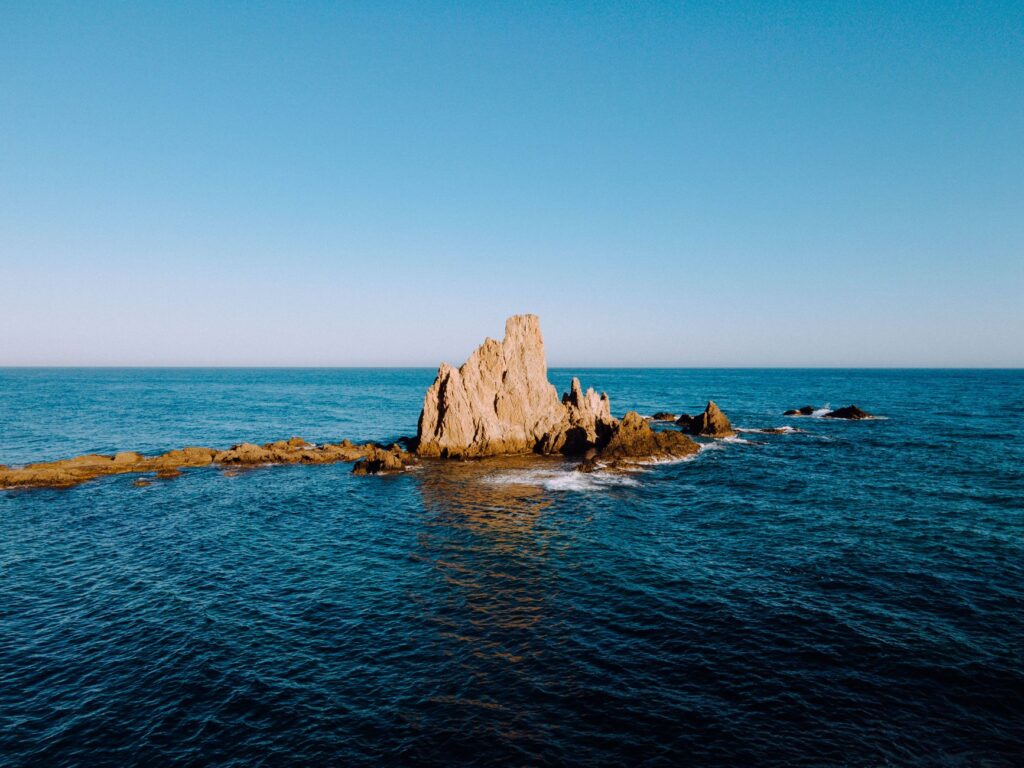
- Recommended lodging: For an urban immersion, boutique hotels in Almería’s historic center allow walking to the market and main tapas bars. If coastal nature contact is preferred, traditional lodgings in Cabo de Gata Natural Park offer an exceptional landscape counterpoint.
Almería’s cuisine is the triumph of memory over aridity: a territory where every dish tells the story of those who learned to extract the miracle of flavor from a thirsty land and an indomitable sea.
Emotional Epilogue: The Flavor of the Last Sip
When the sun begins to set over the silhouettes of the Alcazaba and the bustling Central Market gives way to the silence of lowered awnings, Almería reveals its most intimate and melancholic face. It is the moment when the terraces of fishing neighborhoods like La Almadraba de Monteleva or Poniente’s beach bars dim slightly, allowing the rhythmic murmur of a Mediterranean washing dark sand beaches and ancient salt flats to be heard. Sitting by the sea at this sunset, with a glass of local white wine—backed by the salty breeze climbing from the horizon—is to understand that the gastronomy of this Andalusian confine is not merely a sum of techniques and products, but a form of vital resistance. Here, where nature imposes its severest rules, humanity has built a culture of good eating based on generosity, ingenuity, and profound respect for the elements. The traveler who has walked its market halls, its white-light fields, and its shared tables then understands that Almería is not simply visited: it is inhabited through the palate, letting its harsh and luminous flavor linger in memory long after the return journey has begun.