
On the banks of the Guadiana River, the city of Badajoz beats to the slow yet relentless rhythm of a frontier that for centuries has served as a crossroads, a refuge, and a meeting point. In the heart of its historic district, the Central Market stands not merely as a supply hub, but as the grand agora where the fruits of Extremadura’s land converge. Crossing its doors at dawn is to step into a universe where time seems to fold, respecting the cycles of the dehesa and the ancestral wisdom of those who work the land.
This report explores the profound connection between traditional Badajoz recipes and the vast horizons of the plains surrounding the city. From the stalls where the treasures of the Iberian pig are butchered to the small river gardens that sustain popular recipes, Badajoz proudly claims a culinary identity built on intelligent austerity, wild produce, and absolute mastery of the ember.
The Architecture of Provision and the Extremadura Awakening
The market building, with its functional and luminous structure, hosts a precise choreography every morning. The vendors arrange their cuts with the same solemnity a jeweler displays precious gems. Here, the produce is not merely exhibited; it is narrated through the eyes of butchers and greengrocers who inherited their trade from parents to children. The stone and iron walls echo with commercial transactions whose essence has barely changed over decades.
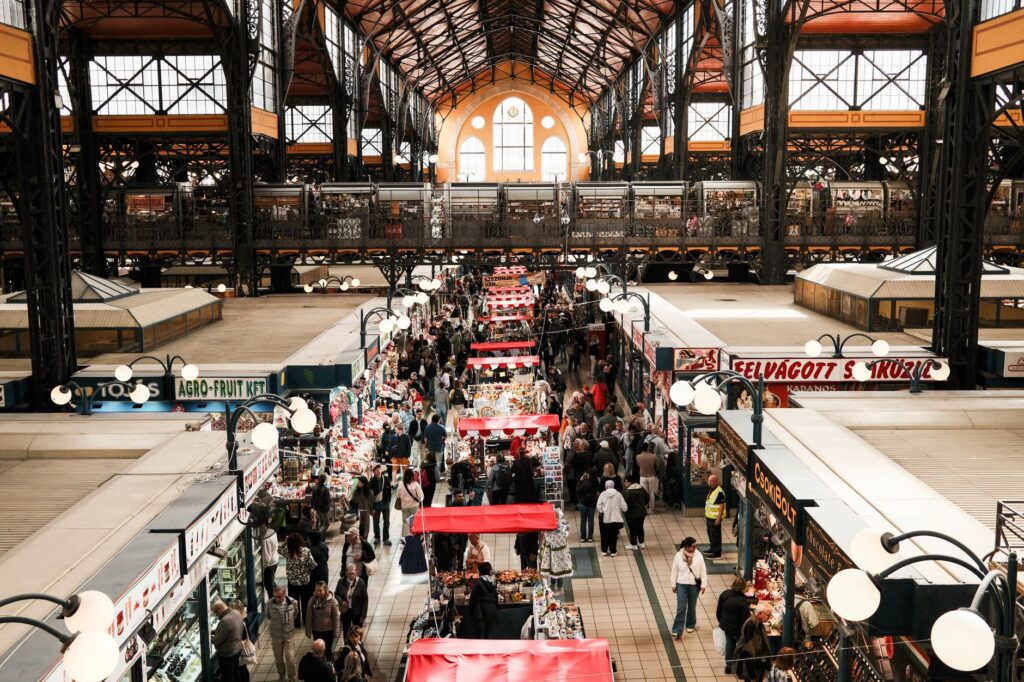
In the central aisles, the aroma of Vera paprika mingles with the freshness of freshly cut wild herbs. Vendors explain with an apothecary’s patience the virtues of each tomato variety or the exact curing point of a regional goat cheese. This initial contact with the market defines the daily pulse of a city that understands the table as the primary space for socialization and collective memory.
The Realm of the Dehesa: Among Holm and Cork Oaks
A few kilometers beyond the urban walls, the landscape transforms into a silent, green sea: the Extremadura dehesa. This unique ecosystem, shaped by human hands over centuries, is the sanctuary of the free-range Iberian pig. During the autumn and winter months, the montanera turns the dehesa floor into a golden carpet of fallen acorns that the animals forage freely, acquiring that characteristic fat infiltration that defines the world’s finest ham.
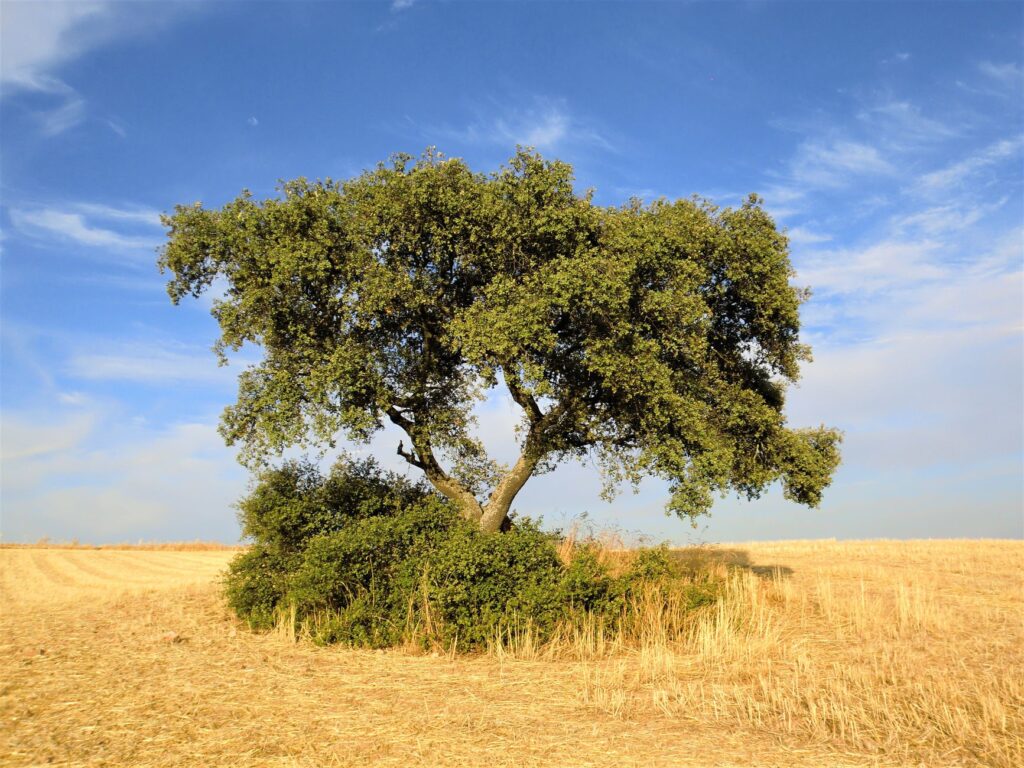
The relationship between the herdsman and the animal borders on the liturgical. Every holm oak and cork oak plays a fundamental role in the trophic chain sustaining this gastronomic miracle. In local bakeries and curing cellars nestled in the foothills of the province, the curing process is governed by patience and absolute respect for the dry winds sweeping down from the Sierra de San Pedro.
The Cult of the Iberian Pig and the Culture of Butchery
Inside the Badajoz market, the meat stalls are true temples of pork products. Far from limiting themselves to prime cuts, traditional Badajoz butchery boasts total utilization bordering on anthropological genius. The pluma, abanico, carrillera, and secreto are treated with the exact same respect as the loin or ham, proving that in Extremadura cuisine, waste does not exist.
Local butchers explain with surgical precision how each cut demands a different cooking technique. While direct embers enhance the virtues of fatty, juicy meats, slow-cooked stews require long hours of simmering where bone and rendered fat impart unparalleled depth to the broth. This mastery of fire and produce turns every meal into a celebration of rural endurance.
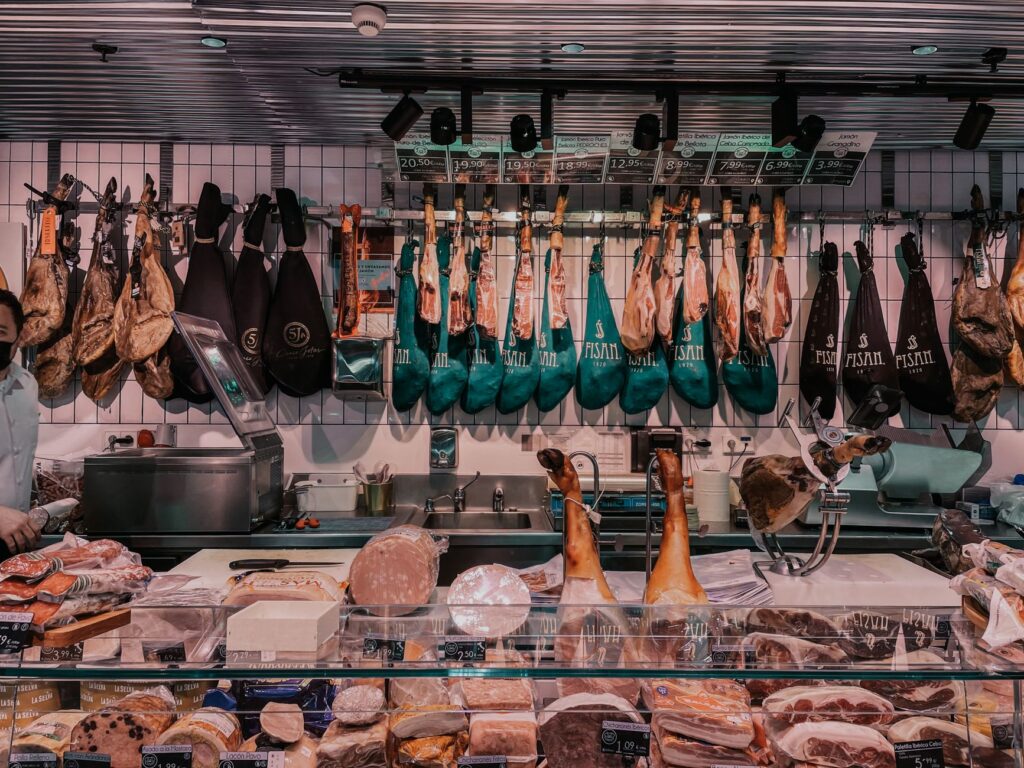
The Iberian pig is not merely the backbone of our economy; it is the invisible thread weaving together our landscape, our memory, and our way of understanding slow time.
The Hidden Treasures of the River Gardens
Yet the Badajoz pantry does not live by dryland farming and extensive livestock alone. The floodplains and riverbanks of the Guadiana contribute a vibrant vegetable palette that balances the heartiness of the meats. In the vegetable stalls, seasonal greens shine with their own light: wild chard, cardoons, tagarninas, and an infinite variety of peppers starring in the region’s potages and gazpachos.
The foraging of wild plants is an endangered art kept alive here by the elders. Venturing into the countryside in search of wild asparagus or thistle mushrooms forms part of an unwritten calendar dictating the rhythm of domestic cooking pots. These humble ingredients, combined with a drizzle of local extra virgin olive oil and a touch of garlic, transform into elevated popular cuisine.
The Art of Bread, Oil, and Wine at the Table
No analysis of Badajoz’s gastronomy would be complete without mentioning the silent pillars accompanying every dish. Cateto bread, with its dense crumb and toasted crust, acts as the indispensable vehicle for mopping up memorable sauces and broths. Its creation, based on sourdough and long fermentations, resists the push of industrial baking.
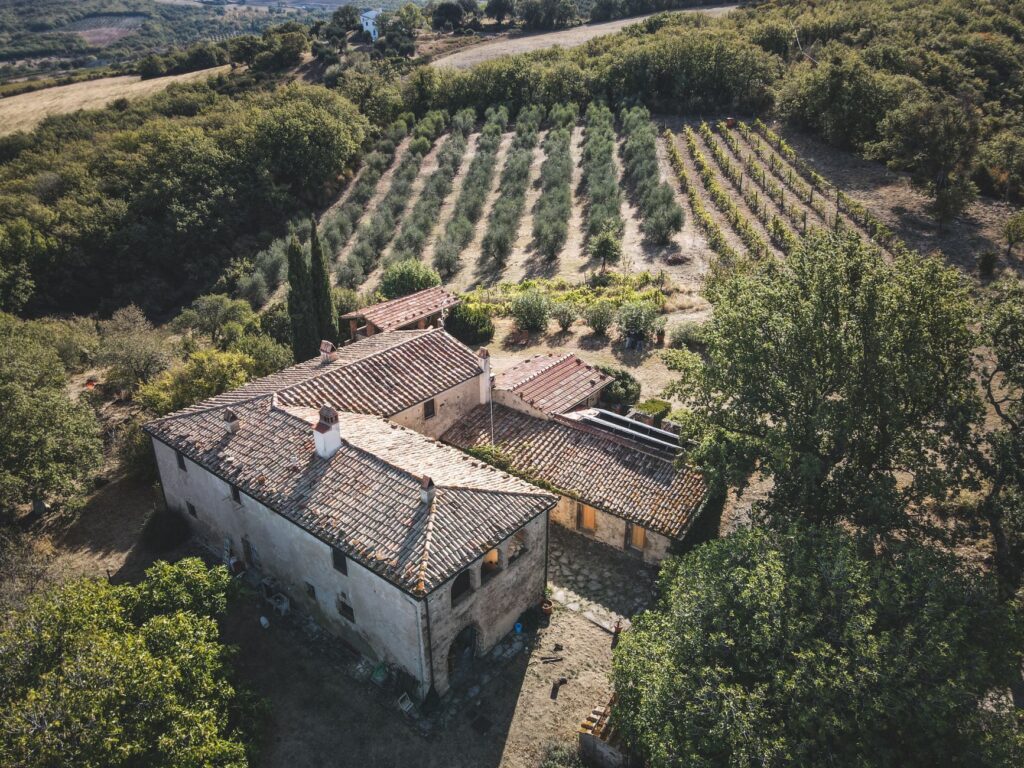
Alongside it, extra virgin olive oils from native varieties like Manzanilla Cacereña or Cornicabra impart herbaceous notes and an elegant bitterness that awakens the senses. As for wines, bottles from the Ribera del Guadiana Designation of Origin, aged under the relentless sun of the plains, offer the perfect structure to pair with the power of the dehesa’s bounty.
From Tavern to Tablecloth: Evolution Without Artifice
In recent years, Badajoz’s restaurant scene has successfully struck a delicate balance between preserving classic recipes and contemporary curiosity. Young chefs trained in top culinary schools have returned home to reclaim their grandmothers’ recipes using precision techniques, avoiding unnecessary artifices that mask the genuine flavor of the produce.
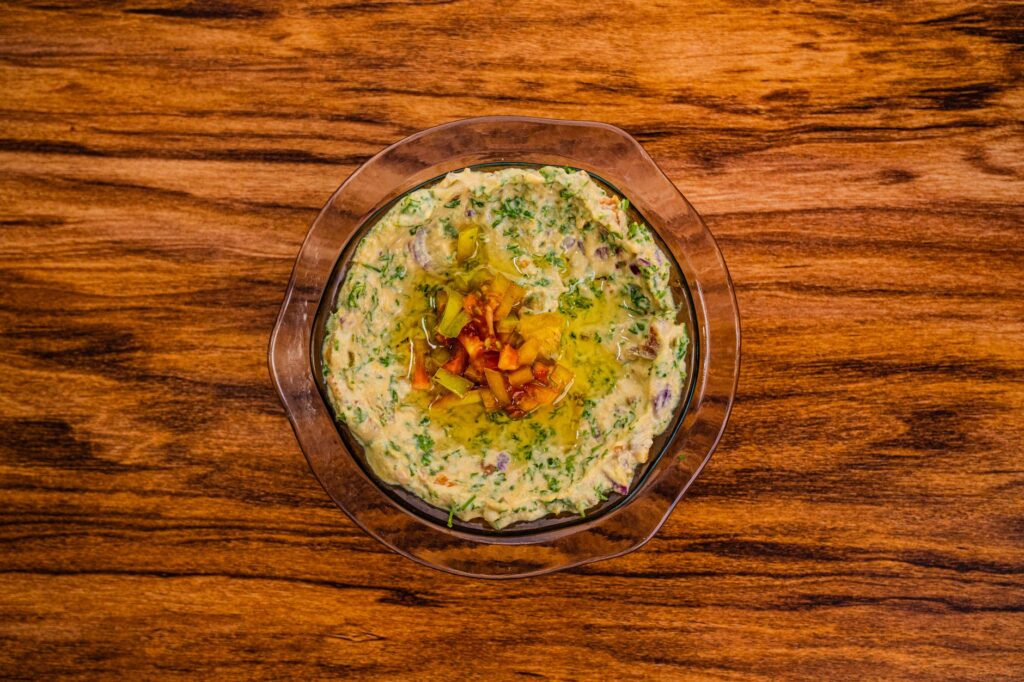
These establishments, scattered between the old town and modern expansions, function as embassies of the territory. Their bars serve everything from traditional pringá croquettes to refined versions of zorongollo or culantro gazpacho, proving that Extremadura’s culinary tradition is a living organism, capable of dialoguing with the present without losing its peasant soul.
Respecting the produce does not mean copying the past verbatim, but understanding the intelligence behind every ancient recipe to apply it to our own time.
Practical guide
Planning a gastronomic trip to Badajoz requires understanding its rhythms and geographies. Below are the fundamental keys to making the most of the experience in the Badajoz territory.
- How to get there: Badajoz features direct rail connections from Madrid and Mérida, alongside Badajoz Airport, located 14 kilometers from the city. Renting a car is highly recommended for exploring the surrounding dehesas.
- When to go: The months between November and March coincide with the montanera and slaughter season, the optimal time to experience Iberian pork at its absolute peak. Spring also offers an unmatched vegetal landscape along the riverbanks.
- Where to shop: The Central Market (Plaza de España) opens Monday through Saturday mornings. Visiting the traditional cured meat stalls and seasonal vegetable counters is essential.
- Recommended lodging: The Parador of Badajoz, set in a former convent on the outskirts, and various boutique hotels in the historic center offer stays tied to traditional architecture.
- Things to keep in mind: Many traditional establishments close on Sunday afternoons and Mondays. Advance reservations are strongly advised at the most sought-after restaurants in the historic center.
The traveler who leaves Badajoz after exploring its markets and pastures understands that this land’s true wealth lies not in pageantry, but in the unwavering authenticity of its people. Between the murmur of the Guadiana and the golden silence of the ancient holm oaks, Badajoz’s cuisine reveals itself as a refuge of pure sensations, a reminder that human memory, when nourished with honesty and patience, endures forever on the palate.