

Canada’s culinary landscape is undergoing one of the most profound and stimulating transformations in recent decades. Far from the rigidity of traditional gastronomic circuits, a new generation of chefs, producers, and restaurateurs is reinterpreting the North American pantry from a deeply contemporary perspective, where territory, memory, and cultural diversity converse without artifice. Amidst this effervescence, Air Canada’s presentation of the thirty establishments nominated for the 2026 Best New Restaurants title serves not merely as an annual accolade, but as a dynamic map charting the direction of the nation’s palate.
This rigorous selection process, overseen by an itinerant panel of food critics, chefs, and culinary experts who travel the country anonymously, reveals a fascinating social x-ray. From the bustling urban street corners of the West Coast to the coastal enclaves of the Atlantic, passing through the interior prairies and the metropolitan hubs of Ontario and Quebec, each of these thirty contenders represents a unique answer to a fundamental question: what does contemporary Canada taste like?
The Reinvention of Local Produce in Metropolises
In Canada’s major cities, high cuisine has left behind European dogma to embrace a sophistication closer to the land. Restaurants topping lists in Toronto, Montreal, and Vancouver demonstrate that contemporary luxury lies in absolute traceability and radical respect for the seasonal cycle. Chefs no longer seek distant ingredients for shock value; their ambition centers on extracting complex notes from forgotten roots, river fish caught sustainably, and game meats sourced from small local ranchers.
This approach demands a transformation in kitchens, where classic French or Asian techniques hybridize with ancestral preservation methods like fermentation, cold-smoking, and curing. The result is dishes of apparent visual simplicity yet profound flavor density, where every element serves a precise function. Dining rooms, meanwhile, abandon bygone solemnity to adopt refined aesthetics, where untreated wood, artisanal ceramics, and natural light underscore the honesty of the proposition.
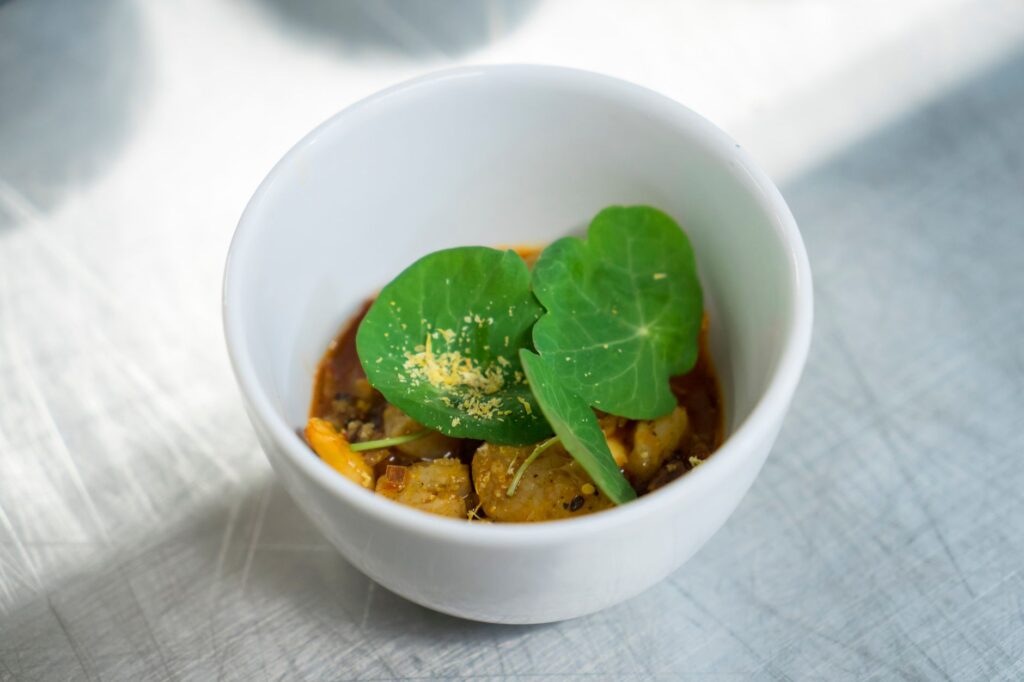
The Rebirth of Indigenous Roots and Wild Pantries
One of the most significant phenomena observed among this year’s contenders is the consolidation of culinary proposals led by First Nations chefs or deeply rooted in ancestral botanical knowledge. These spaces do not operate as fleeting trends, but as acts of historical recovery and food sovereignty. In their menus, wild ingredients—boreal berries, fir shoots, coastal seaweeds, small game, and native fish—reclaim the prominence stripped from them by decades of industrial food production.
The cuisine of the forest and the tundra thus becomes a vehicle of reconciliation and discovery. Working with these products demands profound respect for nature’s rhythms and close collaboration with foraging and hunting communities. Critics agree these proposals bring a genuinely Canadian voice to the international stage, stepping away from colonial clichés to offer a dining experience educating both palate and conscience.
True culinary innovation in Canada is not born of imported technique, but from the ability to listen to what the land and its first inhabitants have spent centuries trying to tell us.
The impact of these establishments extends far beyond the dining room walls. By demonstrating the commercial viability and cultural prestige of indigenous ingredients, they are dynamizing rural economies and fostering the protection of fragile ecosystems. Diners, increasingly well-informed, patronize these venues not solely seeking a memorable meal, but to participate in a narrative of environmental and cultural stewardship.
Diaspora as the Engine of Modern Haute Cuisine
Multiculturalism is not an accessory concept in Canadian gastronomy; it is its connective tissue. Among the thirty nominees, proposals fusing migrant heritage with native land products stand out for their audacity and emotional resonance. Children of the Asian, Latin American, Caribbean, and Middle Eastern diasporas are utilizing their dual cultural belonging to forge a completely new culinary language, free from the corsets of museological authenticity.
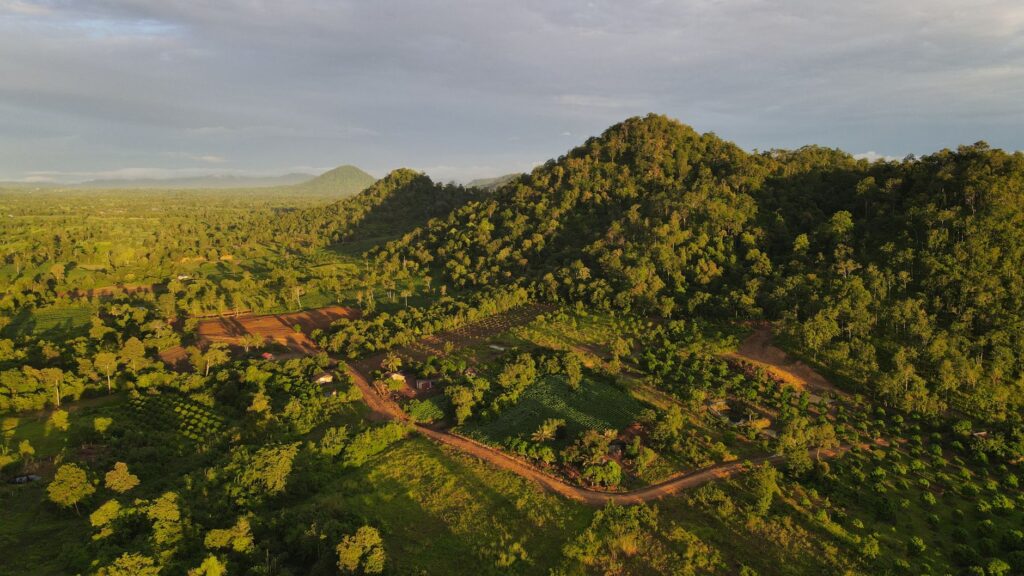
These chefs reinterpret family recipes utilizing Canadian ingredients or, conversely, apply ancient techniques from their homelands to local fish and seafood. The contrast is vibrant: a dashi broth crafted from North Pacific seaweed infused with Andean spices, or native corn masa nixtamalized with grains harvested on southern Alberta’s prairies. This natural hybridization reflects the success of a social model celebrating diversity at the table.
Peripheral Territories: Surprise in Unlikely Regions
Traditionally, major culinary accolades tended to concentrate within the urban axes of Toronto and Montreal. However, this year’s selection stands out for decentralizing the flavor map. Small coastal towns in Nova Scotia, wine valleys in British Columbia, and isolated enclaves in the prairie provinces host some of the country’s boldest and most discussed projects.
This decentralization responds to a shift in lifestyle habits among a new generation of hospitality professionals who have chosen to abandon big-city stress in pursuit of quality of life and direct access to producers. Operating feet away from the sea, vineyards, or crop fields enables a freshness unattainable in urban circuits, granting these restaurants a natural competitive advantage translating into memorable dishes.
Logistical Challenges and Sustainability as Norm
Managing a fine dining establishment outside major distribution hubs entails formidable challenges. Canada’s supply chain can be relentless, particularly during long winter months when extreme temperatures complicate perishable transport. Consequently, operational resilience and seasonal planning have become skills as critical to chefs as mastery over fire.
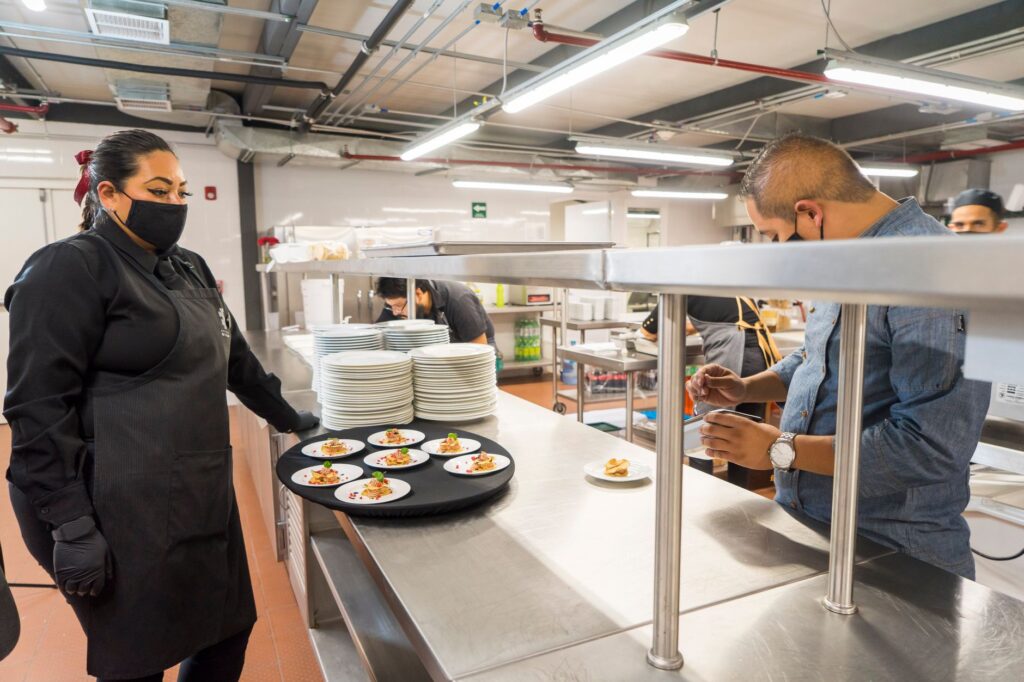
This year’s 2026 nominees stand out for implementing circular business models: advanced composting systems, drastic food waste reduction, use of renewable energy, and fair-trade contracts with local agricultural co-ops. Sustainability has ceased being a marketing strategy to become a survival requirement and non-negotiable ethical standard across the industry.
The Phenomenon of Terroir Wine and Mixology
No conversation regarding the golden age of Canadian gastronomy would be complete without mentioning the liquid revolution accompanying dishes. The wine regions of Ontario’s Niagara Peninsula and British Columbia’s Okanagan Valley produce wines of exceptional mineral elegance, already internationally recognized. List restaurants proudly incorporate these references, frequently featuring natural, low-intervention wines from small local producers front and center.
In parallel, mixology has adopted the same farm-to-table philosophy. Bartenders distill their own spirits utilizing wild botanicals, craft bitters from boreal roots, and ferment kombuchas and tonics with native fruits. Each glass is a coherent extension of the culinary proposal, designed to cleanse the palate and highlight the subtle notes of principal dishes.

Practical guide
How to follow the awards: The complete list of thirty nominees and detailed reviews of each restaurant are officially published via Air Canada’s digital platforms and inflight magazine.
Key dates: The evaluation process unfolds continuously throughout the year, culminating in the annual announcement of finalist establishments and the proclamation of the ultimate winner in autumn.
Reservation planning: Given the high demand generated by these nominations, booking several months in advance is recommended, particularly for venues located outside major metropolitan circuits.
Codes of conduct: Many of these new spaces operate on a closed tasting menu format; notifying any dietary restrictions well in advance is essential to guarantee the best experience.

Regional mobility: To visit restaurants located in wine valleys or rural areas, car rental and planning routes with a designated driver are essential due to distances.
The Table as a Space for Gathering and Memory
At the journey’s end through these thirty culinary temples, the certainty remains that dining in Canada today is far more than an act of nutrition or hedonistic whim. It is a way of mapping territory, listening to its people, and understanding a cultural mosaic in constant evolution. Each dish served on these tables encapsulates hours of research, environmental respect, and a profound desire for hospitality defying the harshest winters.
While diners take their seats and kitchen teams fine-tune details for evening service, the country consolidates an independent voice in the global gastronomic concert. The goal is not mimicking distant trends, but looking inward with pride and curiosity, transforming resources from a vast, demanding land into unforgettable experiences. The Canadian table thus stands as a beacon of creativity, reminding us that cooking’s future lies in authenticity, memory, and shared planetary care.
Source in EN: Travel2Latam – Air Canada presents the 30 contenders for the Best New Restaurants 2026 (original link).